
By Gabriel Ameh
The Federal Government has called for the integration of mental health services into Nigerian schools, primary healthcare facilities and community support systems to address the growing psychological challenges facing adolescents and young people.
The Minister of Youth Development, Ayodele Olawande, made the call in a speech delivered on his behalf by Essien Emmanuel, Director of Youth Health, Mental and Psychosocial Affairs, at the National Action Forum on Adolescent and Youth Mental Health in Abuja on Thursday, October 22, 2026.
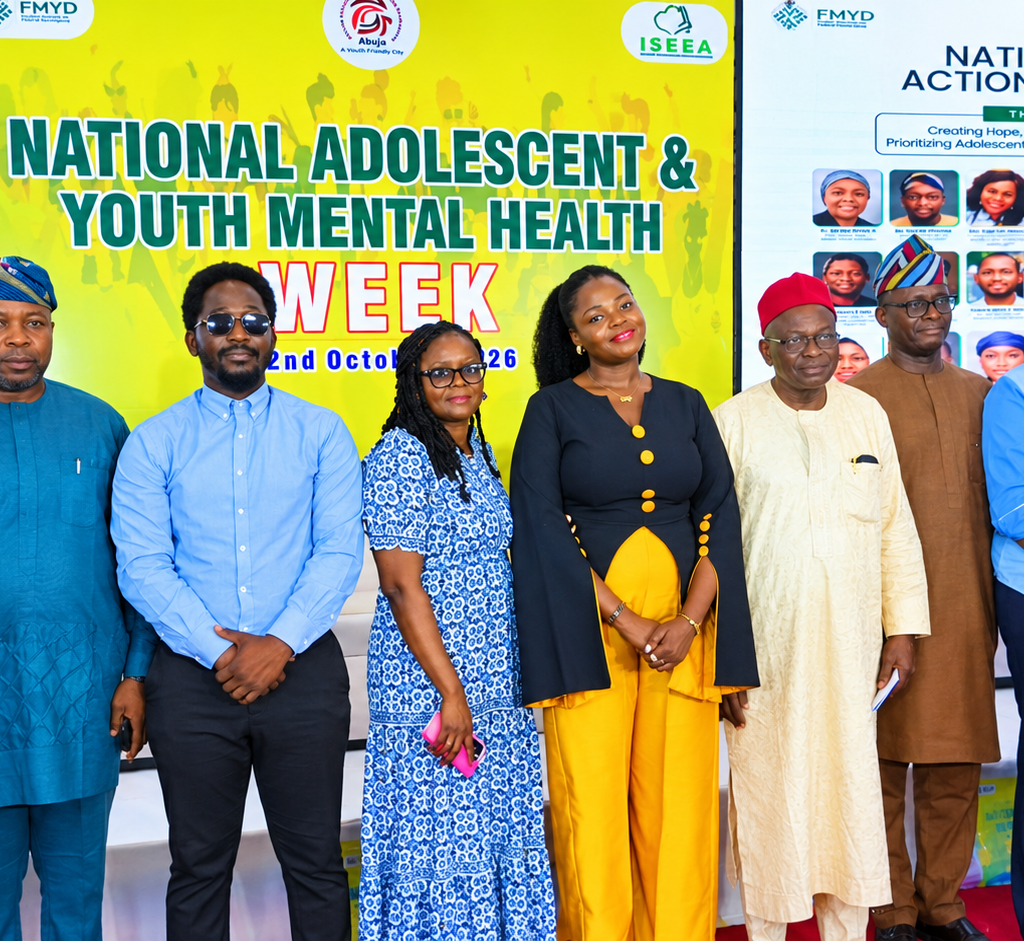
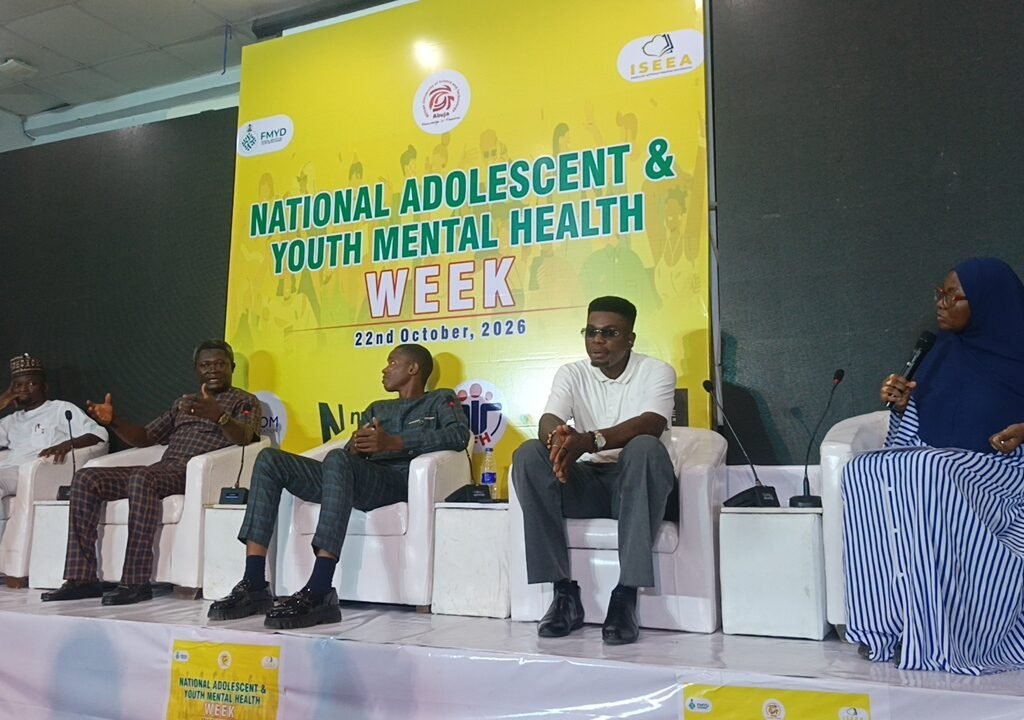
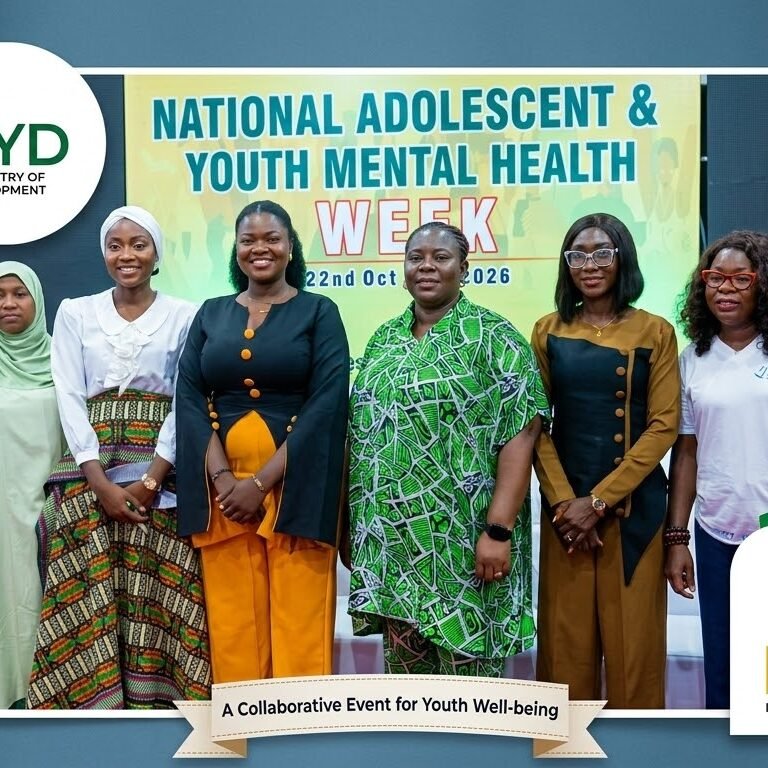
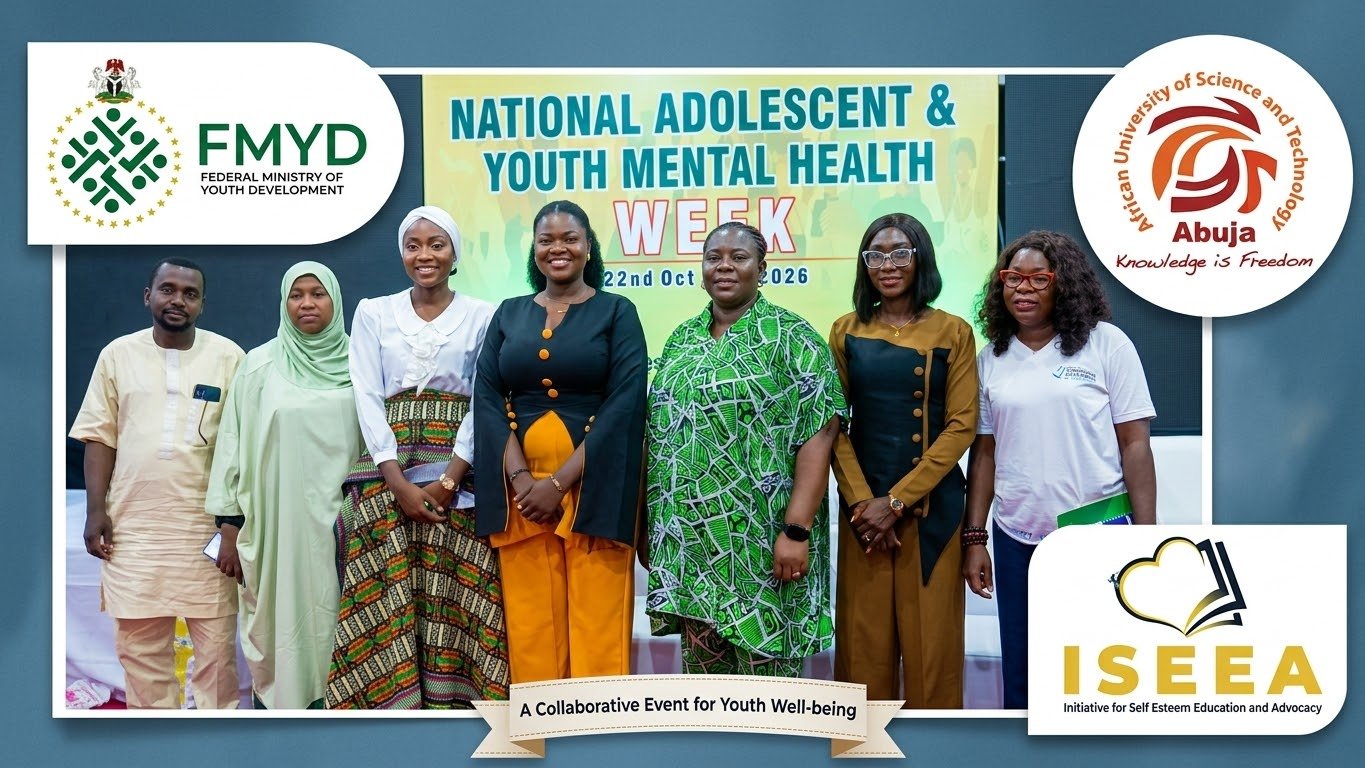
The forum, held at the African University of Science and Technology (AUST), brought together stakeholders to discuss practical ways of improving mental health awareness, access to care and psychosocial support for young Nigerians.
Represented at the event, the minister identified academic pressure, unemployment, economic uncertainty, peer influence, digital exposure and societal expectations as some of the challenges affecting young people’s mental well-being.
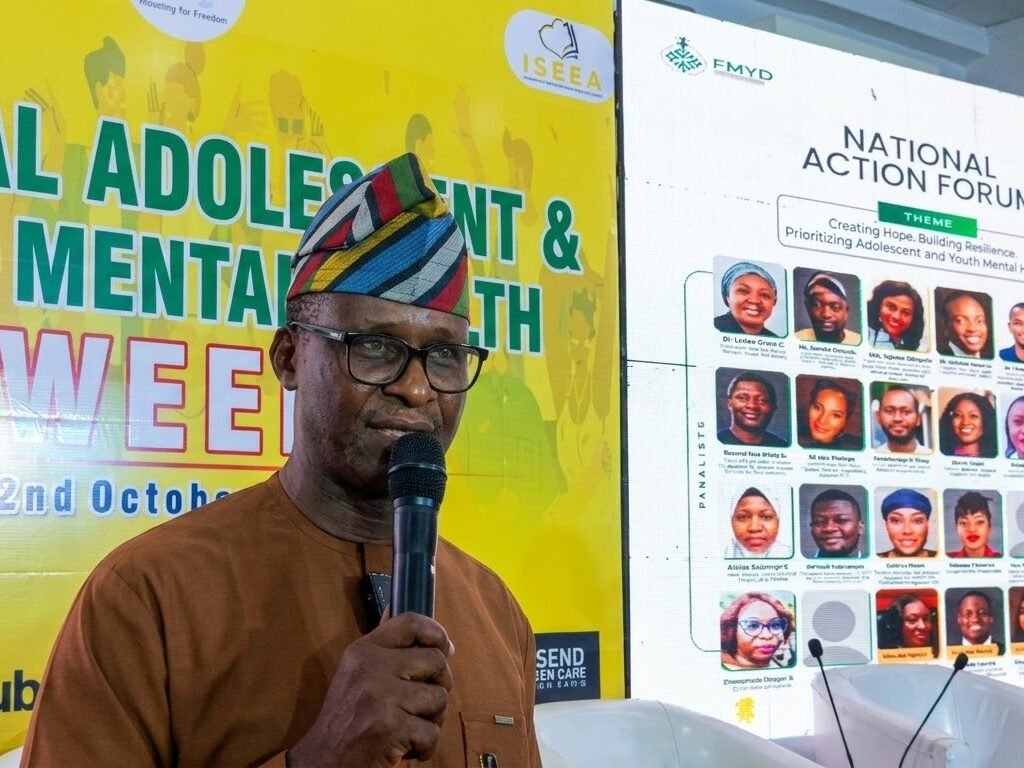
He expressed concern that mental health conditions among adolescents and young adults often remain undiagnosed or inadequately addressed because of stigma, cultural misconceptions, limited youth-friendly services and a shortage of specialised mental health professionals.
According to him, psychological distress is frequently dismissed as a temporary behavioural problem, while young people seeking help may face judgment, neglect or social exclusion.
He stressed that mental health should not be treated as a privilege but as a fundamental human right and an essential component of national development.
FG Seeks Stronger Mental Health Policies
The minister urged stakeholders to move beyond awareness campaigns and develop practical policies, sustainable funding arrangements and stronger partnerships to improve access to mental health services.
He outlined four priority areas for action: integrating youth mental health services into primary healthcare, educational curricula and community support networks; tackling stigma through evidence-based public education; training healthcare workers, counsellors, social workers and youth leaders; and mobilising sustainable funding through government and private-sector partnerships.
He also urged participants to ensure that the forum produced clear policy recommendations, institutional responsibilities, measurable targets and implementation timelines.
The minister reaffirmed the Federal Ministry of Youth Development’s commitment to implementing the forum’s recommendations in line with the country’s development priorities.
ISEEA Calls for Action Beyond Awareness
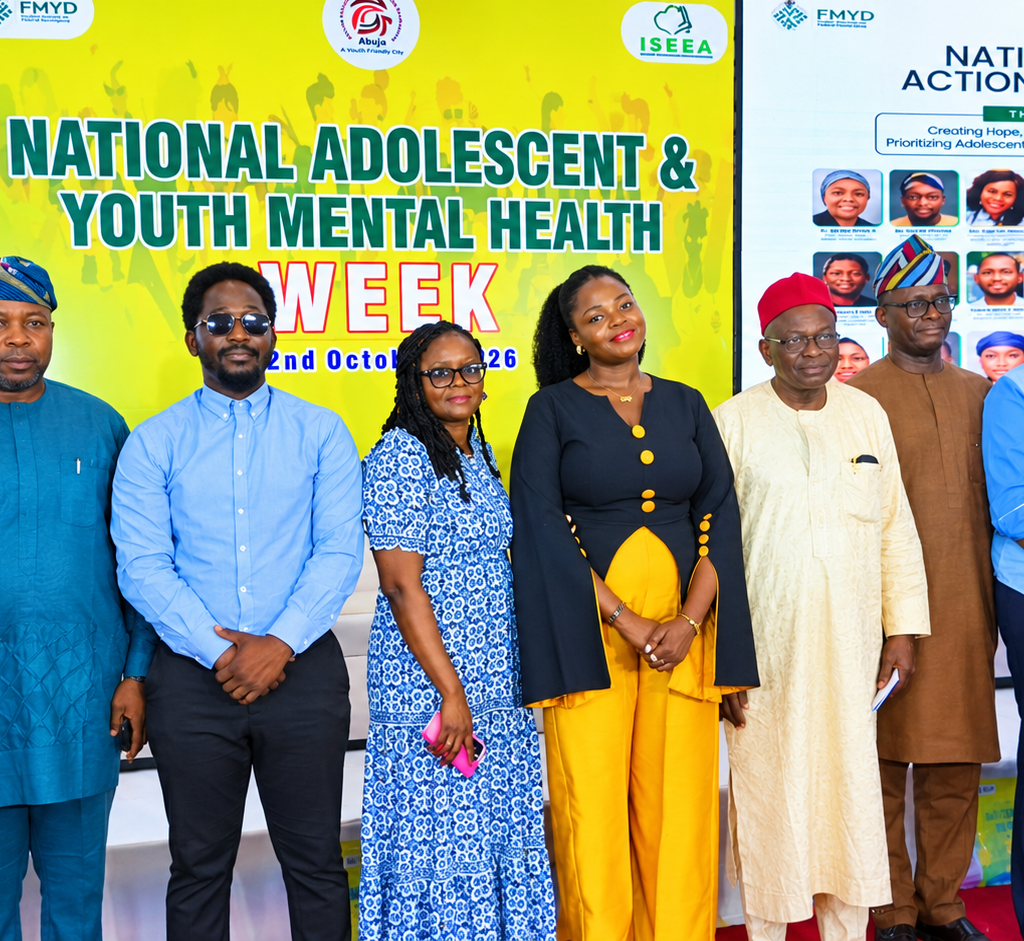
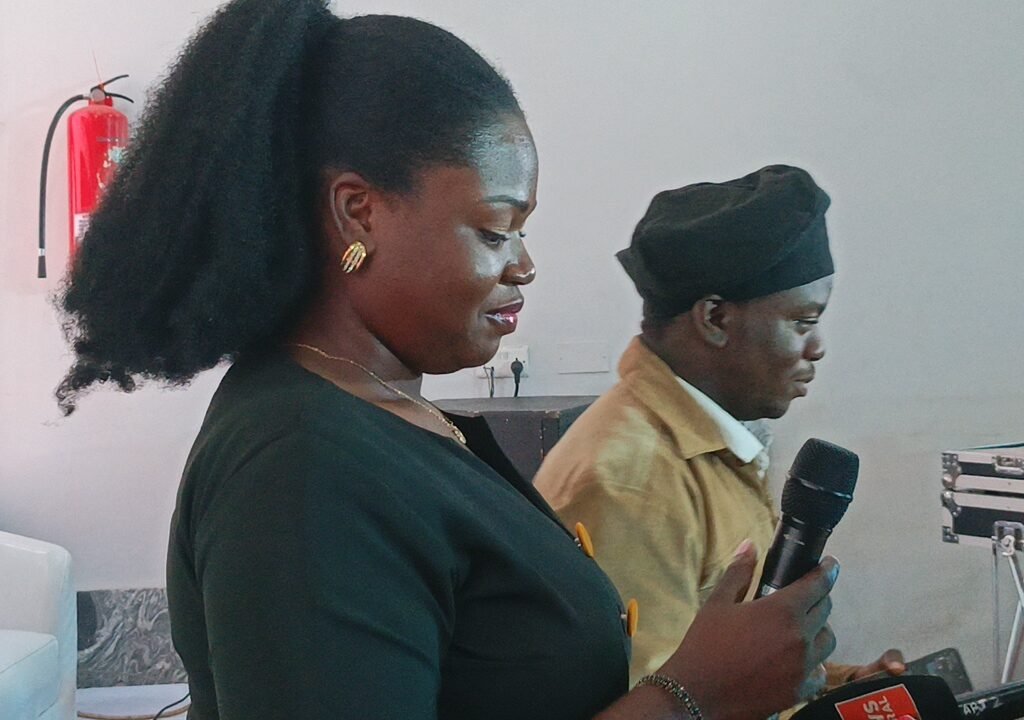
In her remarks, the Founder and Executive Director of the Initiative for Self-Esteemed Education and Advocacy (ISEEA), Rosemary Ochiwu, said the forum was designed to move conversations about adolescent and youth mental health from awareness to practical action.
She noted that young Nigerians face several pressures, including academic demands, bullying, family difficulties, unemployment, social expectations and displacement, while many struggle to access appropriate mental health support.
Ochiwu said the forum aimed to strengthen collaboration among government institutions, educational institutions, development partners and civil society organisations, while identifying gaps in existing policies and interventions.
She also emphasised the need to involve young people in decisions affecting their mental well-being rather than treating them merely as recipients of mental health programmes.
According to her, the expected outcomes include practical recommendations for strengthening school mental health services, improving institutional coordination, addressing stigma and expanding access to appropriate support and referral systems.
She urged government institutions to prioritise effective policies and adequate funding, while calling on schools to provide safe learning environments, trained teachers, guidance and counselling services, and appropriate referral pathways.
Ochiwu also called on parents, healthcare professionals, development partners, civil society groups, the private sector and the media to work together to make youth mental health a shared responsibility.
She urged the media to challenge stigma and report mental health issues responsibly, adding that young people should feel safe to speak about their experiences and seek help without fear of judgment.
AUST President Highlights Pressure on Students
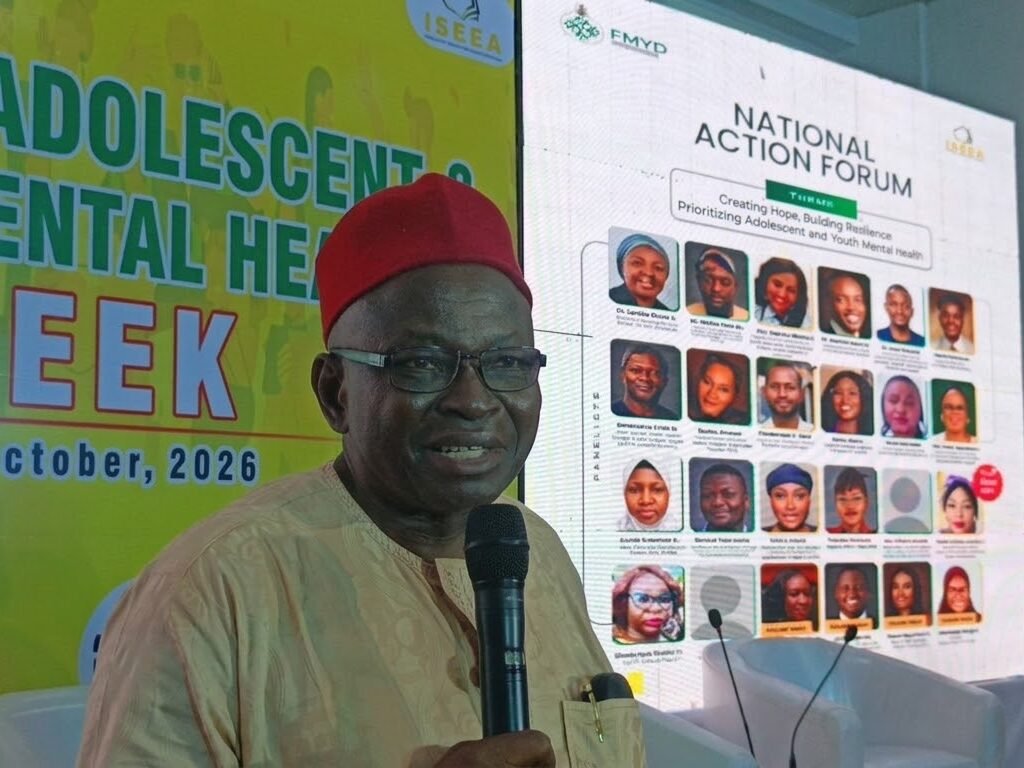
The President of the African University of Science and Technology, Professor Azikiwe Peter Onwualu, described mental health as an increasingly important concern in Nigeria, noting that economic hardship and everyday challenges can contribute to psychological distress.
He welcomed the collaboration between government agencies, private organisations and educational institutions, describing mental health support as essential to creating an environment where students can thrive academically.
Onwualu observed that university students face several pressures, including registration difficulties, accommodation challenges and electricity problems, which can add to their stress.
He recounted an experience involving an international student who struggled with language barriers and cultural adjustment, requiring the university to seek professional support.
He said the experience demonstrated the need for higher educational institutions to strengthen mental health support systems and create environments that promote students’ well-being.
Senator Urges Schools to Tackle Bullying and Stigma
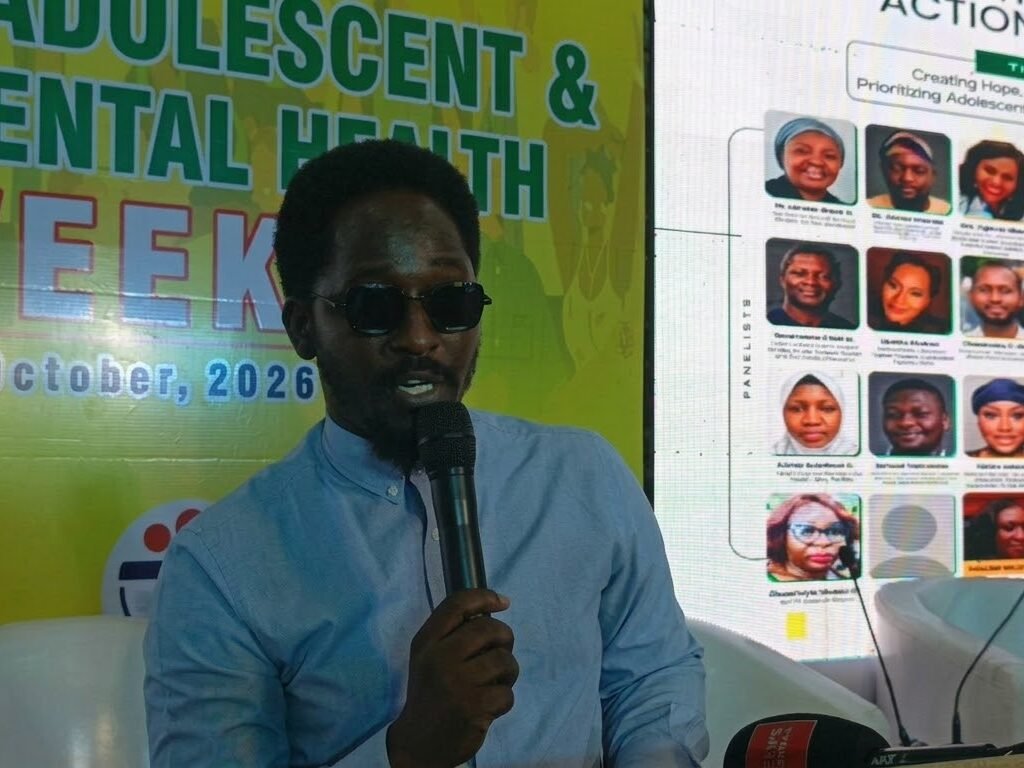
In a goodwill message delivered on her behalf by Nelson Alabi, her legislative assistant, Senator Ireti Kingibe, representing the Federal Capital Territory, called for safe and supportive environments where adolescents can express themselves without fear of judgment.
She said low self-esteem among young people can contribute to anxiety, social isolation, bullying, unhealthy comparisons, peer pressure and difficulties seeking help.
Kingibe stressed that mental health deserves the same attention as physical health and urged stakeholders to encourage open conversations about psychological well-being.
She also called on participants to translate discussions into practical interventions in homes, schools and communities, noting that young people should be encouraged to speak up against bullying, reject harmful pressure and seek support when necessary.
Creative Industries Can Support Youth Mental Health
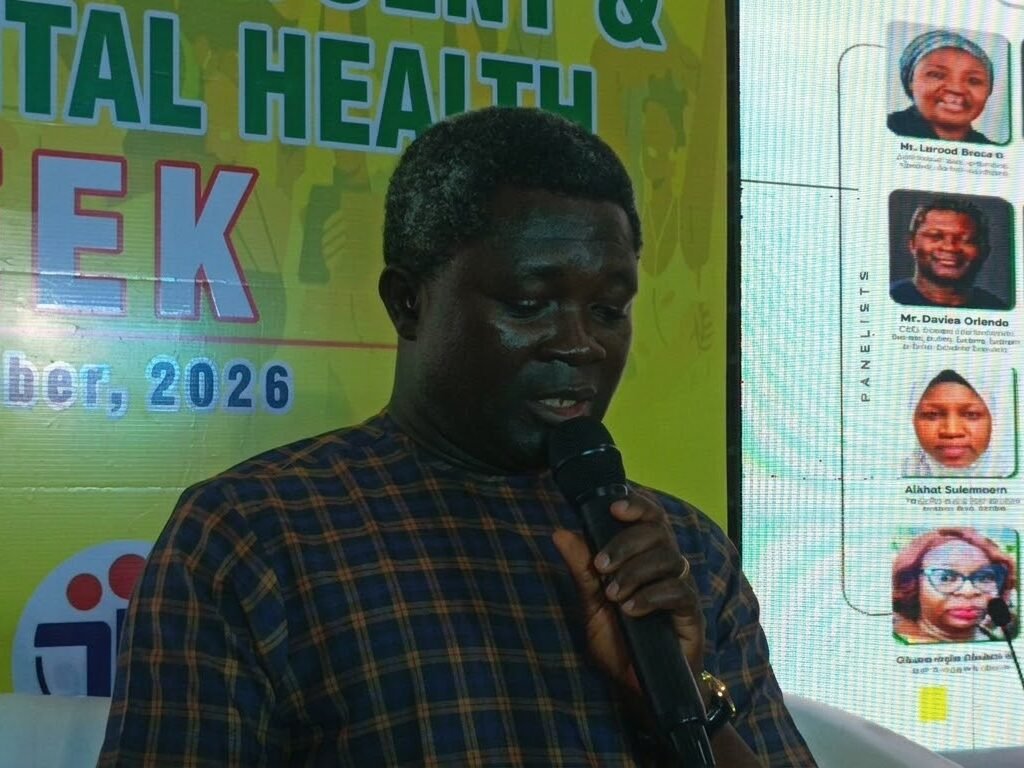
The Minister of Art, Culture, Tourism and Creative Economy, represented by Chief Cultural Officer Nwawene Chidi Mathew, also highlighted the potential of creative industries to promote mental health awareness and encourage self-expression among young people.
In his goodwill message, the minister said creative platforms such as music, film, theatre, visual arts, fashion, literature and dance could help young people communicate their experiences, process difficult emotions and challenge harmful stereotypes.
He noted that creative expression could also help bring mental health conversations into the public space with greater empathy and understanding.
The minister said youth well-being should be recognised as an important part of human development, productivity, innovation and national prosperity.
Stakeholders Urged to Turn Commitments into Action
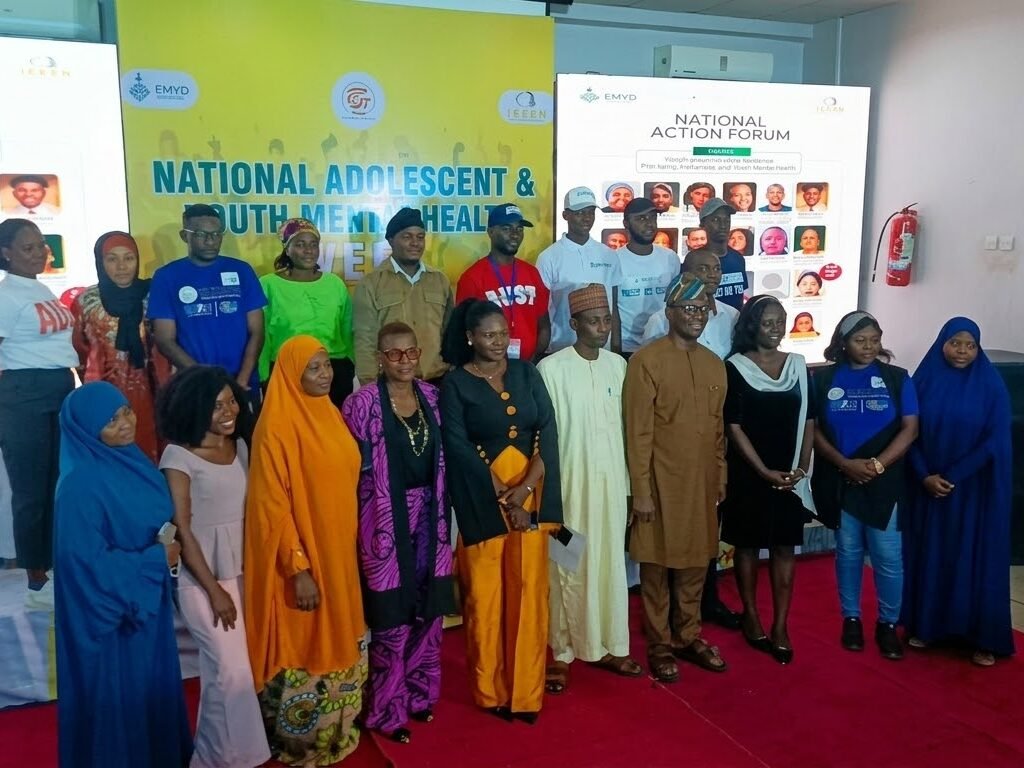
The National Action Forum formed part of activities marking the National Adolescent and Youth Mental Health Week, organised by ISEEA in partnership with the Federal Ministry of Youth Development.
The discussions centred on strengthening collaboration, reviewing existing interventions, amplifying young people’s voices and developing actionable recommendations to improve mental health promotion, early identification and access to care.
Stakeholders were urged to ensure that the commitments made at the forum translated into practical support for young Nigerians in schools, homes, healthcare facilities and communities.
The forum’s organisers emphasised that its success would ultimately depend not on the number of participants or speeches delivered, but on the actions taken after the event.