
By Gabriel Ameh
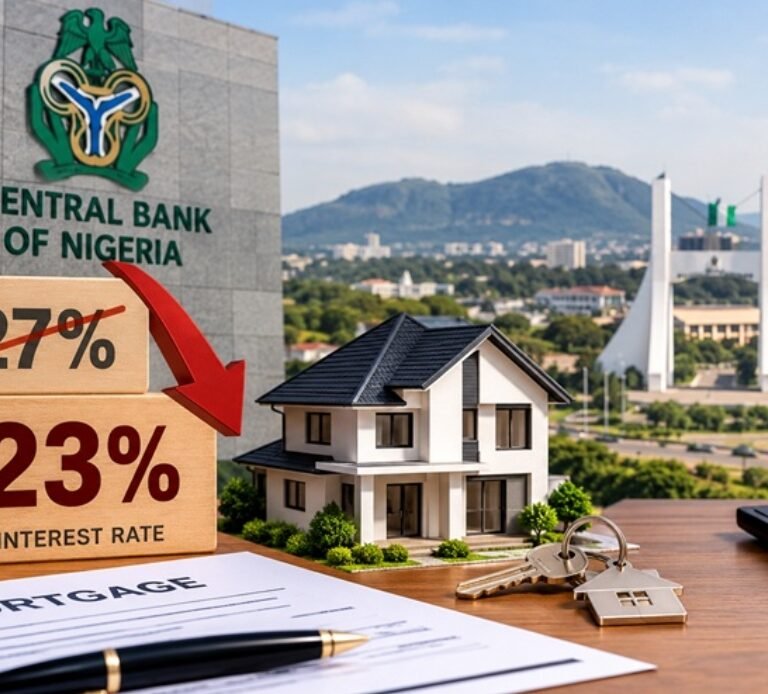
Nigeria’s Finance Minister, Taiwo Oyedele, has warned that bringing back fuel subsidy could cost the country more than ₦20 trillion annually, weaken the naira to ₦3,000 per dollar and push petrol prices to at least ₦2,000 per litre.
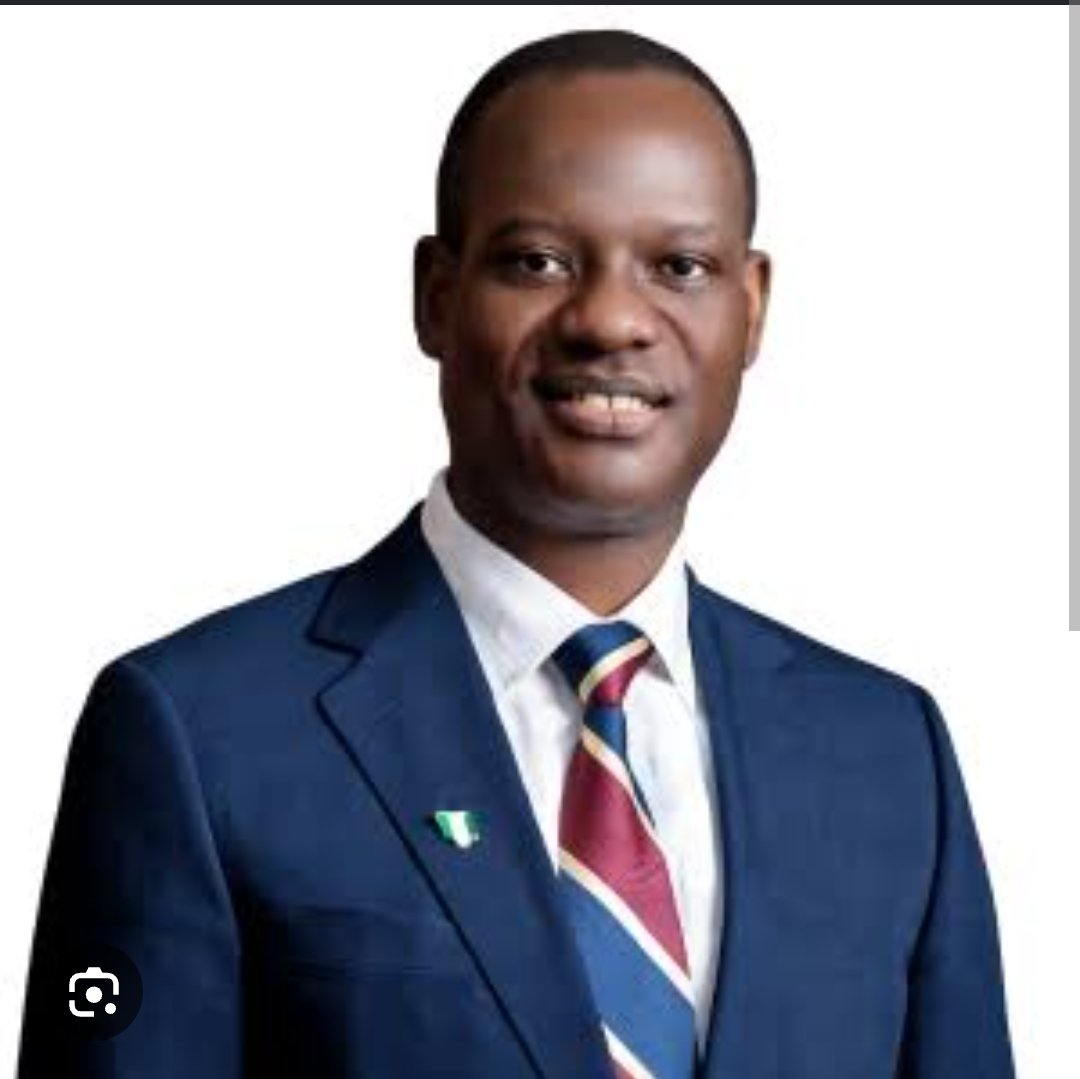
Oyedele, who is also the Coordinating Minister of the Economy, gave the warning on Thursday in Abuja during a press briefing on fuel prices and the subsidy question.
He argued that restoring the subsidy would place additional pressure on government finances, increase borrowing costs and undermine the economic gains associated with its removal.
The minister attributed the recent rise in petrol prices to global energy market disruptions linked to the Gulf conflict, insisting that the situation was not simply a result of domestic economic policies.
According to him, petrol prices have risen from about ₦830 per litre before the conflict, when crude oil traded at approximately $70 per barrel, to an average of about ₦1,400 per litre.

He said international supply disruptions, higher crude oil prices and increased shipping costs had contributed to the increase.
“ A subsidy does not lower the cost of fuel. It only changes how it is paid, and when,” Oyedele said.
Why government opposes subsidy return
The minister outlined four major concerns about proposals to restore fuel subsidy, including those described as production subsidies for locally refined petroleum products.
First, he said crude oil, freight and refining inputs remain linked to dollar-denominated prices. According to him, forcing petrol prices down through government intervention would effectively require public funds to absorb the difference and could recreate pressure for multiple exchange rates.
Second, he warned that fixing petrol prices while crude oil and foreign exchange rates fluctuate would transfer the financial risks to government.
Nigeria consumes approximately 50 million litres of petrol daily, he said, adding that restoring prices to pre-reform levels could cost more than ₦20 trillion annually.
Even a proposed subsidy of ₦500 per litre could cost more than ₦16 trillion yearly, according to the minister.
Third, Oyedele warned that subsidised petrol could encourage smuggling into neighbouring countries, particularly if Nigerian pump prices fell significantly below prices elsewhere in the region.
He also argued that subsidised prices could increase domestic consumption at a time when global petroleum supplies remain under pressure.
The fourth concern, he said, is the potential effect on public finances, including government revenue, borrowing costs and the country’s credit outlook.
₦15.8 trillion released after subsidy removal
Oyedele said the removal of fuel subsidy had released ₦15.8 trillion to the Federation Account between June 2023 and December 2025.
Of that amount, ₦10.4 trillion went to state and local governments, according to him.
He argued that the additional revenue had improved the ability of subnational governments to meet their obligations, contrasting the current situation with May 2023, when he said 27 states were unable to pay salaries.
The minister warned that reversing the reform could put these gains at risk.
He said a return to subsidy could trigger a chain of economic pressures, including a possible sovereign credit downgrade, higher borrowing costs, capital outflows, falling foreign reserves and further weakening of the naira.
Oyedele estimated that the exchange rate could approach ₦3,000 per dollar within months if the country returned to the subsidy system.
He further projected that petrol could cost at least ₦2,000 per litre under that scenario, arguing that the policy could ultimately leave Nigerians paying more rather than less.
These figures were presented as government projections, not confirmed future outcomes.
Government outlines measures to ease fuel costs
Despite rejecting a return to blanket fuel subsidy, Oyedele said the government was pursuing measures intended to reduce the pressure of rising energy costs on households and businesses.
He cited tax and duty waivers on petroleum products, the naira-for-crude arrangement for domestic refiners and the expansion of local refining capacity as measures intended to support supply and reduce pressure on foreign exchange demand.
The minister also said Nigeria had retained support for electricity, gas and fertiliser to assist vulnerable households and productive sectors.
On alternative transport fuels, he listed 120,000 vehicles using compressed natural gas (CNG), 400 conversion centres, 96 CNG refuelling stations, 18 liquefied CNG stations and 550 CNG buses deployed under the government’s initiatives.
He said the use of CNG buses had contributed to fare reductions of between 30 and 50 per cent on some routes.
Oyedele also announced a proposed 30-day discount on fuel margins at NNPC retail stations, with priority for public transport operators.
Other planned measures include negotiations towards a ceiling of ₦1,350 per litre for ex-gantry and landing costs, monthly reviews of the arrangement, forward crude sales to local refineries and the removal of illegal levies in collaboration with state governments.
He said the government was also considering increased cash transfers, subsidised credit for vulnerable people and small businesses, and an excess-profit tax on operators exploiting consumers.
According to him, proceeds from the proposed tax could support transport assistance and vouchers for minimum-wage earners, alongside tax relief for low-income earners in the 2027 Finance Bill.
The government also plans to accelerate CNG adoption, improve fuel logistics and establish a national strategic fuel reserve to strengthen supply security during disruptions.
Oyedele said the reserve would operate under published rules and would not amount to a restoration of blanket fuel subsidy.
Finance minister defends market-based pricing

The minister maintained that deregulation had made domestic refining more viable and helped sustain petroleum supply during the current period of global uncertainty.
He also said the gap between official and parallel foreign exchange rates had narrowed from more than 60 per cent to below five per cent, while foreign reserves had reached $55 billion, which he described as the highest level in 18 years.
Oyedele rejected the suggestion that the naira’s decline should simply be described as a government-led devaluation, arguing that the currency had depreciated because Nigeria lacked sufficient reserves to defend an artificial exchange rate.
He said the government’s priority was to preserve the gains of economic reforms while making their benefits reach more Nigerians.
Lokpobiri says subsidy removal supports local refining
The Minister of State for Finance, Heineken Lokpobiri, also defended the removal of fuel subsidy, arguing that the previous system would have discouraged private investment in domestic refining.
He cited Venezuela as an example of a country where low petrol prices had not eliminated widespread economic hardship, despite its substantial oil reserves.
Lokpobiri argued that government control of fuel imports under the former arrangement would have crowded out private investors and made the emergence of large-scale domestic refining more difficult.
He also cited Section 205 of the Petroleum Industry Act as the legal basis for market-based petroleum pricing.
Earlier, the Permanent Secretary of the Ministry of Finance, Raymond Omachi, said the ministry’s theme, “From Gatekeeper to Enablers,” reflected its drive to make engagement with government agencies more productive, predictable and responsive to businesses.
Oyedele concluded that the challenge was not to reverse the subsidy reform but to ensure that its benefits reach Nigerians more quickly, while providing targeted relief to people struggling with higher living costs.
Source: Remarks by Finance Minister Taiwo Oyedele and other officials at the Ministry of Finance press briefing on fuel prices and the subsidy question, as supplied.
Media360Impact
Stories that matter to ordinary Nigerians.