
0-0x0-0-0-{}-0-0#
By Media360Impact
For the young barber, Nigeria’s 66th Independence Day was supposed to be more than a public holiday.
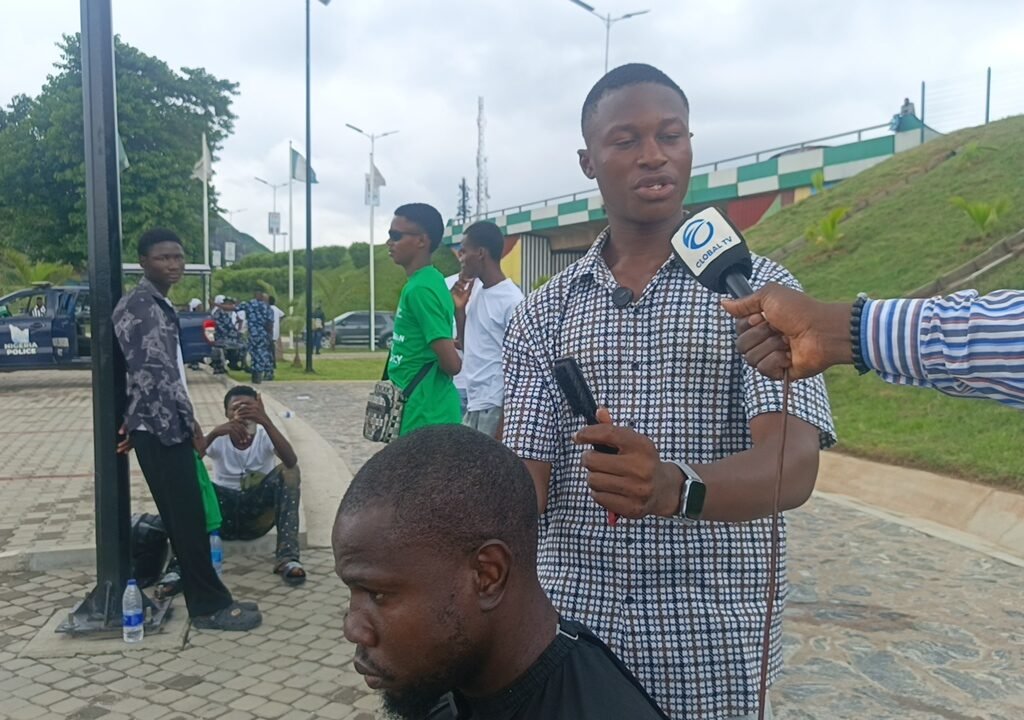
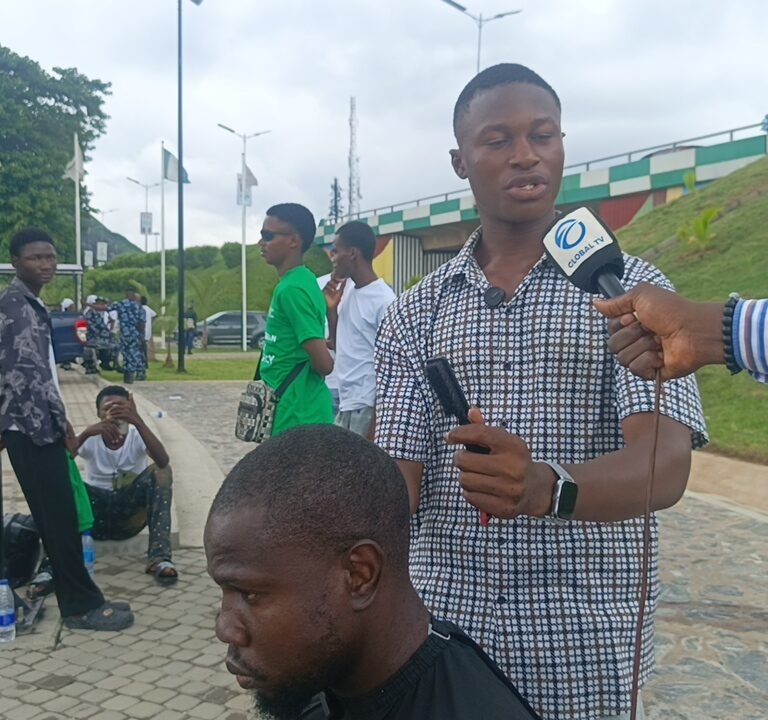
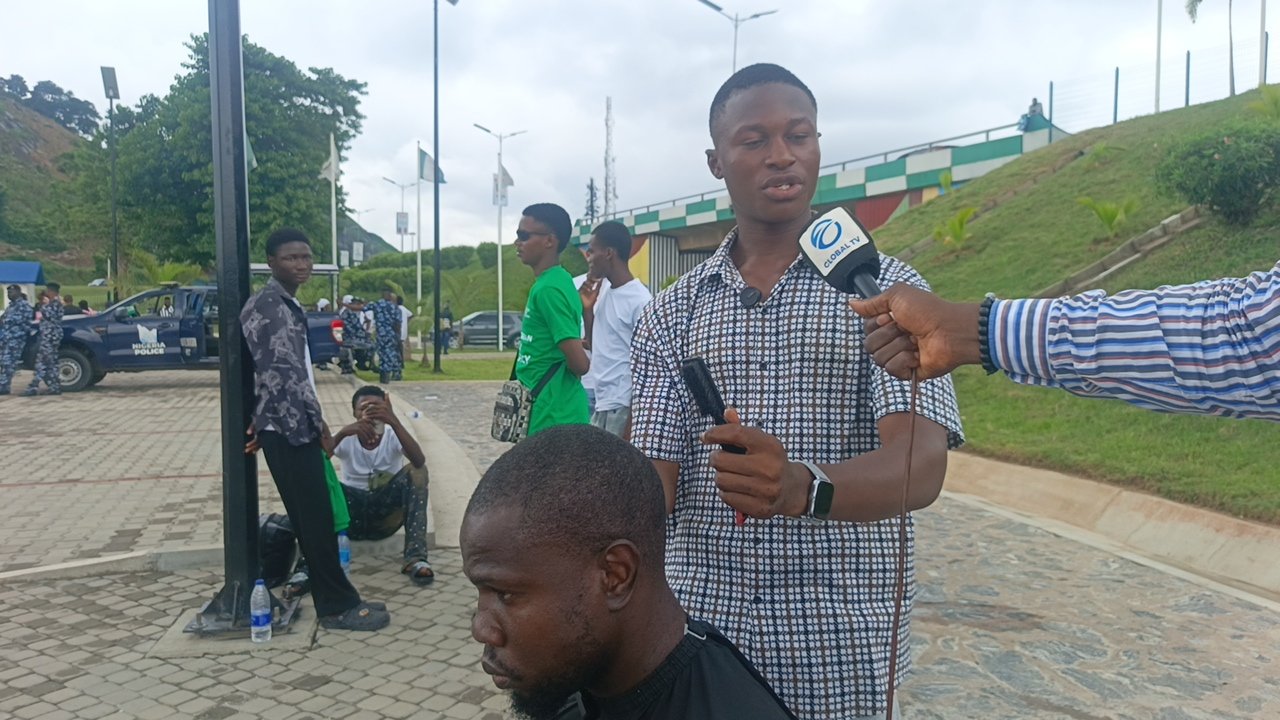
Armed with his clippers and a skill he hoped could open doors for him, he came to the Abuja City Gate area on October 1 with an idea: offer free haircuts, introduce his work to people and hopefully turn the exposure into new customers.
It was a simple attempt to create an opportunity for himself.
But the plan took an unexpected turn.
During the exercise, the young man said he was confronted by personnel managing the City Park area and was asked to leave the scene.
Journalists who were present, including Media360Impact, attempted to intervene on his behalf, but the young barber eventually left the area visibly discouraged.
For him, the encounter was more than being asked to move from a particular location. It was a moment that appeared to dampen the enthusiasm of a young Nigerian trying to use his skill and creativity to make a living.
He wasn’t asking for a handout
What made the encounter striking was the nature of what the young man was trying to do.
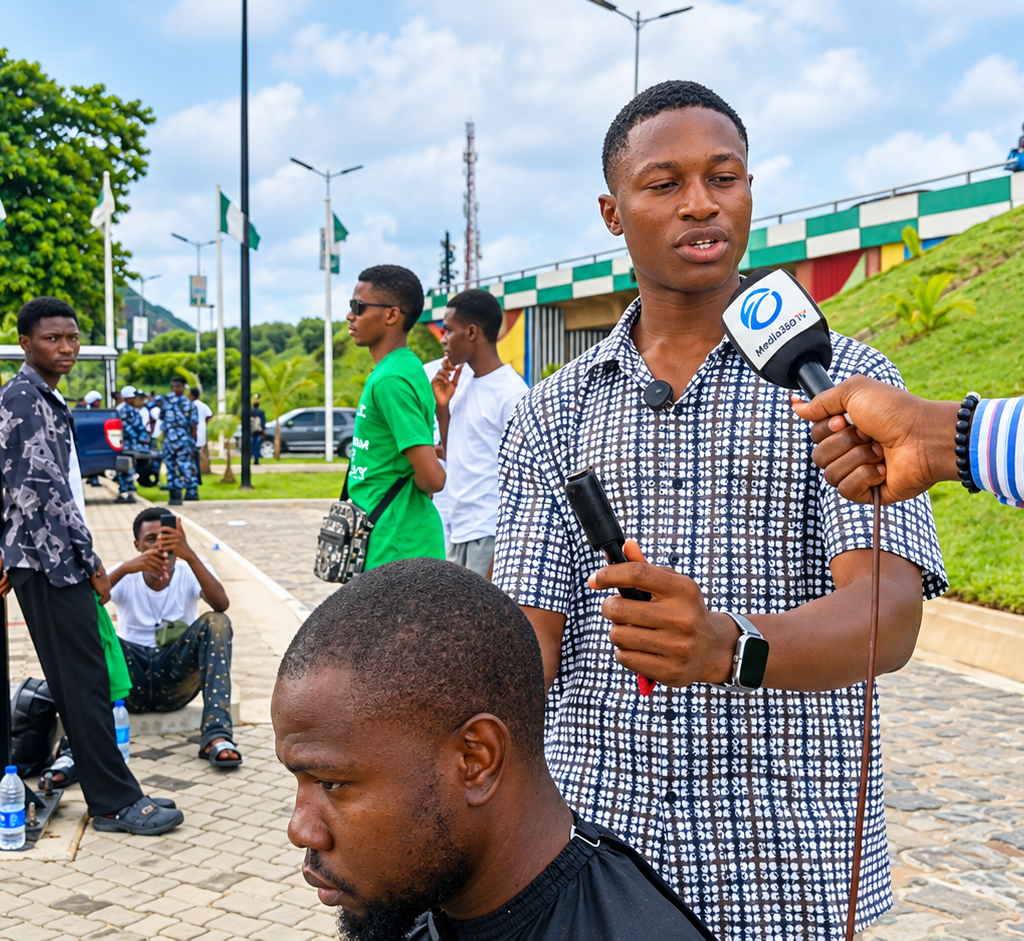
He was not standing at City Gate asking passers-by for money.
He brought a skill.
He brought his equipment.
And he was willing to provide the service for free, hoping that people who saw his work might become paying customers later.
For many young Nigerians, this is what entrepreneurship looks like in everyday life.
A barber has his clippers. A photographer has a camera. A fashion designer has a sewing machine. A skit maker may have nothing more than a smartphone and an idea.
Their greatest need is sometimes simply an opportunity to put their skills in front of people.
A bigger question about young Nigerians
The incident raises a broader question about how society responds when young people try to create opportunities for themselves.
Nigeria’s Independence Day is often a moment to reflect on the country’s journey and the kind of future citizens want to build. The Federal Government, in its 2026 Independence Day message, called on Nigerians to demonstrate unity, patriotism, peaceful coexistence and mutual respect.
But beyond speeches and celebrations, the future of the country is also being shaped by young Nigerians trying to turn their talents into livelihoods.
The young barber at City Gate was one of them.
His experience offers an uncomfortable question:
When young Nigerians try to create opportunities with the skills they have, are we giving them enough room to try?
There is, of course, another side to the story. Public spaces have rules, and managers have responsibilities to maintain order and regulate activities. Those rules can legitimately determine what activities are permitted in particular locations.
But where a young person’s activity is not harmful or disruptive, the encounter also invites reflection on whether there are ways to accommodate creativity while still maintaining order.
From discouragement to opportunity
The young barber eventually packed up and left.
What remains is the image of a young Nigerian who came to a public gathering with clippers, creativity and the hope of finding customers—and ended the day discouraged.
His story should not be reduced to one encounter at City Gate.
It is a reminder that building a better Nigeria is not only about what governments do.
It is also about how citizens, businesses, institutions and communities respond to people who are trying to create something with what they have.
Sometimes, a young person does not need a handout.
Sometimes, he simply needs a chance.
Media360Impact witnessed the encounter at Abuja City Gate on October 1, 2026. The account of the young barber’s interaction with City Park personnel is based on the events witnessed by our reporter and his own account.
Credit/Source: Media360Impact field report, Abuja City Gate, October 1, 2026.