

0-0x0-0-0-{}-0-0#
By Gabriel Ameh
The National Senior Citizens Centre (NSCC) has called for major changes to Nigeria’s healthcare, pension and social support systems as the country prepares for a rapidly growing older population.
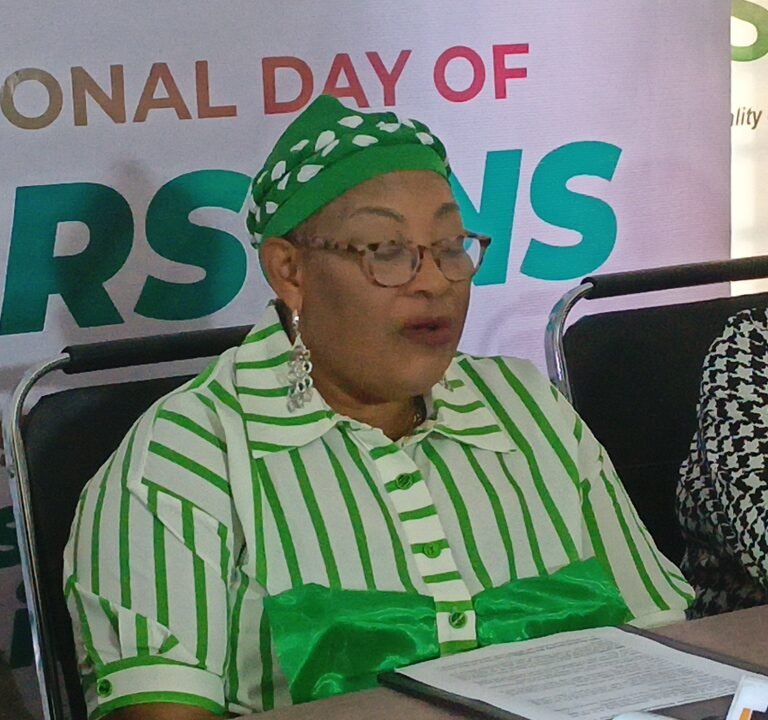
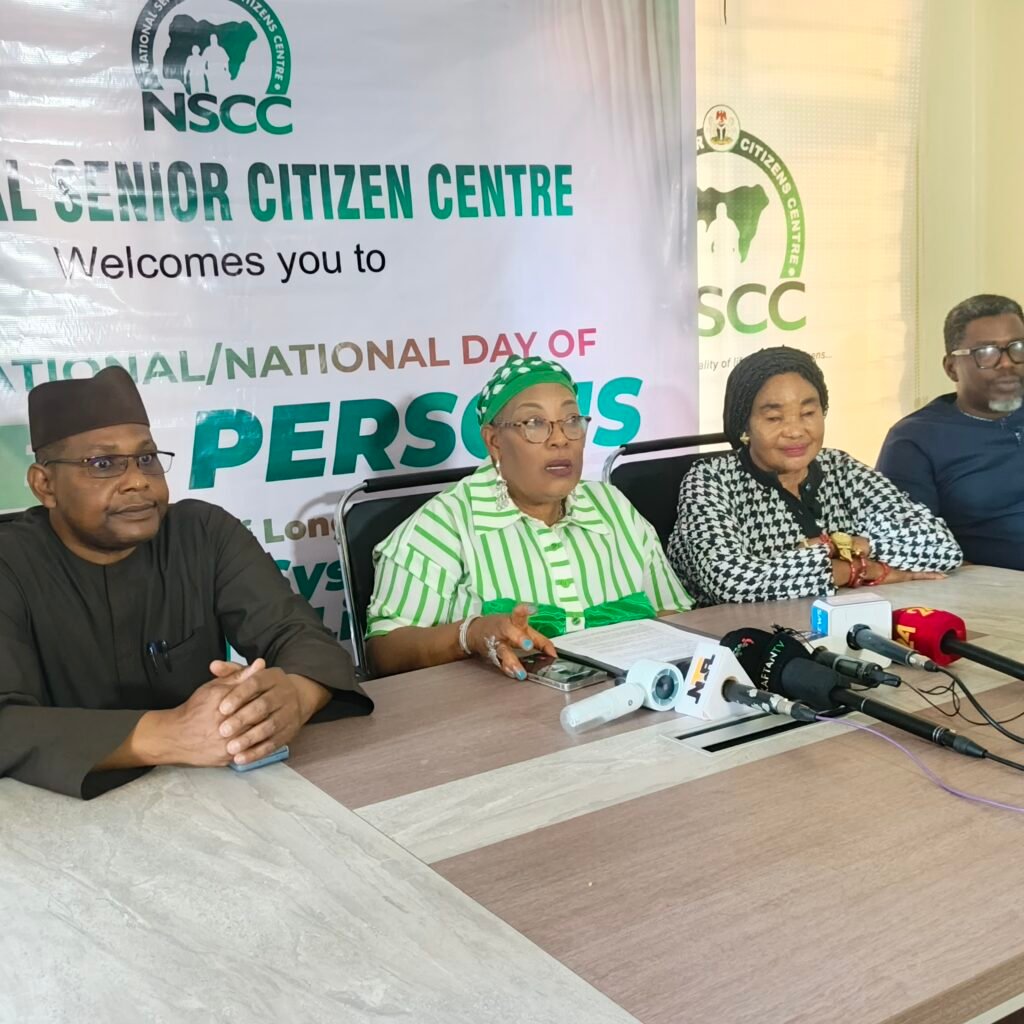
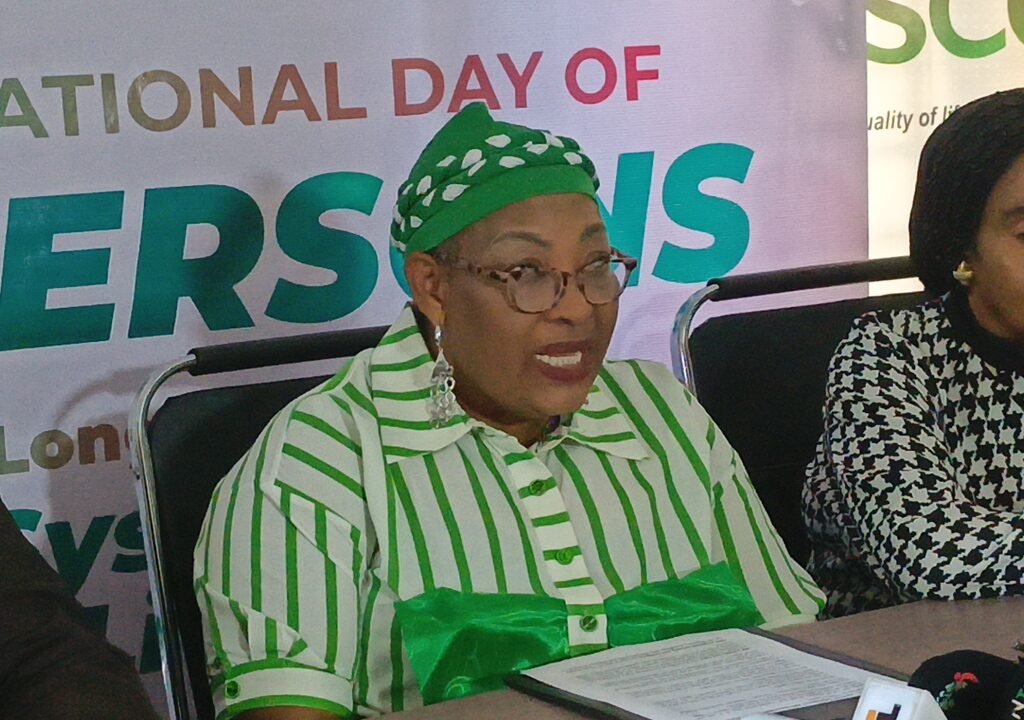
The Director-General of the NSCC, Hon. Medinat Omobolanle Akinyemi-Obe, made the call in a statement to mark the 2026 International Day of Older Persons on October 1.
The 2026 observance is themed “The Age of Longevity: Rethinking Systems for Longer Lives.”
According to Akinyemi-Obe, Nigeria is experiencing a rise in life expectancy, with the number of Nigerians aged 60 and above projected by the Centre to triple by 2050.
She said the development represents progress in areas such as healthcare and nutrition but also raises questions about whether existing systems are prepared to support people living longer.
“Longevity without dignity is not the goal,” the NSCC director-general said, highlighting challenges faced by older Nigerians, including difficulties accessing healthcare, pension delays, loneliness, abuse and age-based discrimination.
The NSCC was established by law in 2018 and inaugurated in 2021 with a mandate to promote the wellbeing and dignity of older persons in Nigeria.
Akinyemi-Obe said the Centre is working on several measures to strengthen support for senior citizens.
Healthcare and care
She said the NSCC is finalising the National Policy on Ageing and the Older Persons Care Quality Assurance Framework.
The Centre also plans to train 5,000 community caregivers and advocate the establishment of geriatric desks in Primary Health Centres across Nigeria’s 774 local government areas.
According to the NSCC, the measures are aimed at making healthcare more accessible to older persons, particularly those who have to travel long distances to receive medical attention.
Pension and financial security
The NSCC also said it is working with the National Pension Commission (PenCom), Pension Transitional Arrangement Directorate (PTAD) and state governments to address pension-related challenges.
Akinyemi-Obe said the Centre is also expanding its Continuing Engagement Bureau to create opportunities for retired but active senior citizens to continue contributing their skills and experience through mentoring, teaching and other engagements.
The Centre is further working to connect vulnerable older persons to available social protection programmes.
Making communities age-friendly
The NSCC is also calling on Nigeria’s 36 states to domesticate the Senior Citizens Act and establish State Councils on Ageing.
Akinyemi-Obe said simple changes such as ramps at hospitals, priority services and accessible public facilities could improve the daily lives of older Nigerians.
Changing attitudes towards ageing
The NSCC director-general also called for a change in how society views older persons.
She said senior citizens should not be treated only as beneficiaries of government programmes but also recognised for their contributions to families, communities and the economy.
She described older Nigerians as farmers, traders, faith leaders, grandparents and community figures whose knowledge and experience remain valuable to society.
Akinyemi-Obe also urged Nigerians to reject ageism and promote stronger relationships between younger and older generations.
Addressing senior citizens across the country, she said: “We see you. We hear you. You built this nation.”
She also called on the private sector, civil society organisations, traditional and religious leaders and the media to work with the NSCC to create an environment where Nigerians can live with dignity at every stage of life.
“The way we treat our elders today is how Nigeria will treat you tomorrow,” she told young Nigerians.
The NSCC said its broader objective is to support the development of an age-friendly Nigeria where older people can access healthcare, financial security, social protection and opportunities to remain active in society.
Credit: National Senior Citizens Centre (NSCC) — Statement by the Director-General, Hon. Medinat Omobolanle Akinyemi-Obe, to commemorate the 2026 International Day of Older Persons, October 1, 2026.