By Gabriel Ameh
The Independent National Electoral Commission (INEC) has raised a fresh warning over the potential impact of generative artificial intelligence on Nigeria’s 2027 elections, saying the threat posed by AI-driven misinformation is no longer a distant or theoretical concern.
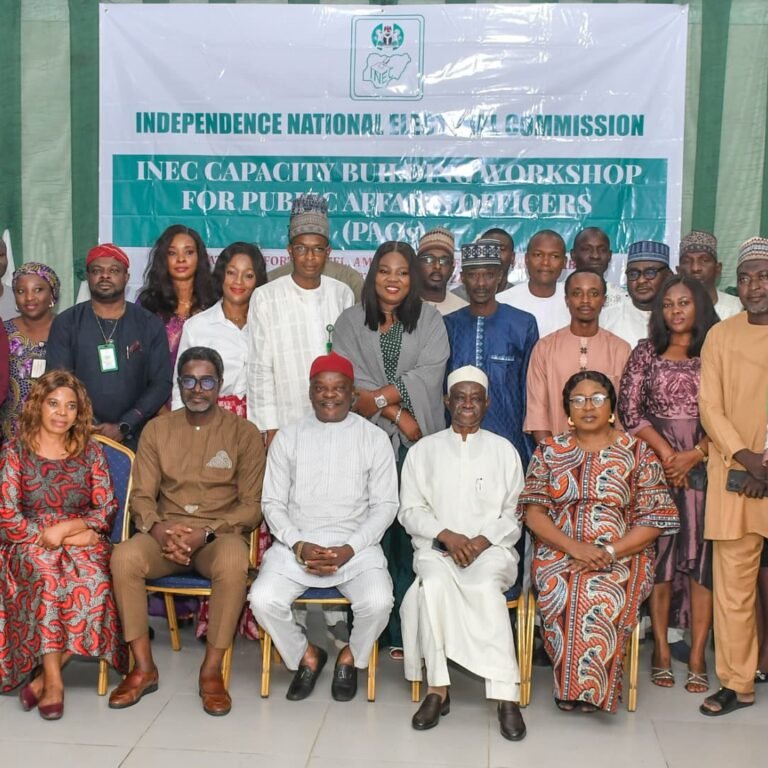
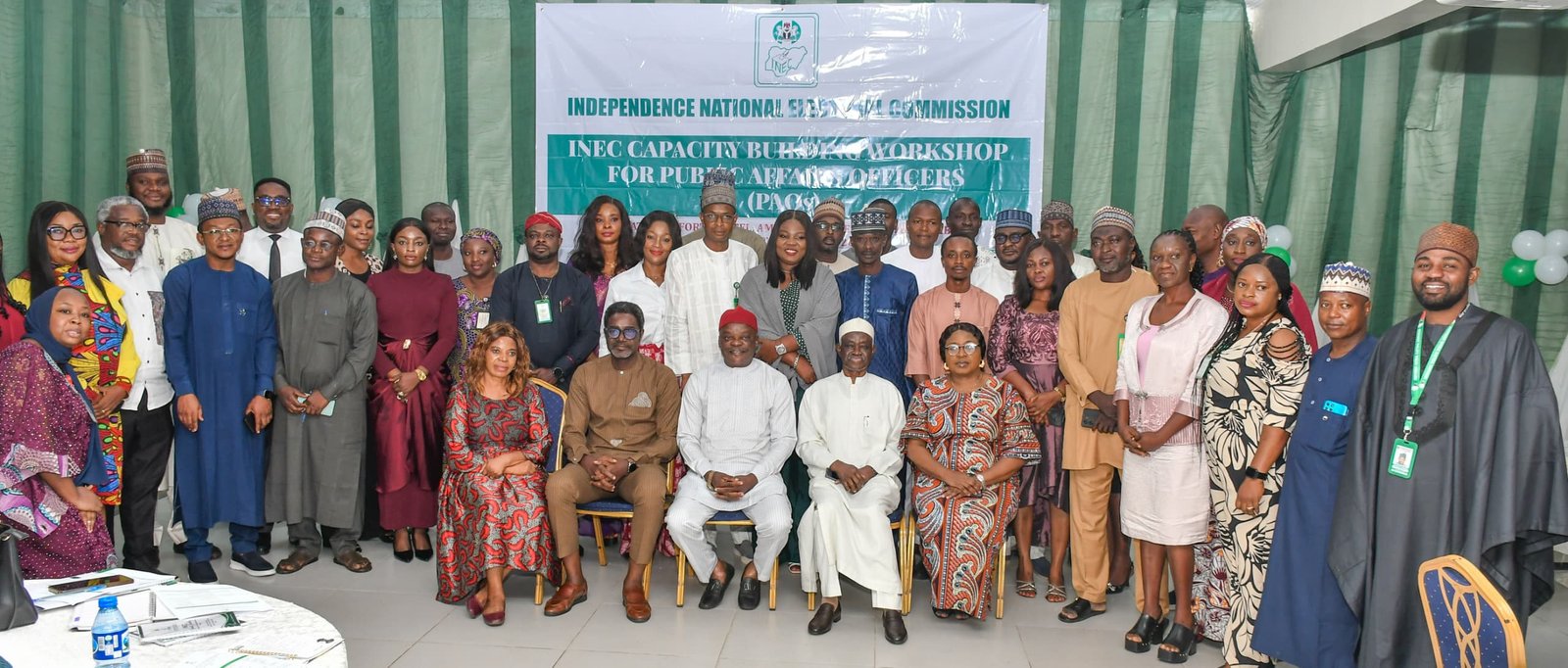
INEC National Commissioner and Chairman of its Information and Voter Education Committee (IVEC), Mohammed Kudu Haruna, gave the warning on Monday, September 21, 2026, in Abuja while opening a capacity-building workshop for Public Affairs Officers (PAOs) from across the country.
Haruna said generative AI had made it cheaper and more difficult to detect manipulated audio, videos and images.
According to him, the challenge extends beyond fabricated content, as AI tools can also be used to create highly targeted messages capable of presenting conflicting narratives to different groups of voters.
He said the development makes accurate and responsible election communication increasingly important as Nigeria prepares for the 2027 polls.
INEC’s official election calendar currently schedules the Presidential and National Assembly elections for January 16, 2027, while the Governorship and State House of Assembly elections are scheduled for February 6, 2027.
INEC trains PAOs ahead of 2027
The workshop, themed “Strengthening PAOs Capacity for Credible, Verified and Responsible Election Communication Towards 2027,” is aimed at improving the ability of INEC’s communication officers to handle emerging information challenges.
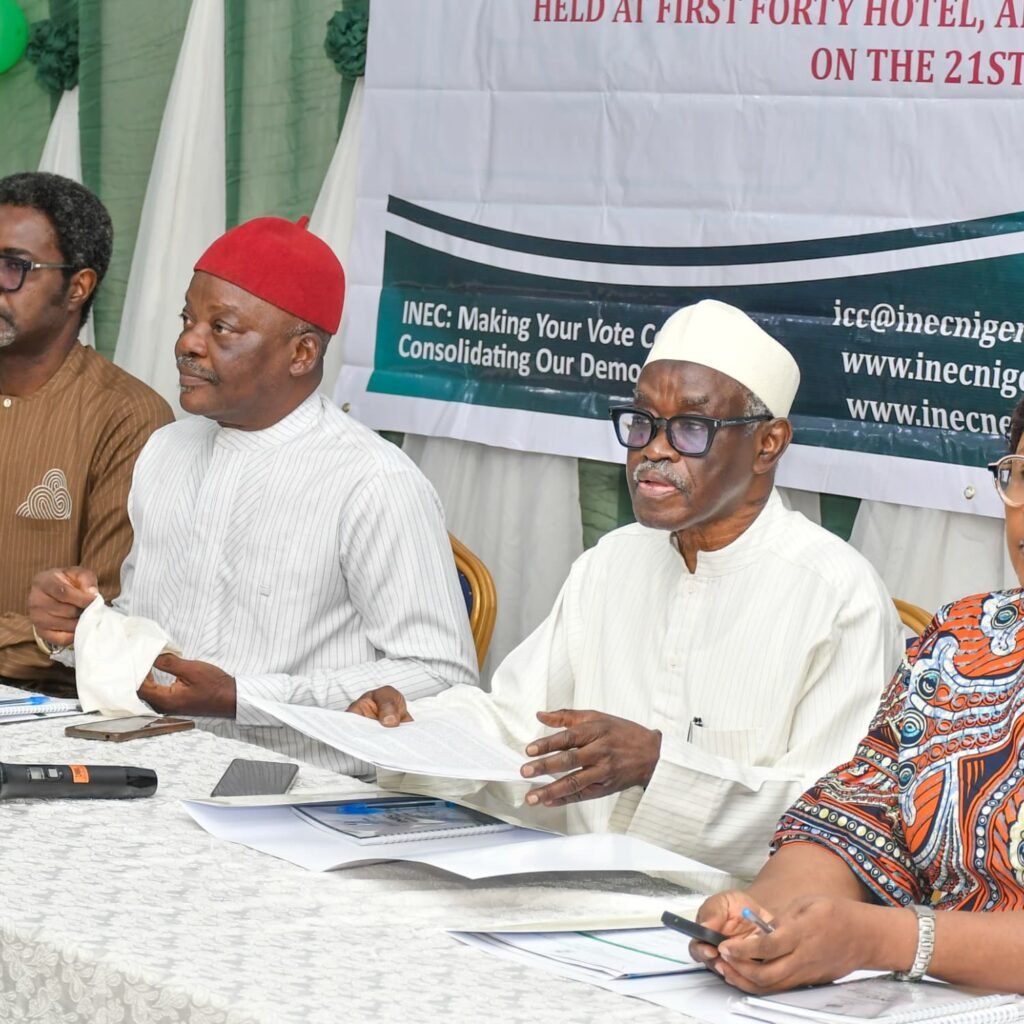
Haruna described Public Affairs Officers as the frontline communicators of the Commission in the states, stressing that the credibility of INEC’s communication depends significantly on the quality and accuracy of information they provide.
He said the training would focus on practical skills including information verification, escalation procedures and consistent communication.
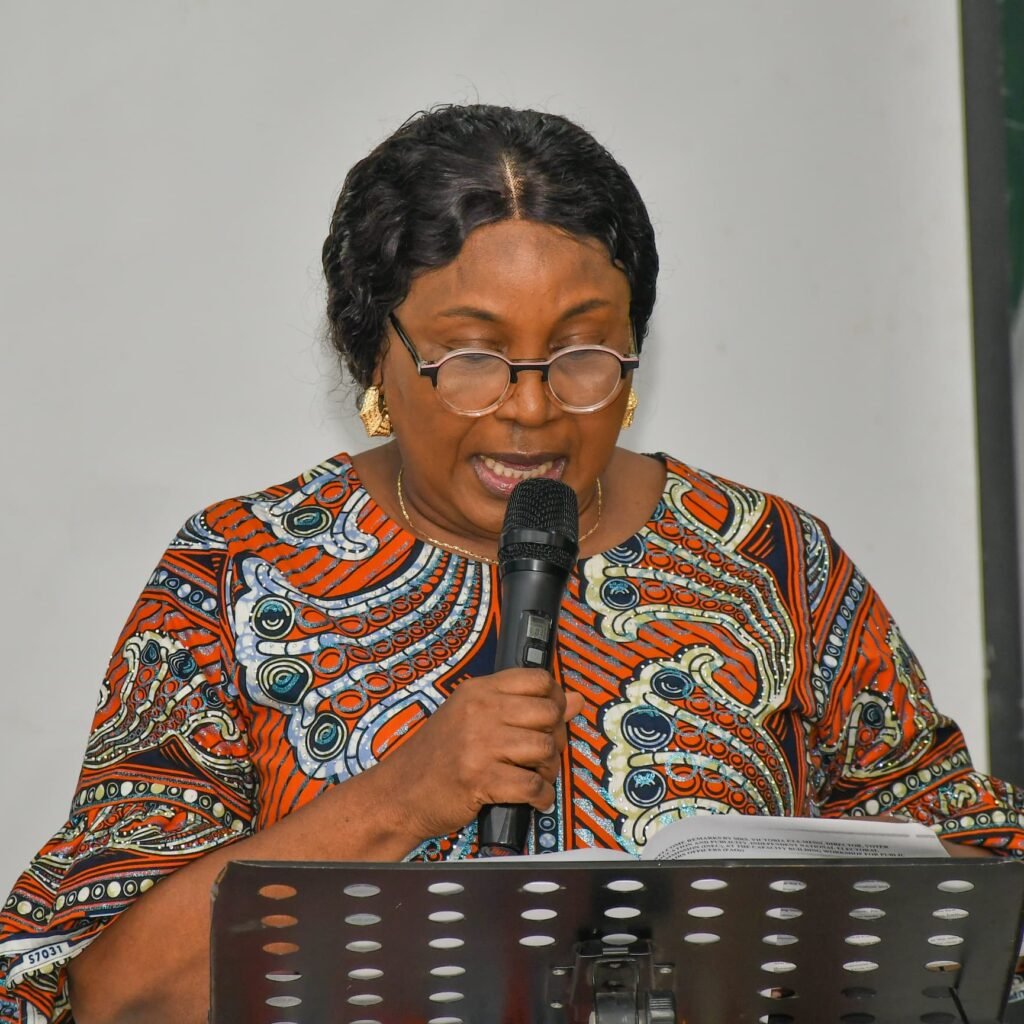
The Director of Voter Education and Publicity, Victoria Eta-Messi, said the officers play an important role in shaping how Nigerians understand INEC, its activities and the electoral process.
She noted that the Commission operates under constant public scrutiny and regularly faces attempts to misrepresent its activities and undermine public confidence.
Eta-Messi added that the workshop was not intended to be a one-off exercise, disclosing that further capacity-building programmes were at advanced stages of planning with support from development partners.
AI, misinformation and communication standards
INEC Deputy Director of Information and Publicity, Wilfred Ifogah, said the training would strengthen the day-to-day communication skills required by Public Affairs Officers.
He said participants would be trained on escalation lines between PAOs, Heads of Department, the Voter Education and Publicity Department and Resident Electoral Commissioners.
The programme will also address consistent writing for press statements, talking points and social media platforms, as well as monitoring the information environment and responding to misinformation and disinformation.
Another focus is the responsible use of artificial intelligence in communication, including its practical applications, limitations, confidentiality requirements and the need for verification.
The Commission has previously identified misinformation and disinformation as challenges requiring attention in election management. Its 2023 General Election report, for instance, records earlier capacity-building programmes for electoral communication officers that included fake news, misinformation and disinformation.
Ifogah said participants were expected to leave the workshop with a shared understanding of the standards of accuracy, consistency and professionalism required of INEC Public Affairs Officers, particularly as preparations for the 2027 elections intensify.
The workshop forms part of INEC’s broader efforts to strengthen election communication and prepare its communication personnel for an increasingly complex information environment ahead of the 2027 elections.