

By Gabriel Ameh
ABUJA — Nigeria’s National Library of Nigeria Headquarters Complex in Abuja remains unfinished 18 years after construction began, despite billions of naira committed to the project and successive interventions aimed at completing the long-delayed national infrastructure.
The project was initially awarded to Reynolds Construction Company (RCC) in 2006 at an estimated cost of N8.59 billion, with completion expected within about two years.
However, construction reportedly stalled in October 2008, leaving the project incomplete through successive administrations.
The financial obligations attached to the project have since risen sharply.
The original contract was revised to approximately N17.01 billion in 2010, while reports indicate that more than N20 billion had been spent on the project by 2024.
Despite the expenditure, assessments have placed the physical completion of the headquarters at between 44.6 per cent and 50 per cent, leaving a substantial portion of the project unfinished nearly two decades after construction commenced.

From N8.59bn Contract to Fresh N118.3bn Approval
The latest financial intervention has further raised the stakes.
In August 2026, the Federal Executive Council approved N118.309 billion for the completion of the construction works, with approximately N37 billion earmarked for furnishing.
Combined, the latest construction and furnishing requirements amount to about N155 billion.
The development means a project originally awarded for N8.59 billion has evolved into an undertaking requiring significantly higher levels of public and privately mobilised funding.
The sharp escalation has raised questions around project planning, contract variations, funding arrangements, construction delays and accountability.
N25.5bn Raised Through First Lady’s Education Fund
Another major source of funding emerged in 2025 when the First Lady, Senator Oluremi Tinubu, launched the Oluremi @65 Education Fund, with donations directed towards supporting the completion of the National Library headquarters.
The fundraising campaign reportedly generated N20.456 billion as of September 23, 2025, before the figure rose to approximately N25.520 billion when the fund closed on December 31, 2025.
The stated objective was to support the completion of the National Library project.
However, questions remain over the detailed expenditure of the funds.
There has not been a publicly available, independently verifiable naira-for-naira account showing how much of the N25.5 billion was transferred to the project, how much was paid to contractors or suppliers, what specific works were funded, and how much, if any, remains unspent.
It would therefore be premature to conclude that the entire N25.5 billion has been spent on the project. What is established from the available information is that the amount was raised for the completion of the National Library, while detailed public expenditure records remain unclear.
18 Years of Delays
The prolonged history of the project highlights the scale of the challenge.
- 2006: Original contract awarded to RCC for about N8.59 billion.
- 2008: Construction reportedly stalled.
- 2010: Contract revised to approximately N17.01 billion.
- 2013: Work was reported to have stalled after the structure reached roughly half completion.
- 2024: More than N20 billion was reportedly spent, while the project remained unfinished.
- 2025: The Oluremi @65 Education Fund was launched to support completion.
- December 2025: About N25.5 billion was reportedly raised.
- August 2026: FEC approved N118.309 billion for construction completion, alongside approximately N37 billion for furnishing.
The National Library headquarters was conceived as a major national institution for research, learning, information access and the preservation of Nigeria’s documentary heritage.
Instead, the project has become associated with prolonged delays, funding challenges, contract revisions and rising completion costs.
Government Promises Fresh Push
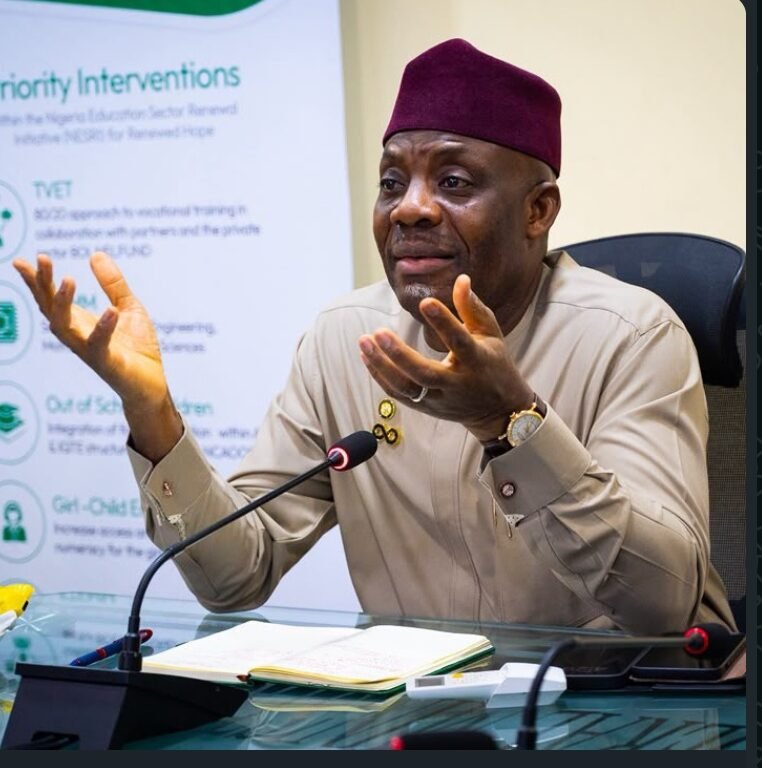
Minister of Education, Dr. Maruf Olatunji Alausa, has described the latest Federal Executive Council approval as a significant intervention to revive and complete the project.
According to the minister, President Bola Tinubu directed the mobilisation of resources for the completion of the National Library, including support from the Tertiary Education Trust Fund (TETFund).

Alausa also said the First Lady’s fundraising initiative generated about N25 billion and that the funds, alongside resources from TETFund and other sources, had strengthened the financial base for the project.
The minister expressed optimism that construction would resume fully in the coming months.
However, after years of similar promises, the key test for the latest intervention will be whether it results in sustained construction activity, transparent financial management and the eventual delivery of the completed headquarters.
Calls for Transparency
The latest funding approval has renewed questions about how the project has been managed since its commencement in 2006.
With financial commitments now running into tens and potentially hundreds of billions of naira, stakeholders and taxpayers deserve greater clarity on the project’s financial and physical status.
Key issues requiring public disclosure include the total amount spent since 2006, details of all contract variations, the current status and value of the RCC contract, expenditure from the N25.5 billion raised through the education fund, contractors and suppliers paid, the remaining balance of donated funds, the current percentage of physical completion and the expected completion date under the latest intervention.
There is also a need for clear information on the projected final cost and safeguards to prevent another cycle of abandonment.
The National Library remains an important piece of Nigeria’s educational and knowledge infrastructure. But after 18 years of delays and billions of naira in financial commitments, Nigerians are likely to judge the latest intervention not by another funding announcement, but by the completion of the building and a transparent account of the money committed to it.