ABUJA — Despite the existence of laws designed to protect Nigerians from sexual and gender-based violence (SGBV), stakeholders have raised concerns over widespread lack of awareness of legal rights among citizens and the officials responsible for enforcing them.
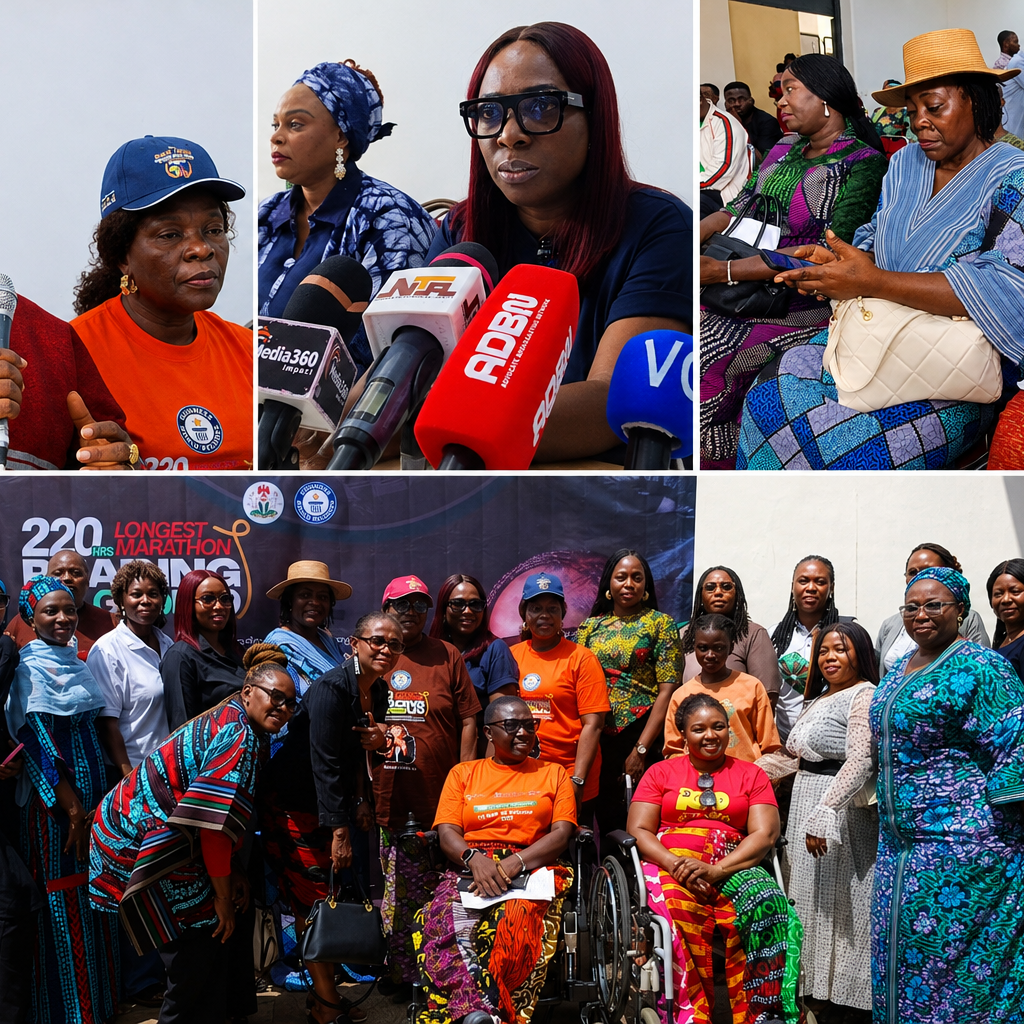
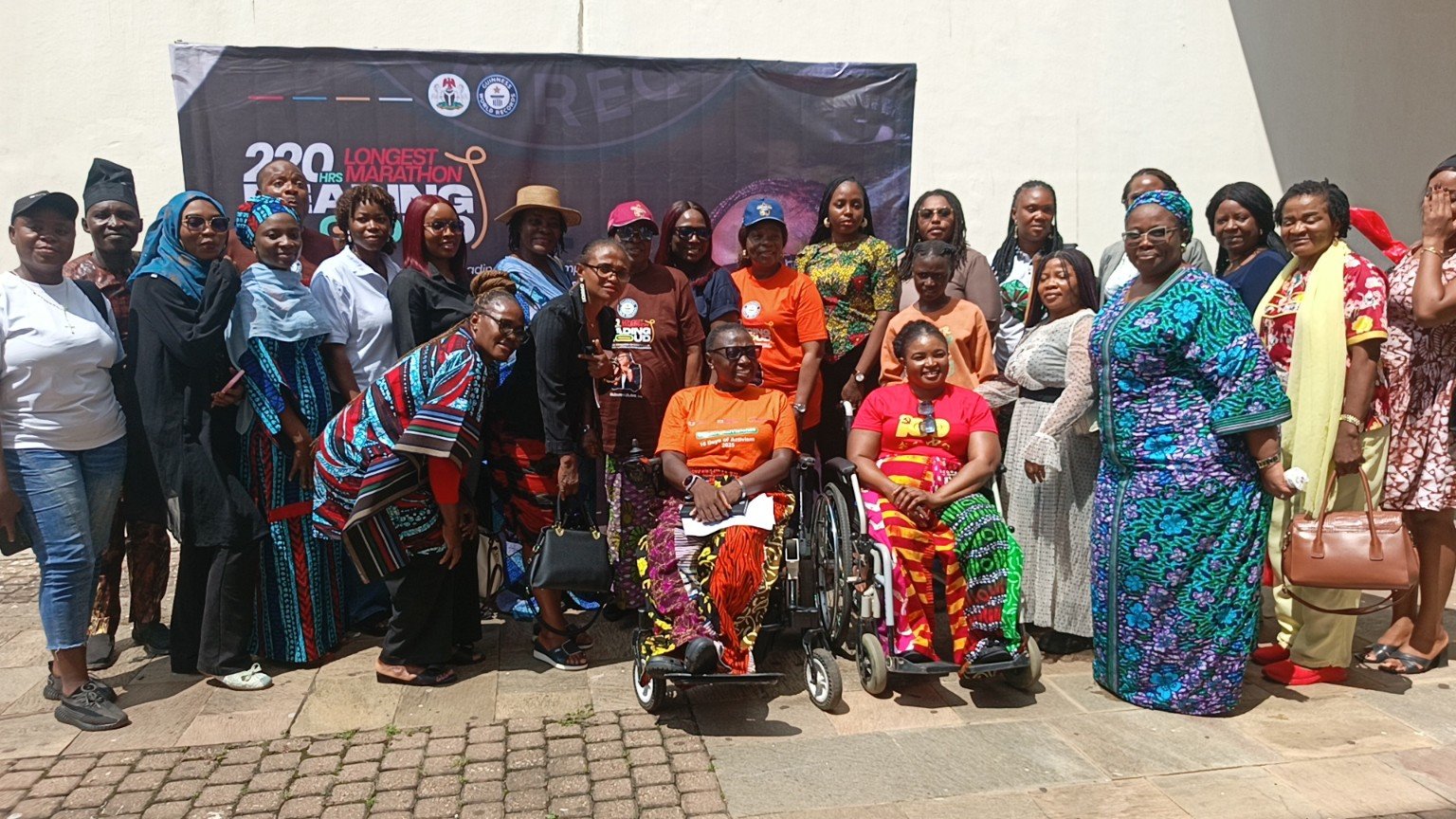
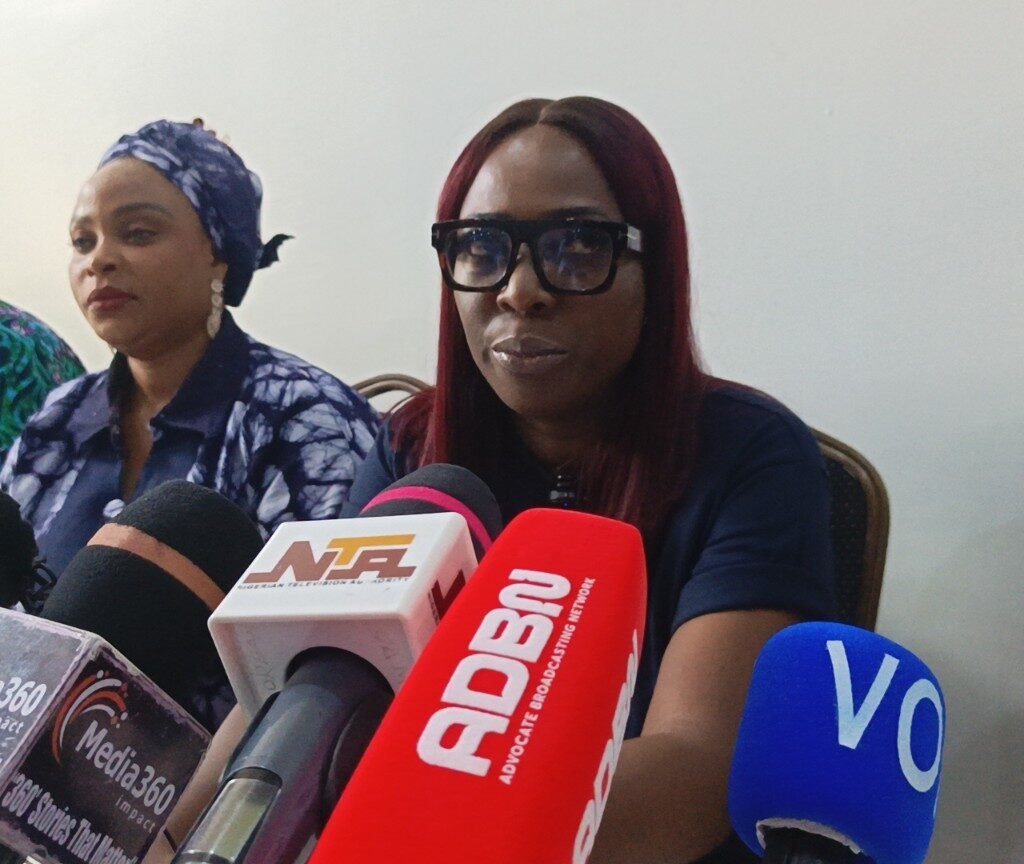
The concern emerged in Abuja during a press conference on a planned 220-hour Guinness World Record attempt focused on the public reading of SGBV laws in Nigeria and 14 other African countries.
Rather than focusing solely on the record attempt, speakers at the event emphasised the urgent need to take SGBV laws beyond government documents, legal textbooks and policy papers and make them accessible and understandable to ordinary citizens.
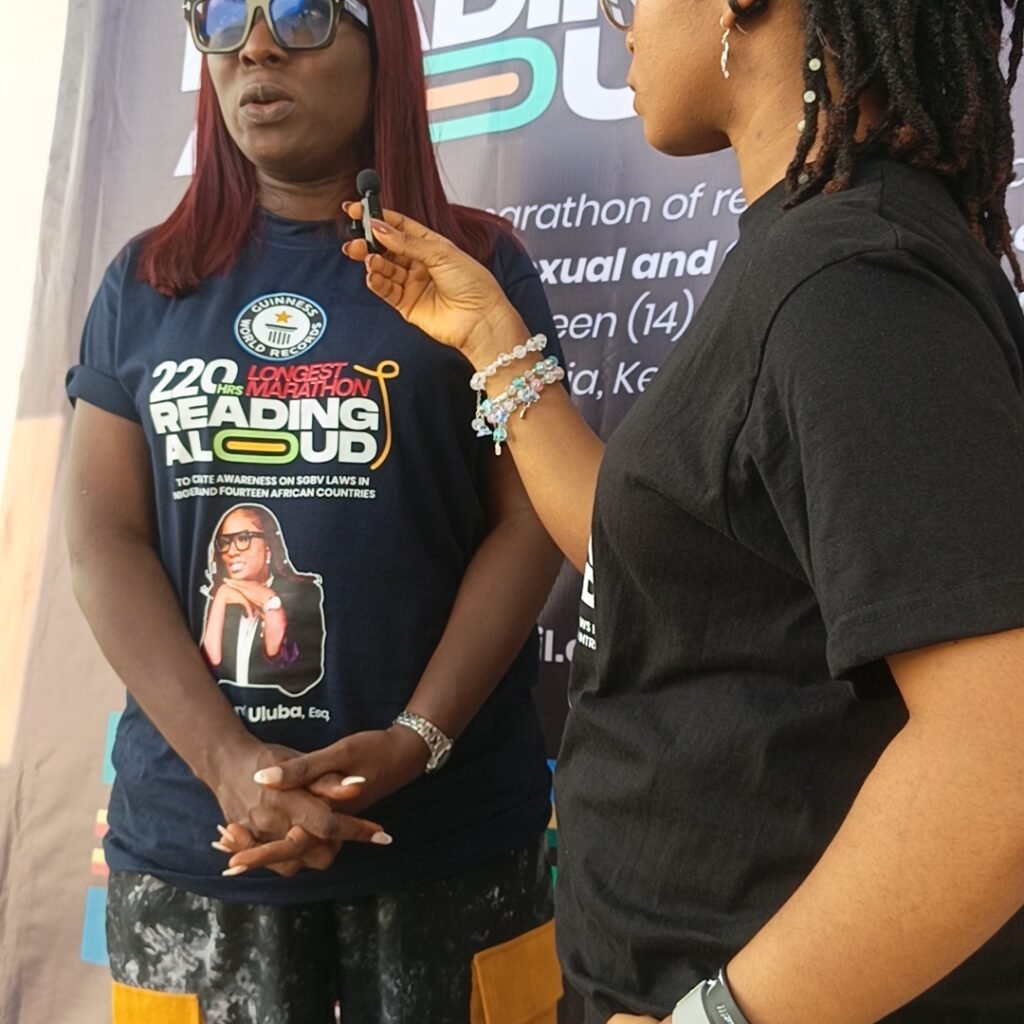
The initiative, led by lawyer Olubunmi Uluba, will examine and read aloud SGBV-related laws from Nigeria, Ghana, Cameroon, South Africa, Namibia, Rwanda, Kenya, Uganda, Zambia, Zimbabwe, Malawi, Sierra Leone, Tanzania, The Gambia and Botswana.
Uluba said the central question behind the initiative was whether citizens actually know what their SGBV laws provide, who they protect, how they should be implemented and where legal gaps exist.
She said the exercise was designed not to rank African countries but to encourage comparative learning, identify good practices and generate evidence that could contribute to policy and legislative reform.
According to her, the ultimate objective is to move from awareness to evidence and from evidence to reforms capable of improving access to justice.
‘Duty Bearers Cannot Implement Laws They Don’t Know’
Speaking at the event, Beatrice Eyong, a UN country representative, stressed that the knowledge gap extends beyond ordinary citizens to institutions responsible for implementing the law.
She noted that some citizens may not know the international conventions their countries have ratified, while officials responsible for implementation may also lack sufficient knowledge of the legal obligations attached to those commitments.
Eyong further pointed out that some international conventions and protocols have not been domesticated into national law in certain African countries, creating another layer of difficulty in translating international commitments into practical protection.
She described the 220-hour initiative as an opportunity to create wider awareness and enable African countries to learn from one another.
According to her, the campaign also challenges the perception that gender-based violence is merely a private or social matter.
Eyong said the consequences of SGBV extend to families, communities and national economies, stressing that violence against women and girls can have significant economic and social costs.
She also emphasised that SGBV is not exclusively a women’s issue, noting that men and boys can also be survivors.
From Legal Texts to Public Knowledge
For Dr Comfort A. Adukwe, Director of the Centre for Gender Studies at Nasarawa State University, Keffi, the initiative provides an opportunity to take laws out of academic and legal documents and put them directly before the public.
Adukwe said academics were accustomed to teaching, researching and documenting laws and policies, but the campaign creates an opportunity to bring those texts directly to the ears of citizens.
She argued that many people may be living under legal protections without knowing that such protections exist.
The academic said reading the laws publicly could also stimulate new research and encourage universities to investigate gaps, contradictions and best practices within SGBV legislation across African countries.
She stressed that the academic community should therefore be regarded as a key partner in the campaign, particularly in translating public awareness into sustained research and policy conversations.
Government: Awareness Must Lead to Action
Dr Abiodun Essiet, Senior Special Assistant to the President on Community Engagement, North Central, said the campaign could encourage more people to understand and make use of protections already available under Nigerian law.
Essiet, who also has a background in gender advocacy, said greater awareness could result in more survivors reporting cases and seeking justice.
She called on justice sector institutions not to be overwhelmed when more people begin coming forward with complaints, saying increased reporting should be viewed as an indication that citizens are becoming aware of their rights.
She also stressed that government intervention must go beyond legislation.
According to her, the social, cultural and religious environment in which people live must also be addressed if laws against SGBV are to have meaningful impact.
She called for traditional and religious leaders to become more familiar with SGBV laws so they can help communicate legal protections to communities.
Essiet also highlighted the importance of specialised mechanisms for handling SGBV cases, including sexual assault response structures and specialised courts.
She urged lawmakers to accelerate the review of legislation considered important to the protection of women, girls and persons with disabilities.
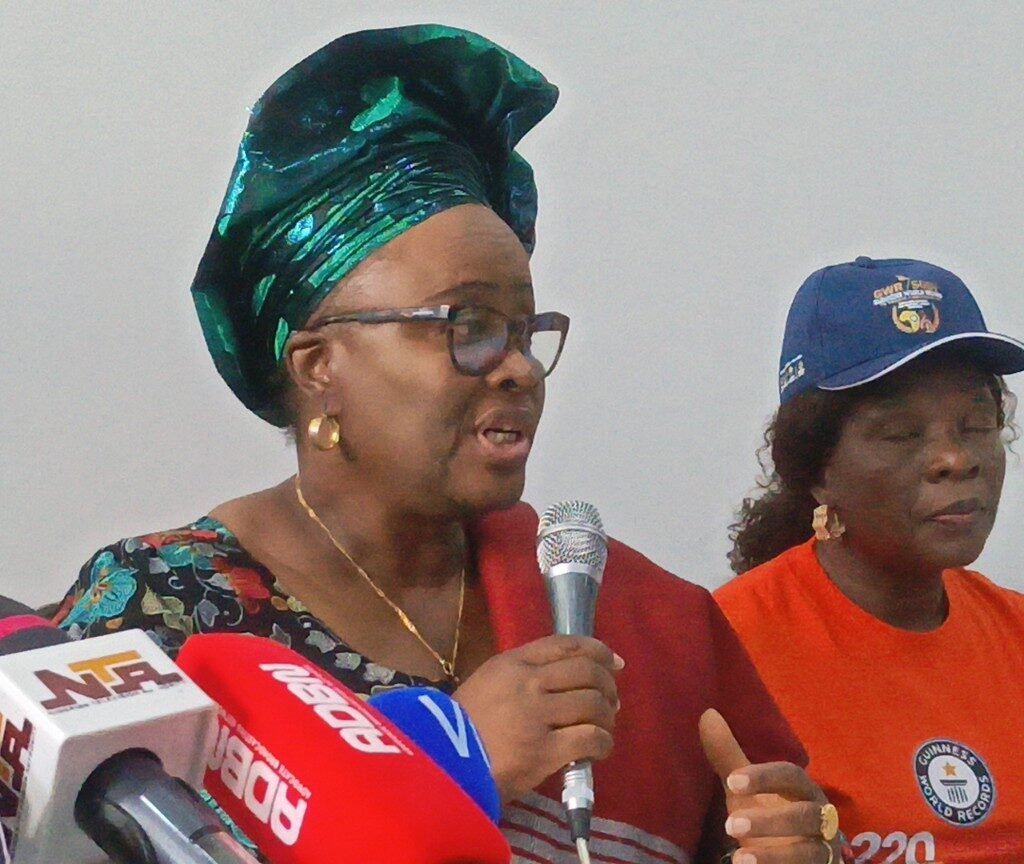
‘SGBV Is Not Just a Women’s Issue’
Stakeholders at the event repeatedly challenged the perception that SGBV is exclusively a women’s concern.
Eyong and Essiet both stressed that men and boys can also experience sexual and gender-based violence.
Essiet recounted experiences from her years of working in the gender advocacy space, including cases involving children and survivors who were abused by people they trusted.
She said such experiences demonstrate why communities must abandon victim-blaming narratives and focus instead on protection, accountability and access to justice.
The message, she said, should be clear: the circumstances surrounding a victim’s clothing, behaviour or relationship with the perpetrator should not be used to justify violence.
Pan-African Legal Learning
The initiative has also attracted support from stakeholders beyond Nigeria.
Professor Kanagie Naidoo, Acting Head of the Department of Law at the University of Zululand, South Africa, expressed solidarity with the initiative and indicated the university’s interest in having students participate.
She noted that the exercise provides an opportunity for students and academics to understand how SGBV laws operate across different African jurisdictions.
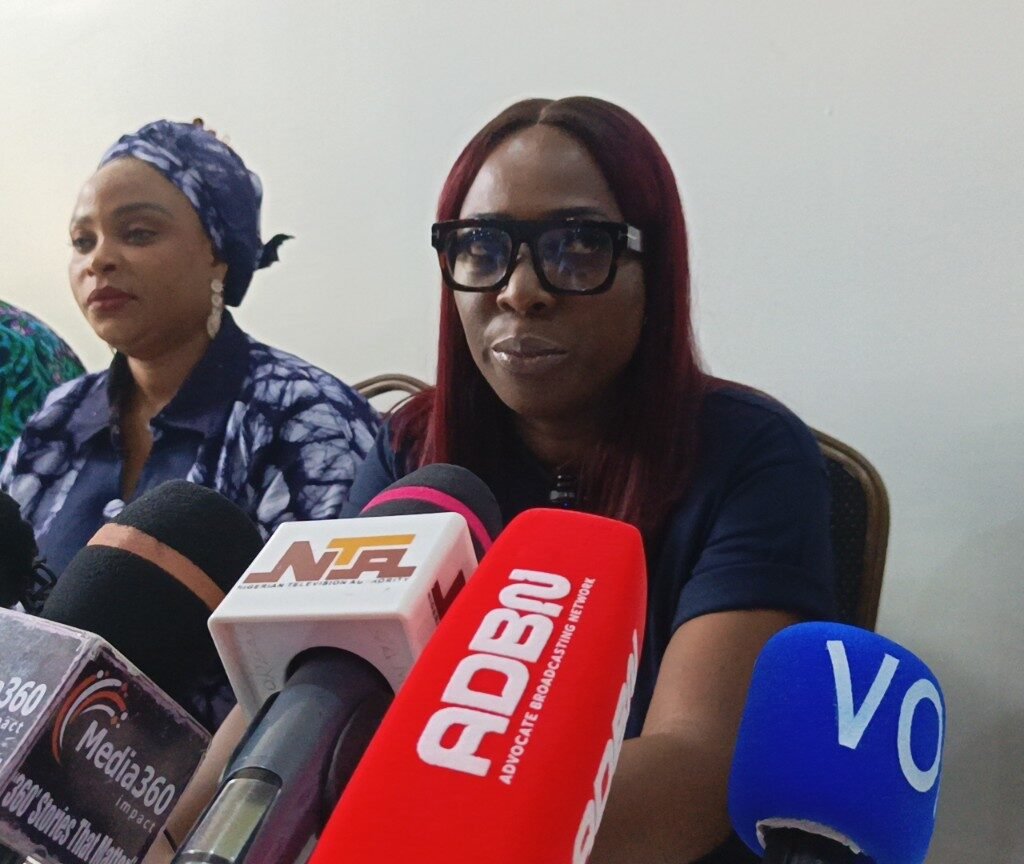
Similarly, Sandra Aseng, Executive Director of the Women of Uganda Network, highlighted the need to examine SGBV beyond the legal provisions themselves.
She stressed the importance of understanding the effects of violence on survivors and strengthening existing strategies for prevention and response.
Beyond a Guinness Record
The organisers insist that the proposed 220-hour marathon should not be judged solely by whether a Guinness World Record is achieved.
The broader objective is to use the global attention generated by the attempt to improve legal literacy, encourage reporting, strengthen institutional accountability and stimulate conversations around reform.
For supporters of the initiative, knowing that a law exists is only the beginning. Citizens must understand what the law guarantees, institutions must know their responsibilities, and survivors must know where and how to seek help.
The campaign’s message therefore extends beyond the record attempt:
Know the law. Break the silence. End SGBV. Protect every life.
With the proposed reading covering laws from 15 African countries, organisers hope the initiative will create a continental conversation on legal awareness, implementation and access to justice — beginning in Nigeria but extending across Africa.