
By Gabriel Ameh
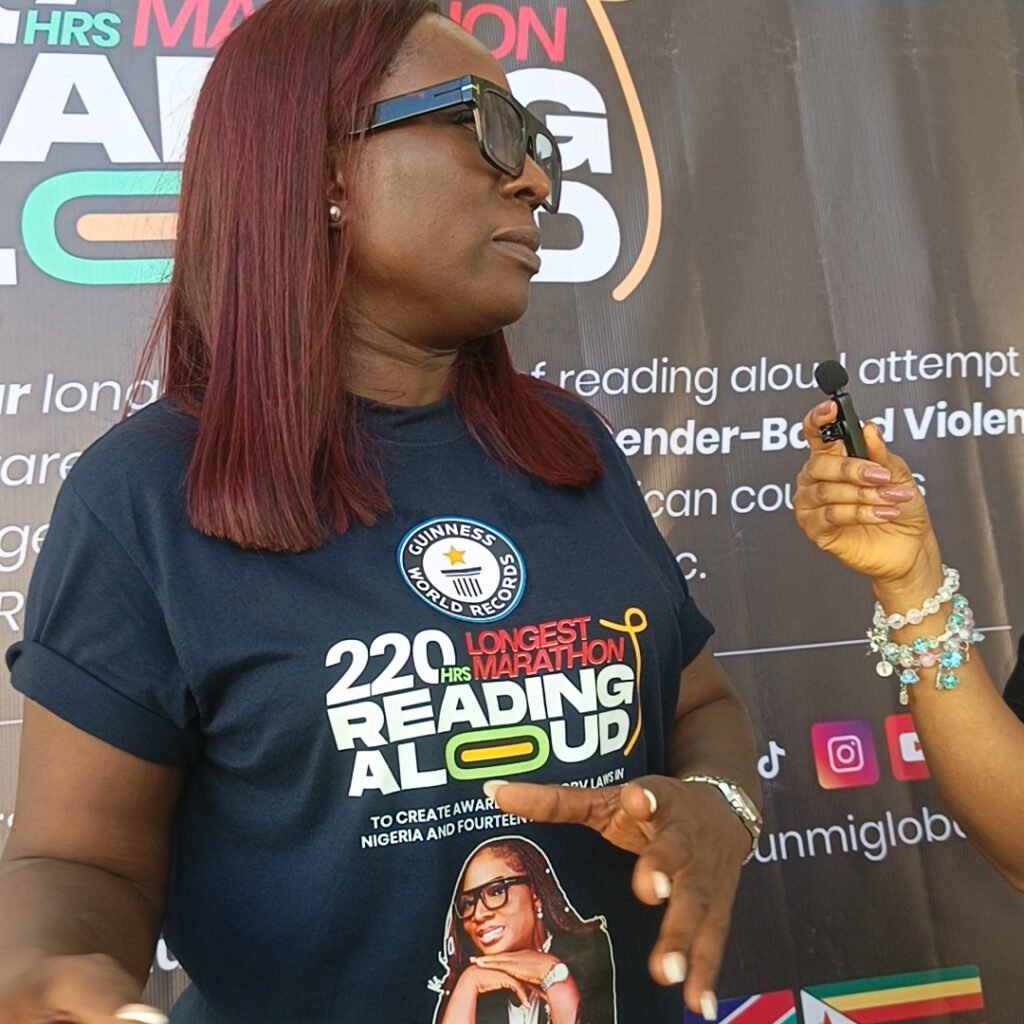
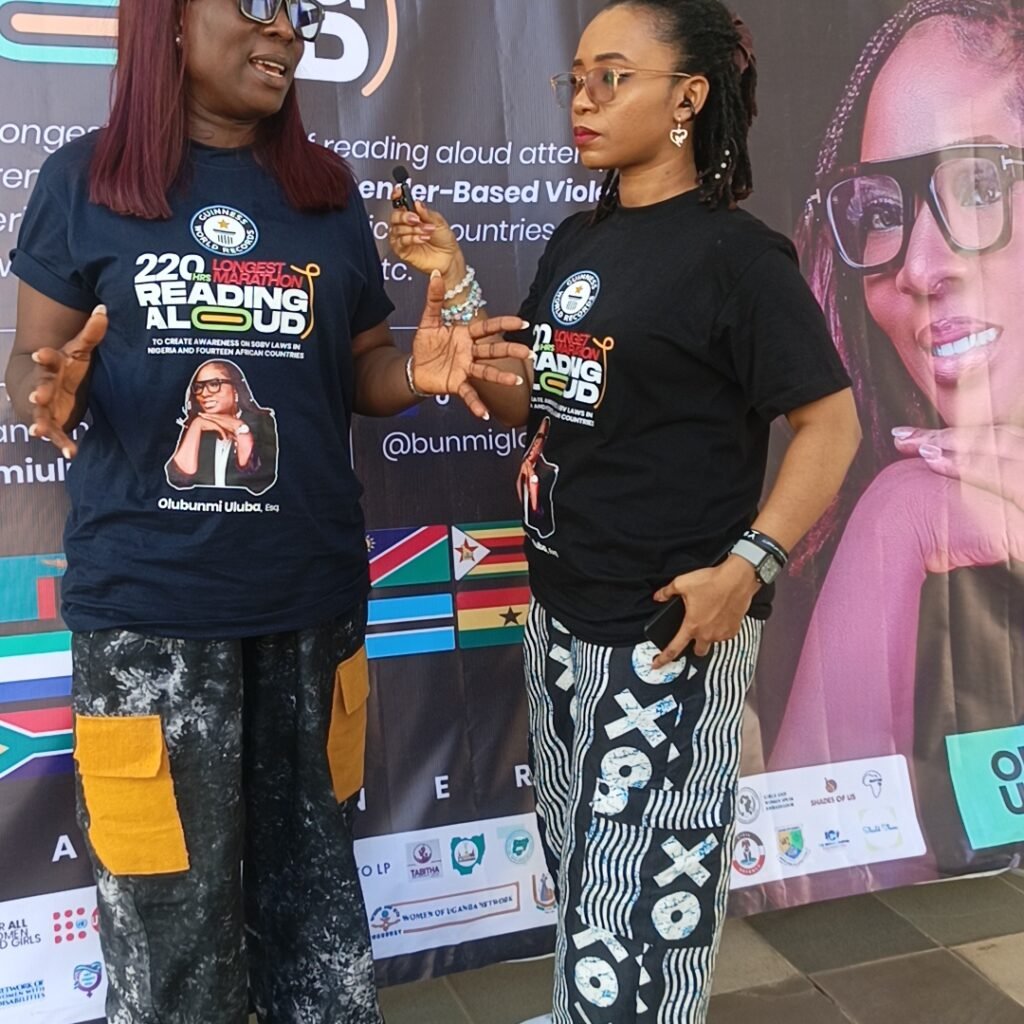
ABUJA — A 220-hour Guinness World Record attempt aimed at raising awareness of sexual and gender-based violence (SGBV) laws across Nigeria and 14 other African countries has been unveiled as a platform for legal awareness, advocacy and policy reform.
The initiative, led by lawyer Olubunmi Uluba, seeks to use the record attempt to draw public attention to existing SGBV laws, survivors’ rights, access to justice and gaps in the implementation of legal protections across the continent.
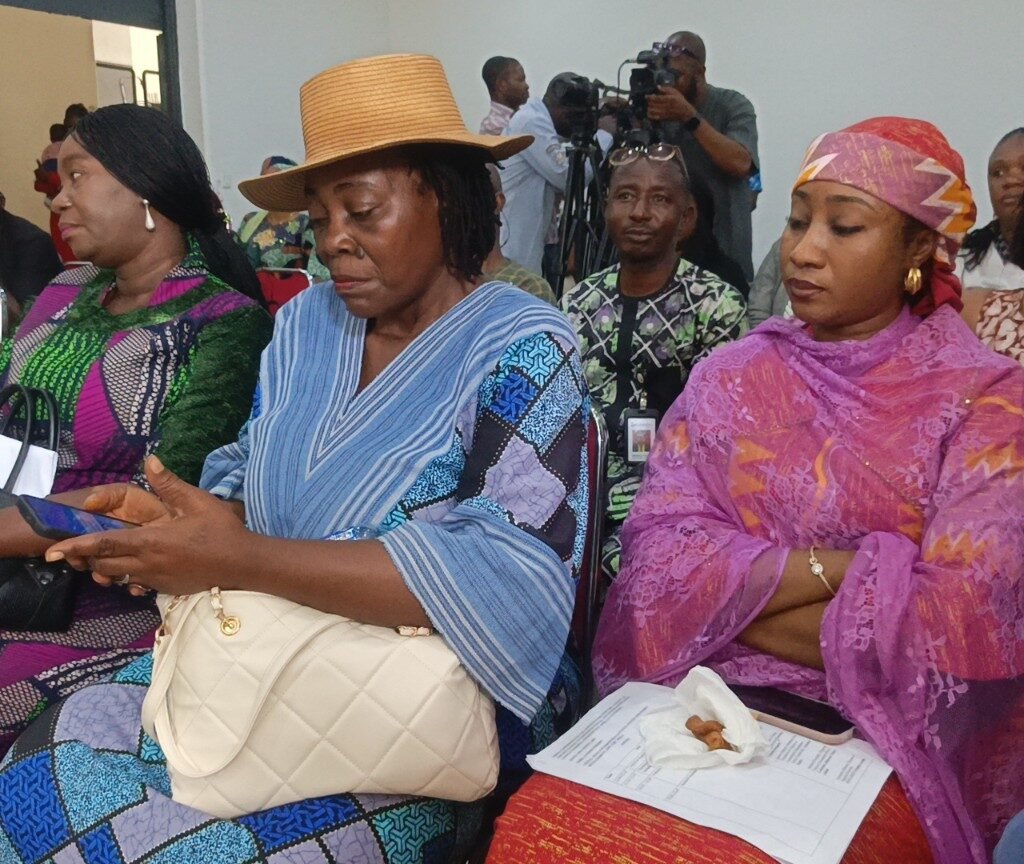
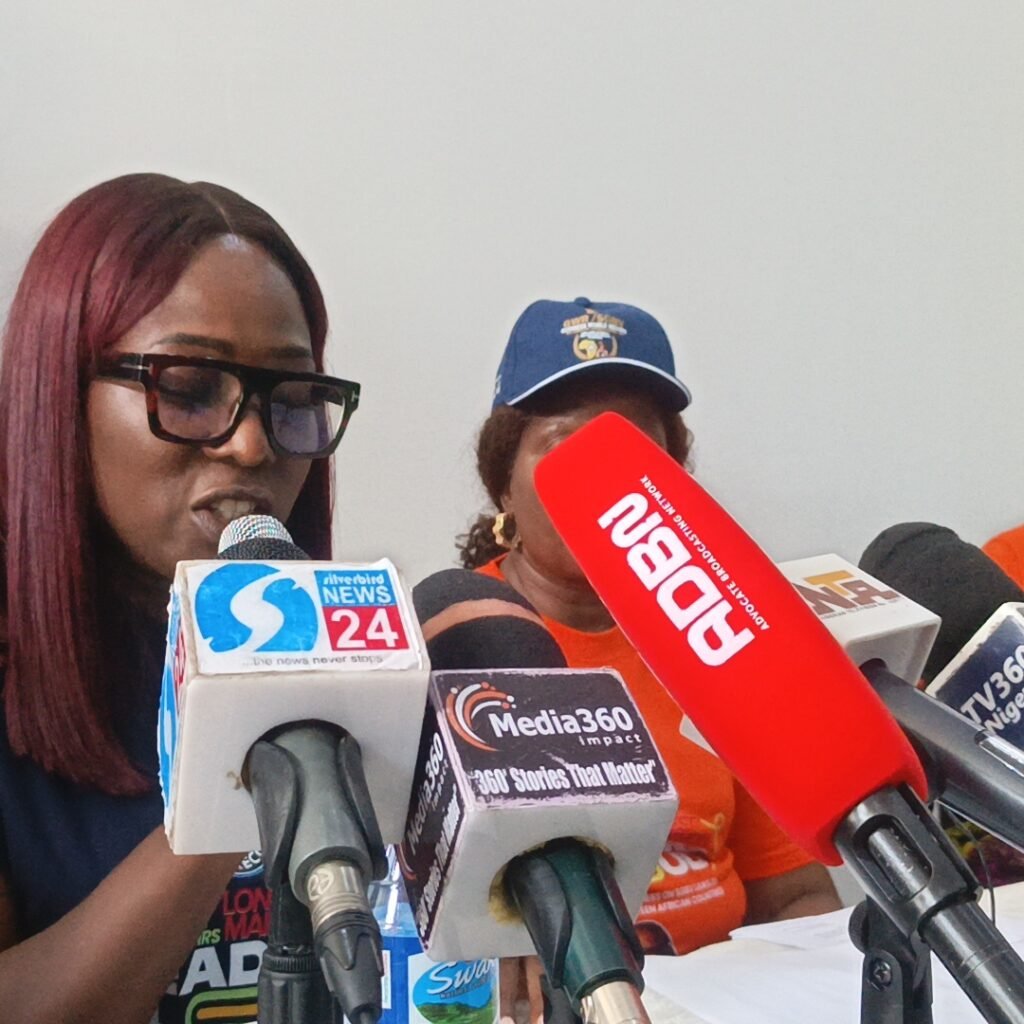
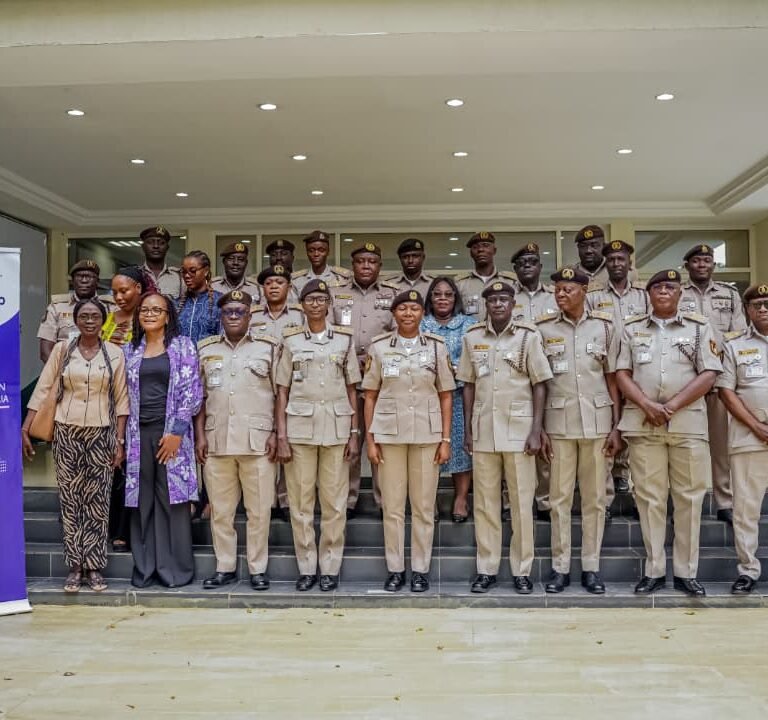
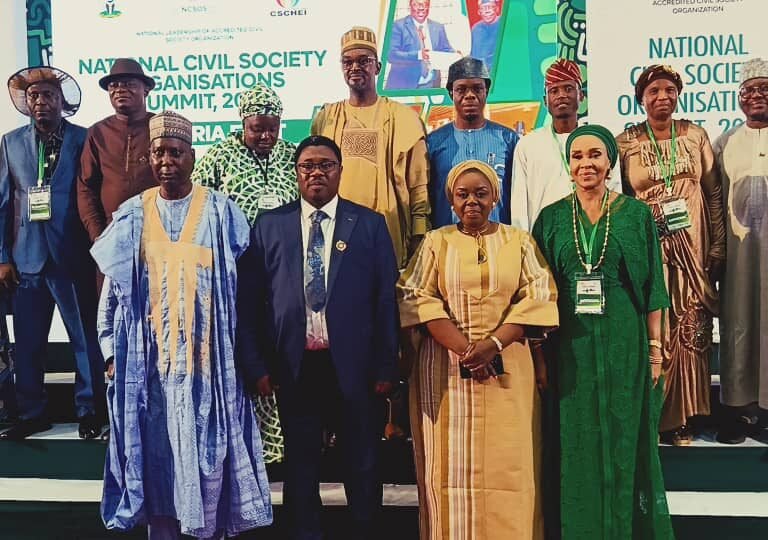
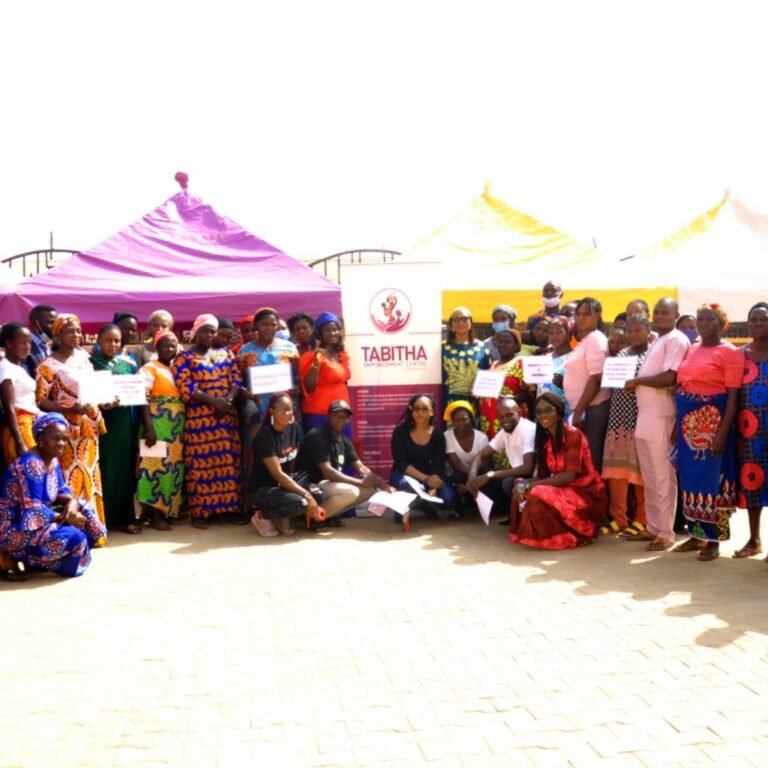
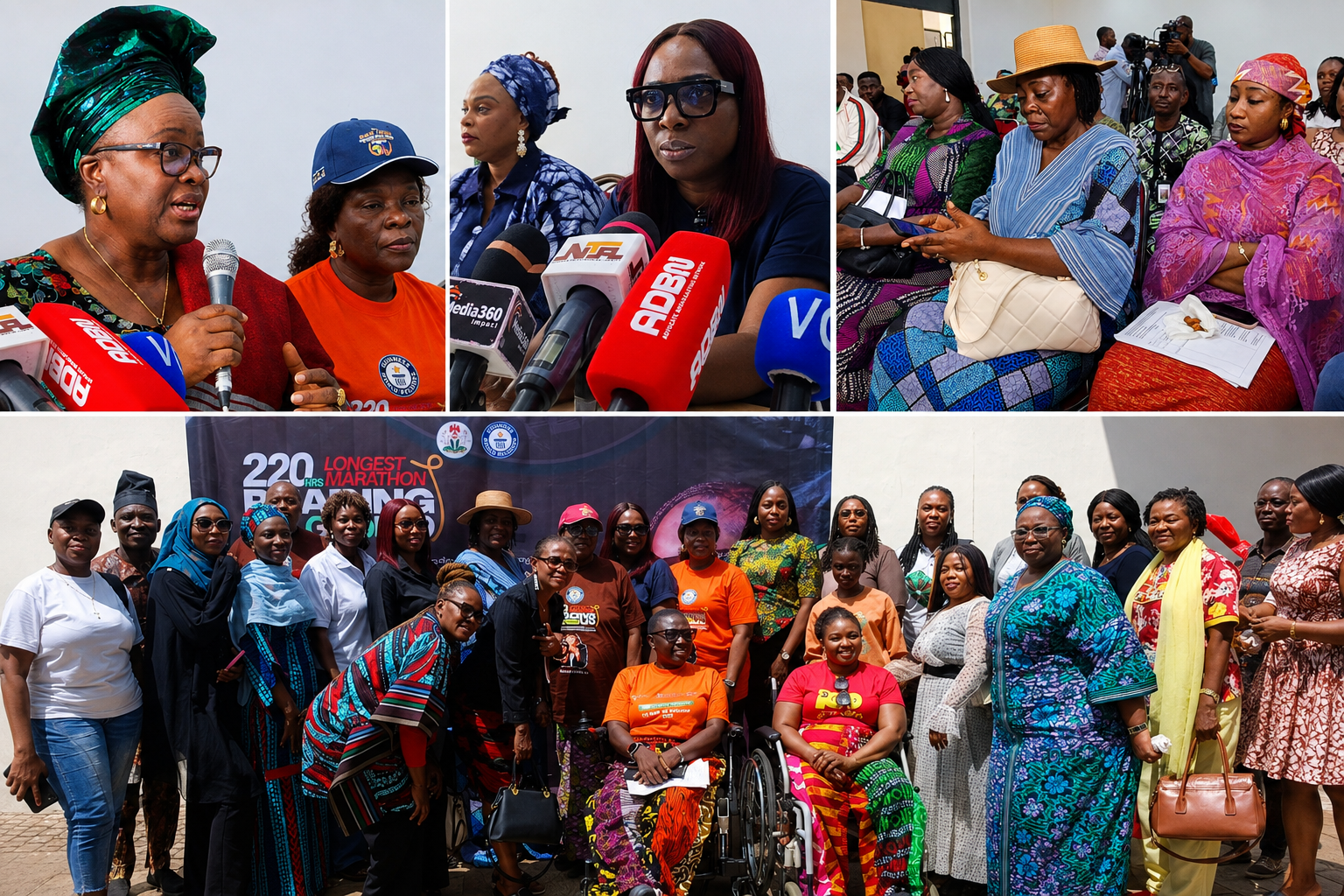
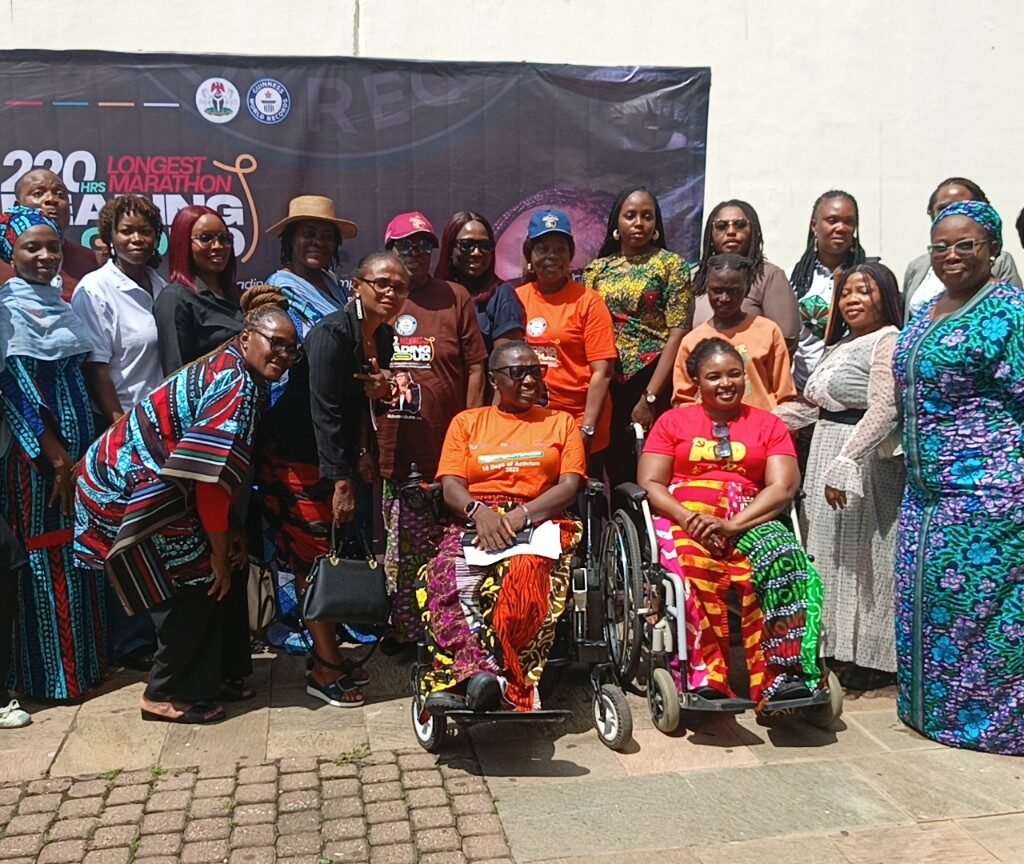
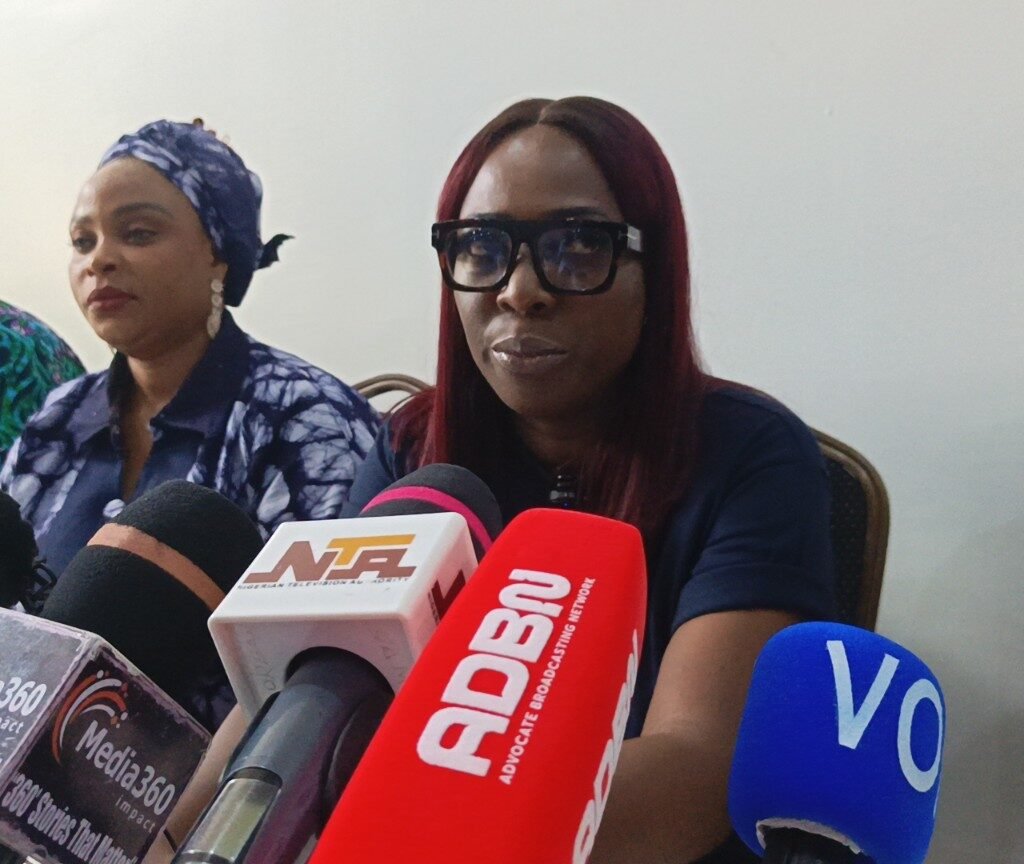
The initiative was presented during a press conference held at the Maryam Babangida Women Development Centre in Abuja, where government representatives, academics, civil society organisations, advocates, development partners and members of the media expressed support for the campaign.
The 220-hour marathon will focus on reading aloud SGBV laws from 15 African countries — Nigeria, Ghana, Cameroon, South Africa, Namibia, Rwanda, Kenya, Uganda, Zambia, Zimbabwe, Malawi, Sierra Leone, Tanzania, The Gambia and Botswana.
According to Uluba, the objective is not to rank the countries or their legal systems but to encourage comparative learning and identify areas where legal frameworks, implementation mechanisms and access to justice can be strengthened.
She said the Guinness World Record platform would provide international visibility, but stressed that the ultimate objective is to generate lasting impact through greater legal awareness, evidence-based recommendations and legislative reform.
“The Guinness World Record gives us visibility. But visibility is not the destination. Impact is the destination,” Uluba said.
She explained that the initiative would examine how participating countries define and address SGBV, the protections available to survivors, institutional responsibilities, access to justice and areas where legal frameworks could be improved.
The initiative is also expected to continue beyond the record attempt through a post-dialogue process designed to sustain comparative research, stakeholder engagement and the development of practical policy and legislative recommendations.
‘People Cannot Implement Laws They Do Not Know’
Speaking in support of the initiative, Beatrice Eyong, a UN country representative, said legal awareness was essential not only for citizens but also for government institutions and other duty bearers responsible for implementing laws.
Eyong noted that some international conventions and protocols may not have been domesticated into national laws in some African countries, creating additional challenges around implementation.
She described the marathon as an opportunity for African countries to learn from one another and identify good practices in addressing SGBV.
According to her, the fight against gender-based violence should not be treated simply as a social or private matter because of its wider consequences for families, communities and national economies.
Eyong also stressed that SGBV affects both women and men and called for broader public understanding of the issue.
CWEENS Backs Initiative
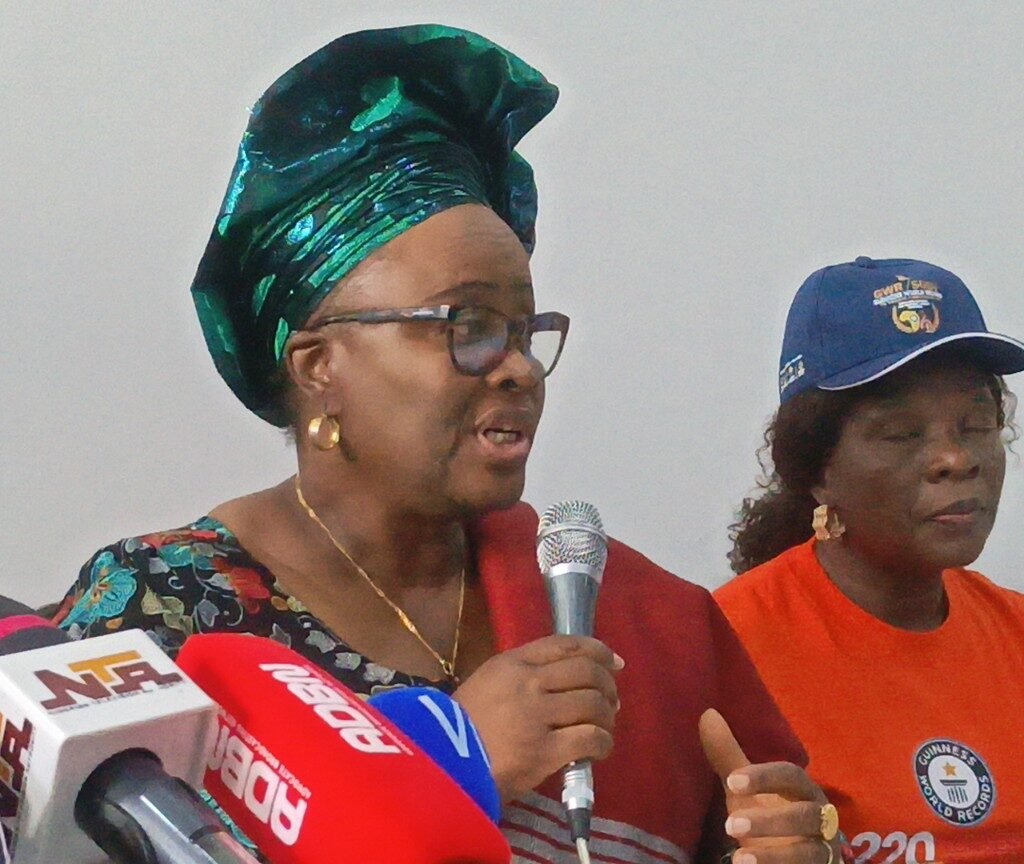
In her welcome remarks, Pastor Deborah Life-Alegbemi, State Coordinator of the Christian Women for Excellence and Empowerment in Nigerian Society (CWEENS) and Secretary of the FCT SGBV Response Team, described the initiative as an opportunity to bring legal provisions out of official documents and into public consciousness.
She said legal knowledge was critical to empowerment, prevention, access to justice and accountability.
“We are reading the law so that people can know the law. We are knowing the law so that people can demand justice,” Life-Alegbemi said.
She urged government institutions, the judiciary, law enforcement agencies, civil society organisations, development partners, traditional and religious leaders, professional bodies, women and youth organisations, human rights defenders and survivor advocates to support the initiative.
She said the ultimate measure of the campaign should go beyond the number of hours read or whether a record is achieved, stressing that its real value would be measured by its impact on people, institutions and communities.
The campaign’s message, she said, is: “Know the Law. Break the Silence. End SGBV. Protect Every Life.”
Academic Community Sees Opportunity for Research
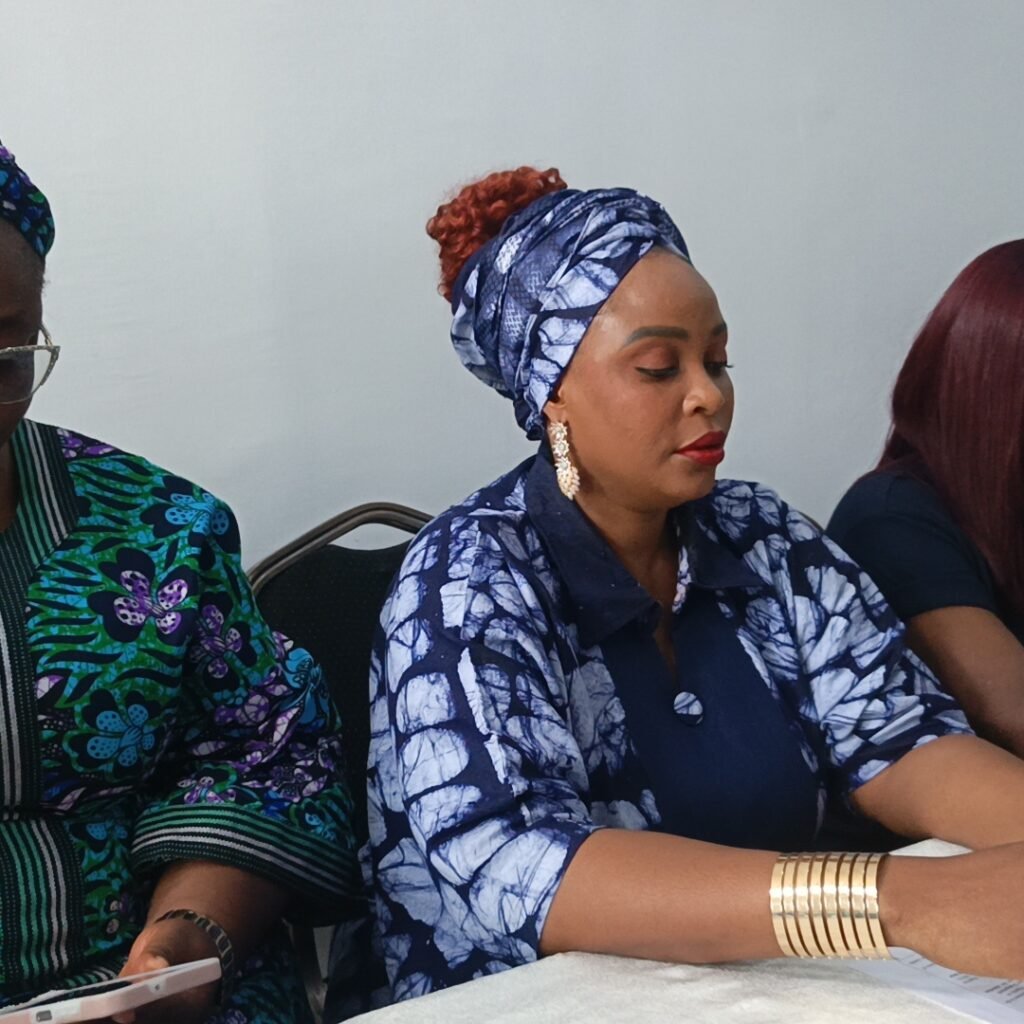
Dr Comfort A. Adukwe, Director of the Centre for Gender Studies at Nasarawa State University, Keffi, said the academic community had an important role to play in translating legal texts into public knowledge.
Adukwe said laws and policies often remain within textbooks, legal documents and academic research, making initiatives that bring them directly to the public particularly important.
She said reading the laws aloud could stimulate further research, academic conversations and deeper examination of gaps and best practices across different jurisdictions.
She added that the initiative could also strengthen the connection between gender studies, legal research, advocacy and public awareness.
Government Promises Stronger Awareness and Implementation
Dr Abiodun Essiet, Senior Special Assistant to the President on Community Engagement, North Central, and a gender activist, commended Uluba for undertaking the record attempt.
Essiet said the initiative could help citizens understand the protections already contained in Nigerian law and encourage survivors and other victims of abuse to seek appropriate support and justice.
She also highlighted the importance of involving traditional and religious leaders in SGBV awareness, noting that cultural, social and religious influences can shape how women, girls, men and boys experience violence and respond to it.
According to her, Nigeria has continued to strengthen its response mechanisms, including sexual assault referral and response structures, specialised courts and other support systems.
She called for greater attention to the implementation and review of laws affecting women, girls and persons with disabilities, while encouraging the National Assembly to expedite necessary legislative reforms.
Essiet stressed that SGBV is not exclusively a women’s issue, noting that boys and men can also become survivors.
Pan-African Solidarity
The initiative has also received expressions of solidarity from academics and civil society actors outside Nigeria.
Professor Kanagie Naidoo, Acting Head of the Department of Law at the University of Zululand in South Africa, expressed the university’s support for the initiative and indicated interest in having students participate in the process.
The initiative’s continental dimension, she noted, creates an opportunity to move beyond individual national laws and encourage greater understanding of how SGBV legislation operates across different African jurisdictions.
Similarly, Sandra Aseng, Executive Director of the Women of Uganda Network, was described as expressing solidarity with the initiative while emphasising the need to look beyond legal texts to the broader social impact of gender-based violence on survivors and communities.
She stressed the importance of strengthening existing strategies for preventing and responding to SGBV.
Beyond the Record
Organisers say the 220-hour marathon is intended to serve as more than a Guinness World Record attempt.
By placing SGBV laws from 15 African countries at the centre of a sustained public conversation, the initiative seeks to encourage citizens to understand their rights, empower survivors, improve institutional accountability and stimulate evidence-based discussions around legal reform.
The campaign begins in Nigeria but is designed to create a wider continental conversation about sexual and gender-based violence, legal protection and access to justice.
For the organisers and supporters, the record itself is only one milestone. The broader ambition is to transform legal awareness into knowledge, knowledge into evidence, and evidence into meaningful policy and legislative action across Africa.