
0-0x0-0-0-{}-0-0#
By Media360Impact | Abuja
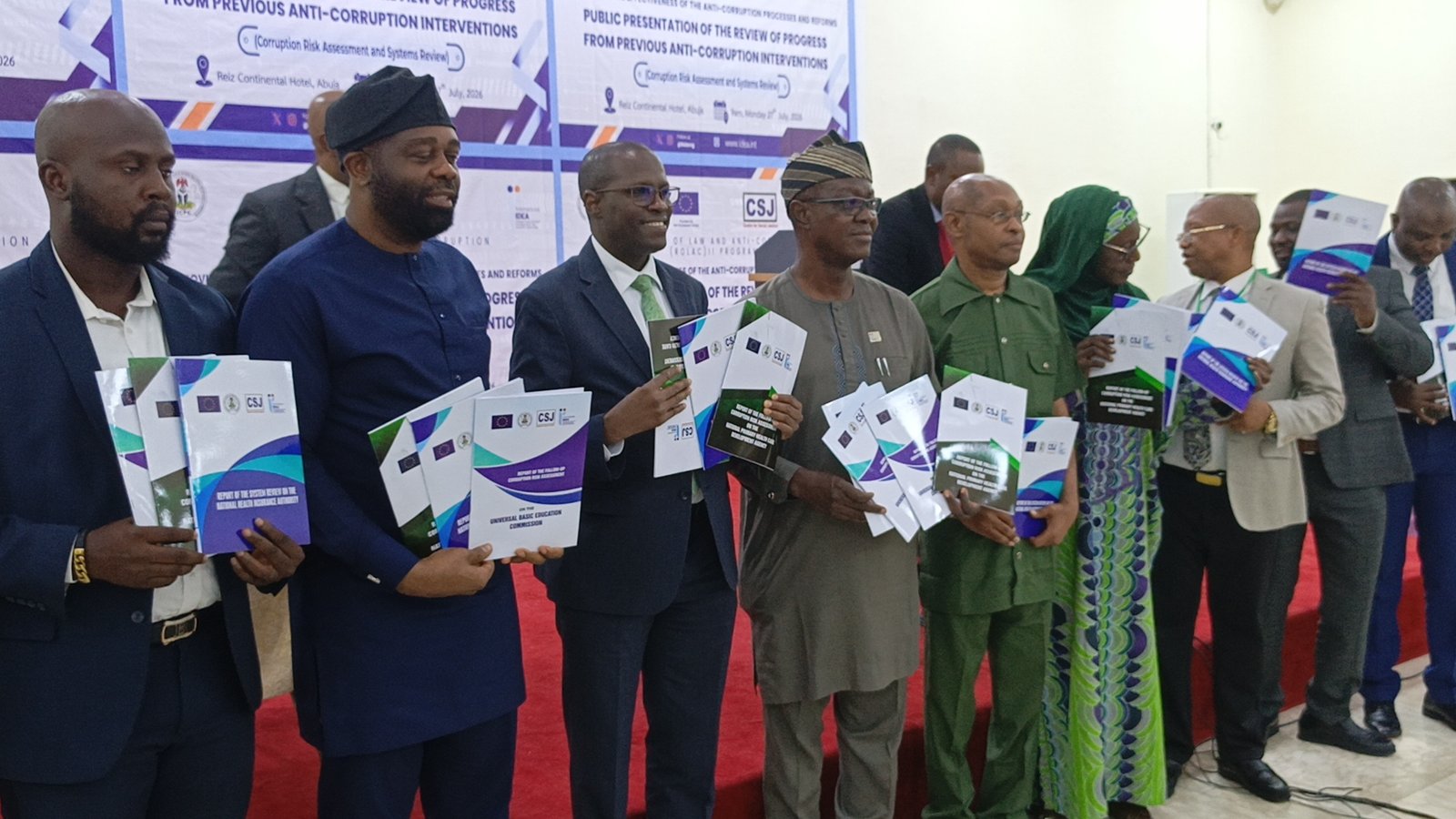
The Independent Corrupt Practices and Other Related Offences Commission (ICPC) has reaffirmed its commitment to preventing corruption by unveiling follow-up reports assessing anti-corruption reforms in three key public institutions responsible for healthcare and education in Nigeria.
The reports, presented in Abuja on Monday, reviewed the implementation of earlier recommendations made to the National Health Insurance Authority (NHIA), the National Primary Health Care Development Agency (NPHCDA), and the Universal Basic Education Commission (UBEC), including selected State Universal Basic Education Boards (SUBEBs).
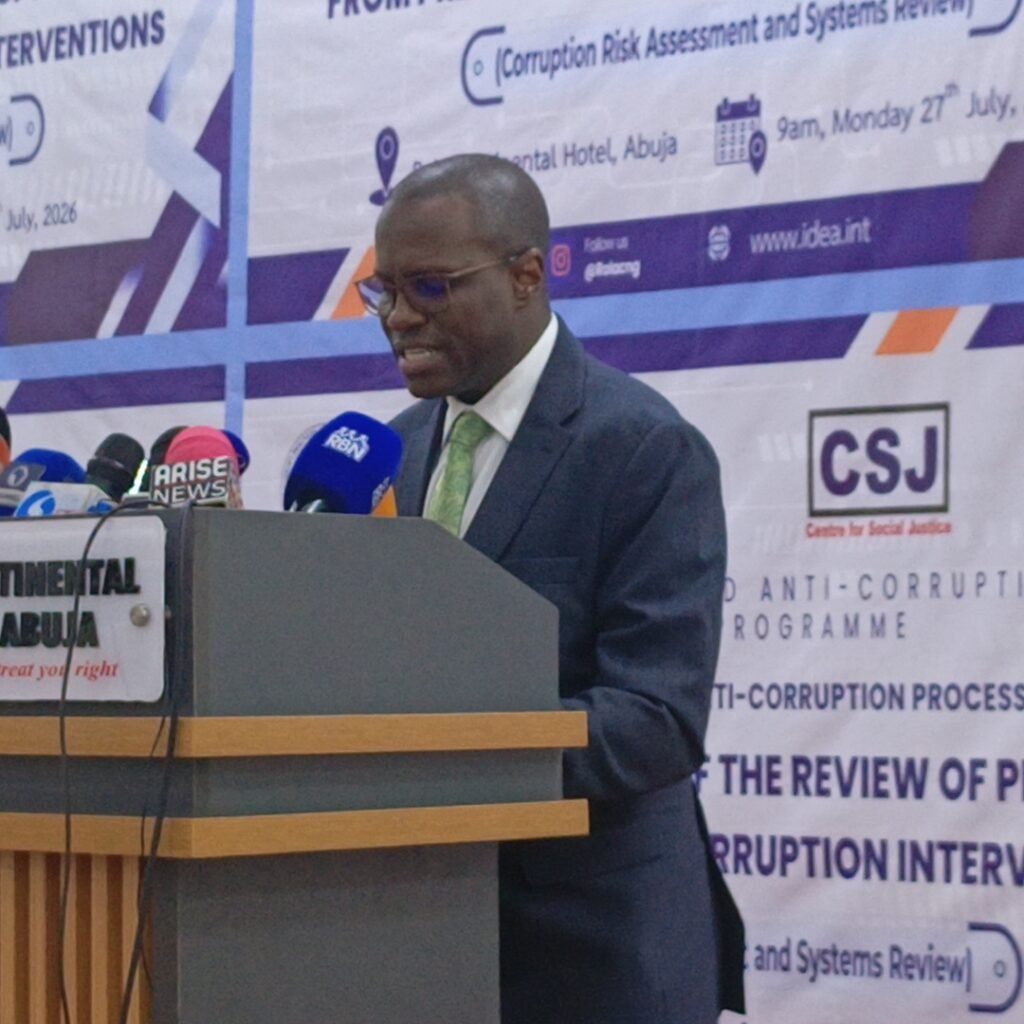
Speaking during the public presentation, ICPC Chairman, Dr. Musa Adamu Aliyu, SAN, said the exercise was part of the Commission’s constitutional mandate to identify weaknesses in public institutions and recommend reforms that strengthen transparency, accountability, and service delivery.
According to him, the reports examined the level of compliance with previous recommendations, assessed progress made, identified remaining gaps, and proposed additional reforms to improve institutional performance.
“The value of these reviews is not in producing reports alone but in ensuring that their recommendations are implemented to improve governance, accountability, operational efficiency, and public service delivery,” Aliyu said.
He explained that the reviews were conducted through document analysis, stakeholder consultations, field verification, and validation sessions involving the affected institutions.
The ICPC Chairman stressed that the exercise was not designed to blame any institution but to encourage continuous improvement in systems that safeguard public resources.
Aliyu noted that NHIA, NPHCDA, UBEC, and SUBEBs were selected because of their critical roles in delivering healthcare and quality education to millions of Nigerians.
While commending the agencies for implementing several previous recommendations, he urged them to address outstanding issues and sustain ongoing reforms.
“The fight against corruption cannot be won through enforcement alone. It requires resilient institutions, transparent systems, effective oversight, and a strong culture of accountability,” he said.
He added that ICPC would continue working with government institutions, development partners, civil society organisations, and oversight bodies to ensure that anti-corruption reforms are fully implemented and sustained.
Also speaking at the event, Lead Director of the Centre for Social Justice (CSJ), Mr. Eze Onyekpere, said corruption prevention requires continuous monitoring and collaboration among government institutions and civil society.
He explained that the follow-up reviews were conducted under the European Union-supported Rule of Law and Anti-Corruption (RoLAC II) Programme to evaluate the implementation of recommendations from earlier corruption risk assessments.
According to Onyekpere, anti-corruption laws alone are insufficient without effective institutions and committed leadership to enforce reforms.
He called for wider dissemination of the reports and stronger engagement with ministries, departments, and agencies responsible for implementing the recommendations.
Representing the European Union, Dr. Emmanuel Uche described the follow-up assessments as an important step in strengthening accountability across public institutions.
He said regular oversight and monitoring were necessary to ensure that corruption risk assessments lead to measurable improvements rather than remaining as policy documents.
Uche noted that integrity plans developed after corruption risk assessments provide agencies with practical roadmaps for improving transparency and accountability.
He also praised the ICPC for adopting a collaborative approach that encourages institutions to implement reforms while strengthening systems that protect public resources.
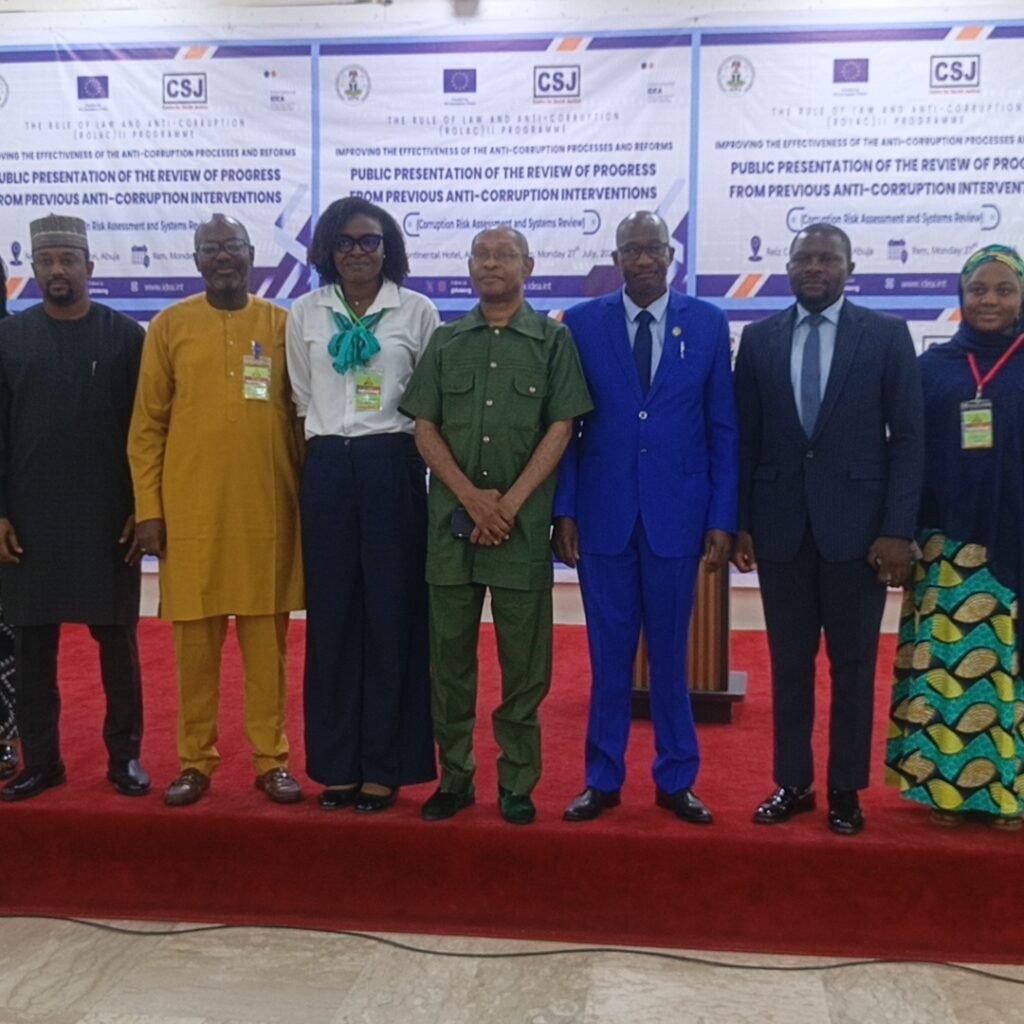
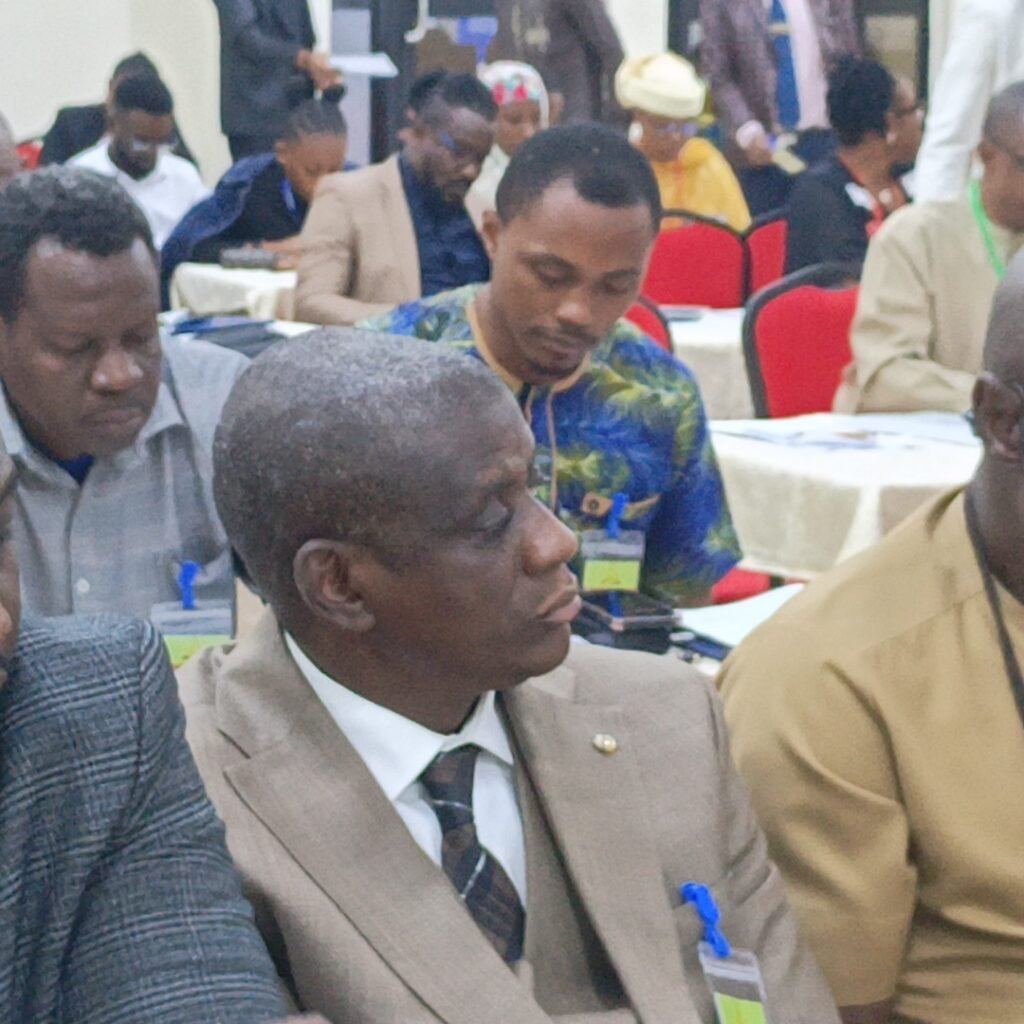
The public presentation brought together representatives of the Executive and Legislative arms of government, heads of ministries and agencies, development partners, members of the diplomatic community, civil society organisations, and the media.
The event forms part of ongoing efforts to strengthen governance, reduce corruption risks, and improve public confidence in Nigeria’s healthcare and education institutions.