
NiMet, NCCC Deepen Collaboration on Climate Services, Early Warning Systems
By Media360Impact
The Nigerian Meteorological Agency (NiMet) and the National Council on Climate Change (NCCC) have taken steps to strengthen collaboration aimed at improving climate services, climate data management, early warning systems, and Nigeria’s overall climate resilience.
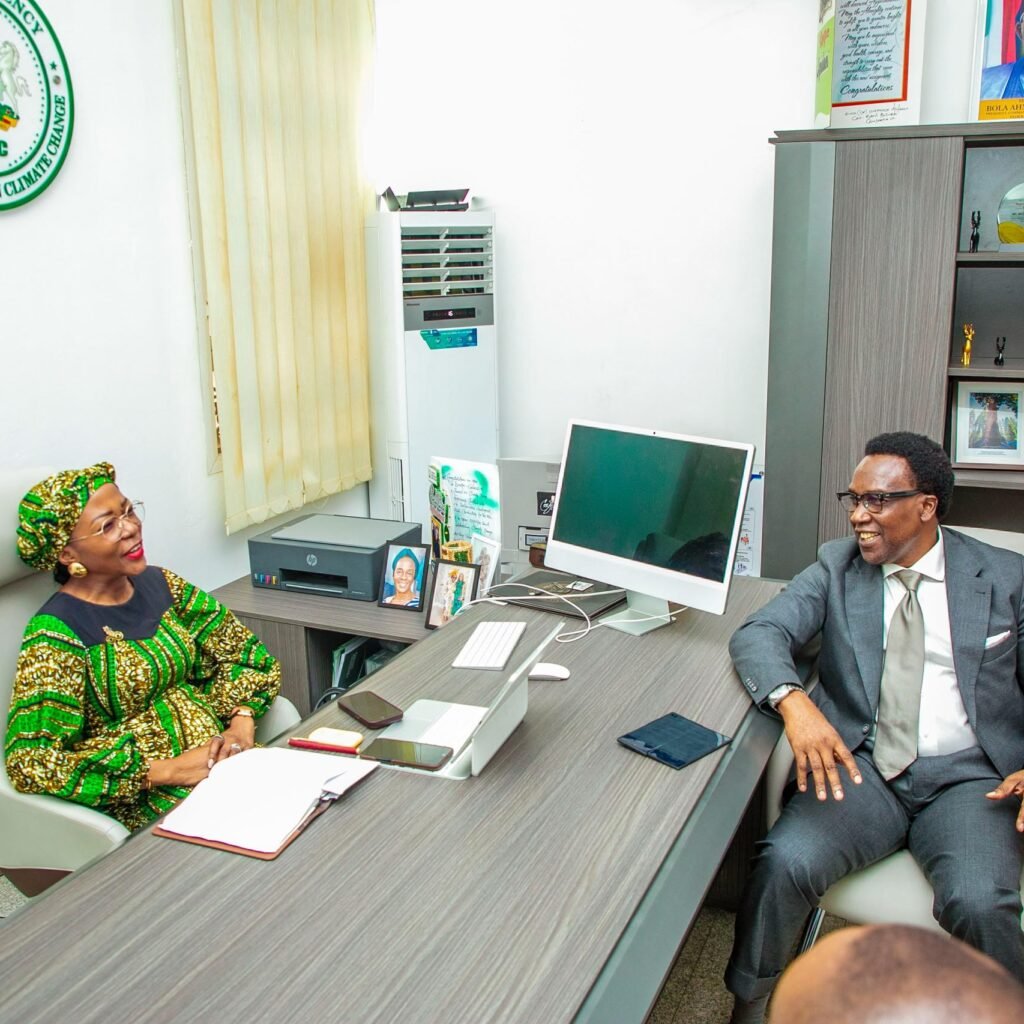
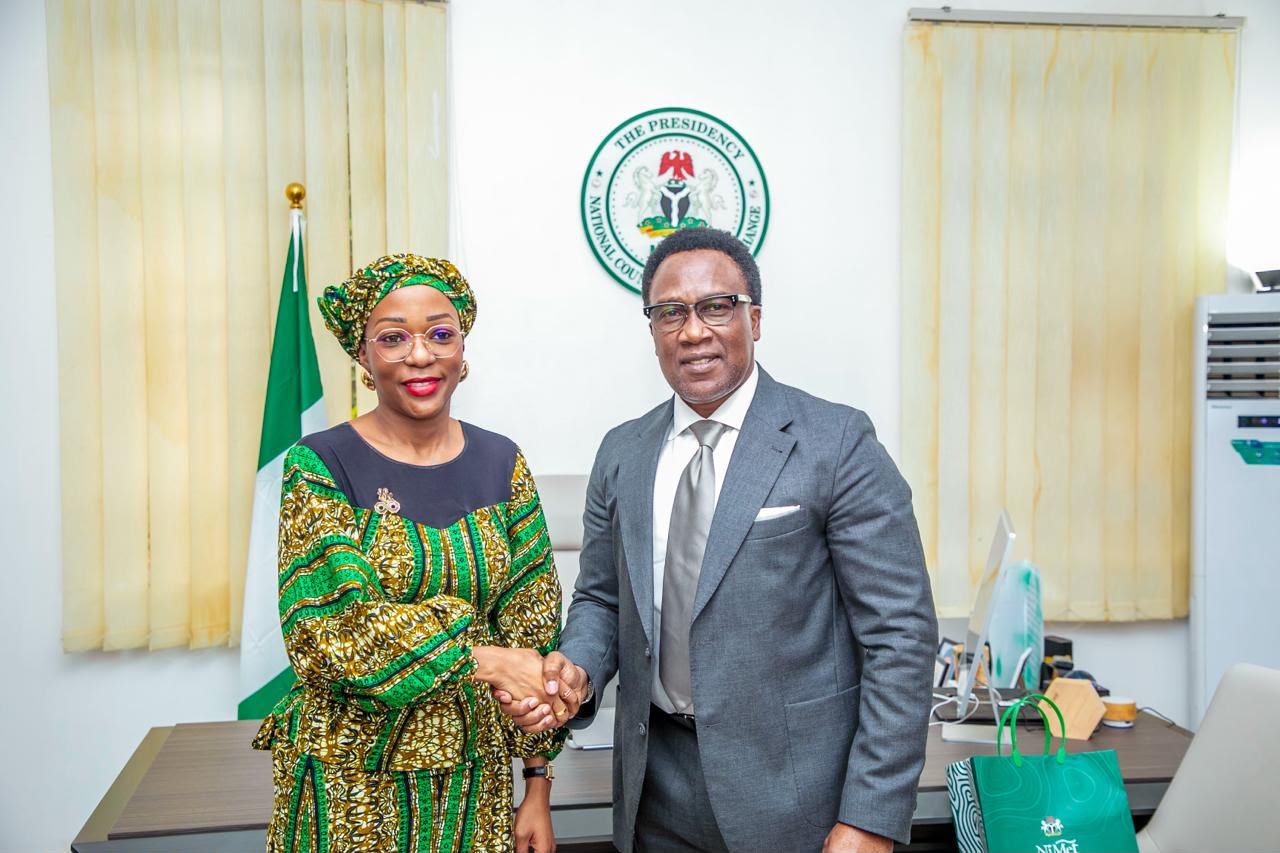
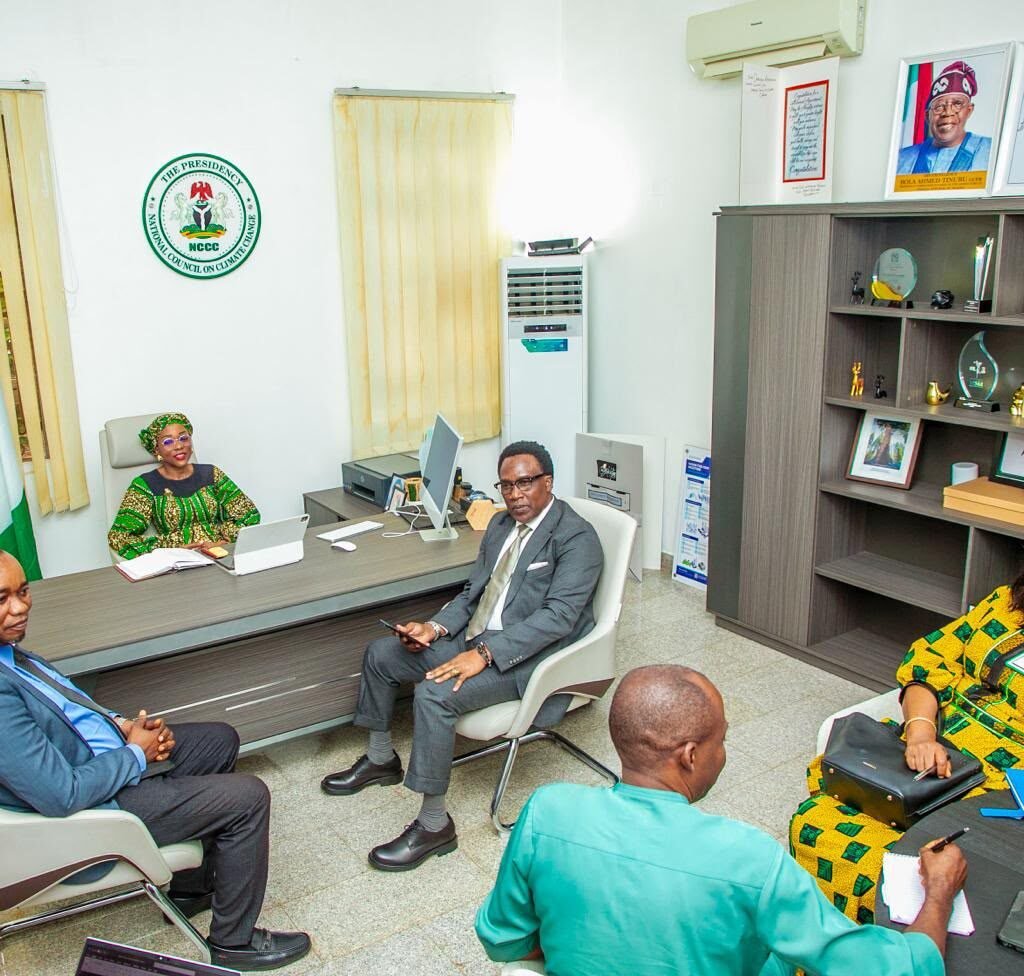
The commitment was made when the Director-General and Chief Executive Officer of NiMet, Prof. Charles Anosike, paid a courtesy visit to the Director-General of the National Council on Climate Change Secretariat, Dr. Tenioye Majekodunmi.
During the meeting, Prof. Anosike described NiMet as the custodian of Nigeria’s long-term meteorological records, explaining that the agency provides the atmospheric data required for climate trend analysis, climate risk assessments, and the development of reliable climate projections.
He said stronger collaboration between both institutions would support the joint development of climate projections, improve early warning systems, standardize climate data, and encourage research that would guide evidence-based climate policies and better decision-making.
According to him, the partnership would also provide policymakers with localized scientific information to strengthen climate adaptation and mitigation efforts while improving the translation of global climate projections into practical advisories for communities and sectors most vulnerable to climate change.
Prof. Anosike further noted that reliable meteorological and climate data remain essential for Nigeria to access international climate finance. He added that both institutions could jointly pursue funding opportunities to support climate resilience projects, early warning systems, and climate infrastructure across the country.
Responding, the Director-General of the National Council on Climate Change Secretariat, Dr. Tenioye Majekodunmi, commended NiMet for its continued contribution to weather forecasting and climate services in Nigeria and expressed support for deeper institutional cooperation.
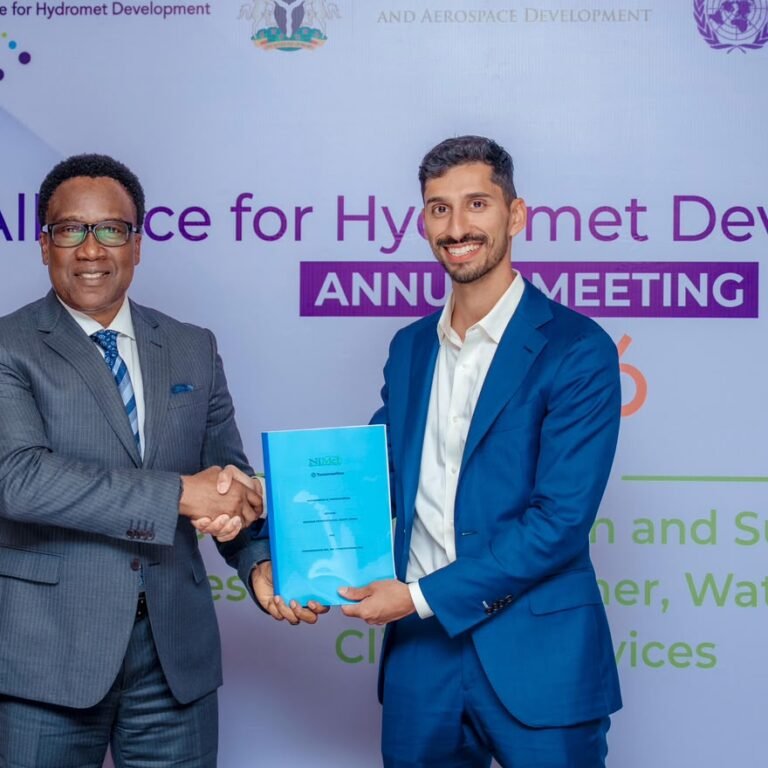
Both agencies agreed to formalize their partnership through the signing of a Memorandum of Understanding (MoU), which will provide a framework for sustained collaboration in climate services, climate data management, climate research, early warning systems, capacity development, and other areas of mutual interest.
The meeting reaffirmed the commitment of both institutions to advancing Nigeria’s climate policy objectives through stronger institutional partnerships, improved climate information, and evidence-based actions aimed at protecting lives, livelihoods, and the environment.