
By Chioma Favour
Nigeria is stepping into a powerful new global role and this time, it’s not about oil, elections, or insecurity.
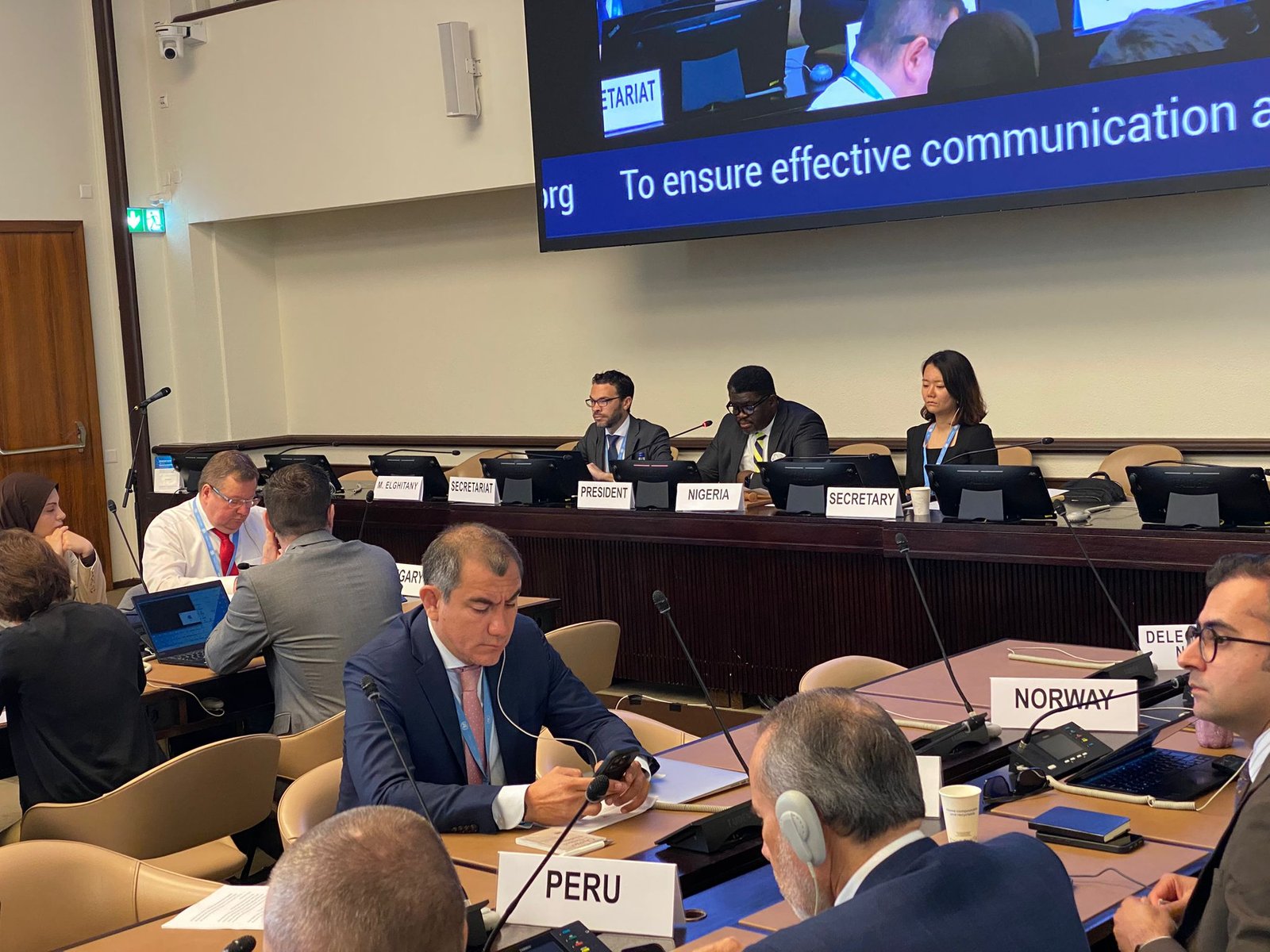
The country has officially assumed the Presidency of the Conference on Disarmament (CD), one of the world’s most important international platforms focused on nuclear weapons, global security, and peace negotiations.
The development, announced and signed by the Ministry of Foreign Affairs, spokesperson, Kiemiebi Imomotimi Ebienfa puts Nigeria at the center of sensitive global conversations around nuclear threats and international security at a time when tensions between world powers continue to rise.
For many Nigerians, the news may sound distant or highly diplomatic. But experts say the implications go beyond foreign policy headlines.
This is about how Nigeria is positioning itself as a respected voice in global decision-making especially on issues that affect peace, development, and international stability.
The presidency officially began on May 26, 2026, with the Minister of Foreign Affairs, Bianca Odumegwu-Ojukwu, approving two major priorities for Nigeria’s leadership term.
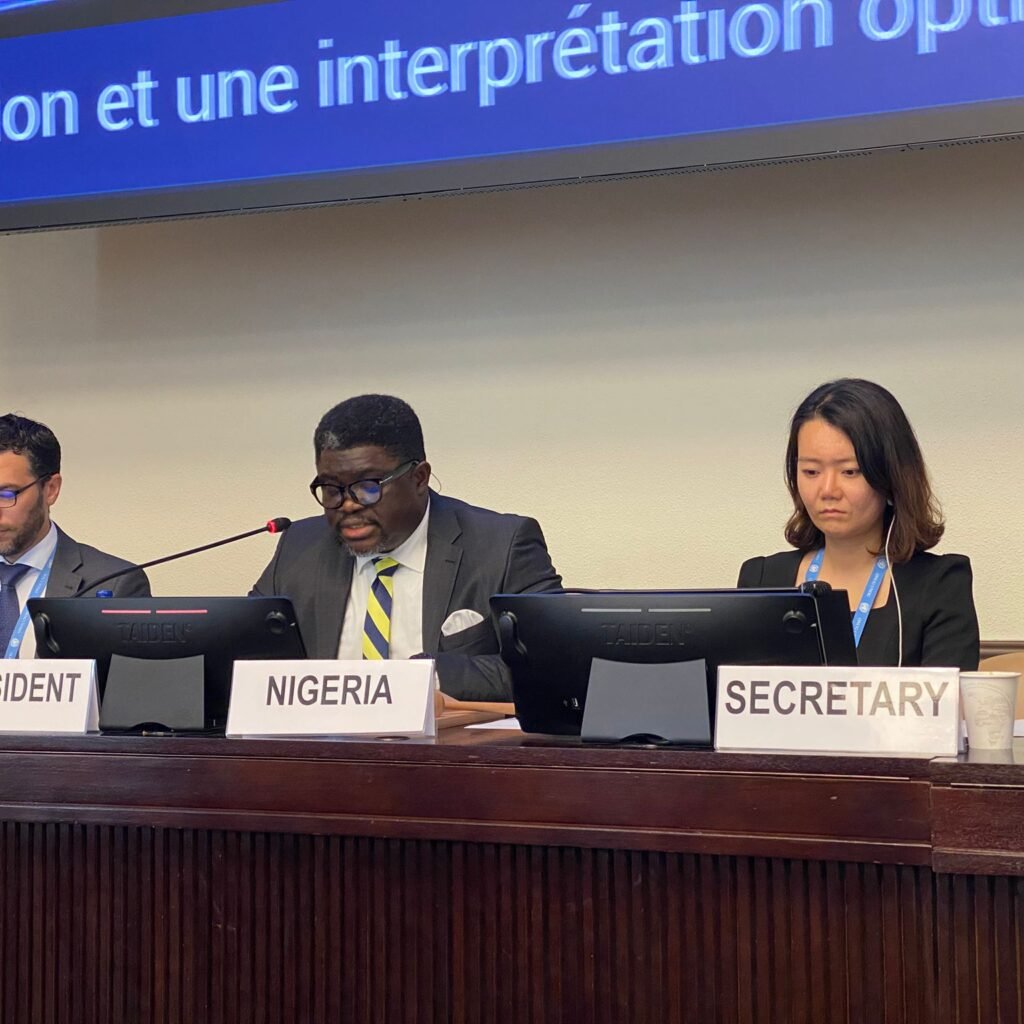
The first focuses on protecting countries that do not possess nuclear weapons from threats or attacks by nuclear-armed nations.
In simple terms, Nigeria is pushing for a world where smaller or non-nuclear countries are not bullied or endangered by powerful states with nuclear capabilities.
The second priority aims to revive and improve the effectiveness of the Conference on Disarmament itself a body many critics believe has struggled for years with slow progress and political deadlocks.
Why should ordinary Nigerians care?
Because global peace and international stability directly affect economies, trade, migration, security cooperation, and even food and fuel prices.
Nigeria’s new leadership role could also strengthen the country’s diplomatic reputation internationally, opening doors for stronger partnerships, influence, and foreign engagement.
The move comes as Africa continues to demand a stronger voice in global affairs, especially on security and geopolitical issues traditionally dominated by Western powers.
On social media, some Nigerians praised the development as a sign that the country still commands respect internationally despite domestic economic and security challenges.
Others questioned whether global diplomatic victories truly translate into better living conditions at home.
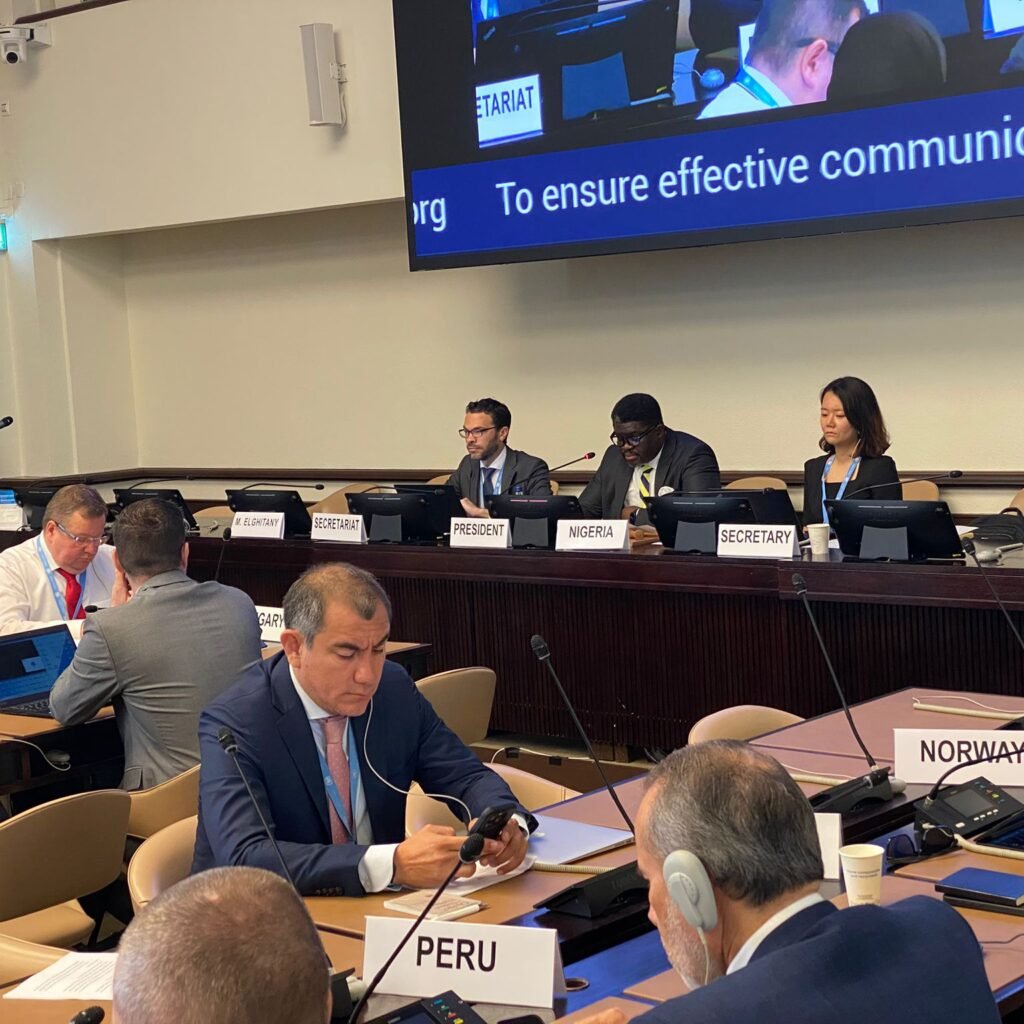
Still, foreign policy analysts say Nigeria’s presidency of the Conference on Disarmament sends a strong signal that the country remains a major player in multilateral diplomacy and African representation on the world stage.
As global tensions over weapons, wars, and security continue to dominate international headlines, Nigeria now finds itself with a rare opportunity not just to participate in global conversations, but to help shape them.