
By Gabriel Ameh
World Bank, Sustainable Family Healthcare Foundation (SFHF), CBM International and the FCT Women Affairs Secretariat have intensified efforts toward disability inclusion with the validation meeting for the Federal Capital Territory (FCT) Disability Policy, a move stakeholders described as a critical step toward translating disability rights into practical governance and community action.
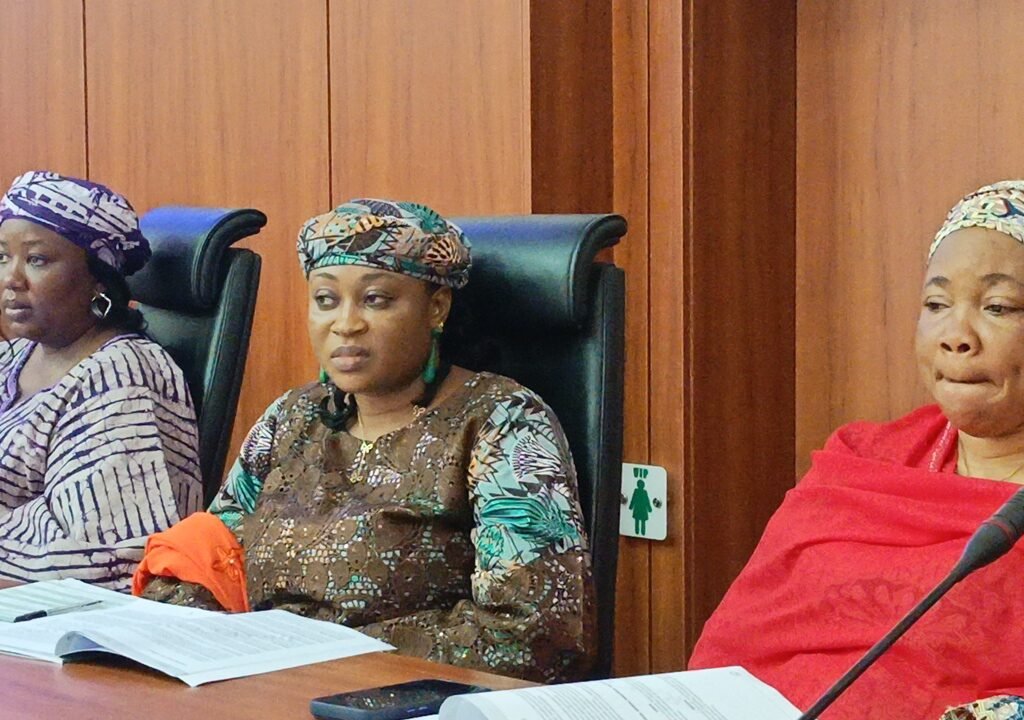
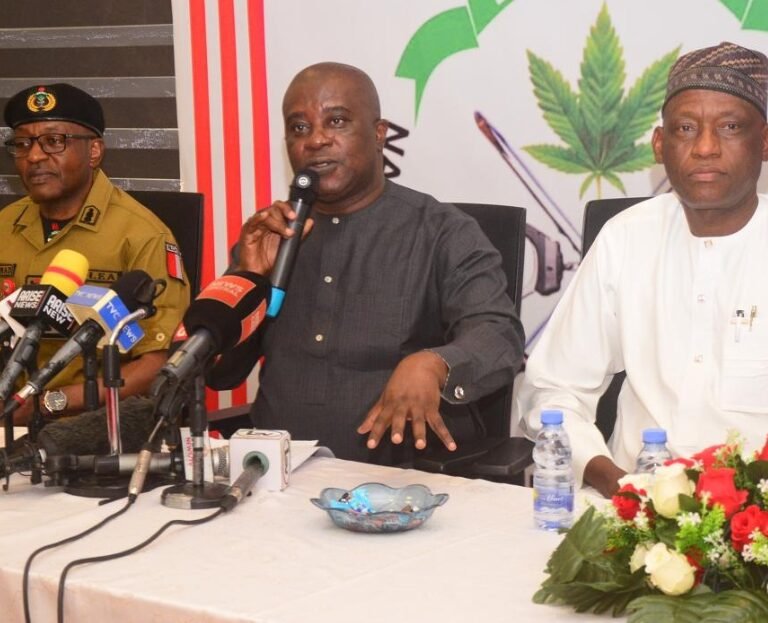
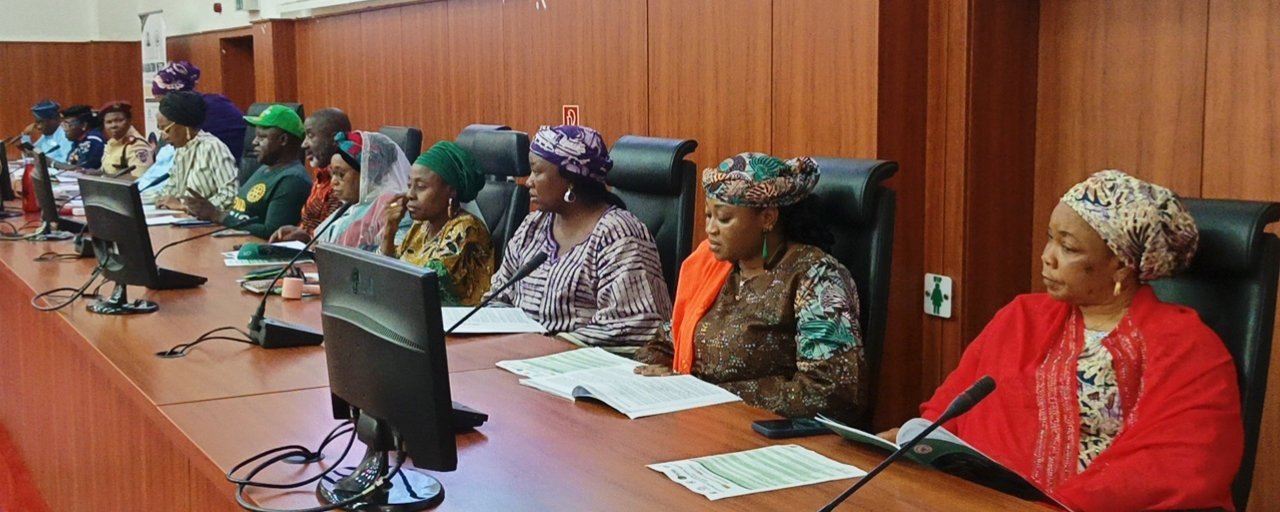
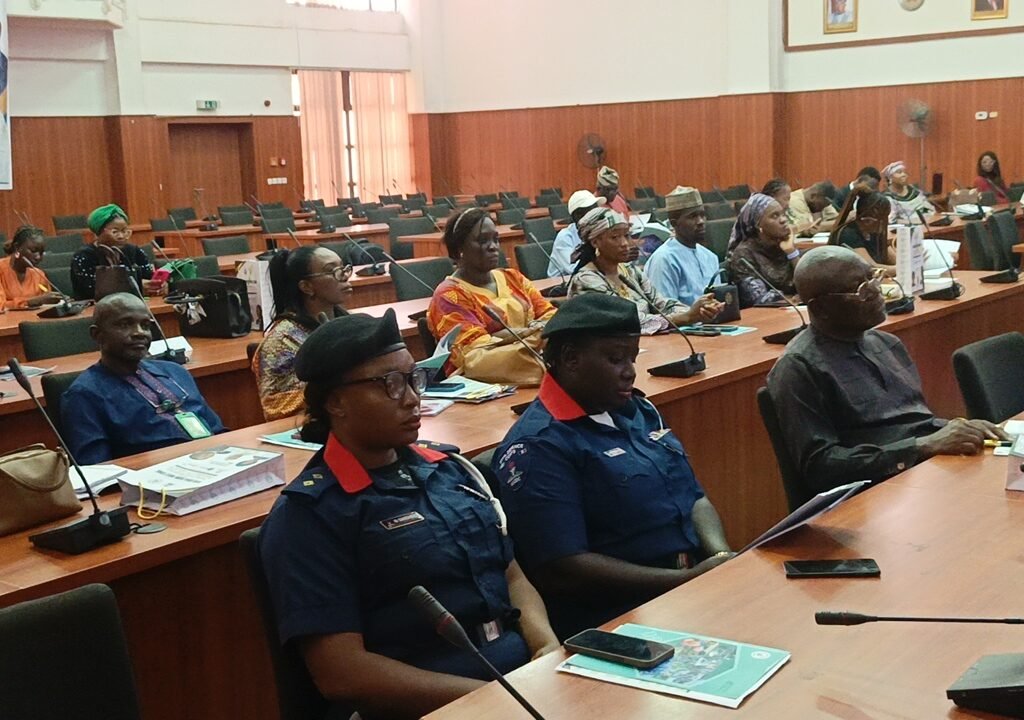
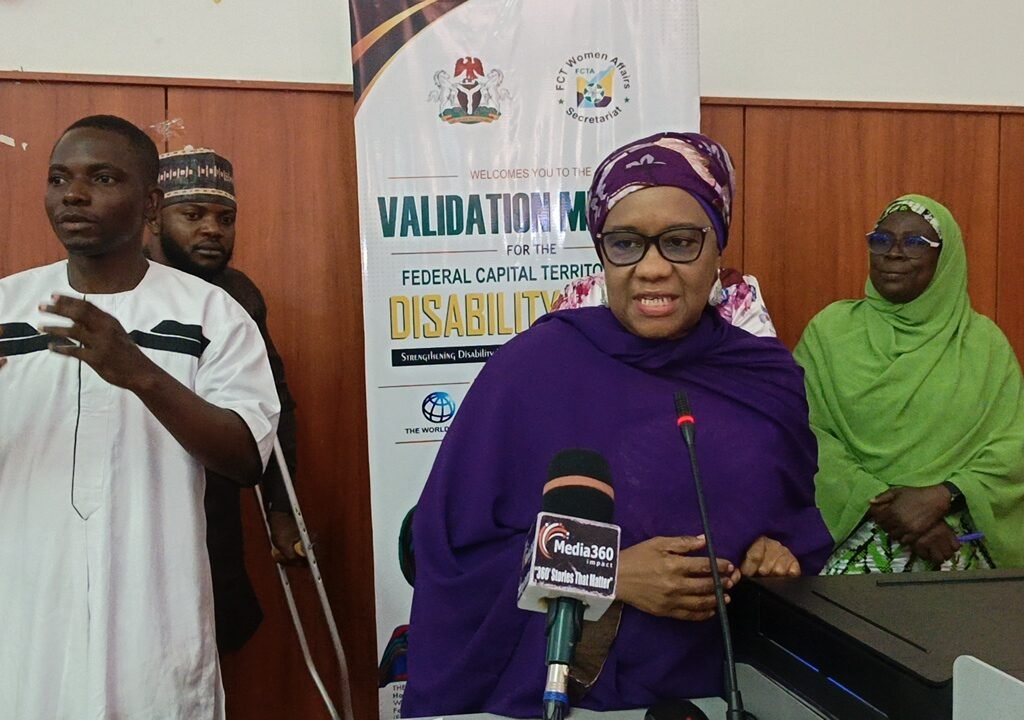
The validation meeting brought together government officials, disability rights advocates, development partners, civil society groups and representatives of organizations of persons with disabilities to review and strengthen the policy framework ahead of final approval by the FCT Administration.
Speaking at the event, the Mandate Secretary of the FCT Women Affairs Secretariat, Adedayo Benjamin-Laniyi, described the gathering as a historic moment driven by the political will of the administration under President Bola Ahmed Tinubu’s Renewed Hope Agenda.
According to her, the disability policy represents more than a government framework, stressing that it is “a covenant of commitment” between the government and persons with disabilities across the FCT.
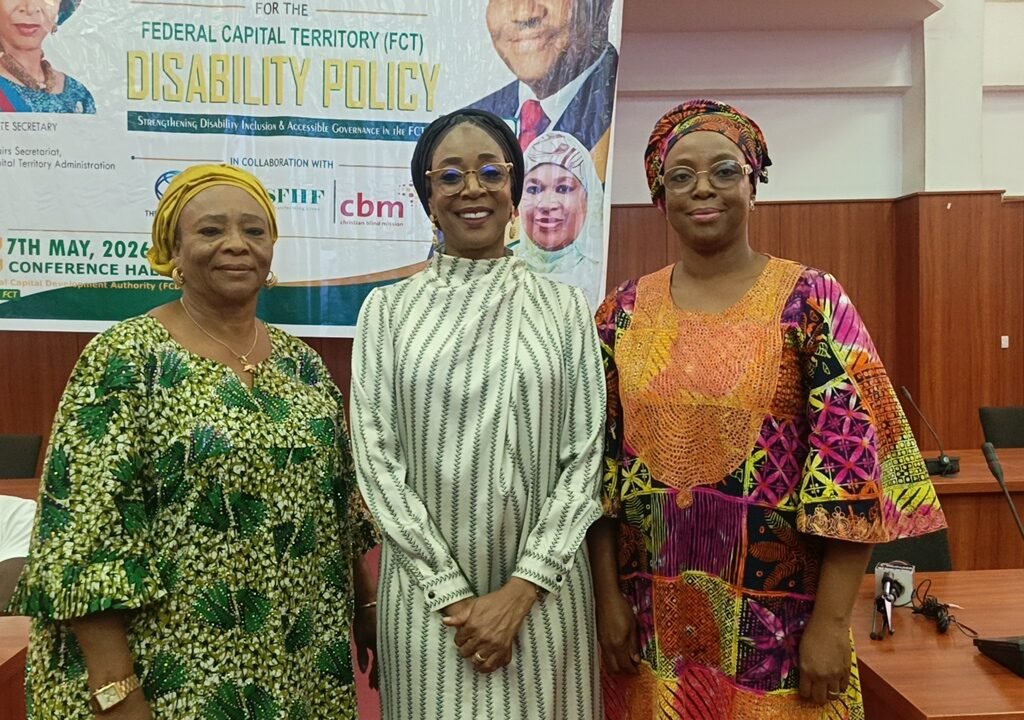
“This policy is more than a framework. It is a covenant between the FCT Administration and every resident with disability, both visible and invisible, to let you know that you are valued, protected and prioritized,” she said.
Benjamin-Laniyi emphasized that the era of developing policies without implementation must end, noting that many disability-focused documents had remained dormant in offices while the people they were meant to protect continued to face exclusion.
She reiterated the principle of “Nothing About Us Without Us,” while calling for active participation of persons with disabilities in shaping and implementing the policy.
The Mandate Secretary also highlighted efforts by the Women Affairs Secretariat, including the establishment of the first disability desk within the FCT Administration, aimed at addressing the unique challenges faced by women and girls with disabilities.
She noted that women with disabilities suffer disproportionately from gender-based violence, exclusion from education, healthcare and employment opportunities due to systemic barriers.

Earlier in her welcome remarks, Permanent Secretary of the FCT Women Affairs Secretariat, Dr. Asmau Mukhtar, urged stakeholders to critically review the draft policy document and make meaningful contributions before its final approval by the Honourable Minister of the FCT.
She stressed the importance of incorporating accessibility and inclusivity measures into public infrastructure, healthcare institutions, educational facilities and overall city management across the Federal Capital Territory.
Executive Director of Sustainable Family Healthcare Foundation (SFHF), Peter Ogunmayin, commended the collaboration between stakeholders and called on participants to actively contribute to refining the policy draft.
She noted that the document was not intended to “gather dust on tables” but to serve as a practical framework for planning and implementing disability-inclusive programs and interventions.
Ogunmayin also acknowledged the support of CBM International, describing the organization as a key funding and implementation partner in disability inclusion efforts within the FCT.
Delivering a goodwill message on behalf of CBM International, Country Programme Manager, Michael A. Idah, praised the FCT Administration for demonstrating proactive leadership in promoting disability-inclusive development.
He said the consultative process behind the policy aligned with global best practices and reflected the lived realities of persons with disabilities.
Idah reaffirmed CBM International’s commitment to supporting policies that uphold the rights and dignity of persons with disabilities in line with the United Nations Convention on the Rights of Persons with Disabilities and Nigeria’s Discrimination Against Persons with Disabilities Act.
According to him, through the “Advancing Disability Inclusive Development through Implementation of the Disability Law and OPD Empowerment Project,” implemented in partnership with Sustainable Family Healthcare Foundation (SFHF), the organization continues to support disability inclusion initiatives in the FCT and Osun State with the goal of achieving sustainable impact by 2027.
Also speaking, Executive Secretary of the National Commission for Persons with Disabilities, Ayuba Gufwan, commended the quality of the draft disability policy but warned that Nigeria’s major challenge was not policy formulation but implementation.
“If there is any problem at all, in most cases, it is implementation,” he stated.
Gufwan called for the establishment of a well-funded disability agency within the FCT to drive implementation and coordination of disability-related interventions.
He noted that many disability commissions and agencies across the country struggle due to poor funding despite their strategic importance.
The Executive Secretary further disclosed that research indicates that over 35 million Nigerians live with disabilities, while nine out of every ten persons with disabilities require assistive devices, most of which are currently imported.
He assured the FCT Administration of the National Commission’s willingness to collaborate closely in advancing disability inclusion and improving the welfare of persons with disabilities nationwide.
Stakeholders at the meeting expressed optimism that the validation exercise would lead to the adoption of a practical, enforceable and inclusive disability policy capable of transforming the lives of persons with disabilities across the Federal Capital Territory.