
By Gabriel Ameh
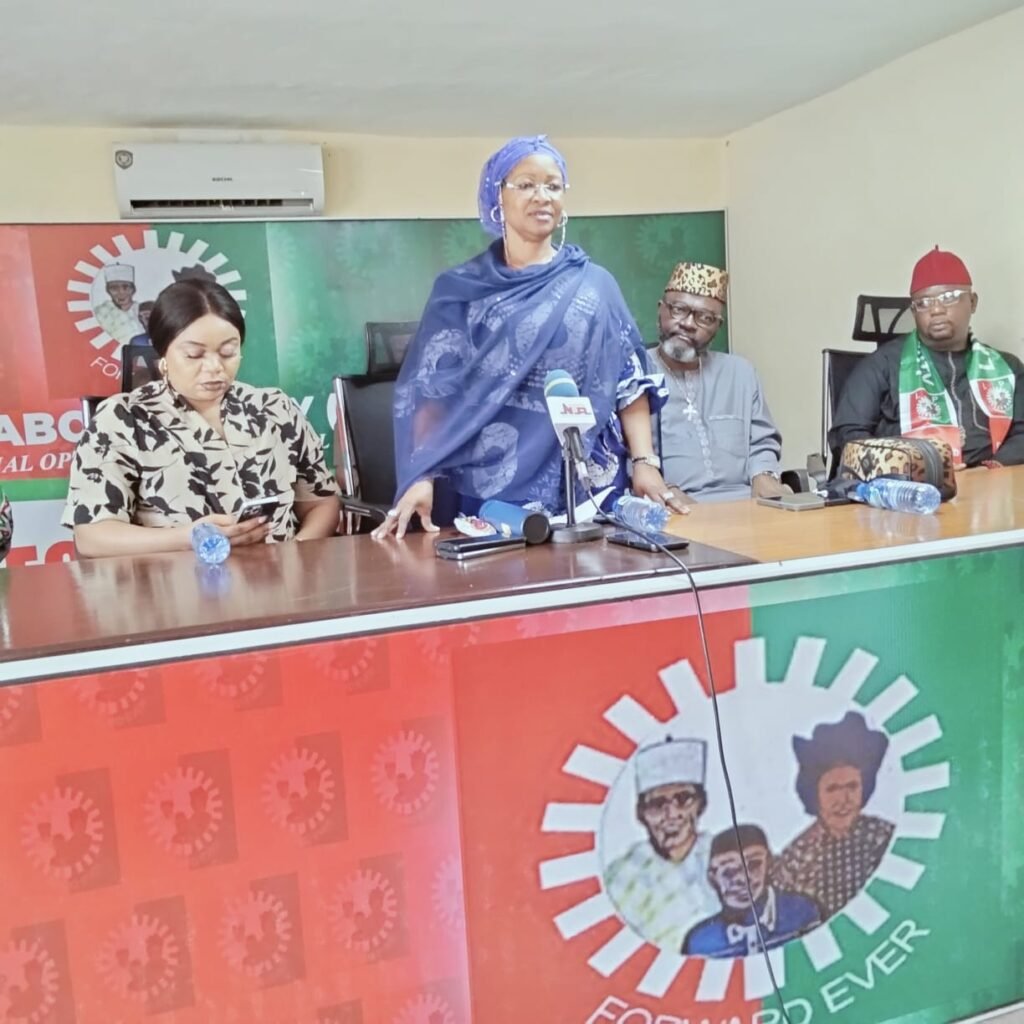
The National Chairman of the Labour Party, Nenadi Usman, has identified financial constraints and limited support among women as major factors hindering female political participation and success in Nigeria.
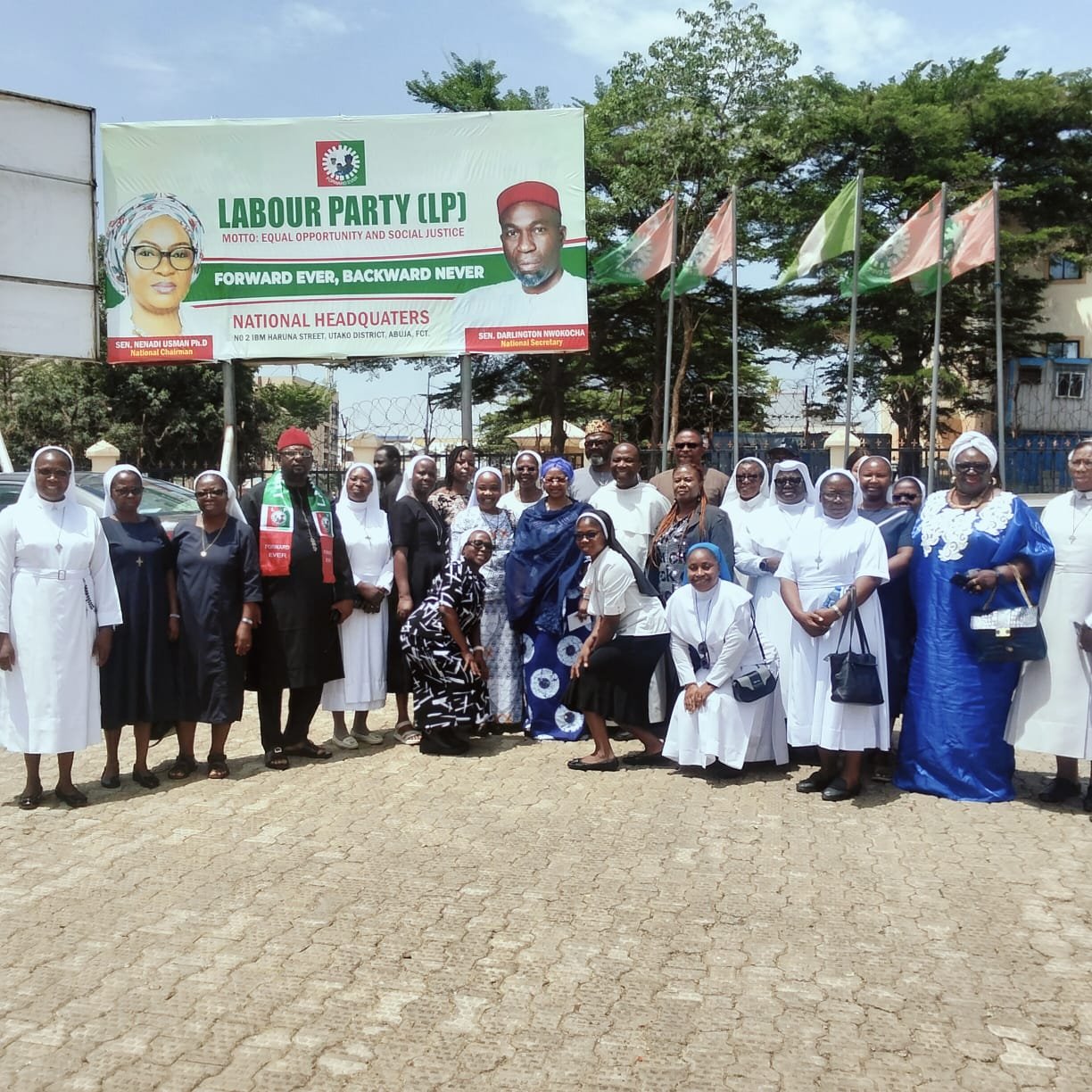
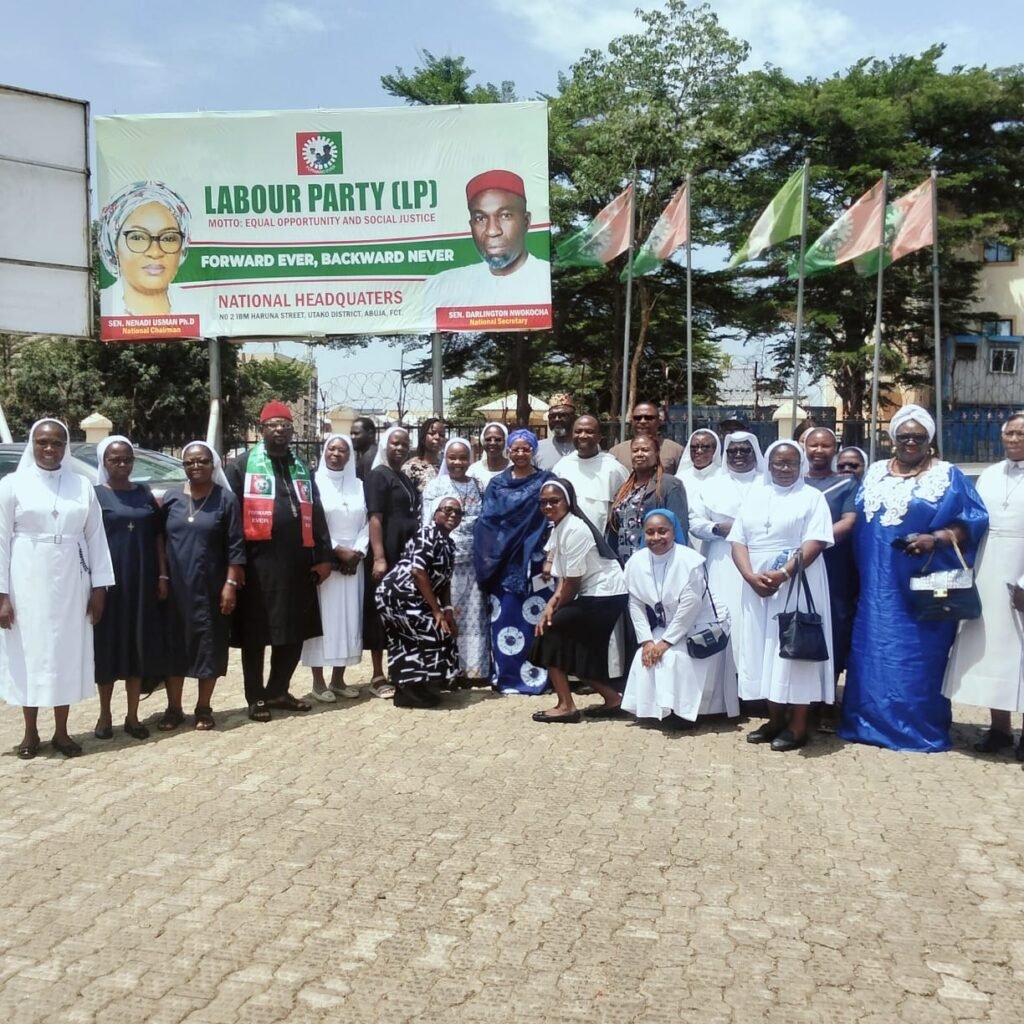
Speaking during a courtesy visit by delegations from the Dominicans for Justice and Peace and the Africa Faith and Justice Network, Usman described the high cost of politics as a significant barrier for women seeking elective positions.
Drawing from her experience, she explained that many female aspirants lack the financial capacity to compete effectively, particularly in delegate-based primary systems where candidates are often required to mobilize substantial resources to secure support.
Beyond financial challenges, Usman highlighted a deeper issue within the electorate, noting that despite women forming a large percentage of voters, many still support male candidates. This, she said, weakens the collective influence of women in shaping political outcomes.
She also pointed out that voting decisions within many households are often influenced by male authority figures, which further limits women’s independent political choices.
To address these challenges, the Labour Party chairman advocated for the adoption of direct primaries, arguing that such a system would reduce the influence of money and give candidates with grassroots support many of whom are women a better chance of emerging.
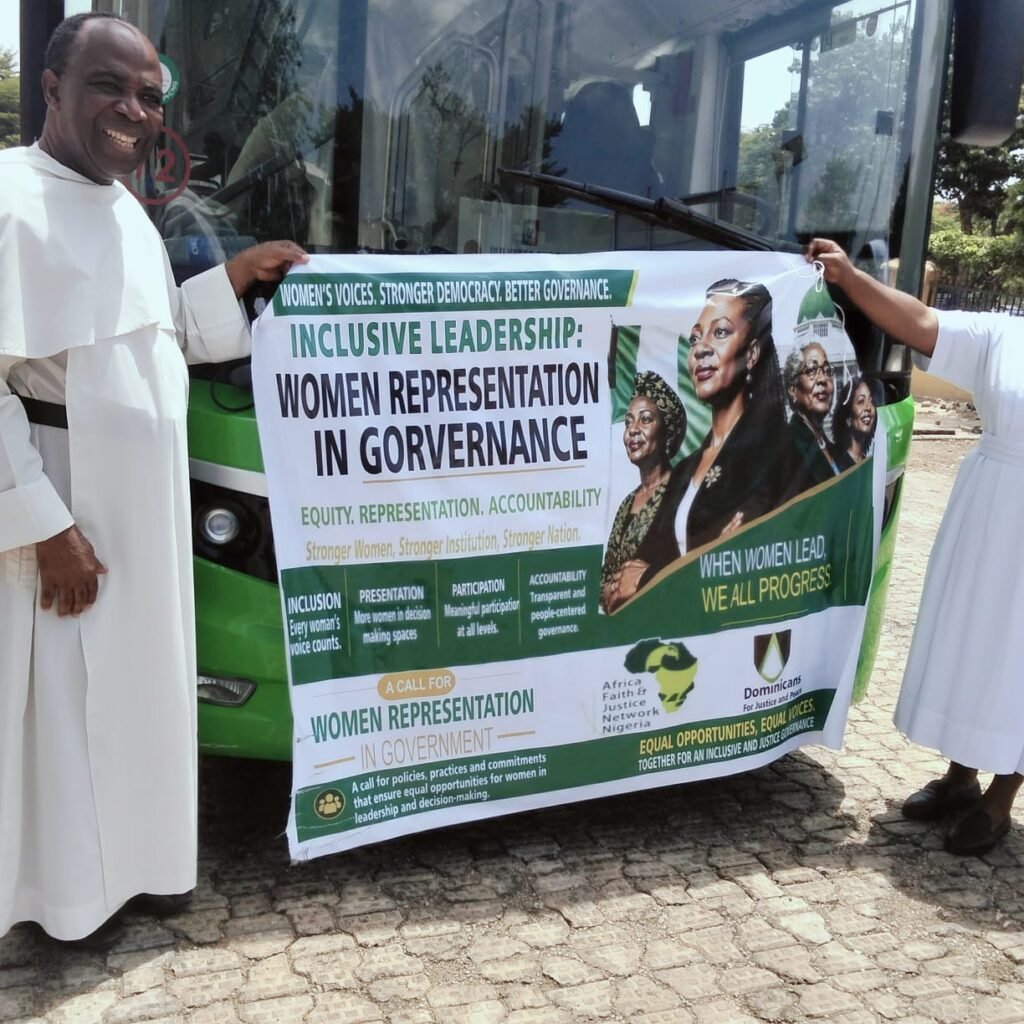
Also speaking at the meeting, Eucharia Madueke, Coordinator of the Women Empowerment Programme at the Africa Faith and Justice Network, stressed that increasing women’s representation in politics is essential for improving governance outcomes, not just symbolic inclusion.
She noted that women bring unique perspectives shaped by lived experiences, which are often missing in policy decisions due to their underrepresentation.
In his remarks, Aniedi Okure of the Dominicans for Justice and Peace called for enforceable gender quotas, proposing that women should occupy at least 40 percent of political positions.
He expressed concern that Nigeria’s 35 percent affirmative action policy has produced limited results, with women’s representation in governance remaining significantly low.
Stakeholders at the meeting agreed that without deliberate reforms including changes to electoral processes and enforceable inclusion policies women may continue to play a crucial role as voters without translating that influence into political power.