

By Gabriel Ameh
Abuja — Connected Development (CODE) has called for urgent reforms in Nigeria’s climate financing and public accountability systems, warning that transparency gaps could undermine governance outcomes ahead of the 2027 general elections.
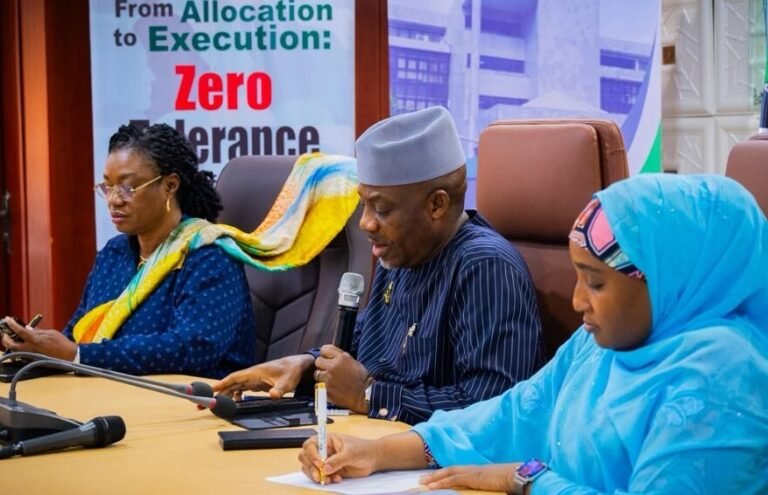
Speaking at the launch of the organisation’s 2025 Annual Report, Acting Chief Executive Officer, Hyeladzira James Mshelia, revealed that Nigeria received $4.928 billion in climate finance over seven years, with 75 per cent coming as loans.
She noted that the country requires an estimated $177.7 billion annually to meet its climate obligations, describing the funding gap as unsustainable.
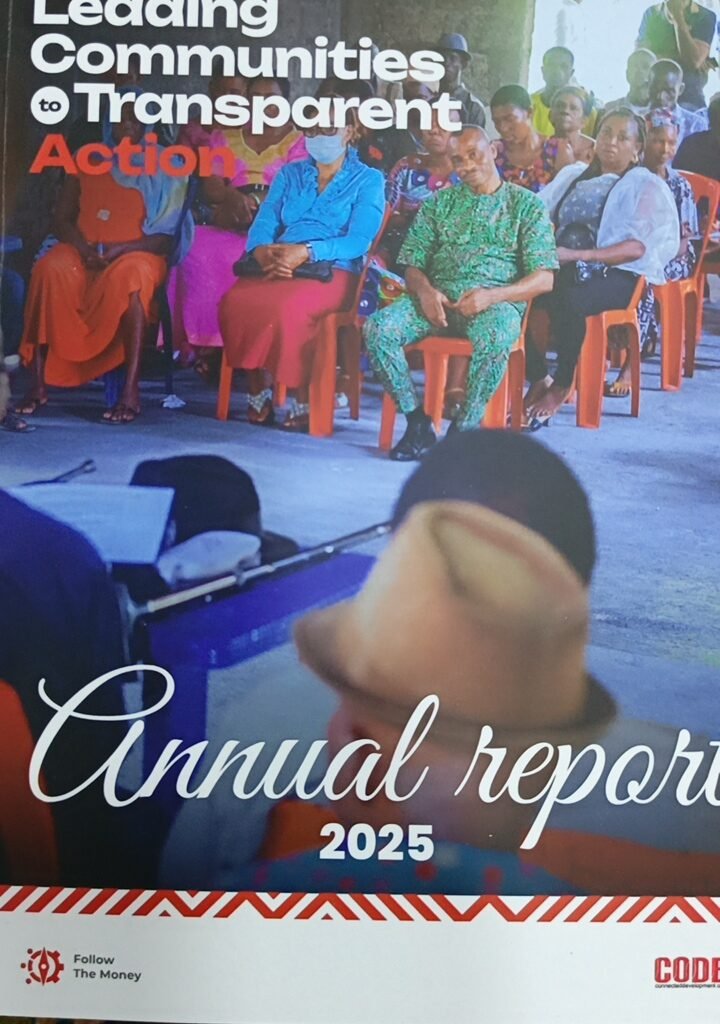
“We published that gap, named it, and engaged the Nigeria Governors’ Forum. We will not stop until the architecture of climate funding changes,” Mshelia said.The report highlights CODE’s tracking of public funds across 12 African countries, covering 4,772 schools, oil-producing communities in the Niger Delta, and federal allocation systems.
According to the organisation, independent monitoring under the AGILE programme across states including Borno, Kaduna, Kano, and Plateau revealed improvements in scholarship delivery and access to digital learning.
However, gaps persist in school safety and inclusion for persons with disabilities.CODE also disclosed that it trained 119 host community members in the Niger Delta on their rights under the Petroleum Industry Act, strengthening grassroots accountability in the extractive sector.

Through its “Facts About FAAC” initiative, the group said it simplified federal allocation data for public understanding, while its Project Track BHCPF focused on improving transparency in Nigeria’s Basic Health Care Provision Fund.Mshelia stressed that limited public visibility in health security financing poses serious risks, especially in epidemic preparedness.
Beyond monitoring, the organisation reported key institutional interventions, including the development of a Gender-Responsive Education Sector Planning roadmap in Bauchi State and the establishment of civic-integrity clubs in schools.
The report also highlights youth engagement efforts, with over 450 students trained through civic hackathons, debates, and environmental initiatives.Looking ahead to 2027, CODE emphasised the need for stronger civic participation, noting that ongoing investments in digital accountability and governance literacy are aimed at preparing citizens for informed democratic engagement.

“There are still girls out of school, public funds that cannot be traced, and communities excluded from decision-making. This report is not a celebration it is evidence, and evidence demands a response,” Mshelia added.