
By IIhotu Uriel
📍Borno | 23 April 2026
A fresh wave of armed violence in northeast Nigeria has displaced more than 5,000 people in Borno State, forcing families into dire humanitarian conditions in Pulka, Gwoza Local Government Area.
The displacement followed a violent attack on Ngoshe community on March 3, 2026, which reportedly resulted in multiple deaths and abductions. Survivors fled approximately 15 kilometres to Pulka, many arriving with little or no belongings.
Women, children, and the elderly are among those worst affected, with many now sleeping in open spaces and along streets due to lack of shelter.
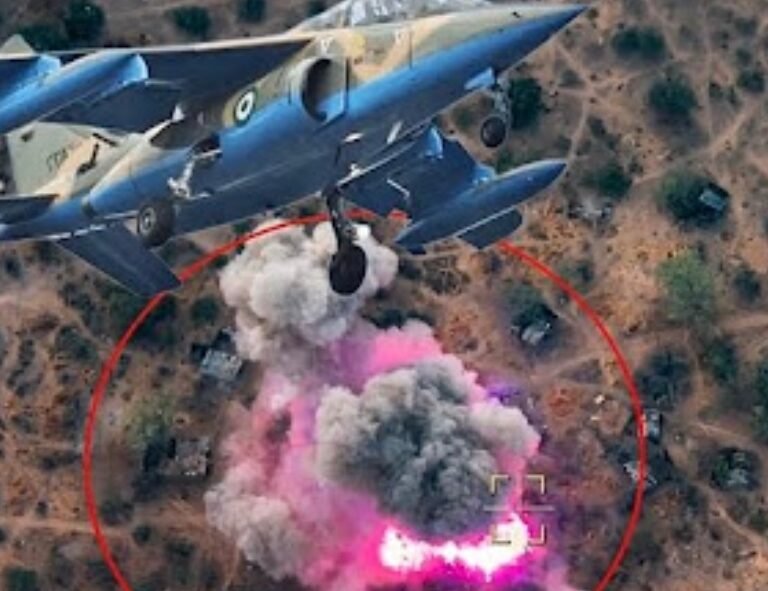
“Our homes were bombed, everything we owned was destroyed,” said Safiya Mohammed Aga, a displaced resident of Ngoshe. “We fled with nothing some of us didn’t even have clothes. We had to run for our lives.”
Access to essential services remains critically limited, with shortages of food, clean water, sanitation, and hygiene facilities raising fears of disease outbreaks, particularly among vulnerable populations.
In response, Médecins Sans Frontières (MSF) launched a four-week emergency intervention on April 10, targeting newly displaced persons in Pulka.
So far, over 900 families have received non-food items such as cooking utensils, sleeping mats, mosquito nets, jerrycans, and buckets. Additionally, 884 dignity kits including menstrual hygiene products and basic toiletries have been distributed to vulnerable individuals.
To address water and sanitation challenges, MSF has begun daily delivery of safe drinking water, currently supplying about 16,000 litres per day. The organisation is also rehabilitating sanitation facilities and conducting hygiene awareness campaigns to reduce disease risks.
Despite these efforts, humanitarian needs continue to outpace available support.
“People urgently need food and better access to water, sanitation, and hygiene services,” said Abdoulaye Mahmoudoune, MSF Emergency Field Coordinator. “We are responding, but the scale of needs is overwhelming. More humanitarian organisations must step in.”
Gwoza LGA has faced years of conflict and repeated displacement, leaving healthcare systems overstretched. Declining humanitarian funding has further worsened the situation, threatening access to critical medical services.
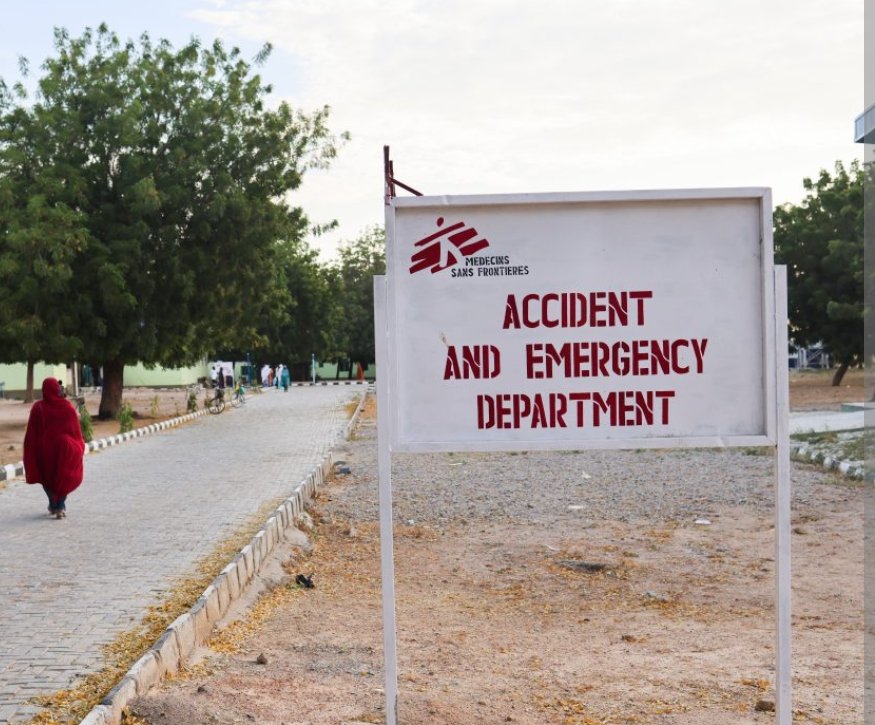
MSF has been supporting Gwoza General Hospital