

By Gabriel Ameh
📍Abuja | Media360Impact Report
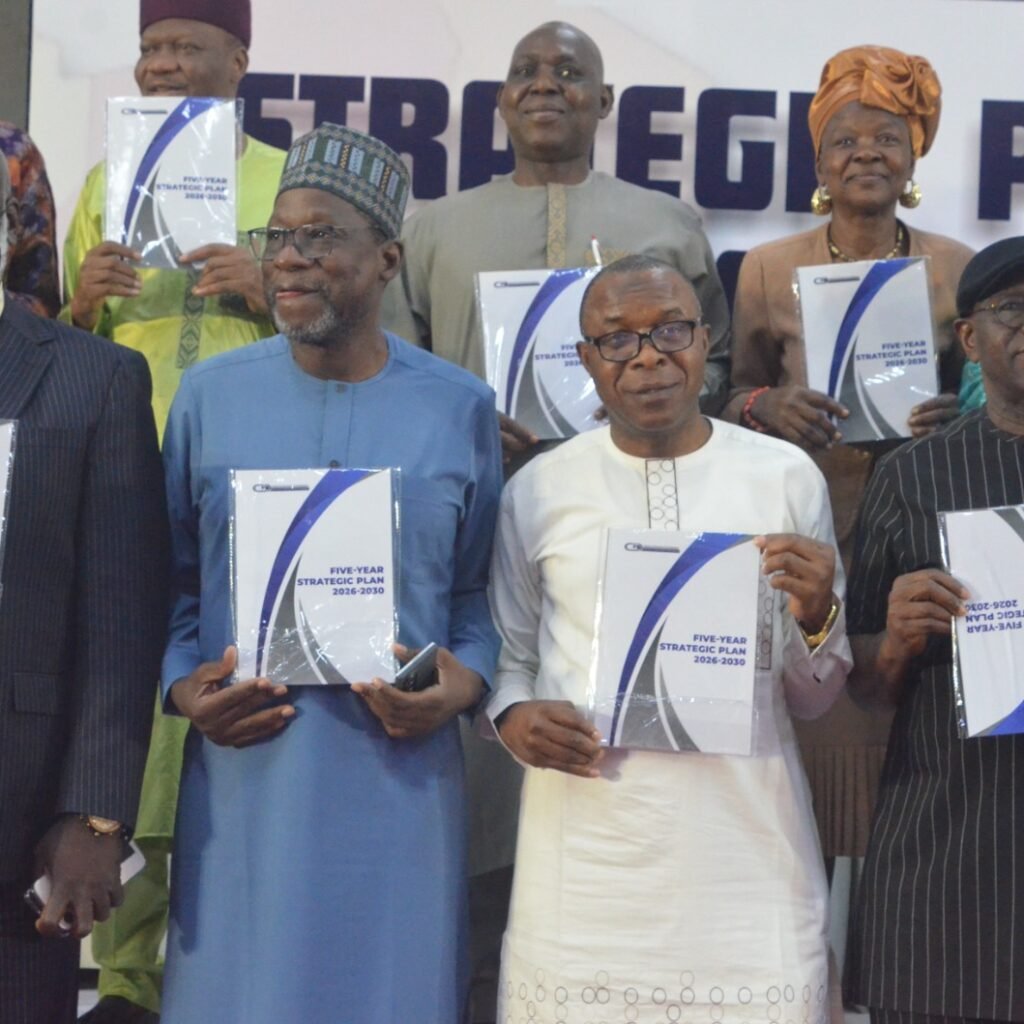
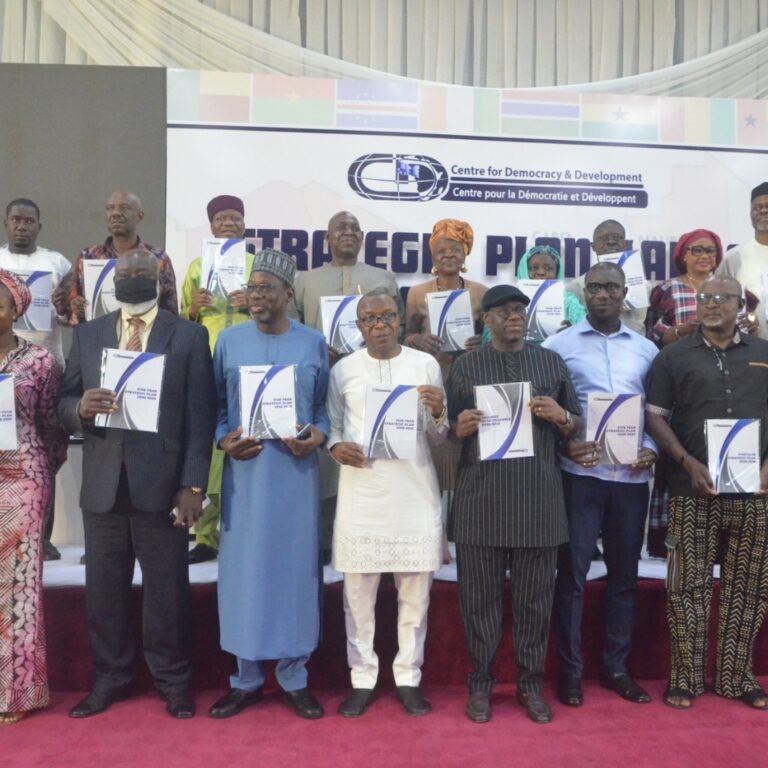
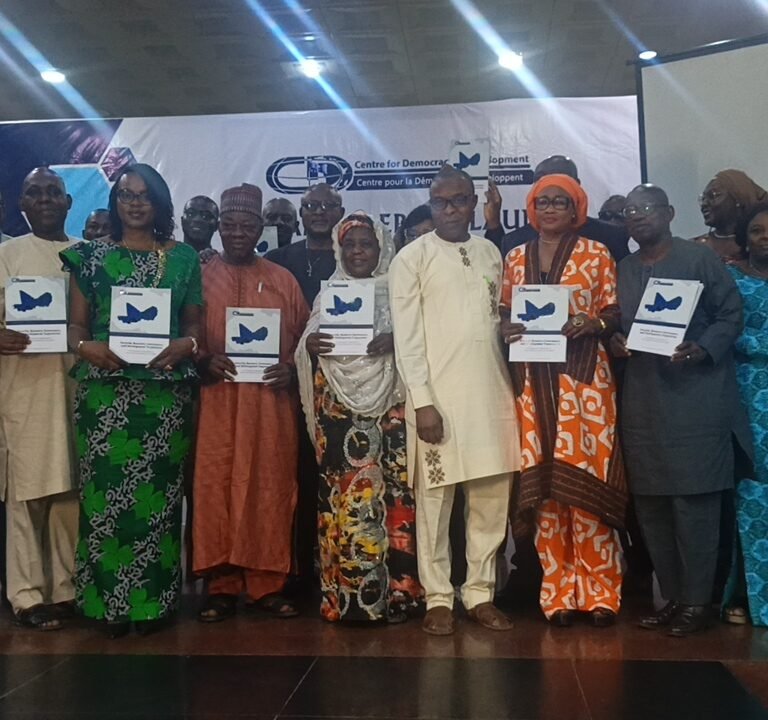
Nigeria and the wider West African region are facing a deepening governance and development crisis rooted in decades of policy missteps, weak democratic practice, and the growing influence of disinformation, experts have warned at the unveiling of the Centre for Democracy and Development (CDD)’s 2026–2031 Strategic Plan.
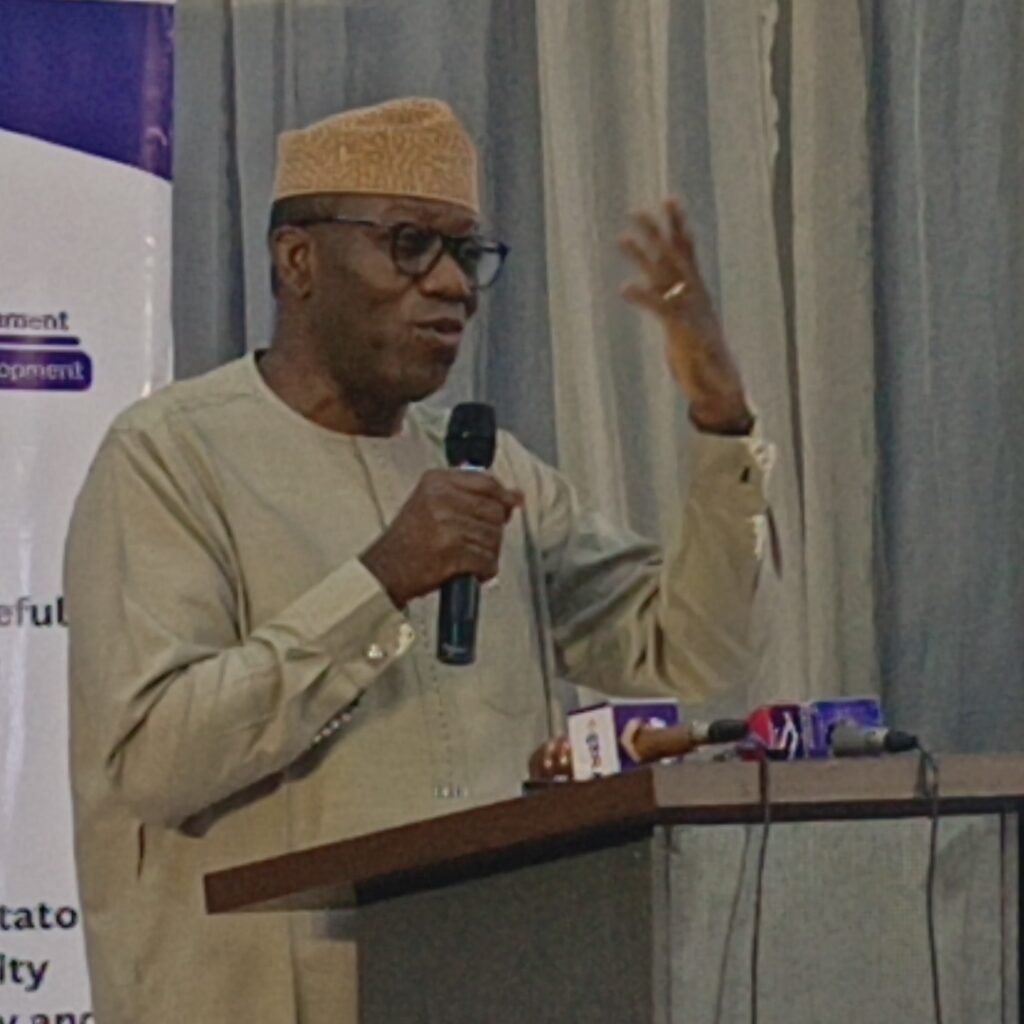
Delivering a keynote reflection, political economist. Professor Jibrin Ibrahim traced Nigeria’s stalled development trajectory to abandoned state-led economic planning and a shift toward market-driven policies that failed to deliver inclusive growth.
He recalled that Nigeria’s early post-independence development plans, beginning with the 1962–1968 national development framework under the Tafawa Balewa administration, prioritized infrastructure and industrialization. According to him, the country’s ambition to build a strong industrial base including the Ajaokuta Steel Complex was undermined by external resistance and policy inconsistency.
“Over 90 percent of that project was completed, yet it was stalled. That represents nearly 50 years of lost industrial development,” Ibrahim said.
He argued that Nigeria’s persistent poverty crisis stems from its inability to sustain people-centered development, warning that without deliberate state intervention, economic inequality and instability will continue to worsen.
“Today, Nigeria has more poor people proportionately than it did 20, 30, or even 50 years ago,” he noted, stressing that the constitutional mandate for state-led economic direction has been largely ignored.
Beyond Nigeria, discussions at the event highlighted a broader crisis of democracy across West Africa, where countries once considered stable democracies are now grappling with declining public trust and governance failures.
Speaking to journalists, CDD West Africa Director Dr. Dauda Garuba pointed to the growing role of disinformation in destabilizing democratic systems and legitimizing military takeovers in countries such as Mali, Niger, and Bokina Faso.
“In the last few years, we have seen how misinformation and disinformation often amplified through social media and AI-generated content are being used to promote military populism,” Garuba said.
He explained that viral narratives portraying military regimes as transformative have gained traction online, despite evidence on the ground suggesting otherwise.
“Thousands of manipulated videos and posts, especially on platforms like TikTok, are creating a false reality that these countries have suddenly become prosperous. But much of that is simply not true,” he added.
Garuba further noted that while social media has democratized information sharing through citizen journalism, it has also weakened traditional gatekeeping, enabling the rapid spread of false and misleading content.
On the state of democracy in Nigeria, he maintained that the challenge lies less in democratic principles and more in how political actors exploit the system.
“A system is only as good as those who operate it. What we see in Nigeria is the abuse of democratic structures, driven largely by the struggle for access to state resources,” he said.
Also weighing in, policy expert Egghead Odewole challenged the popular notion of the “dividends of democracy,” arguing that infrastructure alone does not define democratic success.
“Democracy should guarantee fundamental rights freedom of expression, security, and participation in governance. These are the true dividends, and many Nigerians would argue that these are still lacking,” he said.
Odewole warned that declining security and limited citizen participation between election cycles have weakened democratic accountability, creating conditions where some populations in the Sahel now perceive military rule as a viable alternative.
He emphasized that democracy must go beyond periodic elections, calling for sustained citizen engagement and institutional reforms that ensure inclusivity and responsiveness.
The event also featured a panel discussion themed “Democracy Failing or the People Failing?”, where participants examined the complex interplay between leadership failures, citizen responsibility, and systemic weaknesses.
A recurring consensus emerged: West Africa’s democratic crisis is not simply a binary struggle between civilian and military rule, but a deeper governance challenge requiring structural reforms, economic inclusion, and credible information ecosystems.
As CDD rolls out its new five-year strategic plan, stakeholders say the path forward must prioritize rebuilding trust in democratic institutions, countering disinformation, and re-centering governance around the needs of the people.