
By Gabriel Ameh
📍Abuja | Media360Impact Report
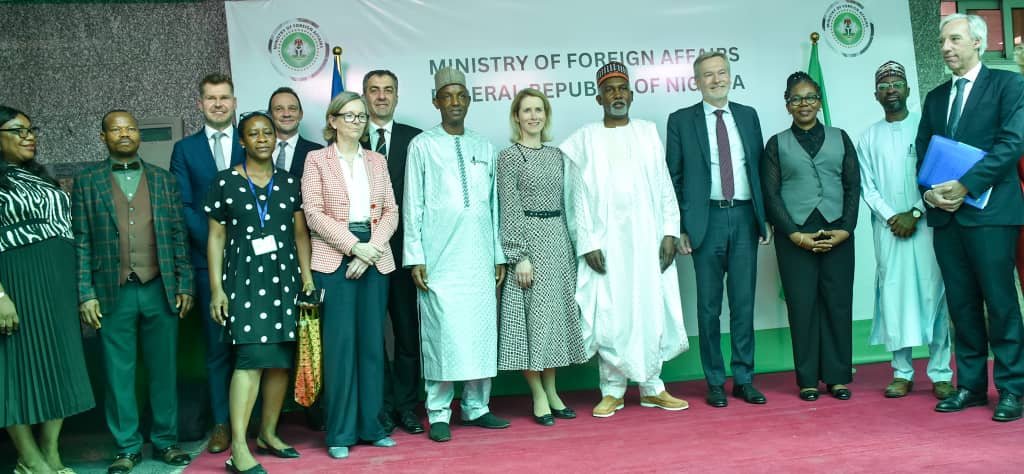
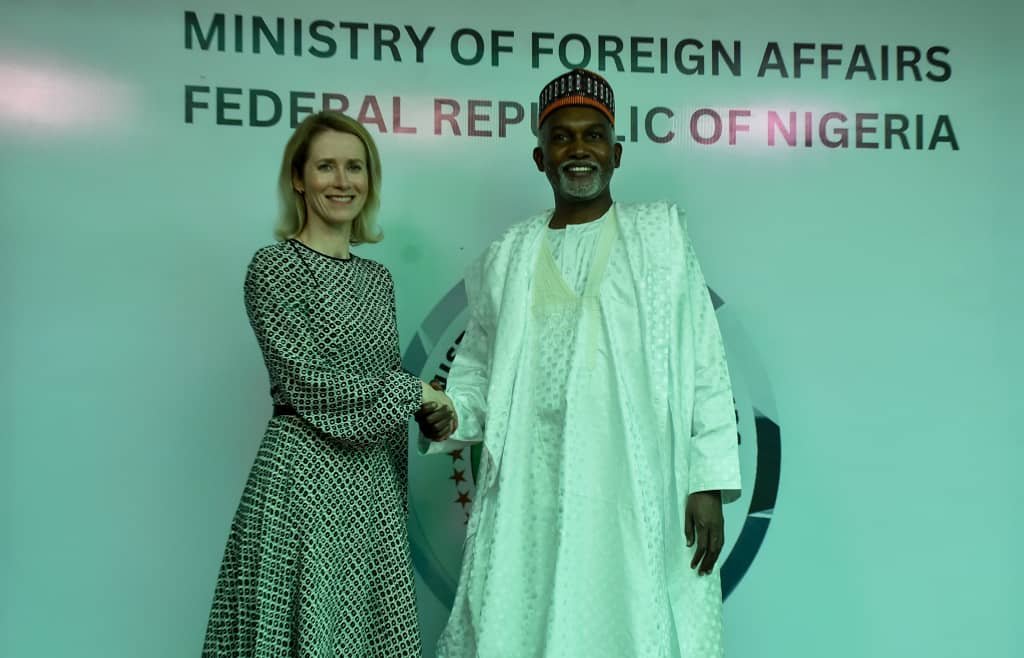
Nigeria and the European Union (EU) have reaffirmed their commitment to strengthening bilateral relations and expanding cooperation across key sectors following the 8th Nigeria–EU Ministerial Dialogue held in Abuja.
This was signed by Kimiebi Imomotimi Ebienfa, Spokesperson Ministry of Foreign Affairs, Abuja
Monday, 23 March 2026
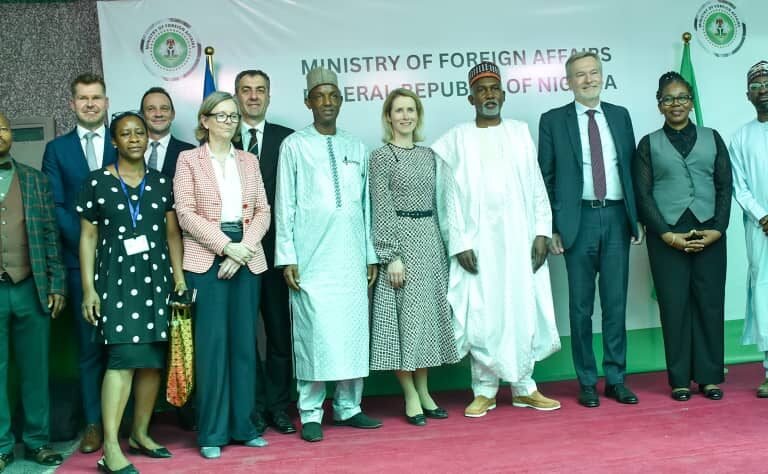
According to the statement the high-level meeting, which took place on Monday at the Ministry of Foreign Affairs, brought together senior government officials, diplomats, and representatives of various Ministries, Departments, and Agencies (MDAs) from both sides to review existing relations and explore new areas of collaboration.
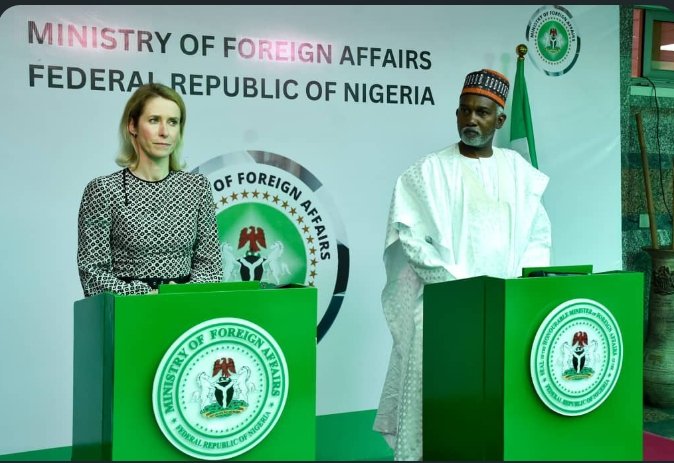
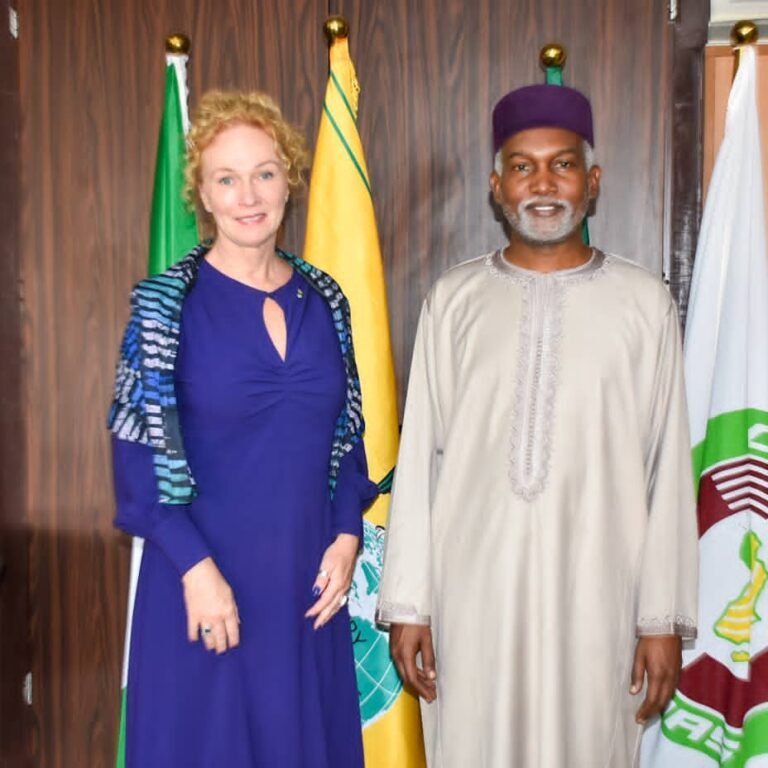
Nigeria’s delegation was led by the Minister of Foreign Affairs, Ambassador Yusuf Maitama Tuggar, while the EU team was headed by Kaja Kallas, the EU High Representative for Foreign Affairs and Security Policy and Vice-President of the European Commission.
Speaking at the opening, Tuggar highlighted the long-standing relationship between Nigeria and the EU, describing it as one built on mutual respect, shared values, and commitment to multilateralism. He noted that the dialogue, themed “Partnership for Sustainable Development and Security,” reflects both sides’ resolve to deliver meaningful outcomes for citizens.
The EU reaffirmed Nigeria’s importance as a strategic partner in Africa, emphasizing ongoing collaboration in areas such as peace and security, trade and investment, digital transformation, climate action, and migration management.
Discussions on security focused on counterterrorism efforts, maritime safety in the Gulf of Guinea, and stability in the Sahel region. Nigeria also commended EU support to the Multinational Joint Task Force (MNJTF), while both parties agreed on the need for stronger regional cooperation, including support for ECOWAS.
On the economic front, both sides acknowledged the EU as one of Nigeria’s largest trading and investment partners, with over 200 European companies operating in the country.
They agreed to expand cooperation beyond oil and gas into agriculture, manufacturing, digital economy, and industrial innovation. The EU also highlighted investments under its Global Gateway initiative.
Energy and climate discussions centered on the need for a balanced transition to renewable energy. Nigeria reiterated its commitment to global climate goals while expressing concerns over the potential impact of the EU’s Carbon Border Adjustment Mechanism on developing economies.
The dialogue also explored Nigeria’s growing role as a digital innovation hub, with both sides identifying opportunities in research, digital payments, startup financing, and participation in EU programmes such as Horizon Europe.
On migration, progress was recorded with the initialling of the Nigeria–EU Readmission Agreement, alongside discussions on legal migration pathways, labour mobility, and efforts to combat human trafficking and irregular migration.
Nigeria further appreciated EU humanitarian support for internally displaced persons (IDPs), with both parties agreeing to strengthen cooperation in humanitarian response and resilience-building.
The meeting concluded with a renewed commitment to deepen collaboration across priority areas, including security, trade, governance, migration, and sustainable development, marking another milestone in Nigeria–EU relations.