
By Gabriel Ameh
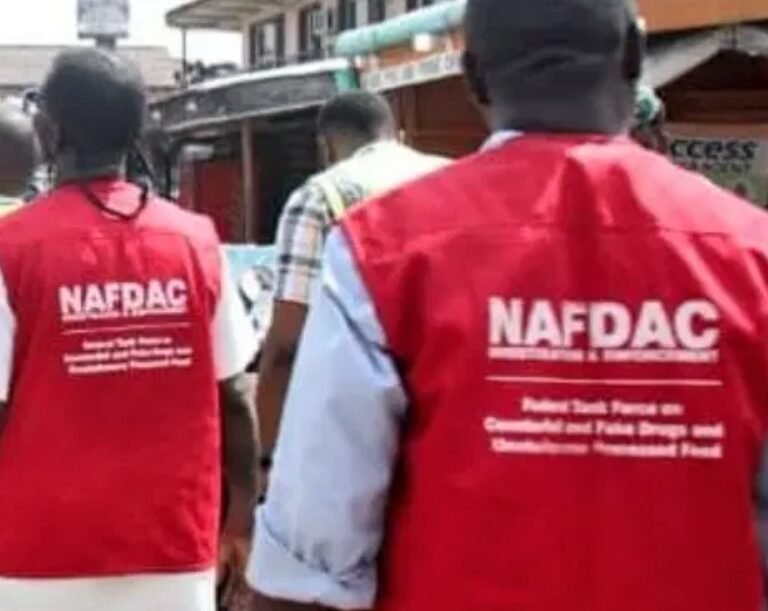
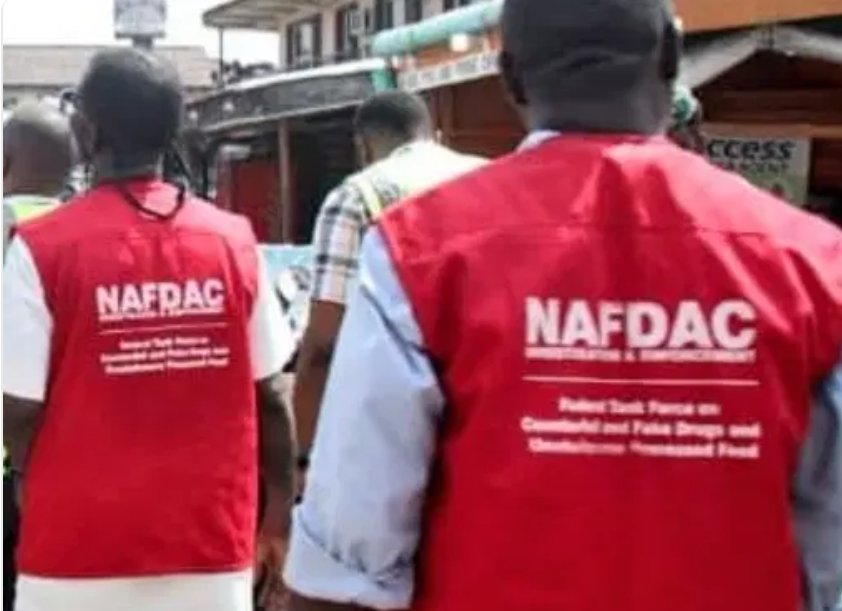
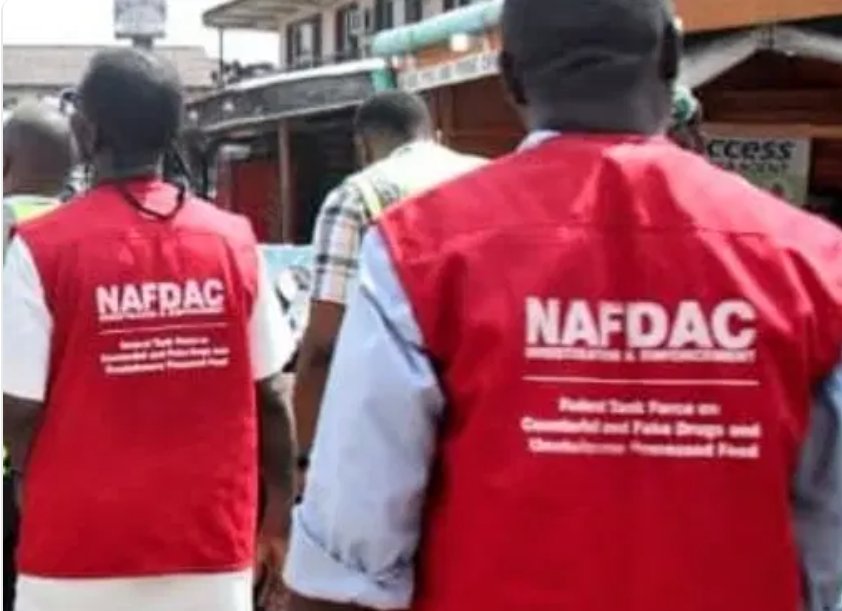
The National Agency for Food and Drug Administration and Control (NAFDAC) has destroyed unwholesome products valued at approximately ₦22.73 billion and recorded 52 arrests in eight months as it intensifies its crackdown on fake, substandard and unsafe regulated products across Nigeria.
The agency disclosed that it conducted 5,542 enforcement activities between January and August 2026, including 213 raids, leading to the seizure of 821 products, closure of 179 premises and the imposition of 221 sanctions.
The enforcement figures were among the regulatory achievements presented by NAFDAC at the International Pharmaceutical Regulators Programme (IPRP) Management Committee Meeting held in Prague, Czech Republic, from November 18 to 19, 2026.
Beyond its enforcement activities, the agency reported significant progress in local pharmaceutical manufacturing, revealing that more than 70 per cent of finished pharmaceutical products covered by its 5+5 policy and Ceiling 36 are now being manufactured in Nigeria.
The development is expected to strengthen local medicine production, reduce dependence on imported pharmaceutical products and improve the country’s medicine security.
NAFDAC also announced that Nigeria had sustained its World Health Organisation (WHO) Maturity Level 3 status and was working towards attaining Maturity Level 4, the highest level under the WHO Global Benchmarking Tool.
The agency identified digital innovation as a major part of its efforts to improve regulatory efficiency and achieve the next maturity level.
Some of the digital platforms highlighted include the Integrated Regulatory Information Management System (IRIMS), Performance Management System (i-PMS), GMP Inspection (GMPi), Application and AI-assisted Technical Screening Tools (TST), as well as the revised Med Safety App.
According to the agency, the updated Med Safety App is designed to improve the reporting of adverse drug reactions and suspected substandard and falsified medical products.
NAFDAC also highlighted Nigeria’s growing role in pharmaceutical regulation across Africa, noting that it had emerged as a reference National Regulatory Authority.
The agency said it had hosted regulatory authorities from Uganda, The Gambia, Mozambique and Côte d’Ivoire for technical capacity building and institutional benchmarking.
Another development highlighted was Nigeria’s ratification of the African Medicines Agency (AMA) Treaty, with the instruments of ratification deposited on October 25, 2026.
NAFDAC attributed the progress to the leadership of its Director-General, Professor Mojisola Christianah Adeyeye, alongside efforts to strengthen institutional capacity, promote science-based regulation and expand international cooperation.
The agency reaffirmed its commitment to protecting public health, strengthening Nigeria’s pharmaceutical industry and positioning the country as a leading pharmaceutical regulatory authority in Africa.
The enforcement figures underline the scale of the challenge facing Nigeria’s drug and consumer-product regulatory system, while raising the importance of sustained monitoring to ensure that fake, substandard and unsafe products do not reach consumers.
For Nigerians, effective regulation remains critical to ensuring that medicines, food and other regulated products available in the market meet established safety and quality standards.