
0-0x0-0-0-{}-0-0#
By Gabriel Ameh
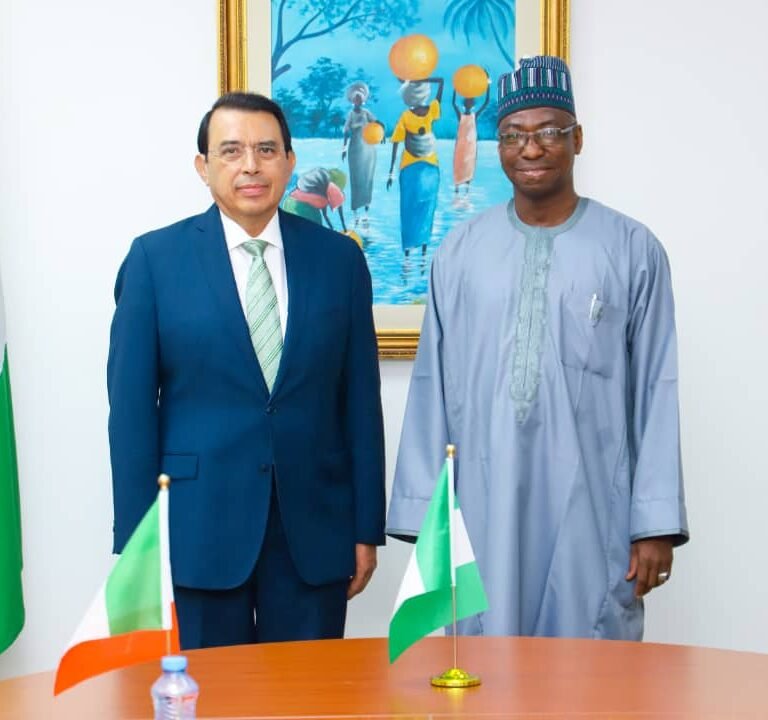
Iran has reaffirmed its commitment to deepening bilateral relations with Nigeria, with a focus on cooperation in energy, agriculture, healthcare, technology, and education.
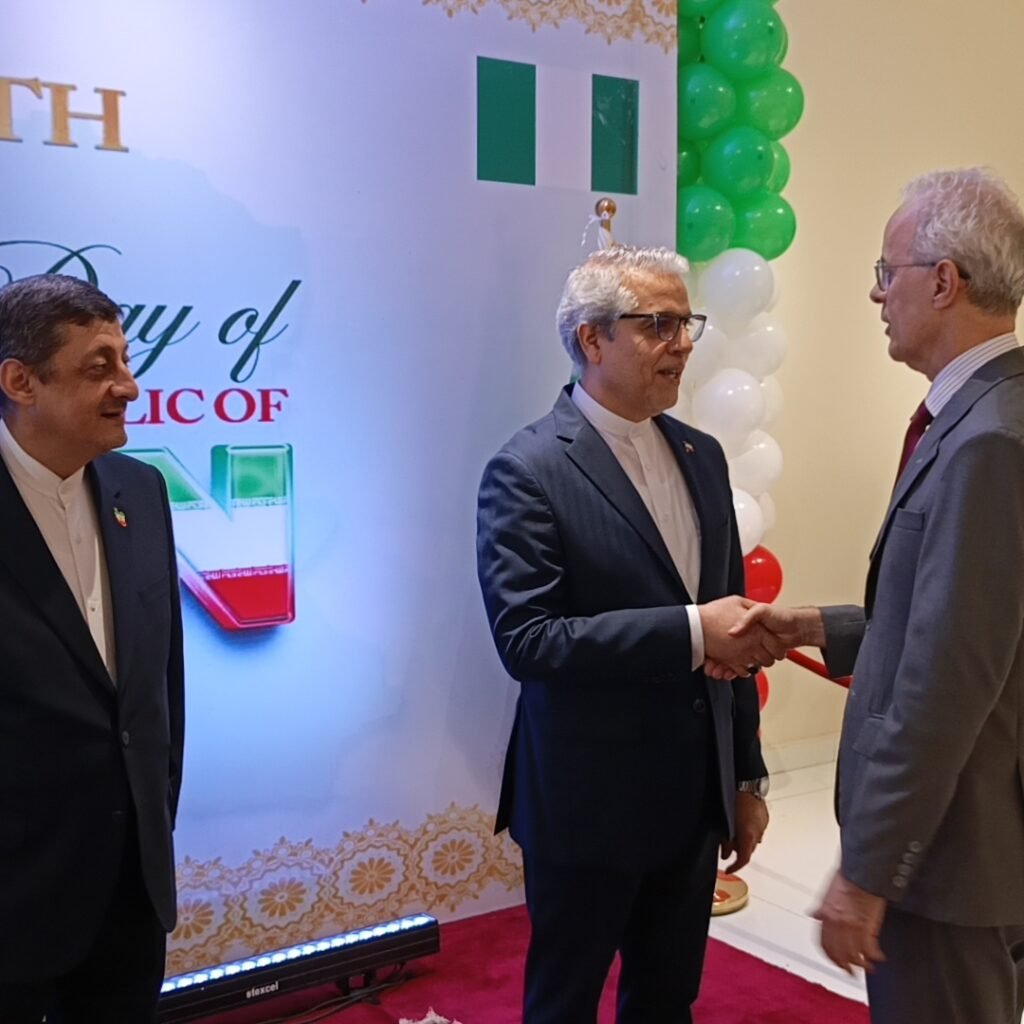
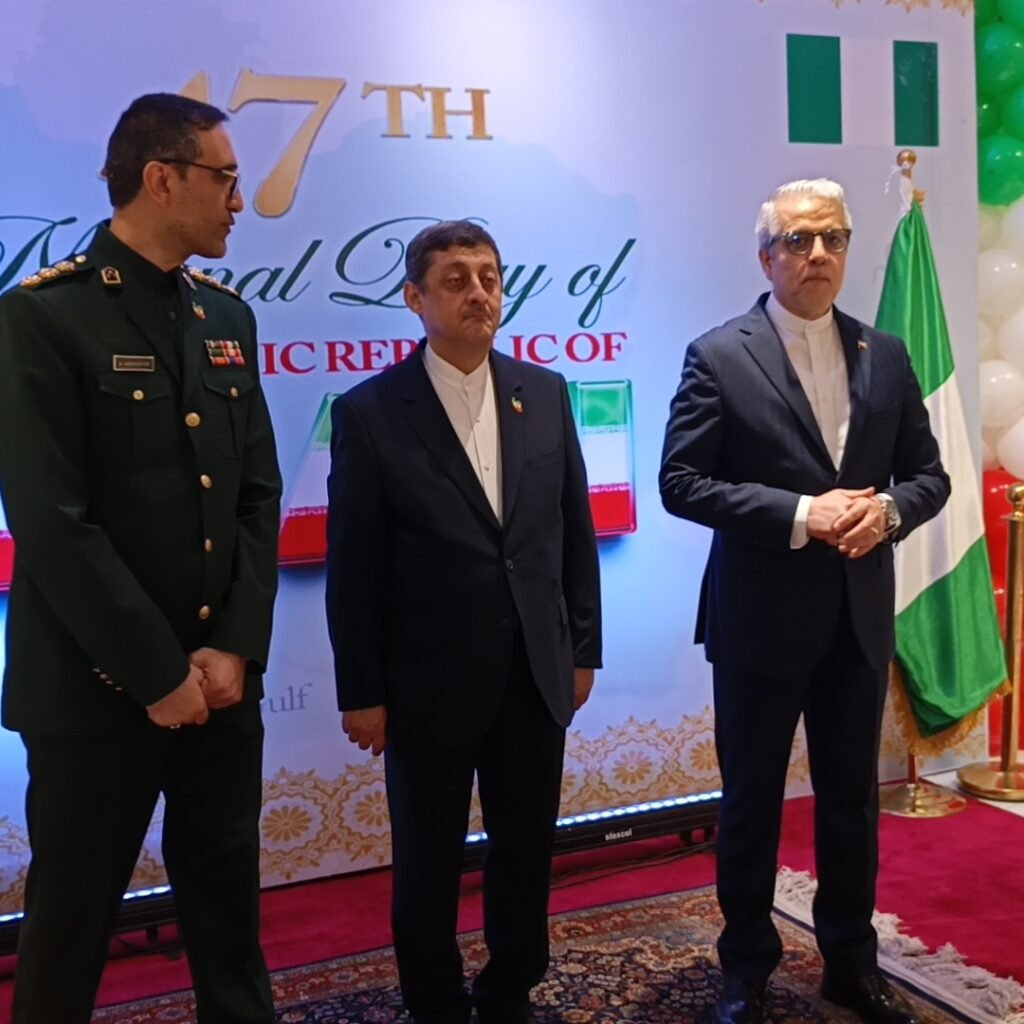
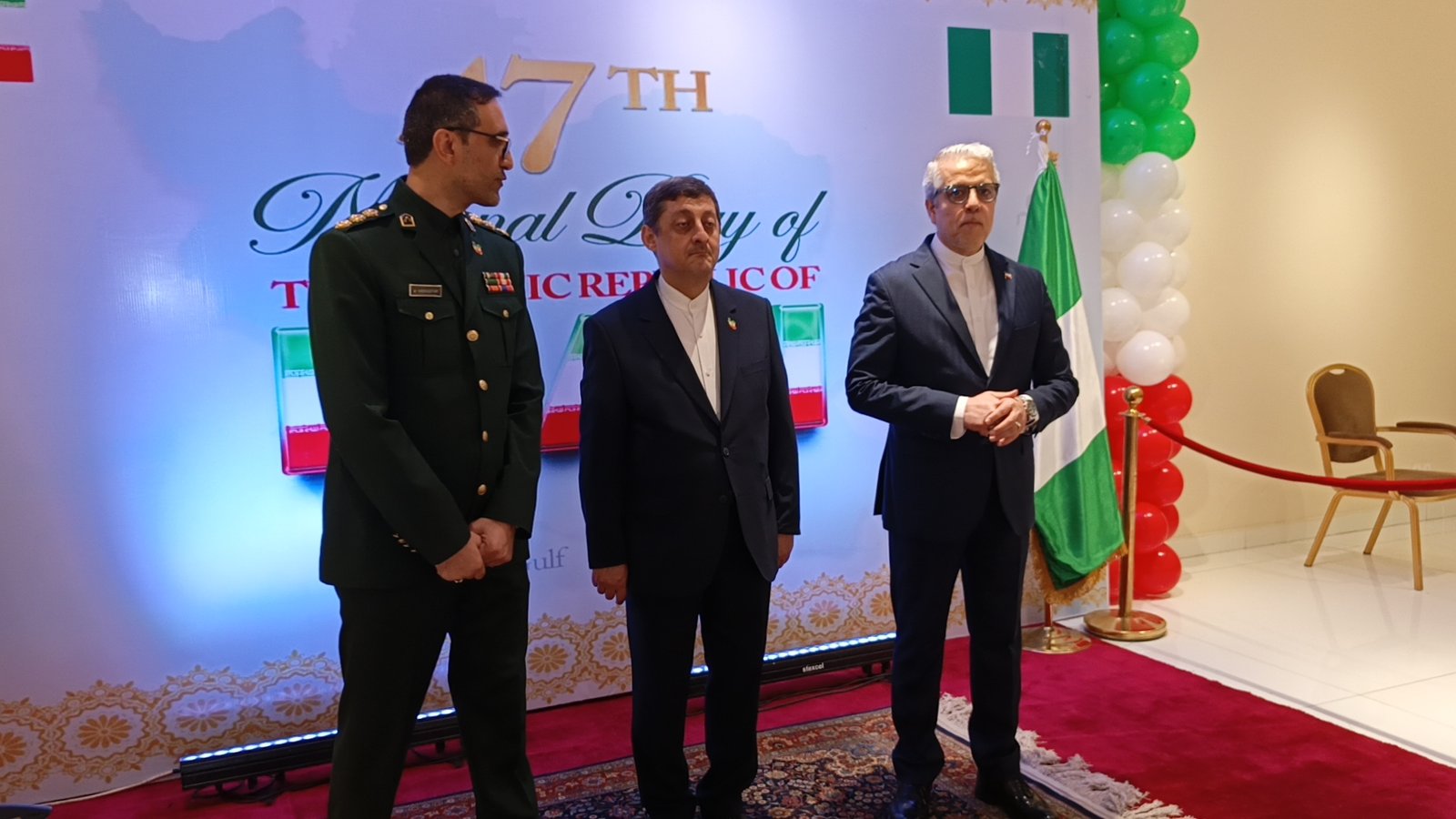
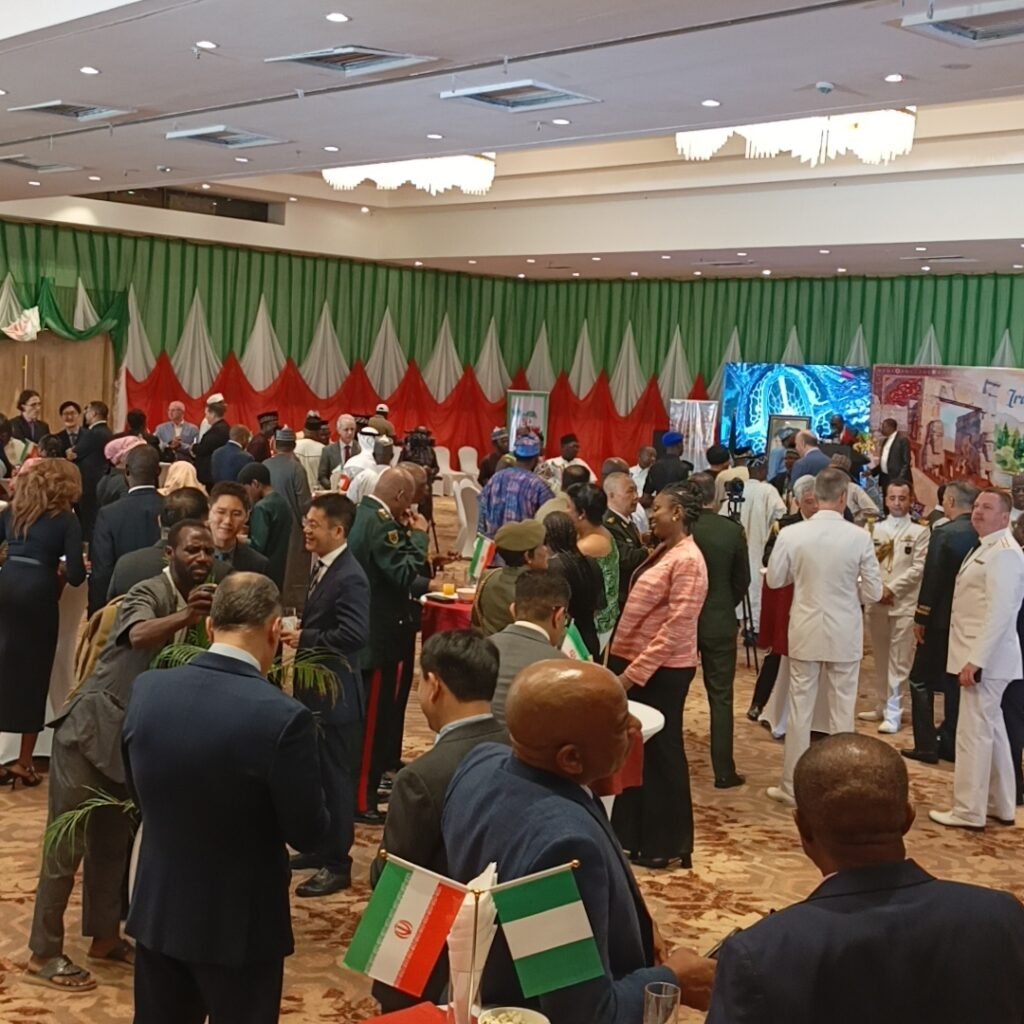
Speaking in Abuja during the 47th anniversary of the Islamic Revolution, Iran’s Ambassador to Nigeria, Mahdavi Raja, described Nigeria as a priority partner in Tehran’s foreign policy, citing the country’s strategic position in West Africa, large market, and human capital as strong grounds for mutually beneficial engagement.
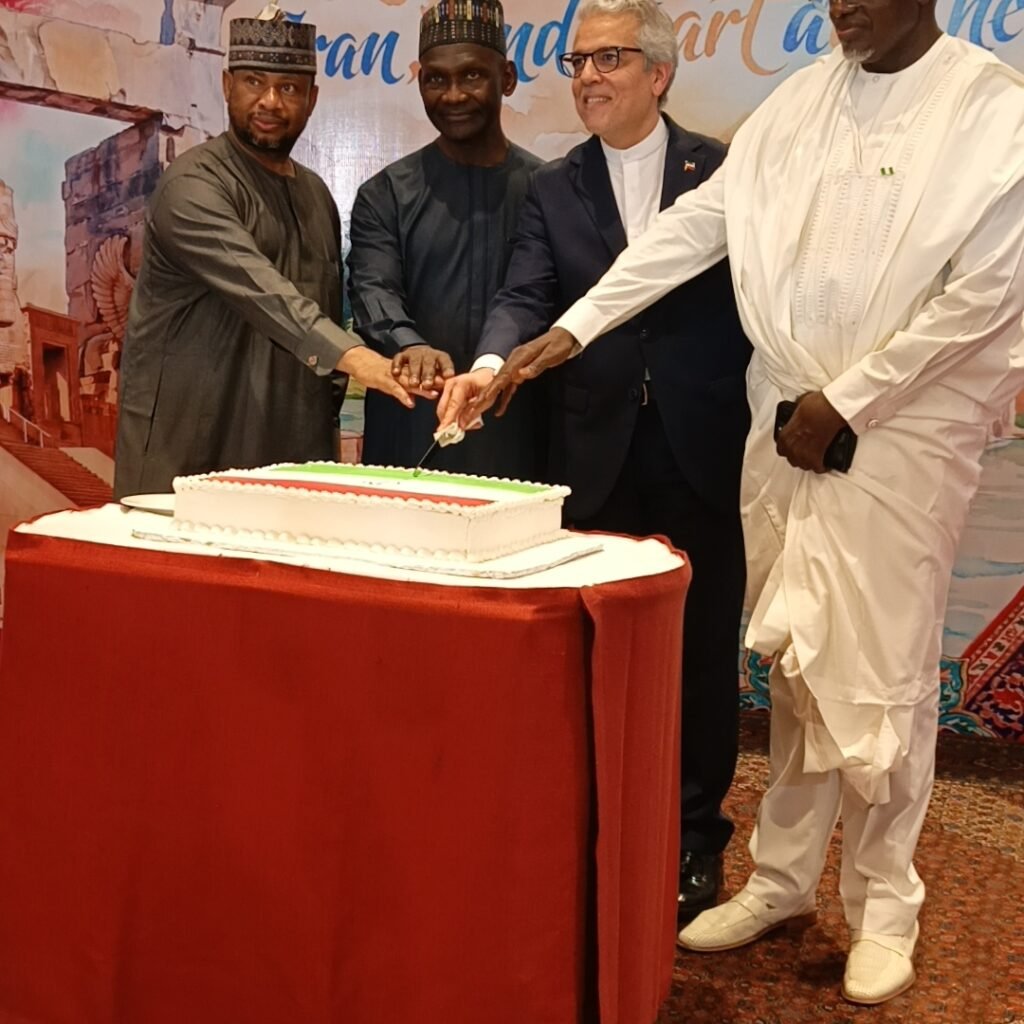
“Nigeria holds a special place in Iran’s foreign policy. Our expertise across multiple sectors positions Iran as a reliable partner for Nigeria’s sustainable development,” the ambassador said.
He thanked the Federal Government of Nigeria, members of the diplomatic corps, and guests for honouring the anniversary event.
Representing the Minister of Foreign Affairs, Ambassador Yusuf Tuggar, the ministry’s Permanent Secretary, Ambassador Dunoma Umar Ahmed, said Nigeria considers Iran an important Middle Eastern nation and a valued member of the international community.
He noted that relations between both countries continue to be guided by mutual respect and constructive engagement through bilateral and multilateral platforms, including the United Nations.
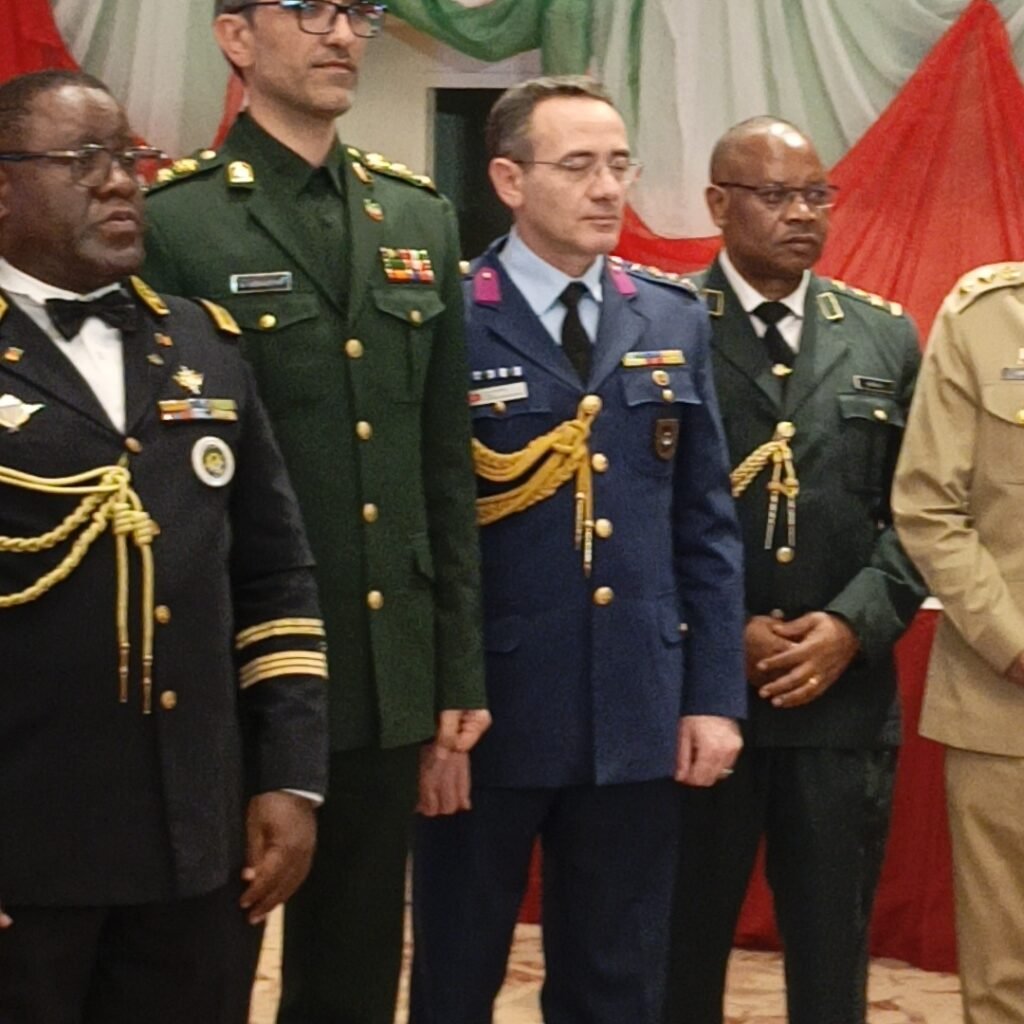
Officials noted that trade between the two countries has grown steadily in recent years, covering energy-related products, agricultural commodities, manufacturing inputs, and consumer goods—areas that reflect the complementary strengths of both economies.
Bauchi State Governor, Bala Mohammed, said Iran remains a key partner for trade, investment, and economic self-reliance. He revealed that an Iranian firm is setting up a lead and zinc processing industry in the state to develop a full value chain. Discussions are also ongoing with Iranian investors in agriculture and livestock development, including modern ranching and breeding technologies aimed at improving productivity.
Reflecting on Iran’s national development, Ambassador Raja said the 1979 Islamic Revolution marked a turning point for the country’s sovereignty and resilience. He said that despite decades of sanctions, Iran has made advances in science, technology, healthcare, industrial production, and infrastructure, building a diversified economy.
He added that Iran remains committed to dialogue, multilateral cooperation, and stronger relations with countries across regions, including Nigeria.