
By Gabriel Ameh
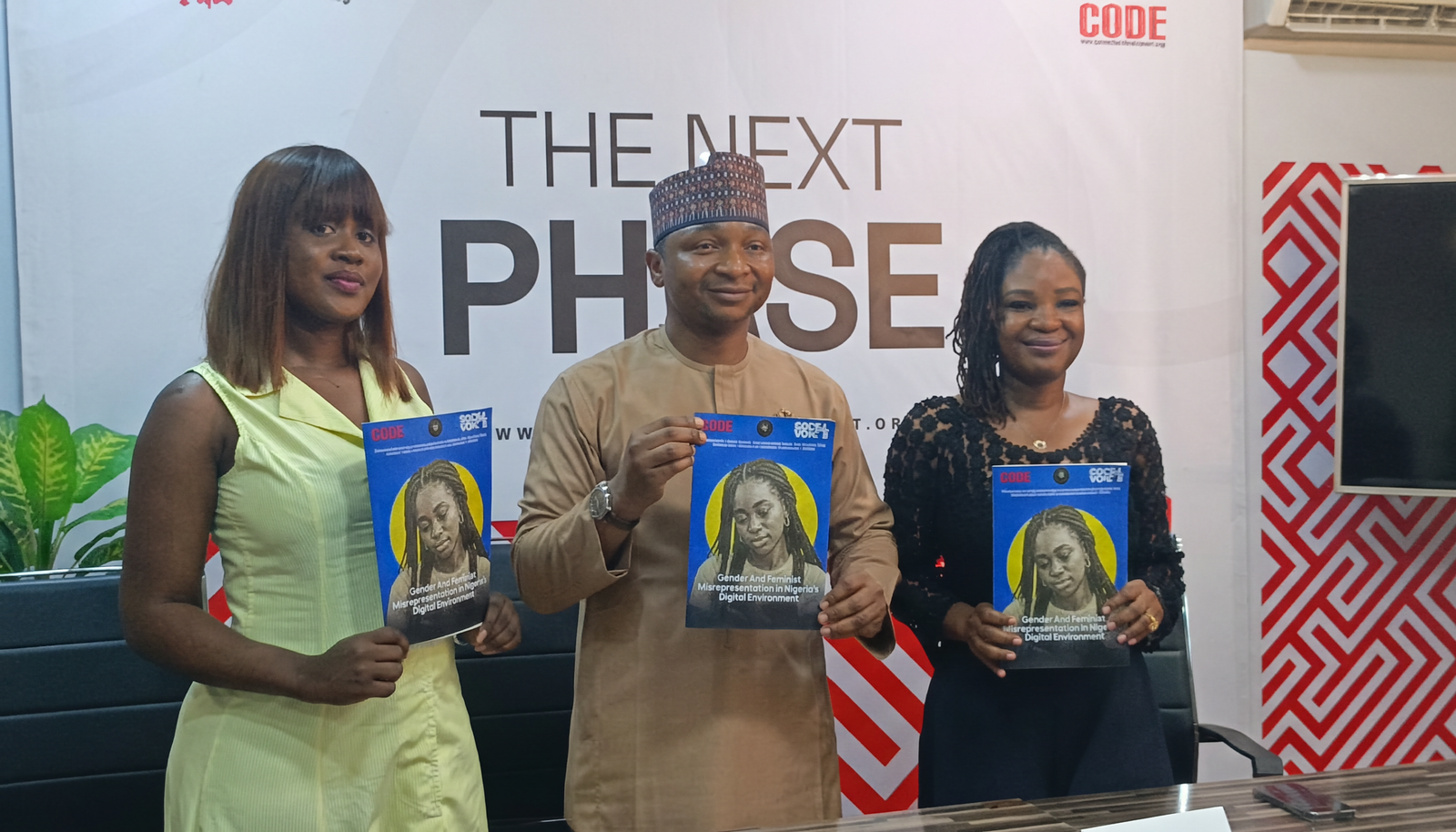
Connected Development founder, Hamzat Lawal, has called on governments at all levels to strengthen transparency and accountability in public spending, warning that Nigerians should not continue bearing the burden of policies without seeing improvements in basic services.
Lawal made the call following his return to the organisation after completing a Master’s degree in Governance, Development and Public Policy at the Institute of Development Studies, University of Sussex, United Kingdom.
Reflecting on Nigeria’s governance challenges, he said insecurity, rising living costs, weak budget implementation, poor healthcare funding and limited access to education remain issues requiring urgent attention.
He argued that security challenges have moved beyond the protection of lives to affect food production, education and livelihoods, as farmers struggle to access their farms and families continue to face the consequences of abductions and violence.
Lawal also expressed concern over the disconnect between economic reforms and the realities facing ordinary Nigerians, particularly households struggling with food prices and the cost of living.
He said economic improvements should be measured by their impact on ordinary people, including traders, workers and families struggling to meet daily needs.
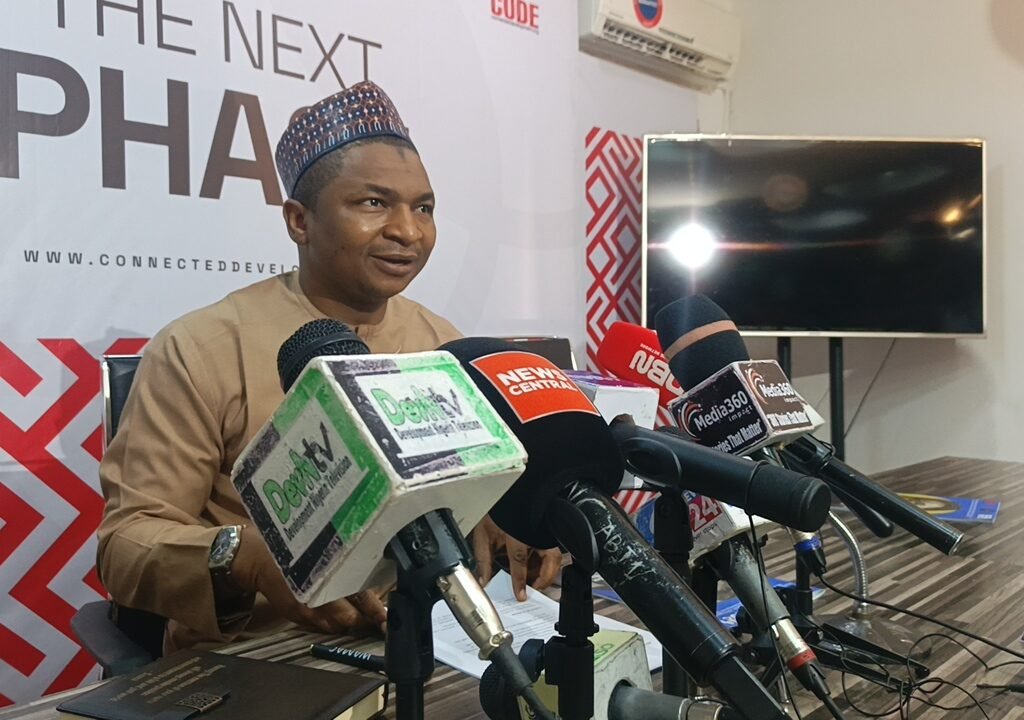
On taxation, Lawal said government efforts to increase revenue must be accompanied by transparency, accessible public budgets, published contracts and visible improvements in public services.
He maintained that citizens have the right to demand accountability for the taxes they pay, warning that revenue collection without transparency could increase the burden on Nigerians.
Lawal also raised concerns about budget implementation, particularly the accumulation of unfinished projects and delays in releasing capital funds, which he said undermine the credibility of government promises.
He said Connected Development would continue using its Follow The Money initiative to monitor government projects, track public spending and report whether funds allocated to projects reach the communities they are meant to serve.
The organisation is also expanding its accountability work to local governments, urging council chairmen to publish their budgets, allocations and audited accounts.
According to Lawal, local governments remain the closest level of government to citizens, particularly through primary schools, health centres, roads and other community services.
He called for improved transparency in local government finances, stressing that citizens should be able to track what councils receive and how the money is spent.
On healthcare, Lawal called on state governments to access available funding under the Basic Health Care Provision Fund and publish details of expenditure to enable communities monitor the delivery of services.
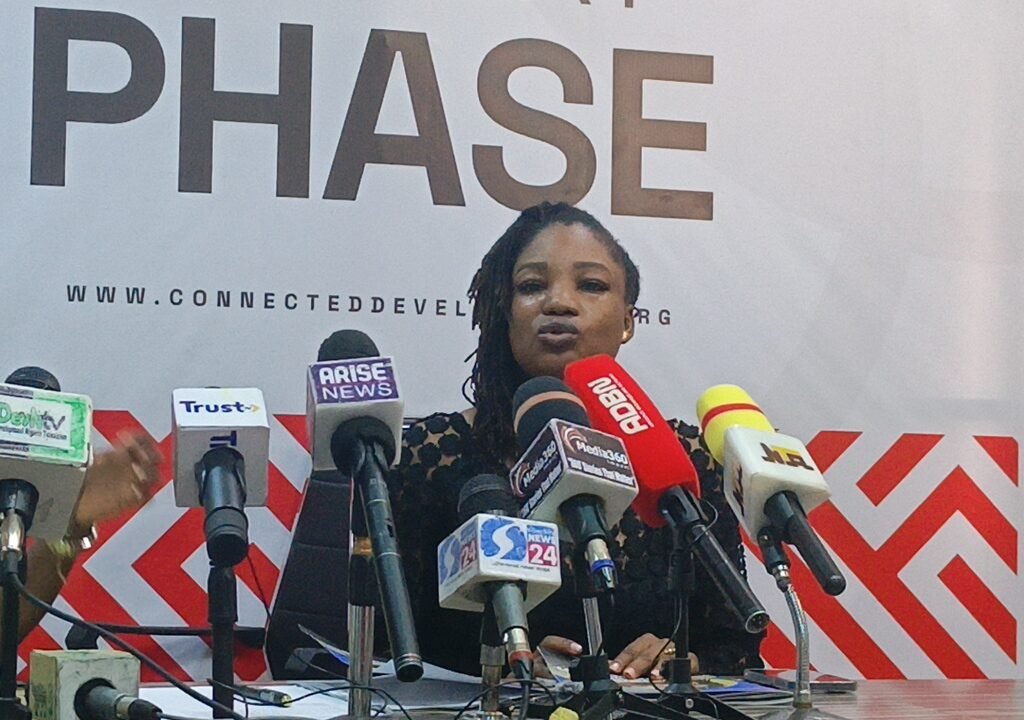
He said accountability in healthcare spending was critical to addressing the challenges faced by patients who visit public health facilities without finding adequate staff, medicines and essential services.
Lawal also urged governments to address the country’s education crisis, warning that millions of children remain outside the classroom and risk losing opportunities to contribute to national development.
He called on young Nigerians to participate actively in democratic processes, obtain their voter cards, scrutinise candidates and demand evidence of performance from elected officials.
Lawal said public accountability should not end after elections, insisting that citizens must continue monitoring government spending, projects and promises long after leaders assume office.