
By Gabriel Ameh
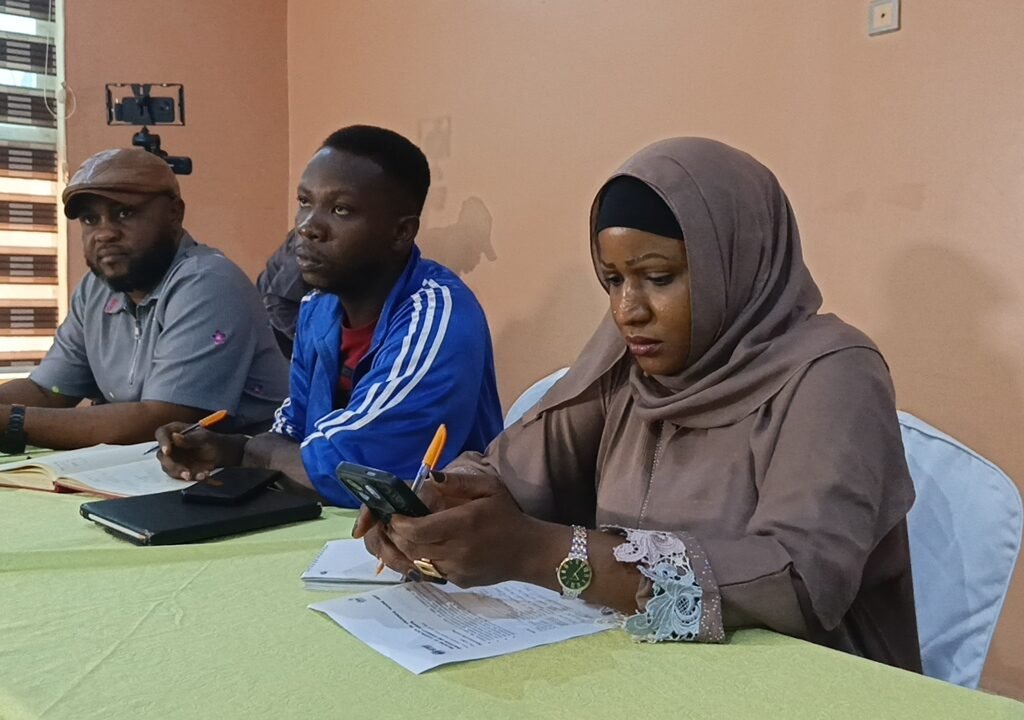
Abuja — Journalists and media professionals have been trained on disability rights, inclusion, and ethical reporting, with a strong call to eliminate stereotypes and promote dignity for persons with disabilities.
The training, held at Candellux Imperial Hotel in Garki, Abuja, focused on strengthening media capacity to report accurately, ethically, and sensitively on disability issues, in line with the Discrimination Against Persons with Disabilities (Prohibition) Act, 2018.
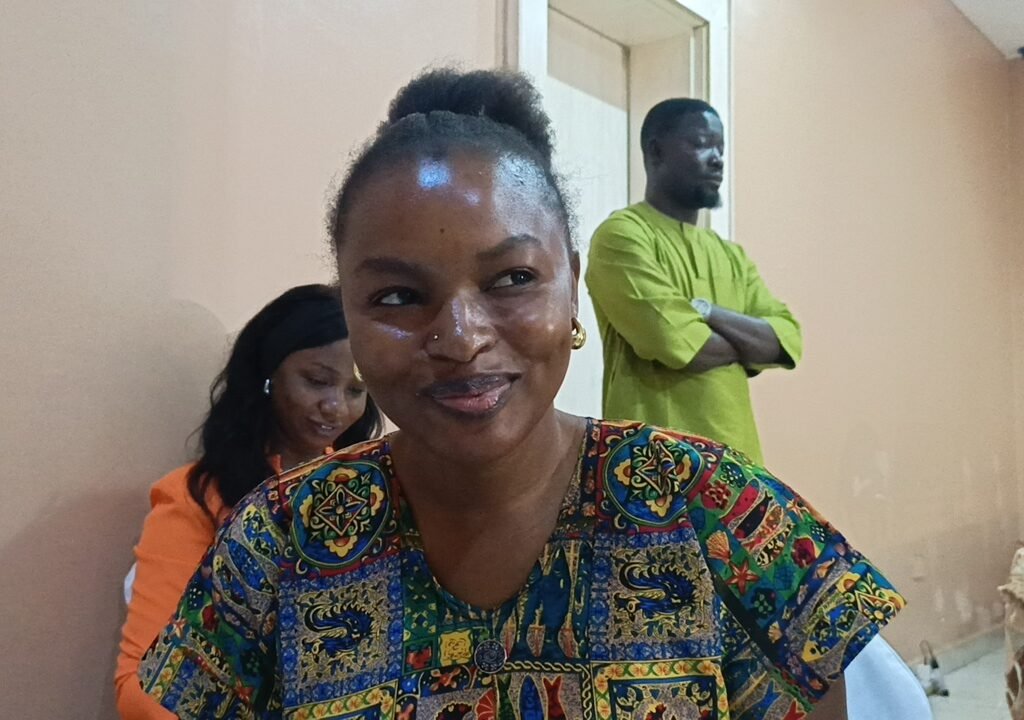
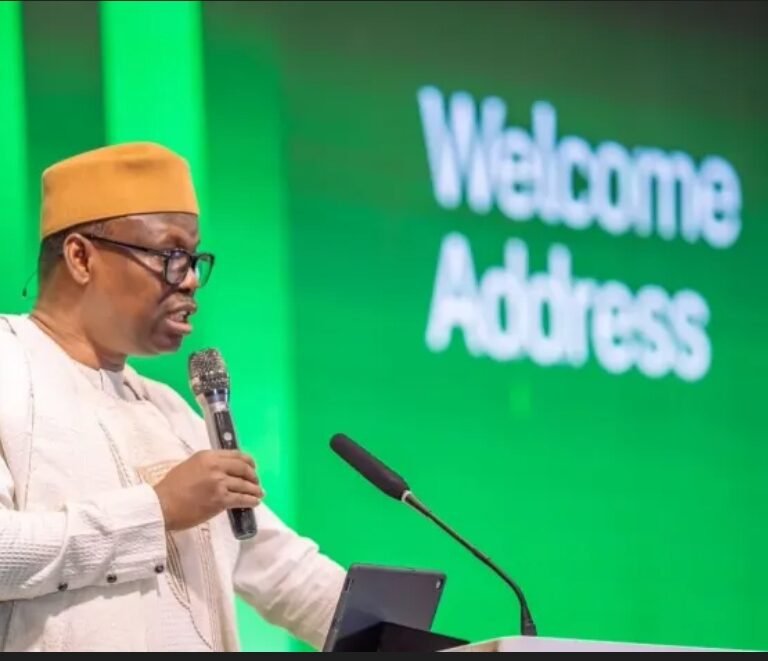
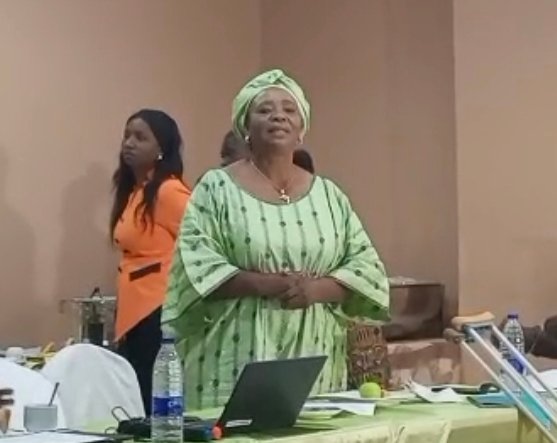
In her welcome address, the Executive Director of the foundation, Mrs. Peters Ogunmoujer, emphasized the critical role of the media in shaping public perception and advancing inclusion.
She urged journalists to adopt responsible storytelling that respects the rights and dignity of persons with disabilities while promoting awareness of existing legal protections.
A key session led by Musa Muazu provided an overview of disability rights and inclusion, stressing that discrimination against persons with disabilities is a punishable offence under Nigerian law.
According to the Act, individuals found guilty of discrimination risk fines of up to ₦100,000 or six months imprisonment, while organizations may face fines of up to ₦1,000,000.
The law also guarantees accessibility, mandating that public buildings, roads, transport systems, and infrastructure must be designed to accommodate persons with disabilities, including the provision of ramps, lifts, and accessible pathways.
Participants were also informed that persons with disabilities have the right to seek legal redress even after offenders have been prosecuted, reinforcing accountability.
Speaking on the role of the media, Mr. Christopher Okafor highlighted the dangers of stereotypical and pity-driven narratives in reporting disability issues.
He cautioned journalists against framing stories in ways that reinforce discrimination or portray persons with disabilities as helpless or extraordinary for living normal lives.
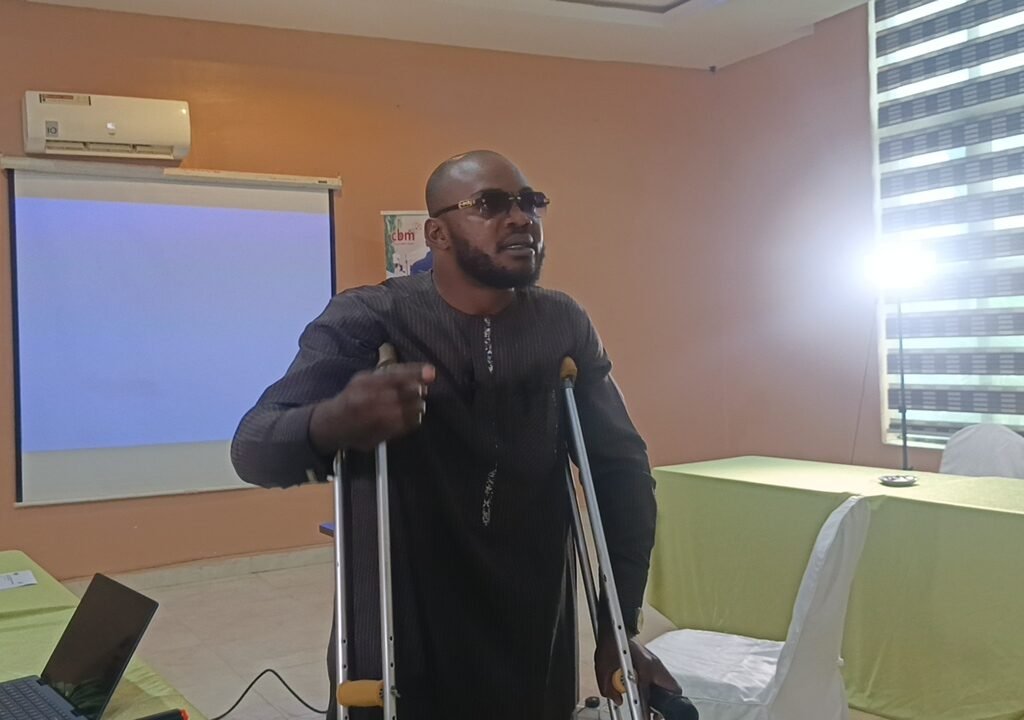
Okafor cited examples where media reports present marriage or achievements of persons with disabilities as unusual, noting that such narratives subtly promote exclusion.
He stressed the need for a shift toward rights-based reporting that focuses on access, equality, and systemic challenges rather than personal sympathy stories.
The training also underscored the importance of using inclusive language, avoiding harmful captions, and highlighting critical issues such as access to transportation, public infrastructure, and social services.
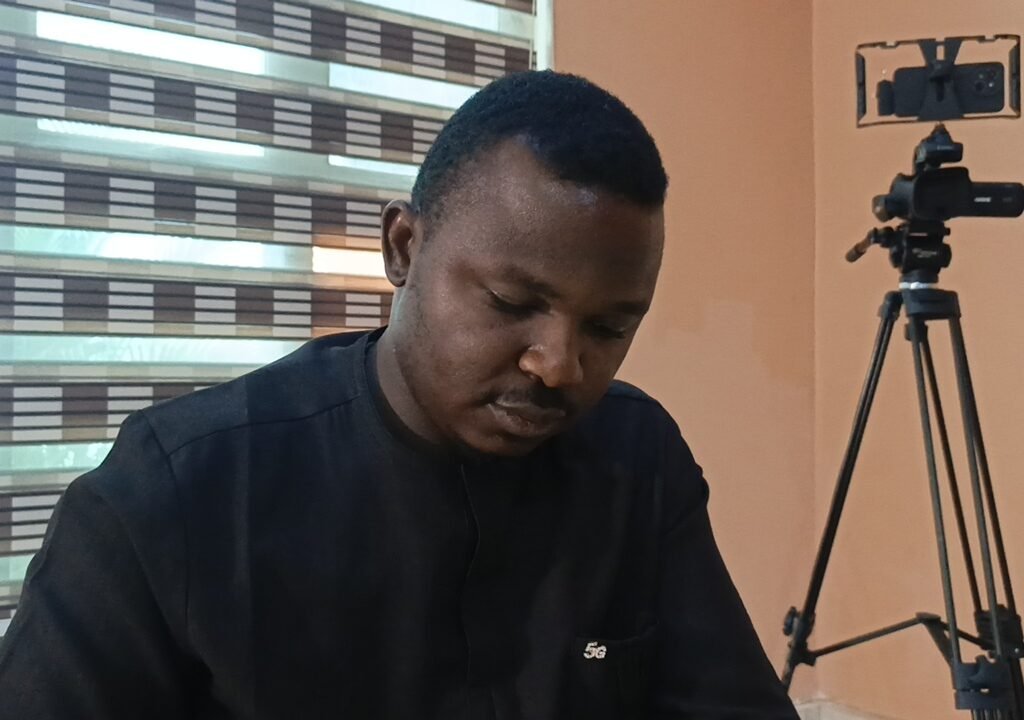
Participants were encouraged to use their platforms to influence policy, promote awareness, and contribute to a more inclusive society.