
By Micheal Onjewu
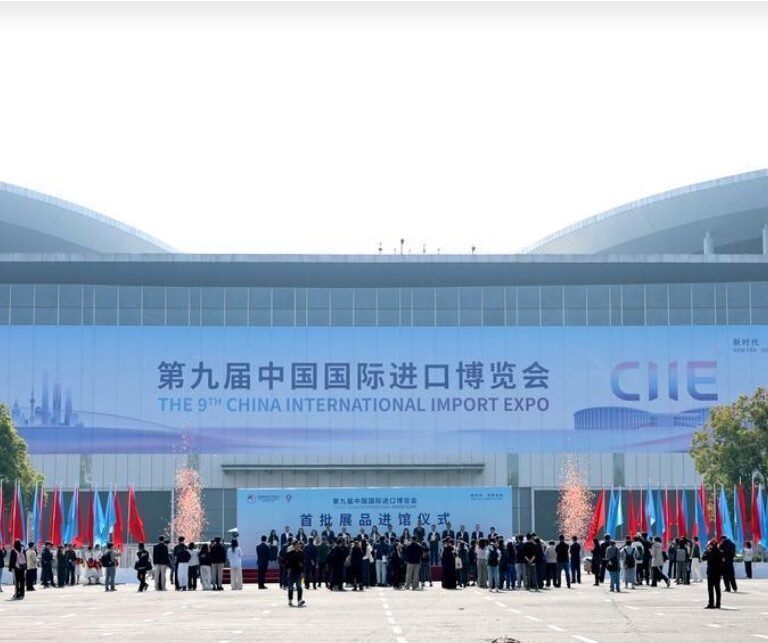
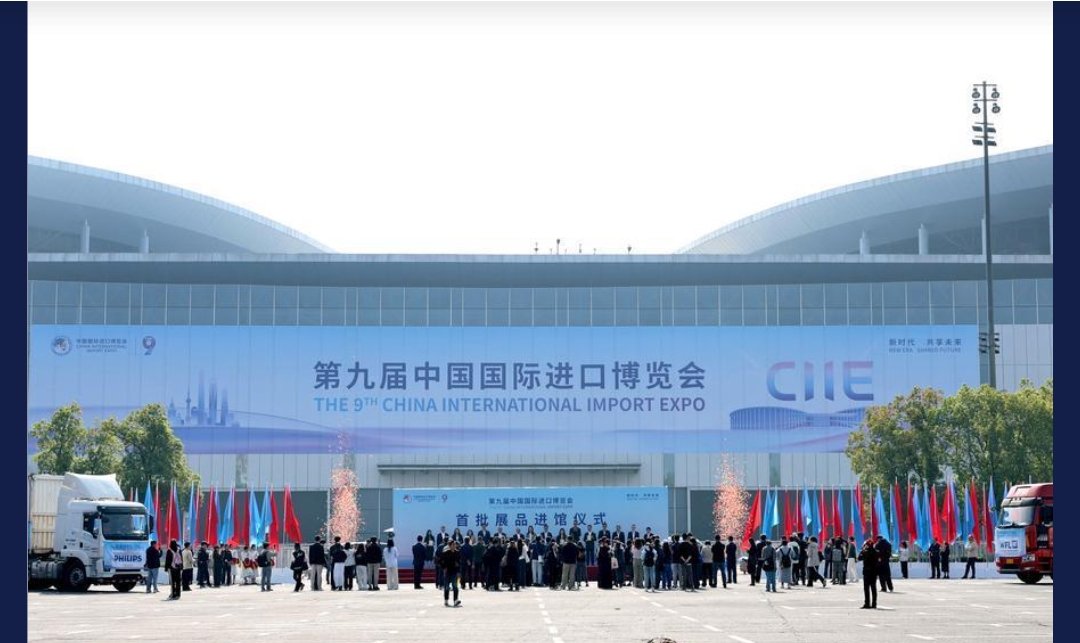
African businesses are set to gain greater access to China’s huge consumer market as the ninth China International Import Expo (CIIE) prepares to showcase products from across the continent and connect exporters with Chinese buyers.
The expo, scheduled to hold in Shanghai from November 5 to 10, 2026, is expected to provide fresh opportunities for African exporters, particularly small and medium-sized businesses seeking international markets.
Trade has remained a major pillar of Africa-China relations, with several initiatives introduced to improve market access, reduce transaction costs and strengthen commercial ties between both sides.
Among these measures is China’s zero-tariff treatment for products from 53 African countries with which it maintains diplomatic relations, effective May 1, 2026.
Other initiatives include the establishment of green channels for African agricultural products and the expanded use of China’s Cross-Border Interbank Payment System (CIPS) by African financial institutions to facilitate international trade payments.
These measures are expected to improve the competitiveness of African products and make it easier for businesses to access Chinese consumers.
Established in 2018, the China International Import Expo is the world’s first national-level exhibition dedicated to imports. It was created to promote China’s opening-up policy and provide international businesses with access to its domestic market.
According to the report, preparations for the ninth edition are largely complete, with 162 countries, regions and international organisations expected to participate alongside 4,142 overseas exhibitors.
For African businesses, the expo offers more than an opportunity to display products. It provides a platform to establish commercial relationships, meet potential buyers and secure export contracts.
Several African products, including Zambian honey, Nigerian cashew nuts, Beninese pineapples and Kenyan flowers, have reportedly secured market opportunities in China through previous editions of the expo.
South African exporters have also recorded progress in securing Chinese buyers for products such as rooibos tea, wine, avocados and jewellery.
The growing trade opportunities were highlighted at the 2025 edition, where Standard Bank hosted 21 African export clients through its Africa-China Trade Solutions initiative.
According to the bank, businesses from four African markets secured export contracts worth approximately $140 million with Chinese importers.
Beyond the financial value of these agreements, increased exports could support job creation, improve incomes and strengthen economic activities across African communities.
The organisers are also expanding the Asia-Africa Products Zone, first introduced at the 2025 expo, to provide more exhibition space for African businesses.
A dedicated business matchmaking event for Asian and African food and agricultural products is also expected to connect exporters with potential Chinese buyers.
Small businesses from least developed countries, many of which are in Africa, are expected to benefit from reduced participation costs, including free exhibition booths and logistical support.
The initiative is particularly significant for Africa’s micro, small and medium-sized enterprises (MSMEs), which account for nearly 90 per cent of businesses across the continent.
By reducing the cost of participation and creating direct connections with international buyers, the expo could help smaller African businesses compete more effectively in the global marketplace.
As the ninth CIIE approaches, African governments and businesses are looking to translate China’s expanding market access initiatives into tangible export opportunities, stronger trade relationships and economic growth across the continent.