
By Gabriel Ameh
China has reaffirmed its commitment to an uncompromising fight against corruption, disclosing that 8.1 million cases have been filed against officials since 2012 as it offered to deepen governance and anti-corruption cooperation with Nigeria.
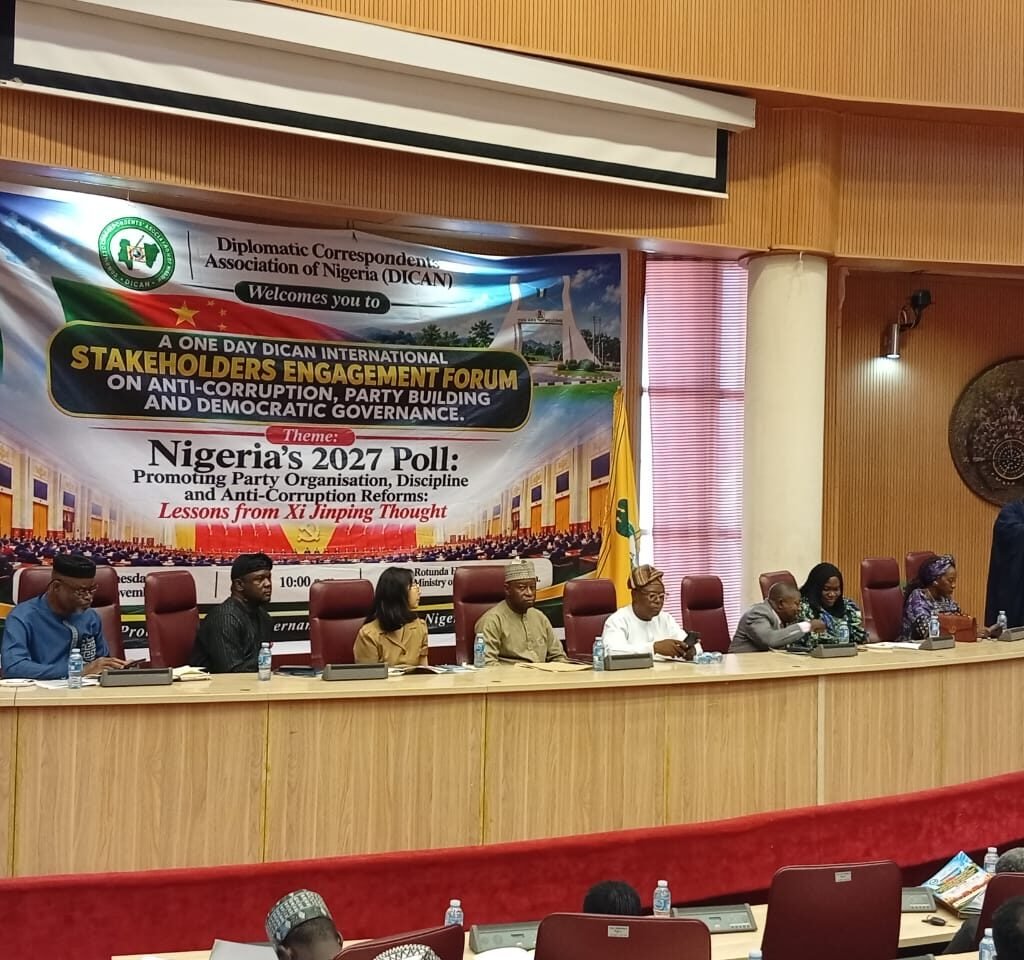
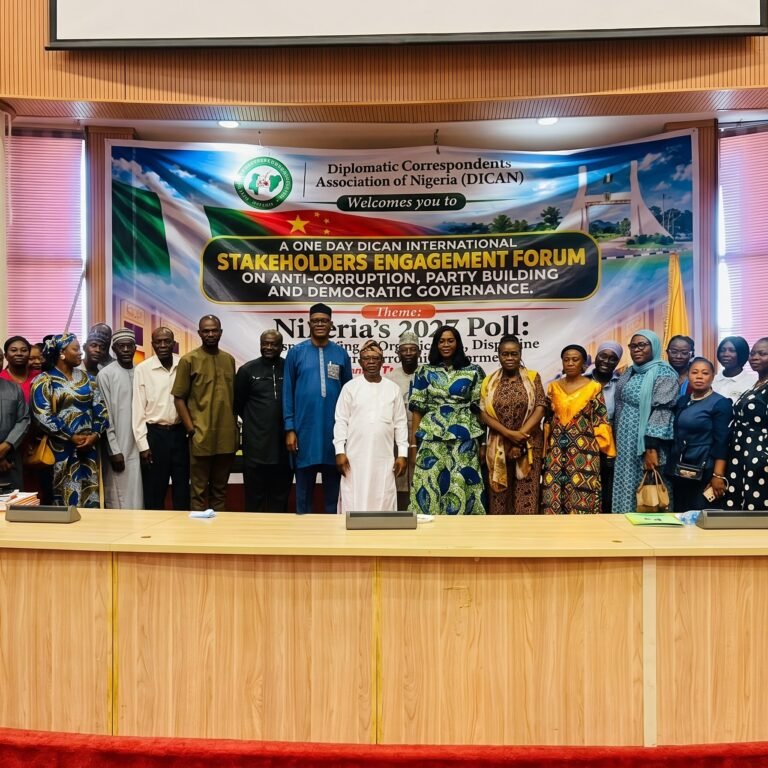
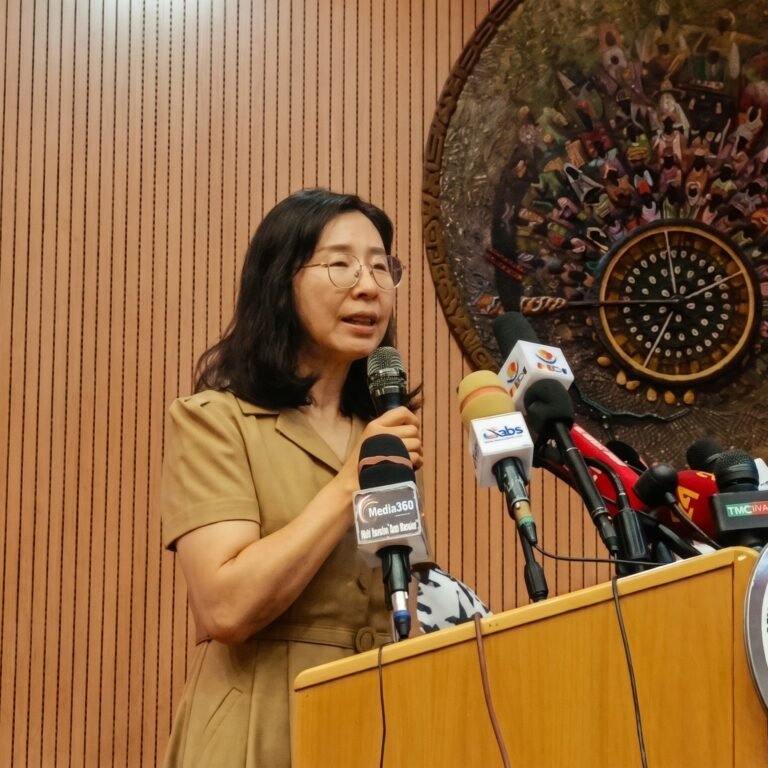
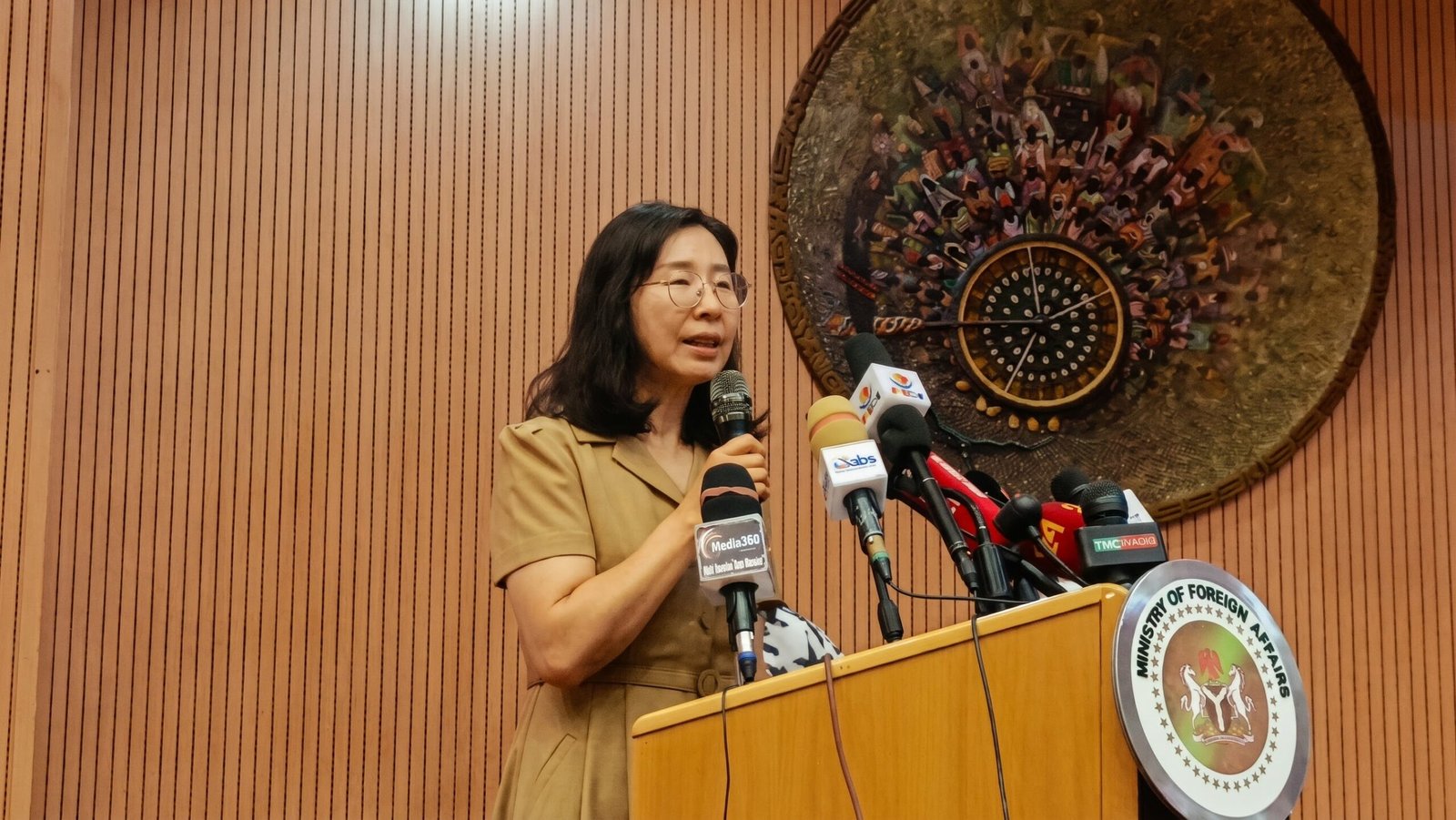
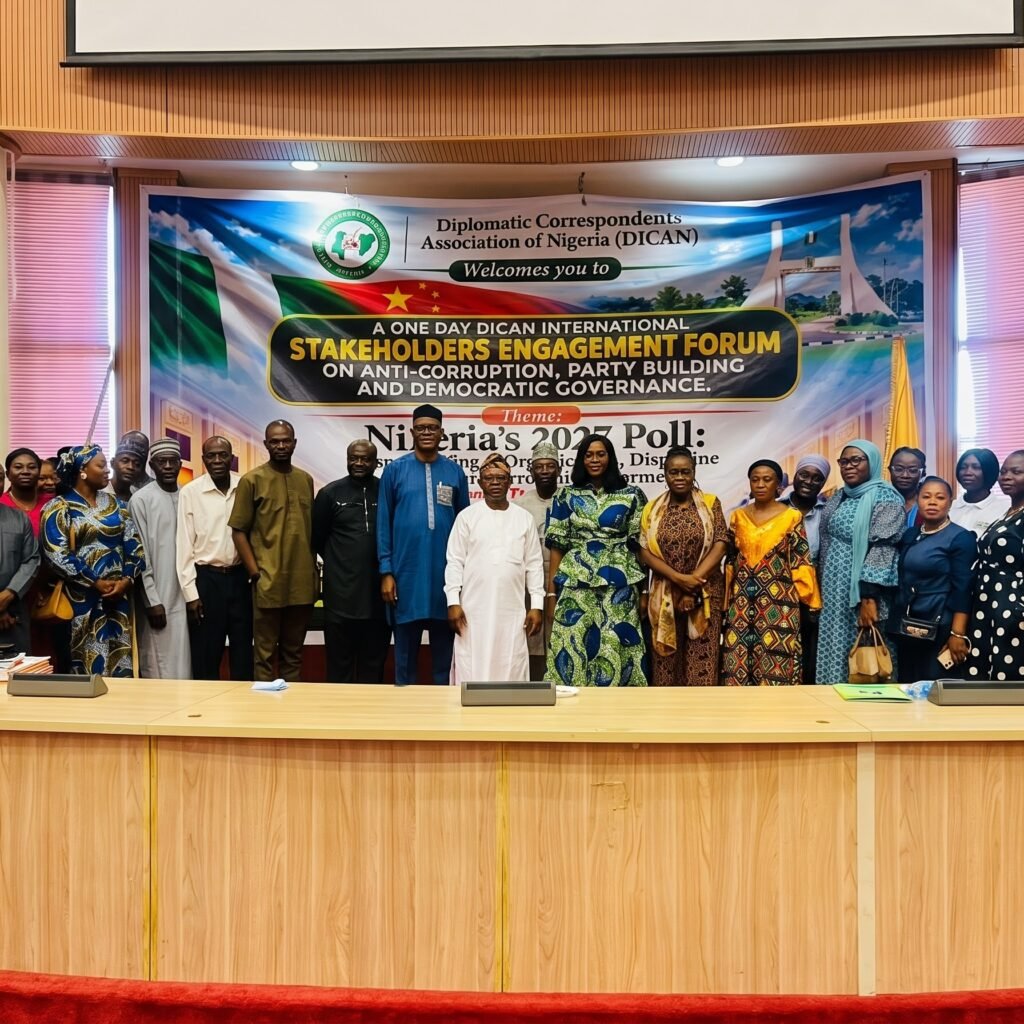
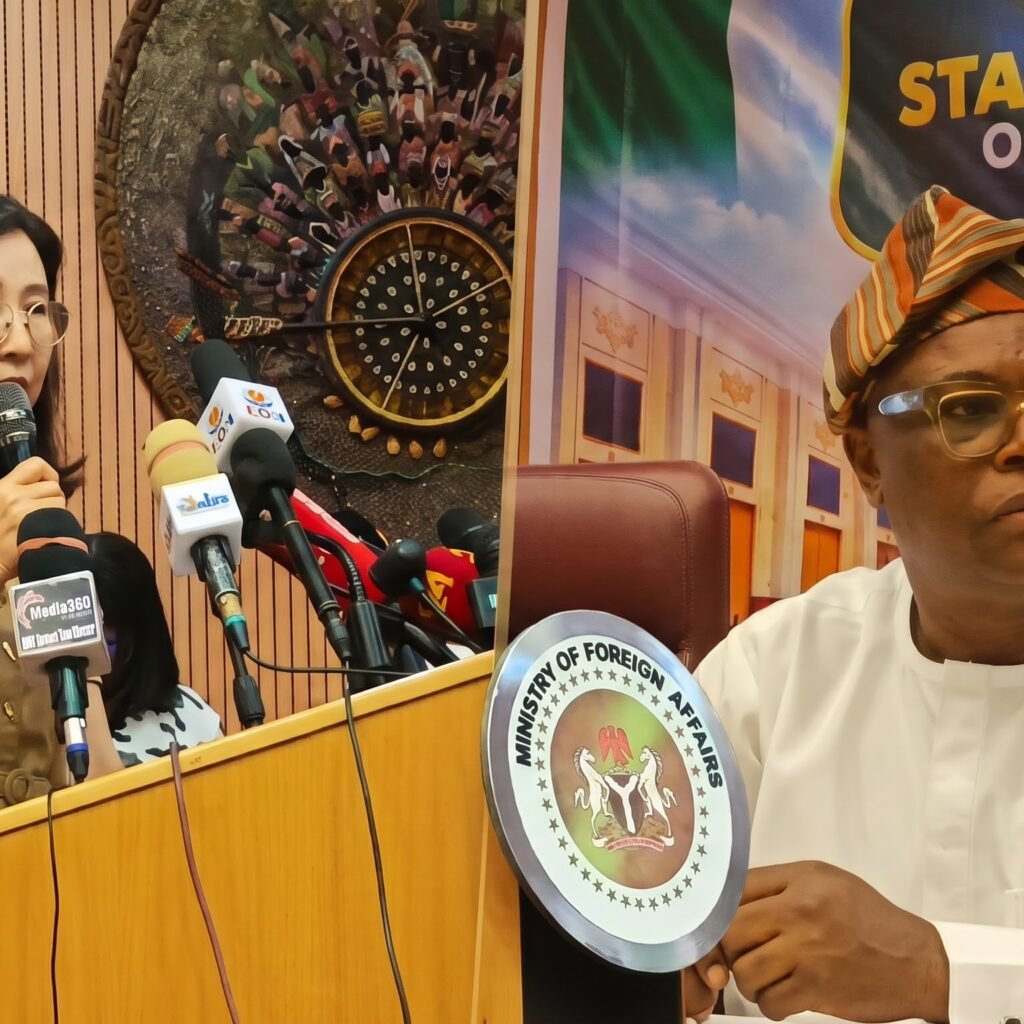
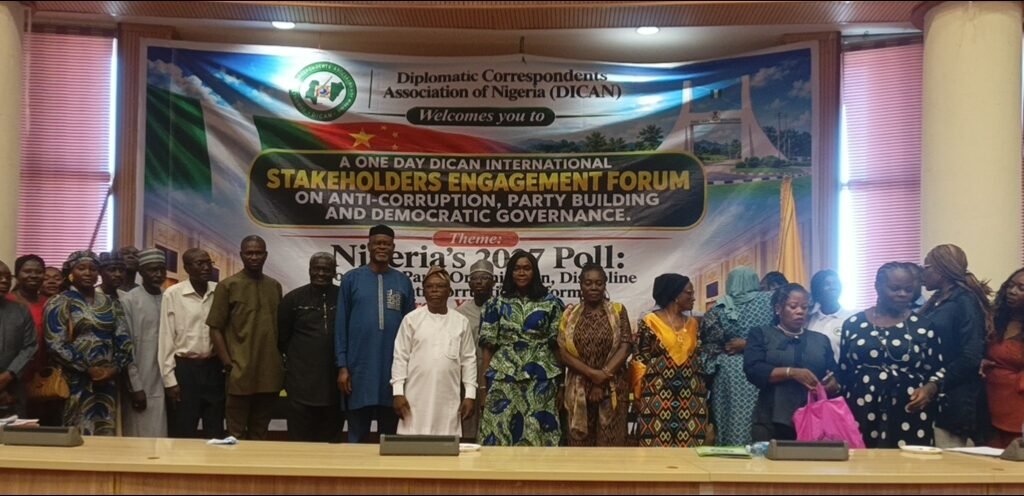
Chinese Counsellor Dong Hairong disclosed this while speaking at the International Stakeholders Engagement Forum on Anti-Corruption, Party Building and Democratic Governance organised by the Diplomatic Correspondents Association of Nigeria (DICAN) in Abuja.
Hairong said China’s anti-corruption campaign had resulted in more than 7.9 million officials facing disciplinary and administrative sanctions, including over 900 officials at ministerial level and above.
She said the campaign operated on the principles of zero tolerance, full coverage and no exceptions, stressing that the fight against corruption would continue.
According to her, public support for China’s anti-corruption efforts had reached 97.4 per cent.
The diplomat maintained that corruption and official misconduct remained serious governance challenges, requiring sustained institutional commitment and stronger supervision of public officials.
She linked China’s approach to the Communist Party of China’s commitment to full and rigorous party self-governance, describing internal discipline as an important factor in strengthening governance and maintaining public confidence.
China highlights party discipline
Hairong also discussed the Fifth Plenary Session of the 20th Central Committee of the Communist Party of China, held in Beijing from October 26 to 29, 2026.
She said the meeting adopted a resolution on persevering with full and rigorous party self-governance, outlining measures to strengthen the party’s governing capacity, preserve its integrity and maintain close ties with the people.
According to her, political parties must continually examine their internal structures, correct weaknesses and strengthen their capacity to govern.
She argued that the longer a political party remains in power, the more important it becomes to maintain vigilance, strengthen internal accountability and prevent abuse of authority.
Hairong cited President Xi Jinping’s position that the greatest threat to a large political organisation could come from its own internal weaknesses.
She said the Communist Party of China had continued to strengthen itself by confronting internal challenges and correcting institutional failures.
Strict supervision of officials
The Chinese diplomat identified the management and supervision of public officials as one of the important components of effective governance.
She said China’s approach included strict standards for the education, training, selection, appointment, management and oversight of officials.
According to her, public officials at different levels must be held accountable for their responsibilities, while government services should be directed towards the needs of ordinary citizens.
Hairong maintained that integrity and accountability among public officials were essential to ensuring that government policies translated into benefits for the population.
She also said China’s experience showed that political party discipline should not be separated from public service delivery and national development.
China offers governance cooperation to Nigeria
Hairong said China’s experience in party self-governance and anti-corruption could provide useful lessons for political parties, particularly in developing countries seeking to strengthen institutional accountability.
She, however, noted that countries had different political histories and institutional arrangements, stressing the importance of learning from governance experiences while recognising national differences.
She said the Communist Party of China was willing to share its experience in regulating the exercise of power, protecting citizens’ interests and improving government capacity.
The diplomat further expressed China’s readiness to work with Nigeria to deepen bilateral exchanges, strengthen mutual support on issues of common interest and expand inter-party cooperation.
She specifically identified anti-corruption cooperation as an area where both countries could deepen engagement.
Hairong said such collaboration would contribute to advancing the China-Nigeria Comprehensive Strategic Partnership.
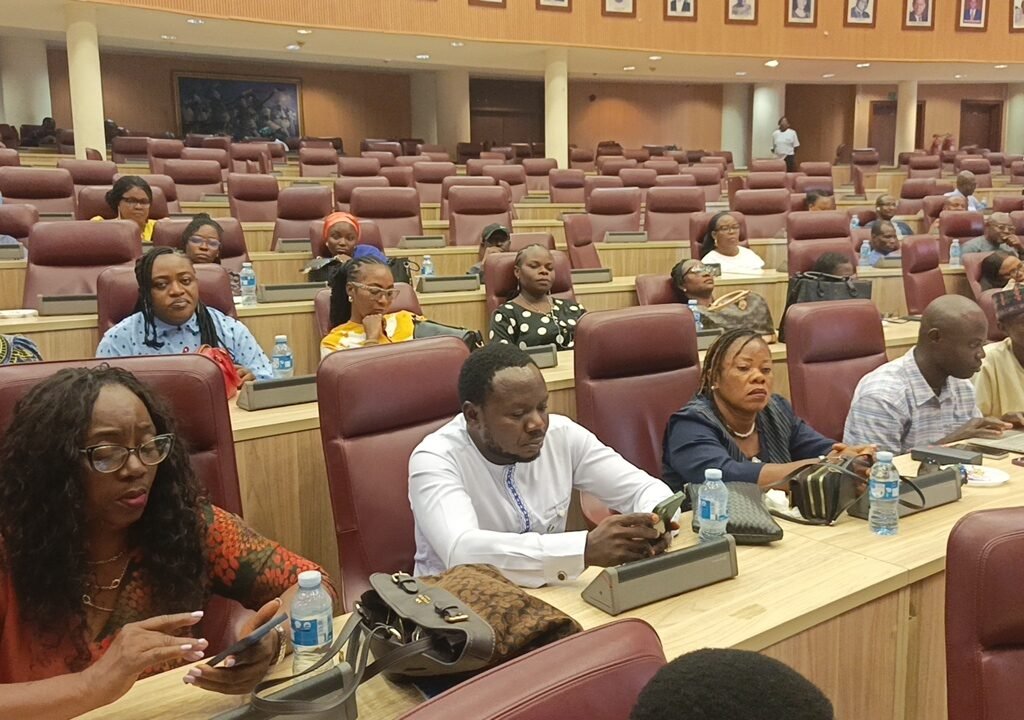
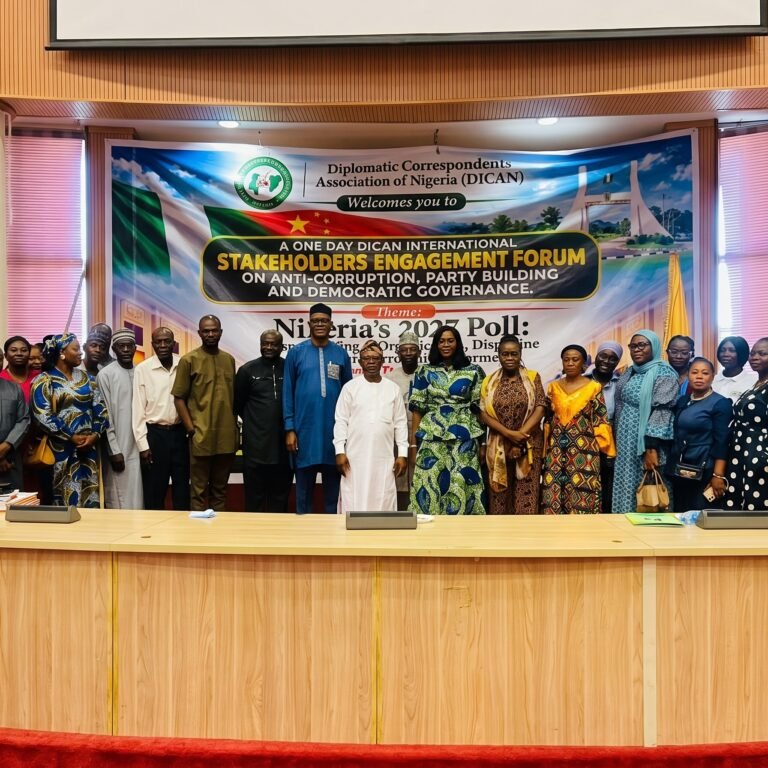
Her remarks formed part of discussions at the DICAN forum, which examined anti-corruption, political party organisation and democratic governance ahead of Nigeria’s 2027 general elections.