
By Gabriel Ameh
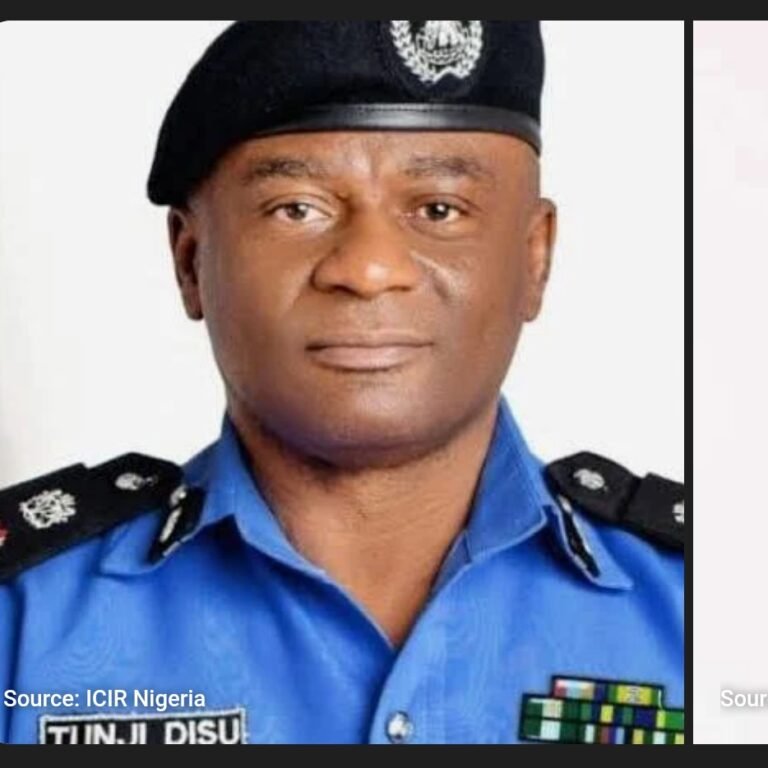
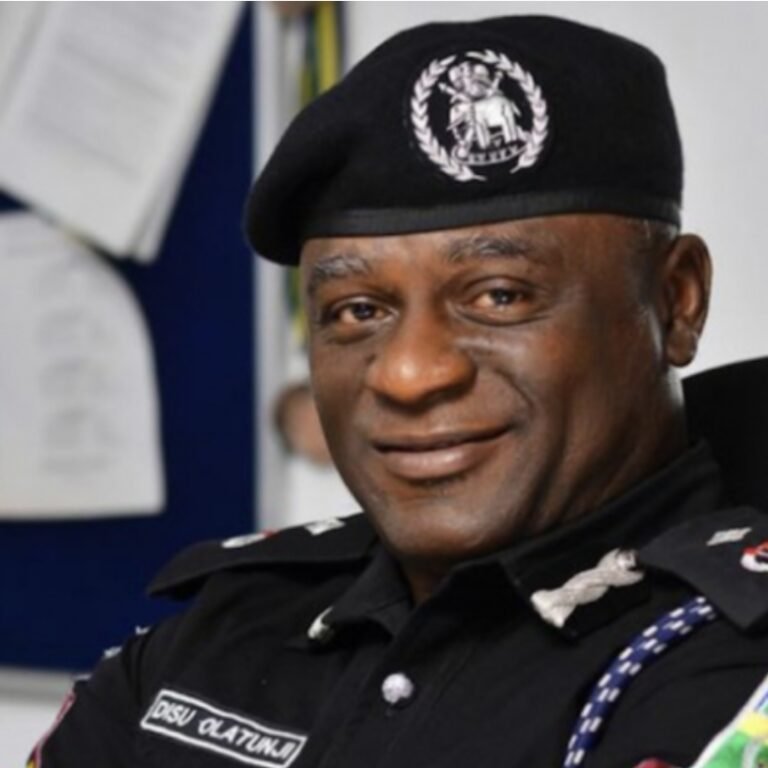
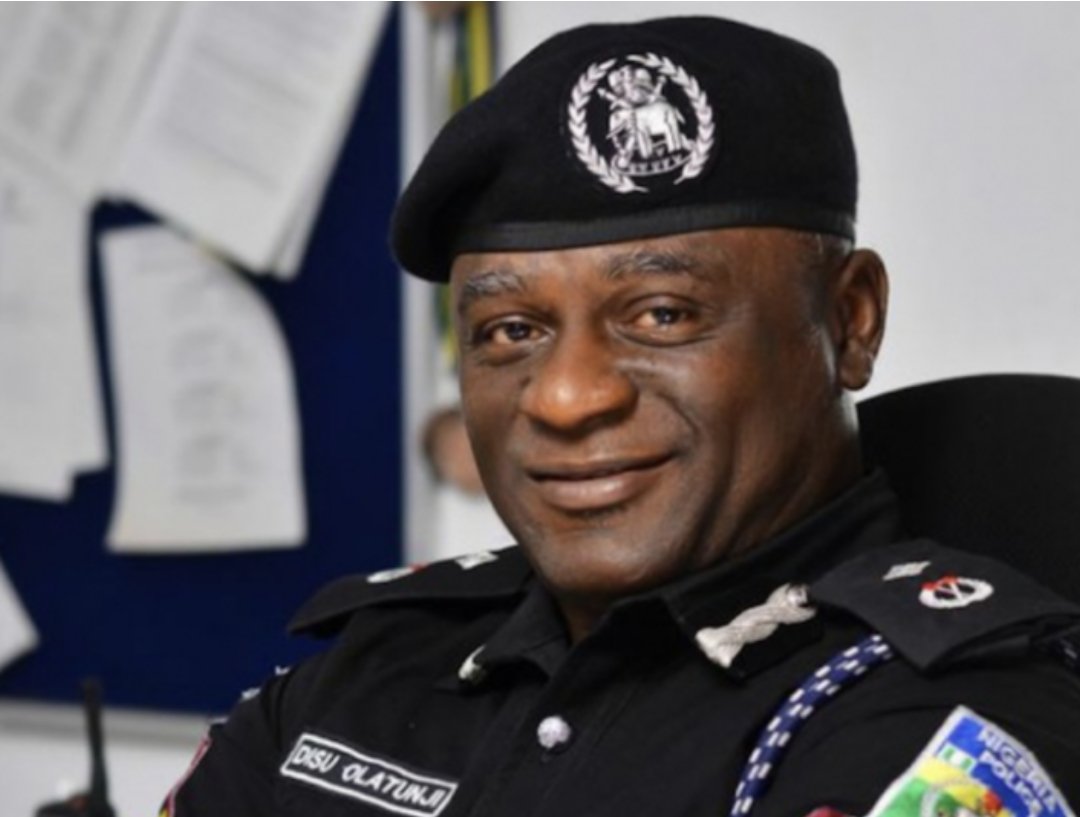
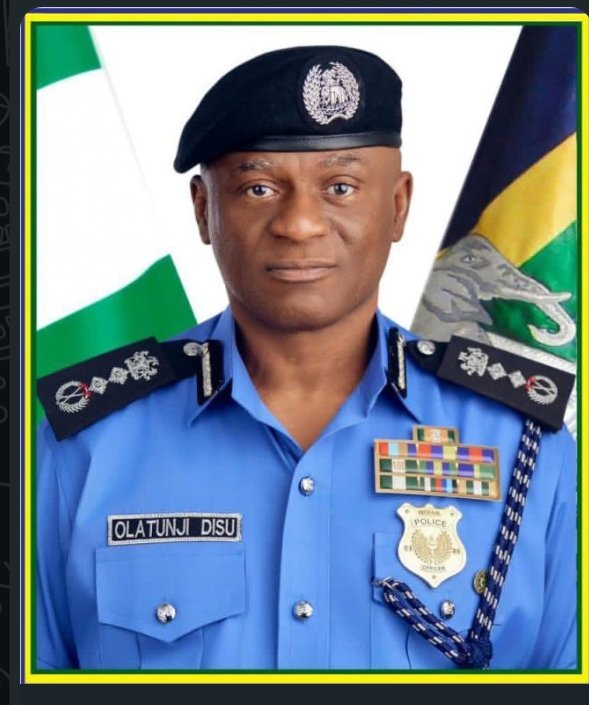
Abuja. The Acting Inspector-General of Police, Tunji Disu, has inaugurated an eight-member committee tasked with driving the implementation of State Police and developing a new operational vision for policing in Nigeria.
The inauguration, held shortly after his appointment as the 23rd indigenous Inspector-General of Police was approved by the Nigeria Police Council, marks the first concrete institutional step toward decentralised policing in the country.
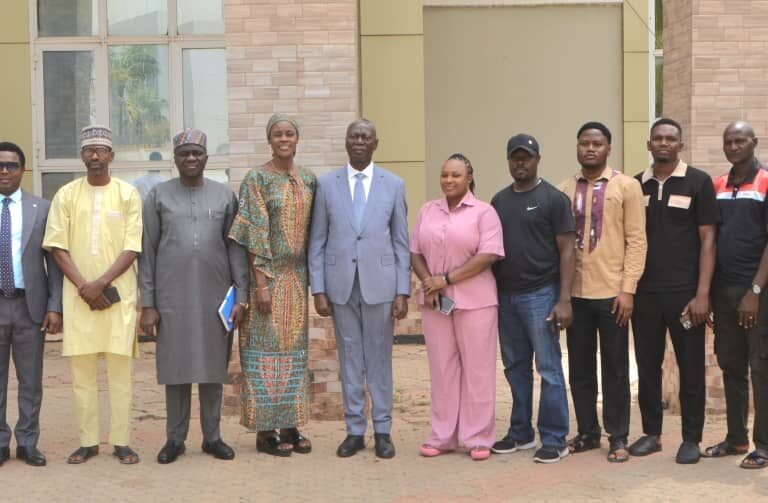
Disu’s first official engagement with senior officers of the Nigeria Police Force took place on Wednesday, where he described the committee’s mandate as both “significant and timely.”
According to the Acting IGP, the initiative directly responds to increasing calls for strengthened internal security and more community-
responsive policing structures across Nigeria.
“It is my greatest privilege to formally inaugurate this Committee on State Policing. The task before this committee is both significant and timely, as it speaks directly to the demand to strengthen Nigeria’s internal security and ensure that policing remains responsive to the realities of our communities,” Disu stated.
Framework for Decentralised Policing
Disu emphasised that Nigeria’s evolving security landscape requires innovative thinking, strategic collaboration, and meaningful reforms capable of improving operational efficiency nationwide.
He noted that the committee bears the responsibility of shaping a framework through which state policing can function effectively without undermining national cohesion.
“Your work will help shape the framework through which state policing may operate in Nigeria in a manner that strengthens, rather than fragments, our national security system,” he said.
Key Responsibilities of the Committee
The Acting IGP outlined the panel’s core responsibilities, which include:
Reviewing policing models within and outside Nigeria
Assessing community-specific security needs and risks
Proposing an operational structure for state police coordination
Developing recruitment and training standards
Designing resource allocation systems
Establishing accountability and oversight mechanisms to sustain professionalism and public trust
He stressed that professionalism, objectivity, and a deep understanding of Nigeria’s diversity must guide the committee’s work.
Balancing Federal and State Roles
Highlighting the potential benefits of decentralised policing, Disu explained that bringing law enforcement closer to communities would enhance local intelligence gathering and allow quicker, more targeted responses to emerging threats.
He added that while state authorities would address jurisdiction-specific challenges, the federal structure would remain focused on complex and transnational crimes such as terrorism, organised crime, cybercrime, and trafficking networks requiring national coordination.
Importantly, Disu reassured officers and personnel of the Nigeria Police Force that their constitutional mandate as Nigeria’s primary national law enforcement institution remains unchanged.
“The vision we seek is one of synergy, not competition; partnership, not duplication,” he affirmed.
The Acting IGP formally declared the committee inaugurated and urged members to approach their assignment with diligence, intellectual rigor, and patriotism, noting that public expectations remain high and that their recommendations will significantly influence the future of policing in Nigeria.