
0-0x0-0-0-{}-0-0#
By Gabriel Ameh
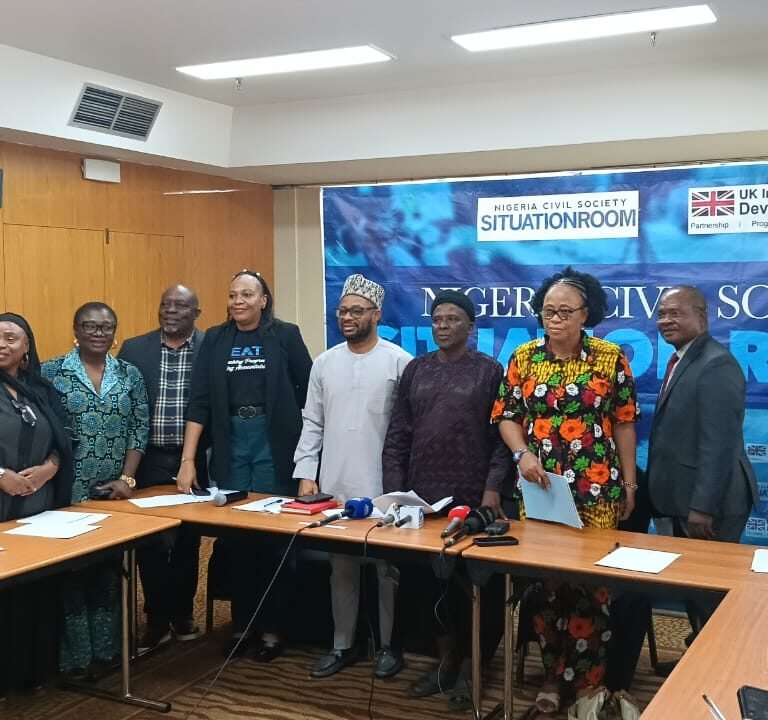
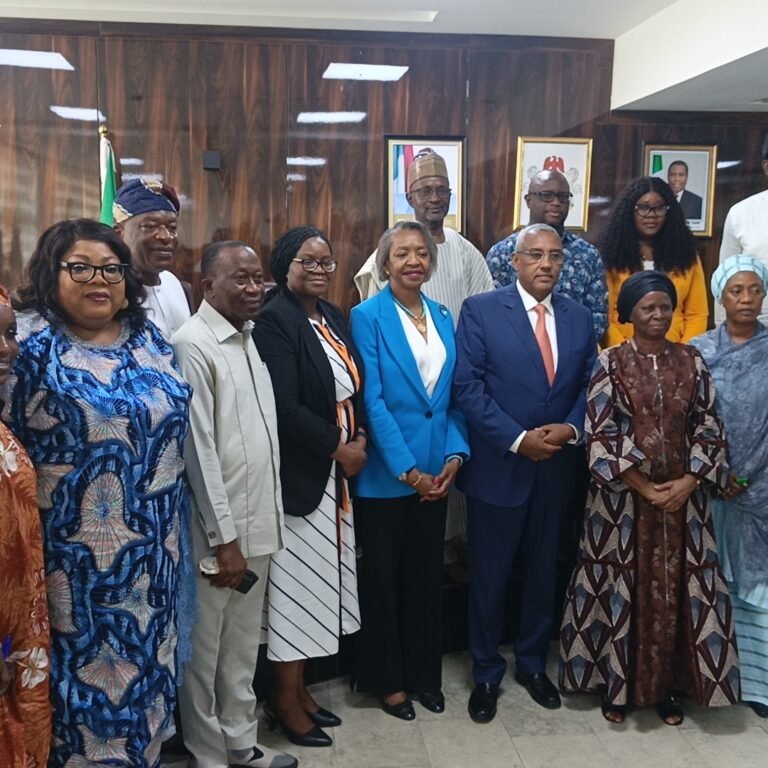
Abuja. Stakeholders from government institutions, civil society organizations, and disability rights groups have called for stronger enforcement of Nigeria’s disability law to ensure that the rights of persons with disabilities are fully realized across the Federal Capital Territory (FCT).
The call was made during a Quarterly Policy Dialogue and Roundtable Discussion on the Implementation Status of the Disability Law, organized by the Sustainable Family Healthcare Foundation (SFHF) in Abuja on Friday 13th March 2026.
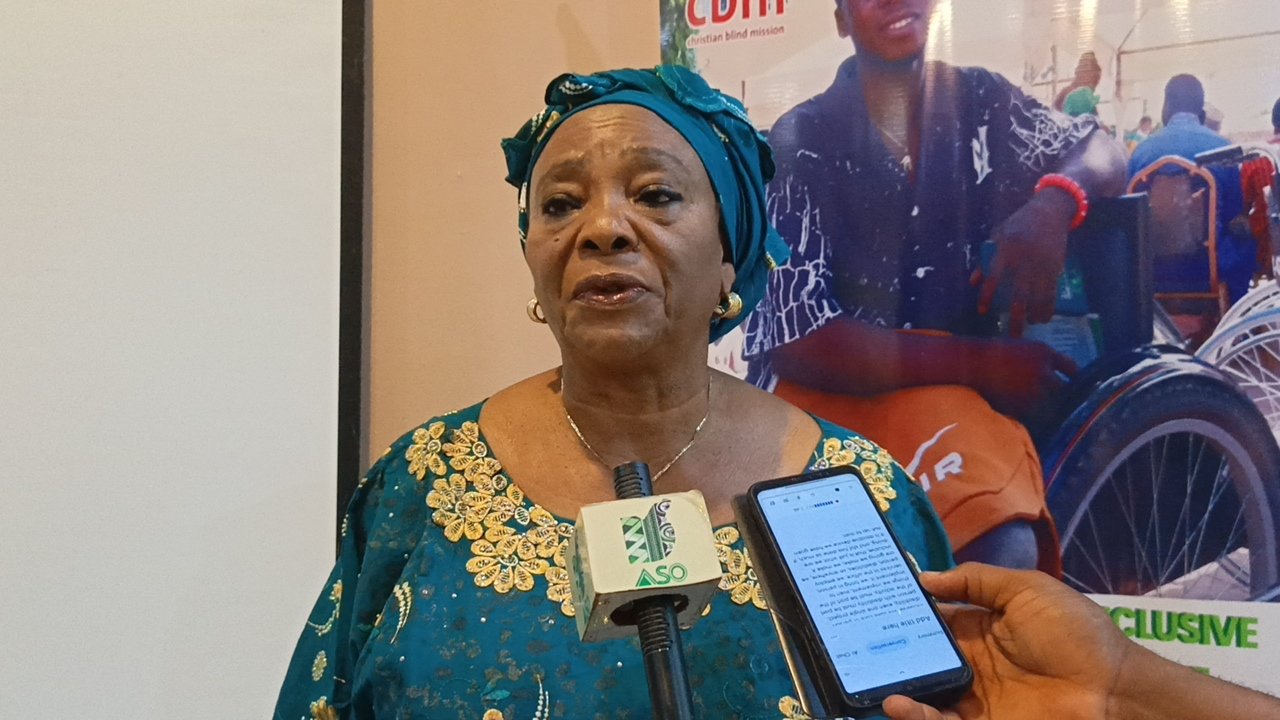
Speaking during her welcome address, the Executive Director of Sustainable Family Health Care Foundation, Mrs Peters Ogunmoujer, said the dialogue was aimed at strengthening collaboration among stakeholders and assessing the level of implementation of the Discrimination Against Persons with Disabilities (Prohibition) Act.
According to her, the event forms part of a three-year initiative under the Advancing Disability Inclusive Development (ADID) project supported by CBM International, designed to promote effective enforcement of the disability law within the FCT.
She emphasized that while the law exists to protect the rights and dignity of persons with disabilities, stakeholders must ensure that its provisions are implemented in practice.
“It is no longer enough to have a law on paper.
We must ask how well the law is being implemented across the FCT and its Area Councils and what barriers still hinder access to public spaces, education, healthcare and employment for persons with disabilities,” she said.
Ogunmoujer also stressed the importance of ensuring that the voices of persons with disabilities remain central to policy discussions and decision-making processes.
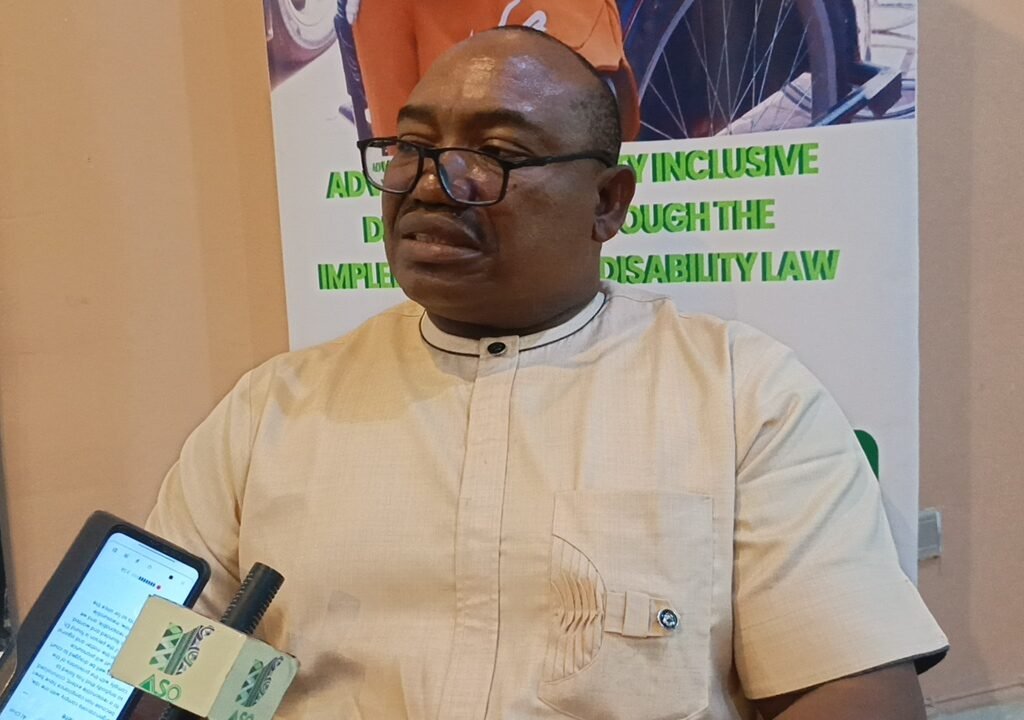
The dialogue provided a platform for stakeholders to assess progress made since the last meeting, identify gaps, and develop strategies to improve enforcement and accountability.
During a reflection and experience-sharing session, representatives of disability groups and government agencies highlighted challenges faced by persons with disabilities in accessing essential services and opportunities.
Participants included Mrs Ojo Oluwakemi of the Nigeria Security and Civil Defence Corps, Comrade Chris Agbo, and Damian Fanen Aqua, who shared experiences and perspectives on disability inclusion and the implementation of the law.
The session also featured an overview of the Advancing Disability Inclusive Development (ADID) project and discussions on strengthening coordination among government agencies, civil society organizations, organizations of persons with disabilities (OPDs), and the private sector.
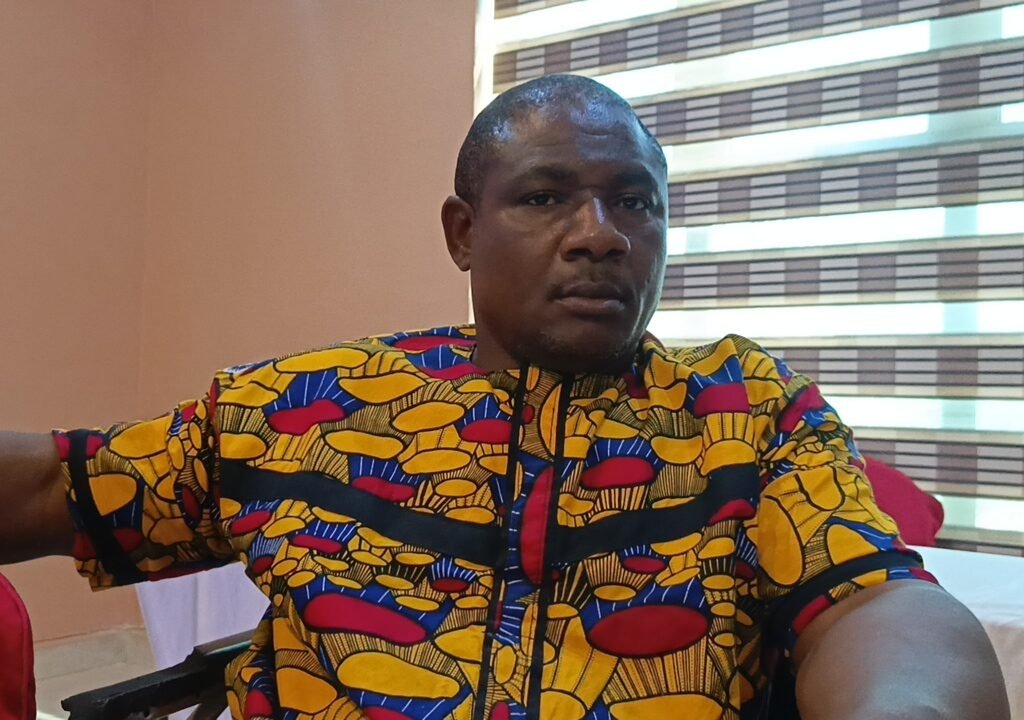
Interviews were also conducted with Ogunmoujer and other participants, including Oluwakemi, who highlighted the need for sustained collaboration and commitment from all stakeholders to ensure the effective enforcement of disability-inclusive policies.
Stakeholders at the event reaffirmed their commitment to advancing inclusive governance and building a society where the rights and dignity of persons with disabilities are fully respected.