

By Gabriel Ameh
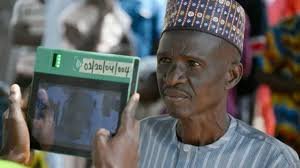
For years, Nigeria’s elections have been defined by long queues, ballot snatching, and bitter disputes at collation centres. By 2023, the Independent National Electoral Commission (INEC) promised a different story one in which technology would succeed where institutions had repeatedly fallen short. The introduction of the Bimodal Voter Accreditation System (BVAS) and the INEC Result Viewing Portal (IReV) was presented as a watershed moment for electoral transparency. Voters would be accredited biometrically, results would be uploaded directly from polling units, and manipulation, Nigerians were assured, would become almost impossible.
That promise resonated. Contrary to later perceptions, the 2023 general election initially witnessed strong voter enthusiasm, driven largely by public confidence in INEC’s technology-driven assurances. Millions of Nigerians turned out believing that BVAS and real-time result uploads would finally protect their votes. For many, it felt like the first election in which technology could close the gaps that had undermined credibility in past polls.
Election Day arrived with high expectations. In many polling units, voting and counting proceeded without incident. Accreditation using BVAS worked smoothly, and results were openly recorded at the polling-unit level. But as the hours passed, the digital backbone of the presidential election began to falter. Across several states, polling-unit results that had been declared locally failed to appear on the IReV portal for hours and in some cases, days after polls closed.
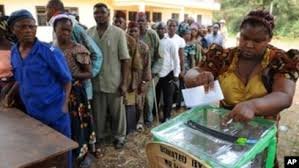
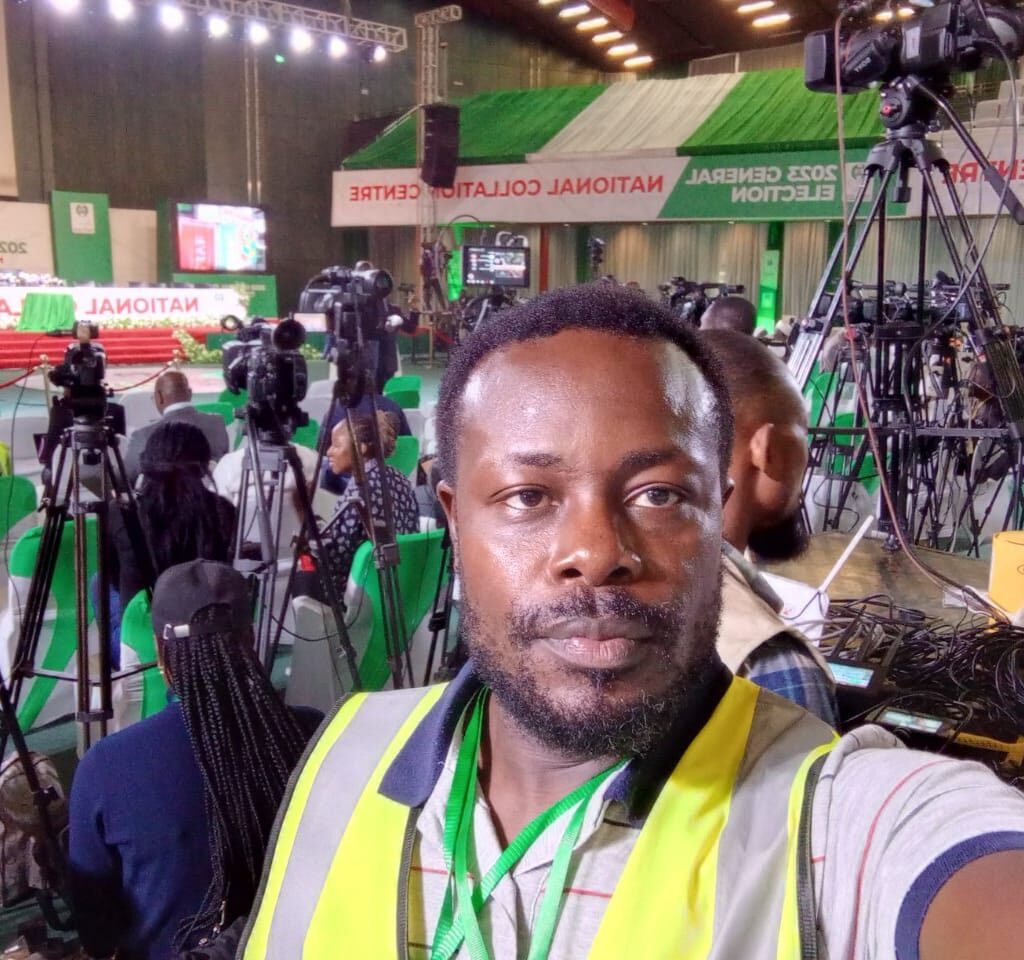
Screenshots shared by voters and party agents revealed gaps between physical result sheets and what was visible online. As collation continued, confusion deepened. Results announced at higher collation centres often did not align with figures recorded at polling units, fueling suspicion and mistrust. Civil society groups and opposition parties raised concerns about compliance with electoral guidelines, while ordinary Nigerians turned social media into a parallel arena for verification.
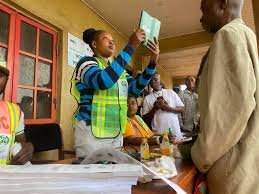
INEC later attributed the delays to technical glitches and challenges with data transmission. However, the explanations did little to calm public anxiety. The moment many voters had placed their trust in the transparent transmission of presidential results became the system’s weakest point.
Despite unresolved concerns over result uploads and discrepancies, INEC proceeded to declare Bola Ahmed Tinubu winner of the 2023 presidential election. For many Nigerians, the declaration marked a turning point not only in political leadership, but in confidence in electoral technology itself. What had been promoted as a transparent, technology-driven process was increasingly viewed as opaque and unreliable.

The psychological impact was significant. What followed was not an immediate rejection of voting in 2023, but a deep erosion of trust in the systems meant to safeguard the vote. Many citizens who had embraced BVAS and digital result transmission felt betrayed by a process that functioned efficiently at accreditation but faltered at collation precisely where transparency mattered most.
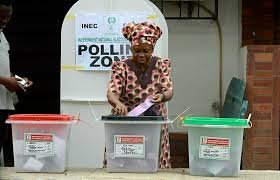
The ripple effects soon became evident. In the months following the general election, voter participation in by-elections and off-cycle polls declined noticeably. Reports from election observers and monitoring groups showed sparse turnout at many polling units, with only a small fraction of registered voters participating. In some constituencies, accredited voters were reported in single digits, underscoring a broader disengagement linked to lingering doubts about the credibility of election outcomes.
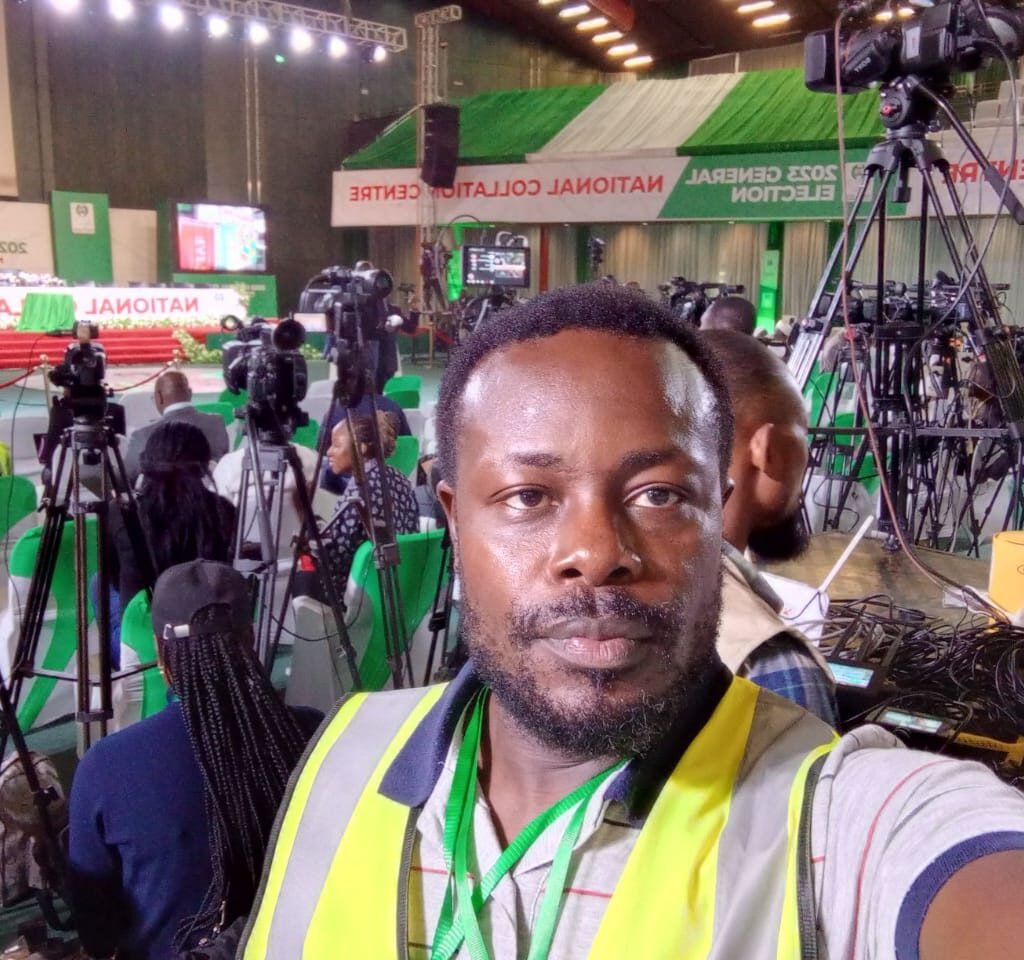
Rather than rejecting elections outright, many Nigerians appeared to express a quieter protest: disengagement. Analysts and civil society observers repeatedly cited disillusionment with election technology and unresolved questions from 2023 as key factors shaping voter apathy in subsequent contests.
INEC officials have acknowledged the challenge. Speaking recently in Abuja, INEC Chairman Prof. Mahmood Yakubu noted that technology alone cannot solve voter apathy and that low participation reflects deeper issues of trust, infrastructure, and civic confidence. He warned that even the most advanced systems risk losing legitimacy if citizens no longer believe in the integrity of electoral outcomes.
As Nigeria looks ahead, attention is turning to the February 2026 Area Council elections in the Federal Capital Territory, covering Abaji, Abuja Municipal Area Council (AMAC), Bwari, Gwagwalada, Kuje, and Kwali. These local polls are widely seen as an early test of whether confidence in electoral technology can be restored and whether INEC has addressed the shortcomings exposed in 2023.

At its core, Nigeria’s crisis of electoral technology is not simply about machines, servers, or software. It is about trust how it is built, how it is broken, and how difficult it is to restore once lost. As digital tools return to the ballot box, the central question remains whether technology will once again inspire confidence, or whether skepticism and disengagement will continue to shape the country’s democratic future.
CREDIT: Set Featured Image: Yiagga Africa