

By Gabriel Ameh
The Kogi State Governance Delivery Unit Director-General speaks on leadership succession, youth empowerment, economic opportunities and the role of young Nigerians in shaping the country’s political future.
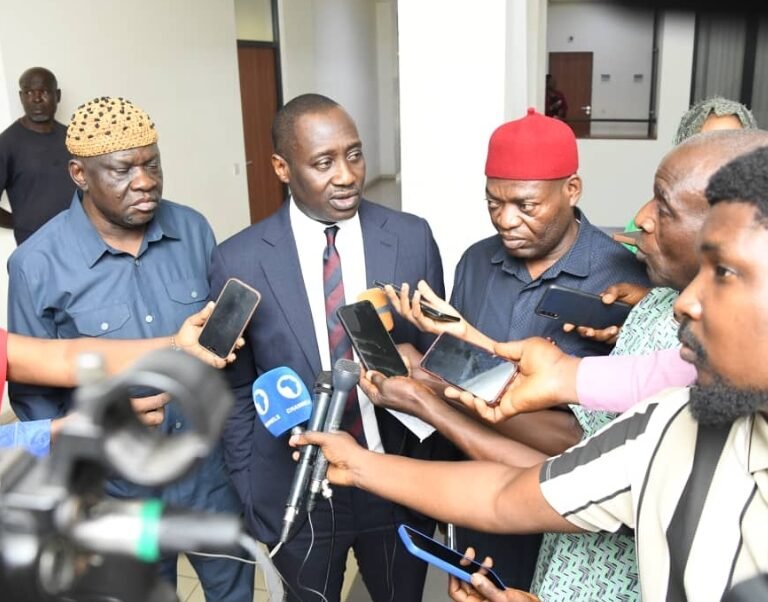
Leadership should be measured by the lives it transforms and the legacy it leaves behind, not by titles, official positions or the glamour of public ceremonies, Dr Olusiji Aina, Director-General of the Governance Delivery Unit, Office of the Executive Governor of Kogi State, has told Media360Impact in an exclusive interview.
Aina, a development economist with experience across several countries and international boards, made the remarks while responding to questions on leadership, succession and the responsibility of the younger generation to prepare for greater roles in Nigeria’s development.
Speaking against the backdrop of the 42nd investiture of JCI Abuja Metropolitan, he said leadership must go beyond occupying an office or celebrating the transfer of authority. Rather, it should be defined by the positive influence leaders have on others and the values they leave behind for future generations.
“Leadership is just not about the aesthetics of the ceremony. Leadership is about a legacy that you leave inside of an individual that can outlive you over years,” he said.
According to him, genuine leadership creates something people can embrace, sustain, transfer and build upon long after the leader has left office.

He explained that leadership should be influential and capable of inspiring others to take responsibility, develop their potential and contribute meaningfully to society.
JCI Leadership Must Go Beyond One-Year Tenure
Asked about the importance of leadership at the JCI Abuja Metropolitan investiture and the responsibility facing its incoming president, Aina said the organisation’s 42-year history and succession of presidents should provide a foundation for stronger continuity and youth development.
He argued that the incoming leadership must not approach its one-year tenure as an opportunity to abandon existing plans and begin everything afresh.
Instead, he urged the new administration to build on JCI’s established vision and ensure that its programmes and values remain relevant beyond the tenure of any individual president.
“Twelve months is too short a time for them to execute new projects, for them to start all over and say, ‘This is my vision, this is what I want to do,’” he said.
For Aina, the bigger responsibility is ensuring that the organisation’s vision does not end with one administration but is transferred to succeeding generations in a way that produces measurable results.
He said the incoming leadership should use its position to empower young people through skills development, mentorship and opportunities that encourage them to take ownership of their lives.
He also stressed that leadership should not depend on intimidation, coercion or the ability to compel people to follow instructions.
Rather, leaders should earn the confidence of their followers through character, competence and the quality of their decisions.

According to him, people should be willing to follow a leader because they recognise value in the person and believe in the direction being provided.
Youths Must Prepare for Leadership, Not Wait for Political Power
On the growing debate about youth participation in Nigeria’s political leadership, particularly as the country approaches another election cycle, Aina urged young Nigerians to prepare themselves for responsibility rather than allow political frustration to push them into destructive activities.
He warned against the use of young people as instruments of political violence, intimidation and campaigns designed to discredit opponents.
The Kogi State official said young Nigerians should focus on acquiring the knowledge, skills and experience required to occupy influential positions in government and other sectors.
He argued that youth participation in governance should not be reduced to the demand for a young person to become president.
According to him, there are strategic ministries, departments and agencies where young people can serve, demonstrate competence and gradually prepare for higher responsibilities.
“We don’t have to be the president. The youth don’t have to be the president necessarily. But there are critical offices, critical departments of government that the youth can head and they can create influence,” he said.
He added that effective participation in governance requires more than age or political ambition, noting that young people who occupy public positions must demonstrate their ability to deliver results and improve the lives of citizens.
Aina also cautioned that having young people in leadership positions does not automatically guarantee good governance. Their performance, he said, should be assessed by the impact they make on the people they serve.
Aina Defends Economic Policy Direction, Urges Youths to Seize Opportunities

Addressing Nigeria’s economic situation and the policy choices of the current administration, Aina expressed support for key initiatives introduced by President Bola Ahmed Tinubu, while acknowledging that some of the decisions have attracted public disagreement.
Speaking from his experience as a development economist, he said young Nigerians should look beyond political arguments and examine the economic opportunities that may emerge from government policies.
He specifically referenced fuel subsidy removal, foreign exchange adjustments and tax incentives, urging youths to understand these policy directions and identify ways to position themselves to benefit from available opportunities.
Aina maintained that young people should engage government constructively and demand meaningful opportunities to participate in national development.
He said the goal should be to build the experience and capacity required for a smooth transition into greater leadership responsibilities in the future.
Rather than engage in political hostility, he encouraged young Nigerians to evaluate candidates and government policies based on their potential impact on the country.
He argued that political participation should be driven by issues, evidence and development priorities, not personal attacks or efforts to pull others down.

“Let us not do a campaign of calumny, campaign of bringing down, campaign of self-destruction. It should be issue-based. It should be about the policies and how it can impact us,” he said.
The Leadership Challenge Before Nigeria’s Next Generation
Aina’s position is that preparing young people for leadership must begin long before they occupy the highest political offices.
For him, the process requires mentorship, practical experience, access to opportunities and a willingness among young people to take responsibility for the future of their communities and country.
His advice to JCI’s incoming leadership reflects the same principle: leadership should not be about how long an individual holds office, but what that individual does to prepare others to continue the work.
As Nigeria moves towards another electoral cycle, he wants young people to become more deliberate about their political choices, economic decisions and readiness to serve.
Ultimately, his message is that the country needs a generation of leaders who can build on existing foundations, earn public trust and create institutions and opportunities that will outlive their time in office.
For Aina, the true test of leadership is not the title a person carries today, but the lives that are better because that person had the opportunity to lead.