
By Gabriel Ameh, Abuja
The Defence Headquarters has concluded a two-day strategic communication workshop aimed at strengthening collaboration between spokespersons of security agencies and media stakeholders to improve security reporting and promote national security.
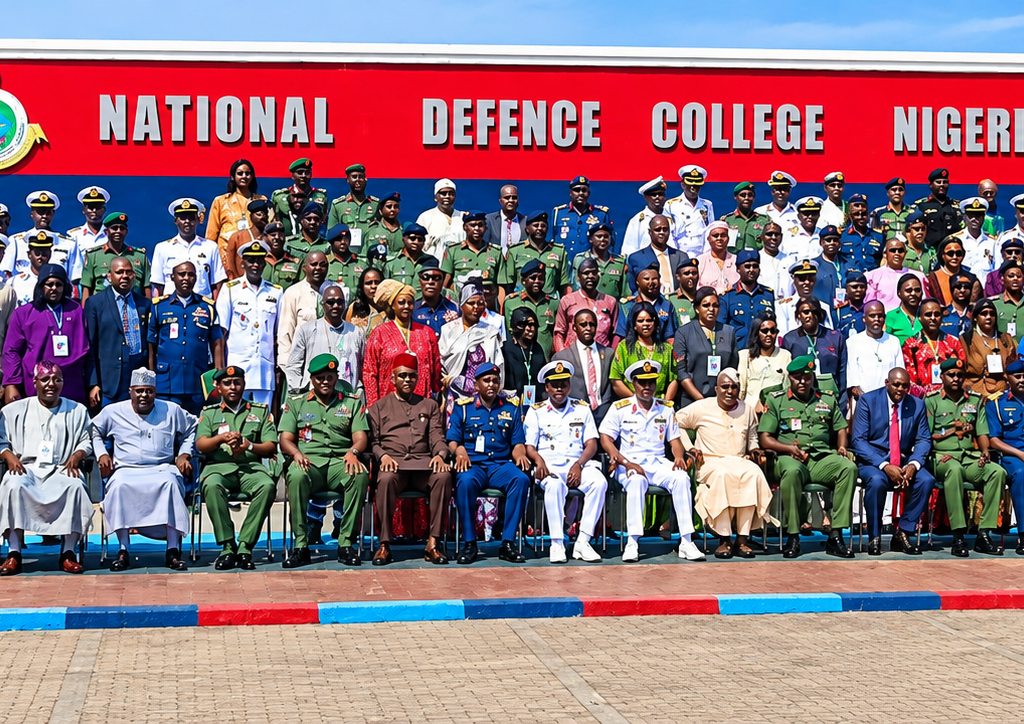
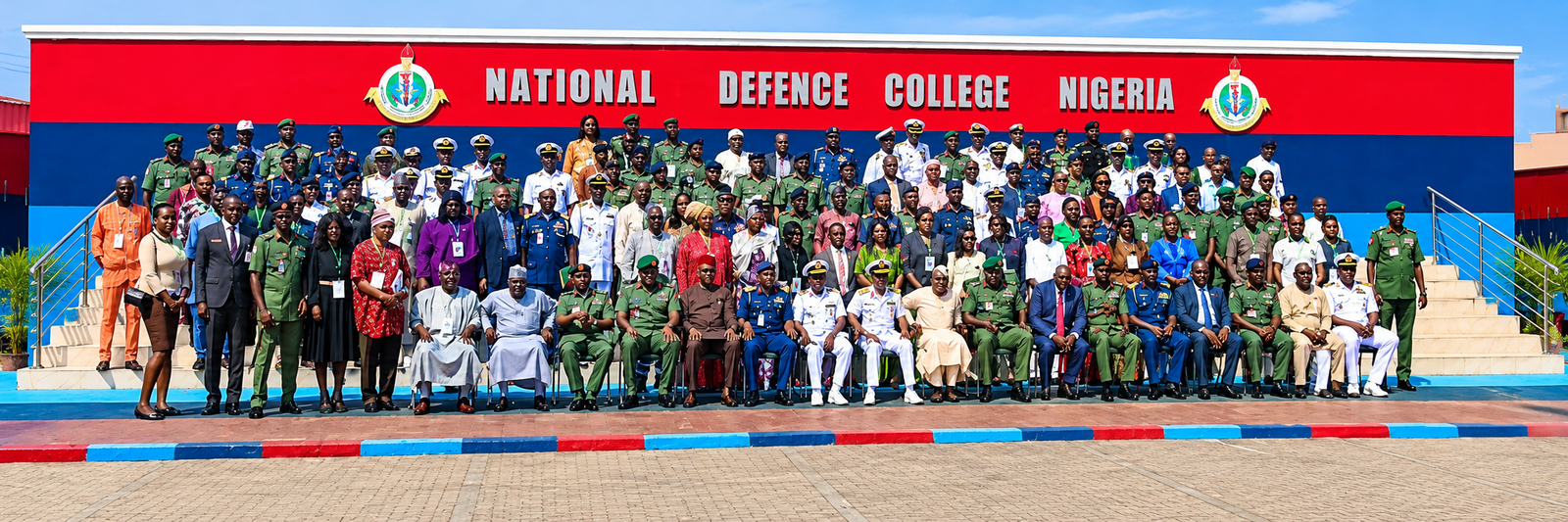
The workshop, organised by the Directorate of Defence Information (DDI), held from November 24 to 25, 2026, at Abacha Hall, National Defence College, Abuja.
It brought together spokespersons of the Armed Forces and other security agencies, media executives, editors, online publishers and defence correspondents to discuss strategic communication, responsible reportage, operational security and the challenges of misinformation and disinformation.
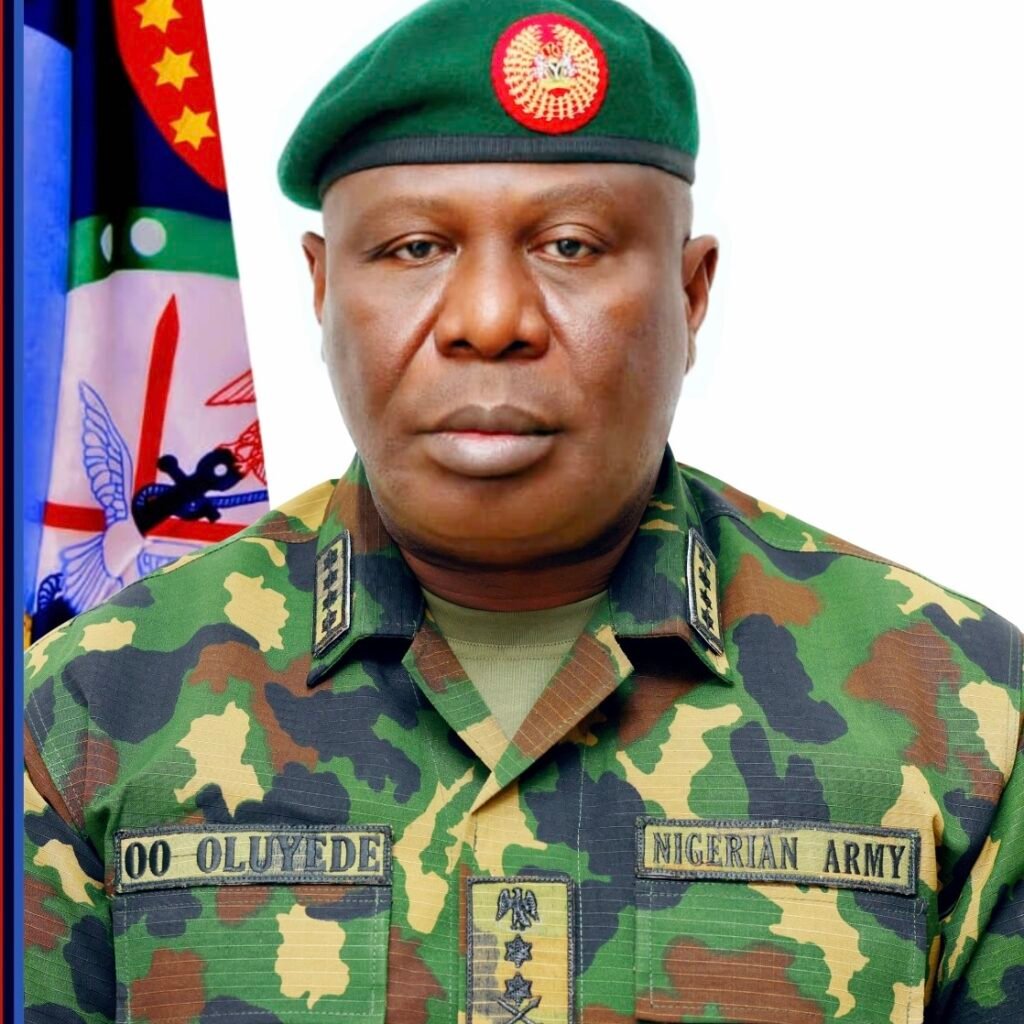
The Chief of Defence Staff, General Olufemi Oluyede, was the Chief Host, while the Minister of Information and National Orientation, Mohammed Idris, was the Special Guest of Honour, represented at the opening ceremony by the Director-General of Voice of Nigeria, Jibrin Baba Ndace.
In his remarks, the Minister’s representative emphasised the need for mutual trust, professional cooperation and better understanding between the media and security agencies, noting that Nigeria’s security challenges require coordinated efforts from both institutions.
Oluyede also highlighted the growing threat of misinformation, disinformation and propaganda in the social media environment, urging participants to strengthen communication strategies and ensure that credible information is available to the public.
Strategic Communication and Public Trust
The first technical presentation, titled Framing Narratives and Messages to Enhance National Security, was delivered by Professor Abdullahi Saleh Bashir of the University of Abuja.
The presentation examined the role of strategic communication in shaping public perception, strengthening confidence in security institutions and promoting national unity.
Bashir stressed that national security goes beyond weapons and military deployments to include the safety, welfare and confidence of citizens.
He urged security institutions to communicate their operations, achievements and challenges effectively, while using credible and human-centred narratives to build public trust.
The presentation also examined the threats posed by misinformation, disinformation, cyber threats, propaganda and hate speech, highlighting the need for timely and verified information.
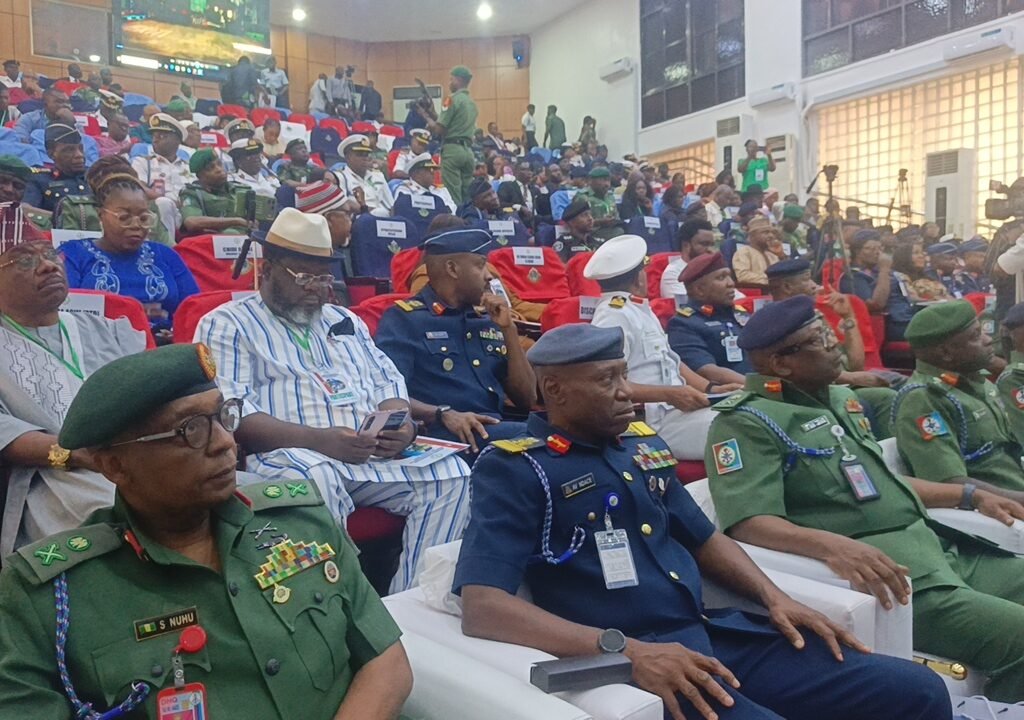
A panel discussion featuring presidential communication adviser Sunday Dare, Jibrin Baba Ndace and retired Major General Chris Olukolade further examined strategic communication, social media influence, artificial intelligence and the need for proactive engagement with the public.
Responsible Defence Reporting and Operational Security
The second presentation, Understanding Military Operations and Their Sensitivities: A Guide for Effective and Responsible Defence Reporting, was delivered by Babajide Kolade Otitoju, Director of News at TVC.
The session examined the need for journalists to understand military operations and the potential consequences of publishing sensitive information.
Participants were cautioned against disclosing troop movements, operational locations, intelligence reports, military strategies and other details that could compromise ongoing missions or endanger personnel.
The presentation also emphasised verification, credible sourcing, accuracy, context and responsible use of images and videos when reporting military activities.
During the panel discussion, retired Brigadier General JA Agim, PRNigeria’s Yushau Shuaib and DECAN President Odita Sunday highlighted the importance of operational security, professional ethics, freedom of expression and public interest.
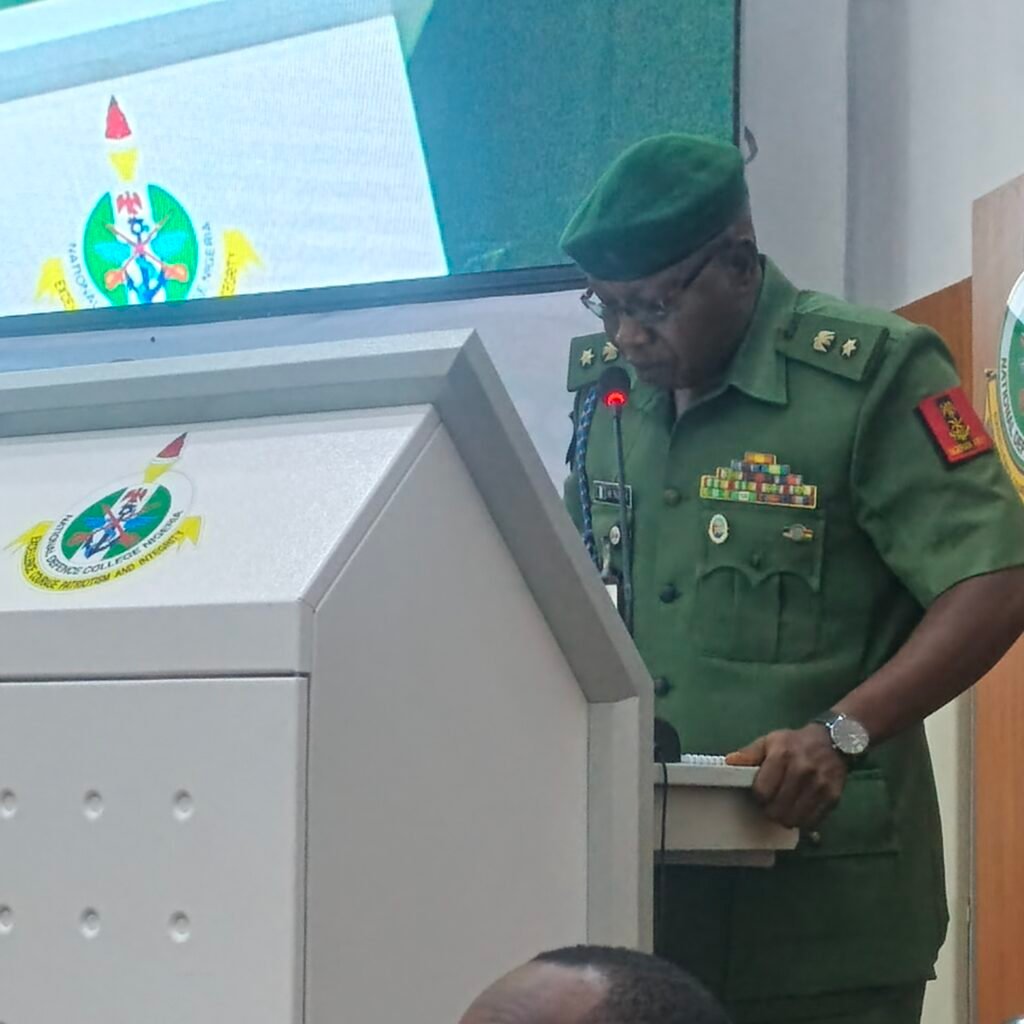
They also called for improved understanding between journalists and military personnel, specialised training for defence correspondents and responsible social media engagement by security personnel.
The discussion stressed that the military and media should recognise their complementary responsibilities rather than view one another as adversaries.
Strengthening Cooperation Between Spokespersons and Journalists
The third presentation, delivered by retired Brigadier General SK Usman, focused on strengthening cooperation between spokespersons of security agencies and defence correspondents.
The session highlighted the need for regular engagement, information exchange, mutual respect and stronger professional relationships to improve access to credible information and reduce misunderstandings.
Participants stressed that sustained cooperation between security agencies and media practitioners could help address information gaps, limit speculation and promote accurate reporting of security developments.
Key Recommendations
The workshop recommended regular engagements between security agencies and media stakeholders, improved communication channels for verified information and sustained capacity-building programmes for spokespersons and defence correspondents.
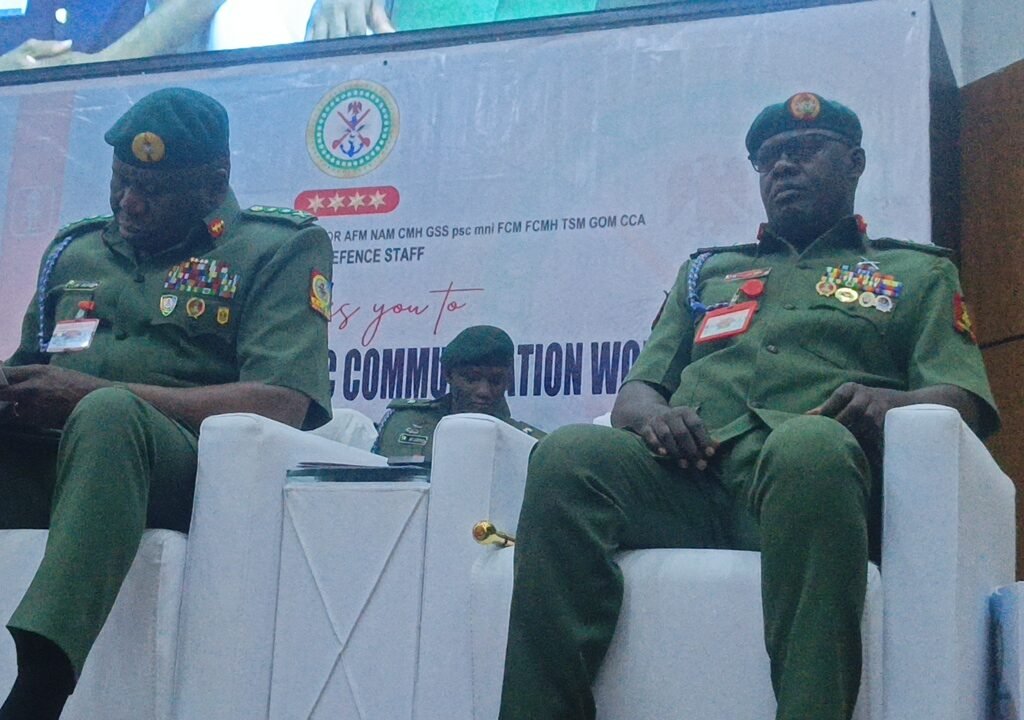
It also called for practical guidelines on security reporting, stronger fact-checking mechanisms, proactive communication to counter misinformation and continuous sensitisation of military personnel on classified information and social media use.
Participants further recommended a sustainable framework for information exchange, better access to authorised information and the integration of strategic communication into military operational planning.
The workshop concluded that effective media-military collaboration, credible communication, professional reporting and protection of sensitive operational information are essential to public confidence and national security.
The Defence Headquarters, through the Directorate of Defence Information, was urged to sustain the engagement and ensure that the recommendations are implemented and periodically reviewed.