
By EMEKA UGA | ABUJA
The Federal Capital Territory Administration (FCTA) and the Organic and Agroecology Initiative of Nigeria (ORAIN) have renewed calls for Nigerians to embrace organic and agroecological farming as a way of tackling food insecurity, improving public health and protecting the environment.
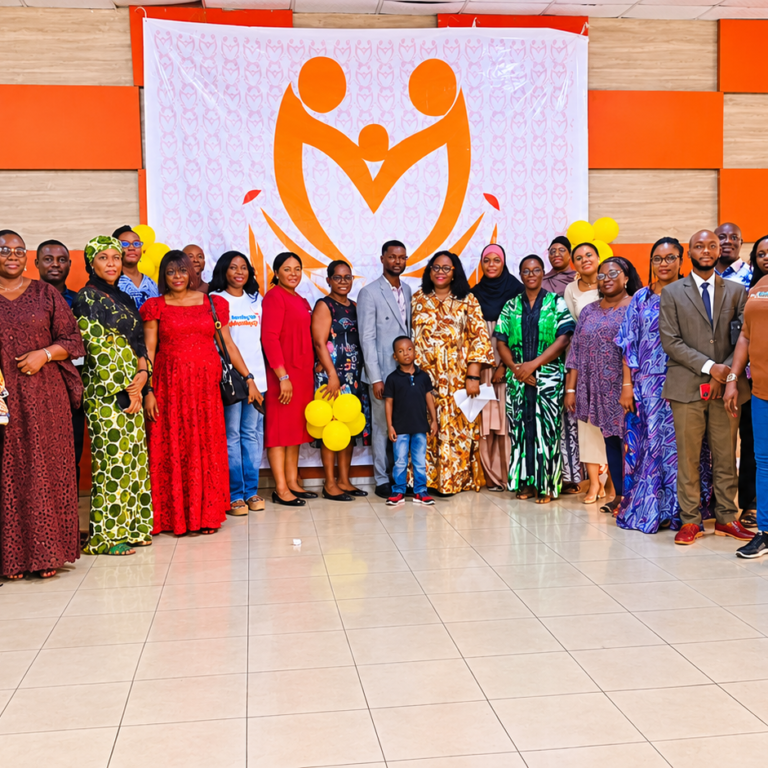
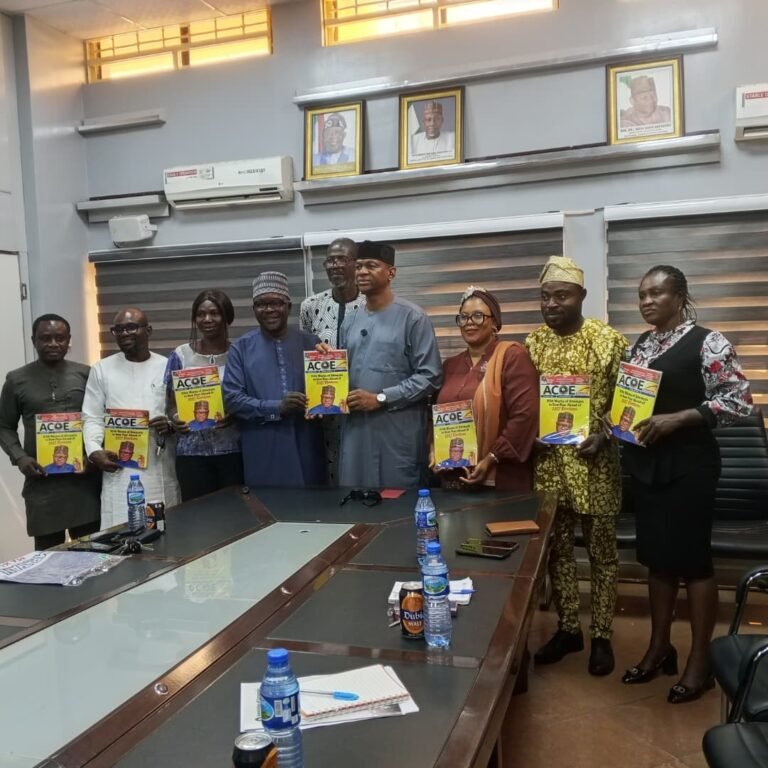
The call was made at the 2026 National Organic and Agroecology Business Summit (NOABS) and National Conference and Policy-to-Action Dialogue held on Tuesday in Abuja.
The summit, themed “From Evidence to Action: Advancing Farmers’ Rights, Responsibilities and Agroecological Food Systems Transformation in Nigeria,” brought together farmers, researchers, policymakers, investors, regulators and environmental advocates to discuss practical solutions for transforming Nigeria’s food production system.
Speaking at the event, ORAIN National President, Mr Peter Bakare, said Nigeria was at a critical point as increasing food demand continued to put pressure on agricultural land, soil quality, ecosystems and public health.
He blamed some of the challenges facing the agricultural sector on the indiscriminate use of synthetic chemicals, pesticides and other farming inputs that contribute to soil degradation and environmental pollution.
Bakare said the summit was designed to move discussions on sustainable agriculture beyond policy statements and translate them into practical actions and business opportunities.
According to him, the initiative seeks to rebuild degraded soils, protect public health and improve access to safe, nutritious and chemical-free food.
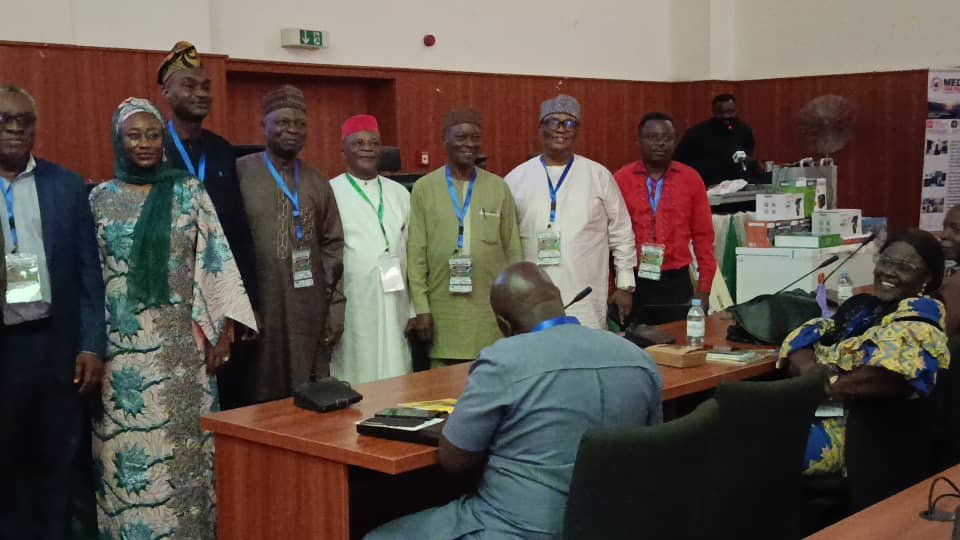
He added that the summit would also explore ways to expand market opportunities for organic farmers through stronger market platforms, improved quality assurance and the development of sustainable agricultural value chains.
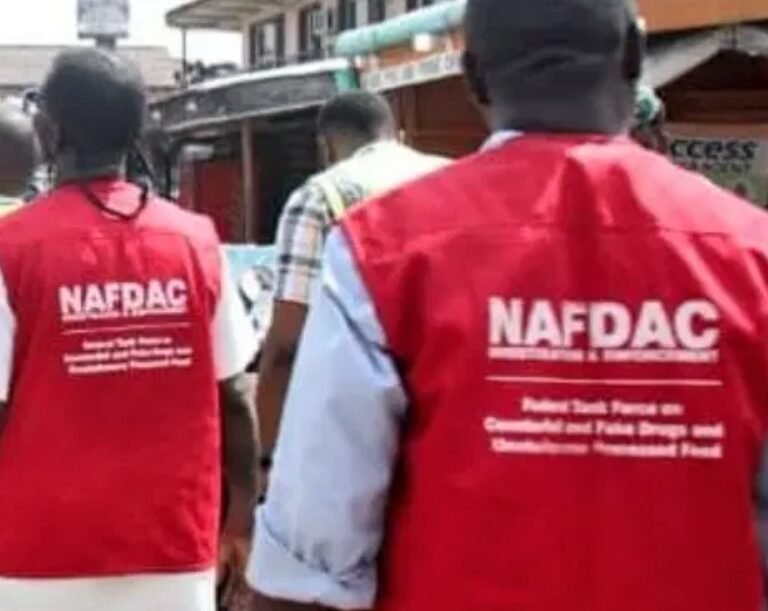
Bakare identified partnerships among smallholder farmers, private-sector investors and regulatory agencies, including the National Agency for Food and Drug Administration and Control (NAFDAC), the Standards Organisation of Nigeria (SON) and the Federal Ministry of Agriculture and Food Security, as essential to achieving the objectives.
He described ORAIN as a coalition of farmers, researchers, processors, regulators and advocates working to transform Nigeria’s food production, processing and consumption systems.
He urged participants to use the summit to establish business partnerships, exchange practical innovations and develop strategies for building a more resilient agricultural sector.
Also speaking, the Conservator-General of the National Park Service, Dr Ibrahim Goni, called on farmers, policymakers and other stakeholders to embrace organic and agroecological farming practices to improve agricultural productivity while protecting the environment.
Goni said sustainable farming methods could improve soil health, conserve water resources, protect pollinators and strengthen the ability of farming communities to withstand the effects of climate change.
He stressed the need for stronger collaboration among conservation agencies, farmers, researchers, policymakers and local communities to promote environmentally responsible agricultural practices.
The Conservator-General also cautioned farmers against encroaching on protected areas, urging them to adopt responsible land-use practices that would reduce habitat destruction and promote peaceful coexistence between humans and wildlife.
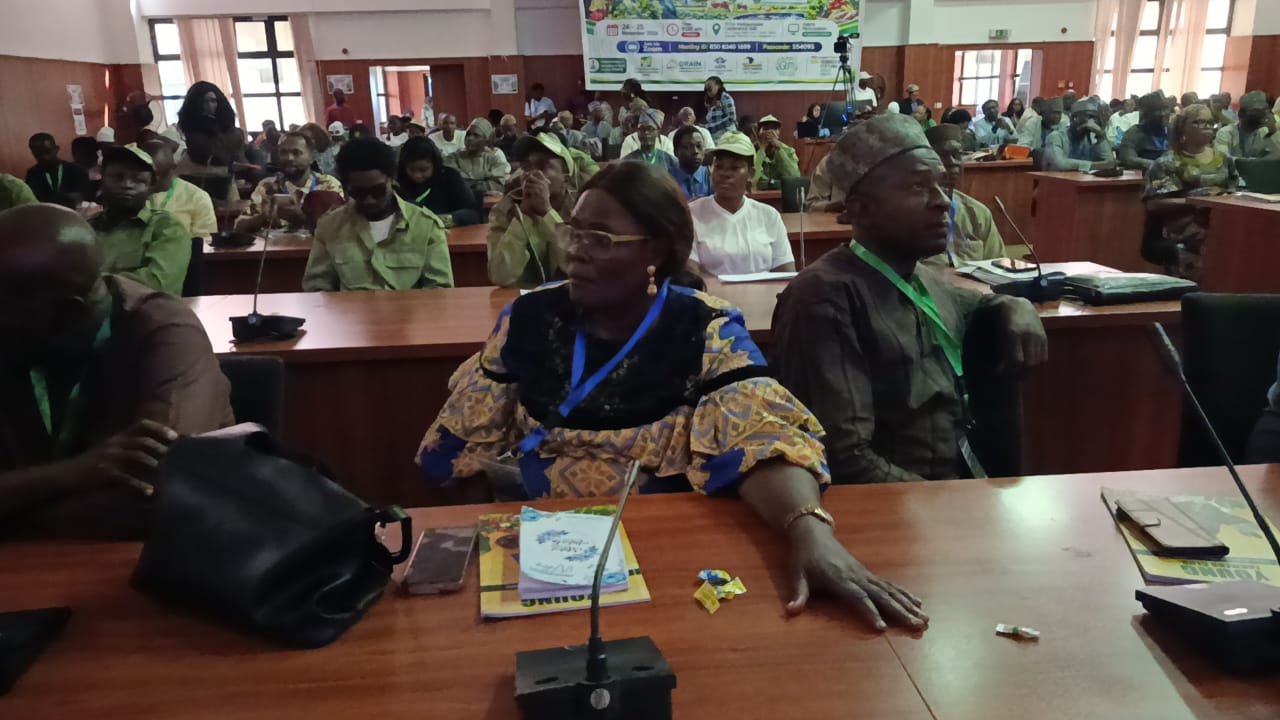
“I call on participants to translate the evidence, ideas and recommendations from the conference into practical actions that will advance biodiversity conservation, sustainable agriculture and national food security,” he said.
Goni described the summit’s theme as timely, given Nigeria’s growing concerns over food insecurity, climate change, biodiversity loss and environmental degradation.
He noted that national parks and other protected areas play important roles in preserving biodiversity, protecting wildlife, maintaining ecological balance and safeguarding natural resources that support human livelihoods.
He reaffirmed the National Park Service’s commitment to partnerships that promote environmental sustainability and responsible management of Nigeria’s natural resources.
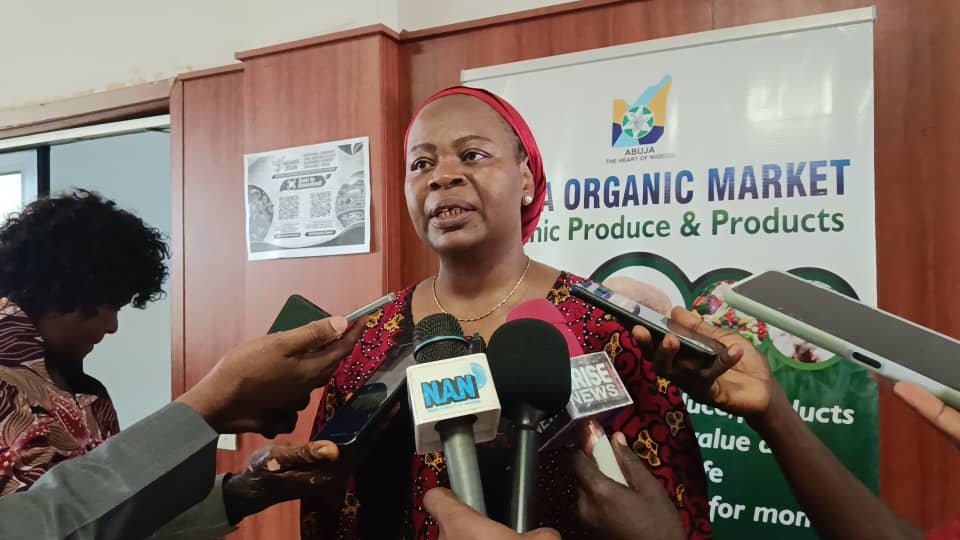
Meanwhile, the Convener of Journalists Go Organic and ORAIN member, Mrs Ebere Agozie, described organic agriculture as a healthy and environmentally friendly approach to food production that deserves greater acceptance among Nigerians.
Agozie explained that organic farming benefits not only consumers but also the environment and the wider ecosystem by reducing dependence on harmful synthetic fertilisers, insecticides and herbicides.
She maintained that organic agriculture offers benefits across the food production chain, from protecting human health to preserving the natural environment.
The summit also featured panel discussions on regulatory frameworks, certification, self-regulation and the need for farmers to establish stronger associations.
Participants emphasised that organised farmer groups would help producers articulate their challenges, engage relevant authorities and develop collective solutions to problems affecting the agricultural sector.
Some of the panelists included Prof. Simon Imdoenje, Convener of the Association of Agroecology Practitioners Nigeria (AAPN); Engr. Nnaemeka Ezeh, representative of FEEDS; and Elder Emeka Ofili, Chief Executive Officer of Stem Fertilizer, among others.
The two-day summit attracted representatives of the Central Bank of Nigeria, Bank of Agriculture, FACAN, AFAN, Gotomo Farms and ActionAid. It also featured support for Participatory Guarantee Systems (PGS) certification and support from Heinrich Böll Stiftung in Abuja, Nigeria.
The discussions highlighted the importance of strengthening organic and agroecological farming in Nigeria as part of broader efforts to address food insecurity, declining soil quality, climate change and public health concerns associated with the misuse of synthetic agricultural chemicals.