
By Gabriel Ameh
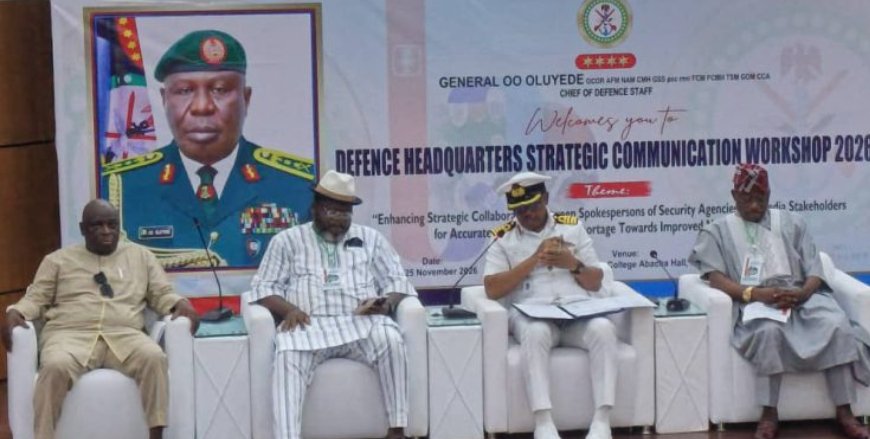
The need to balance national security with press freedom and the public’s right to information dominated discussions at the Defence Headquarters Strategic Communication Workshop 2026 in Abuja, as military officers and media professionals called for more responsible and transparent defence reporting.
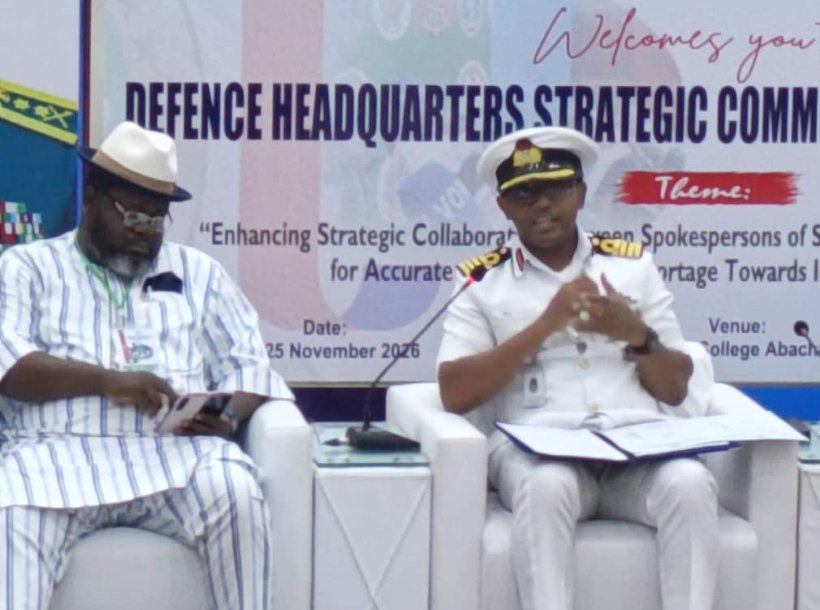
Navy Captain NN AA Folorunsho, who moderated the second lecture at the workshop held at the National Defence College, said the relationship between the military and the media needed greater understanding, particularly as security developments increasingly play out across traditional and digital platforms.
He noted that journalists often face difficulties reporting military operations when official information is delayed or incomplete, creating gaps that could encourage speculation and misinformation. However, he acknowledged that military operations are dynamic and that some information cannot be immediately disclosed without risking personnel or ongoing missions.
Folorunsho stressed that the military and the media should not see each other as adversaries, noting that effective defence reporting requires credible information, professional judgment and an understanding of operational security.
The discussion followed a lecture titled “Understanding Military Operations and Their Sensitivity: A Guide for Effective and Responsible Defence Reporting,” delivered by veteran journalist and public affairs analyst Babajide Kolade-Otitoju.
Otitoju warned journalists against allowing the pressure to break news first to compromise accuracy, verification and national security. He said publishing unverified information or sensitive operational details could expose troops to danger, undermine rescue efforts and provide useful intelligence to hostile forces.
“ It is better to miss a story than to misinform,” he said, stressing that journalists must verify military claims independently and understand the implications of information before publishing it.
He cited past military conflicts, including the Vietnam War and the First Gulf War, to explain how information management can influence public perception and military outcomes.
Otitoju also called for more honest military communication, warning against official claims that do not reflect realities experienced by affected communities. He recalled instances where military briefings had painted a different picture from what later emerged, arguing that journalists must not rely unquestioningly on official statements.
He further cautioned against publishing sensitive troop movements, rescue operations and military plans in real time, noting that such information could be monitored and exploited by insurgents or other hostile actors.
On misinformation across social media, the journalist urged reporters to verify videos and images by checking their source, date, location and context before sharing them. He also warned against the misuse of military terminology, saying words such as “neutralised” and “dislodged” should not be interpreted carelessly.
Otitoju advised journalists to respect casualty notification procedures, protect the dignity of victims and avoid publishing graphic images of those killed in military operations.
Brigadier General JA Agrim (Rtd.), the first discussant, said journalists needed a better understanding of military operations and their sensitivities, noting that information could be deliberately manipulated by state and non-state actors to advance their interests.
He warned that media reports could unintentionally support hostile narratives when journalists fail to recognise how information is being weaponised in conflict situations.
Public relations practitioner Alhaji Yushau Shuaib stressed the importance of timely, credible and transparent communication by military authorities, noting that information gaps often create opportunities for speculation, misinformation and declining public trust.
The third discussant, Mr Odita Sunday, raised concerns about media independence, accountability and the financial challenges confronting news organisations. He cautioned that collaboration between the military and journalists must not turn the media into a public relations arm of the armed forces.
He maintained that journalists must retain their independence and continue to scrutinise public institutions in the interest of citizens, even while maintaining professional relationships with military authorities.
Participants also examined legal and ethical issues surrounding defence reporting, including constitutional protections for freedom of expression, national security restrictions, the Freedom of Information Act and laws governing cybercrime and official secrets.
The workshop considered the possibility of establishing a structured Defence and Security Media Advisory arrangement to allow the military and media discuss the potential security implications of sensitive reports without compromising editorial independence.
The growing influence of social media was another major concern, with participants warning that manipulated videos, fabricated reports and misleading narratives can spread rapidly during security incidents, often before official briefings are released.
They called on military authorities to improve access to credible information, explain operational terminology more clearly and provide reasonable justification when requesting media organisations to delay the publication of sensitive details.
The central message of the discussions was that national security and the public’s right to know should not be treated as opposing interests.
While journalists must avoid exposing troops and compromising legitimate operations, the military also has a responsibility to communicate promptly and transparently to prevent misinformation and protect public confidence.
As Nigeria continues to confront security challenges, participants said stronger engagement, mutual respect and professional accountability between the media and armed forces remain essential to responsible reporting and the fight against misinformation.