
By Gabriel Ameh
ABUJA | MEDIA360IMPACT
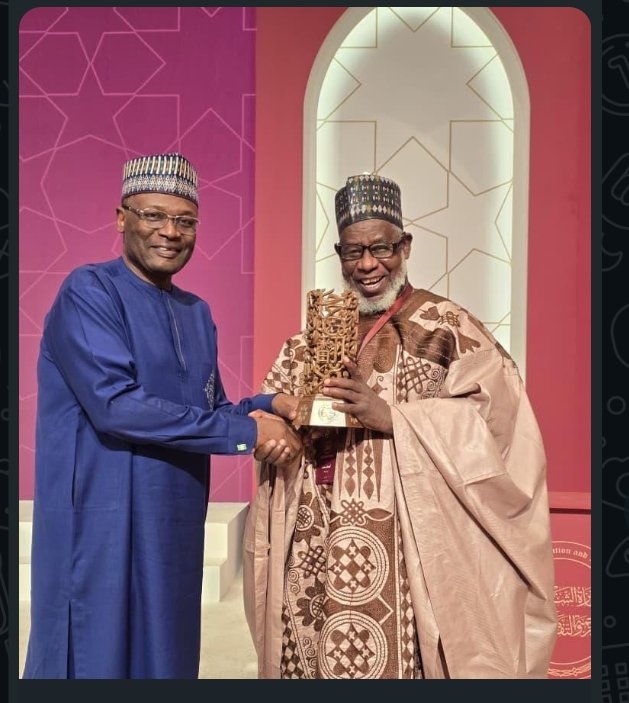
A Nigerian researcher and translator, Abubakar Muhammad Kabri, has earned international recognition after emerging among the recipients of the 2026 Sheikh Hamad Award for Translation and International Understanding in Qatar.
Kabri was recognised in the Achievement Category for the Fulani language at the 12th edition of the award, alongside Abou Sy and Mohamadou Labarang.
The recognition places Nigeria among the countries represented at the international award, which celebrates outstanding contributions to translation and intercultural understanding.
The 2026 edition attracted 256 nominations from 33 countries, comprising 16 Arab and 17 non-Arab countries.
According to the Qatar News Agency, Kabri’s work includes translating Maliki jurisprudential texts from Arabic into Fulani, helping to make Arab-Islamic intellectual and legal heritage accessible to Fulani-speaking communities.
The award recognises long-term contributions by individuals and institutions to translation between Arabic and other languages, with the aim of promoting knowledge exchange and cultural understanding.
Established in 2015, the Sheikh Hamad Award has continued to support literary and intellectual translation while building connections between different languages and cultures.
The 2026 award ceremony took place in Doha on November 24, bringing together government officials, diplomats, academics, writers, translators and other international guests.
Among the dignitaries in attendance was the Vice Chairperson of Qatar Foundation, Her Highness Sheikha Hind bint Hamad Al-Thani, alongside ministers, ambassadors and members of the diplomatic community.
The recognition of Kabri highlights the contribution of Nigerian scholars to international translation and draws attention to the importance of preserving and promoting indigenous African languages.
His achievement also demonstrates how translation can help bridge cultural and linguistic gaps, making valuable intellectual resources accessible to communities beyond their original languages.