
By Gabriel Ameh
Air strikes by the Nigerian military have killed 21 Islamic State West Africa Province (ISWAP) fighters, including a senior member of the group’s Shura Council and a suspected Improvised Explosive Device (IED) expert, in operations across Borno State.
The operations, conducted by the Air Component of Operation Hadin Kai (OPHK) between November 16 and 17, targeted insurgents around Monguno and Arinna in the South Lake Chad area.
The strikes also left 10 other fighters severely injured and destroyed several motorcycles used by the insurgents.
The first operation followed intelligence reports that ISWAP fighters were advancing towards Monguno.
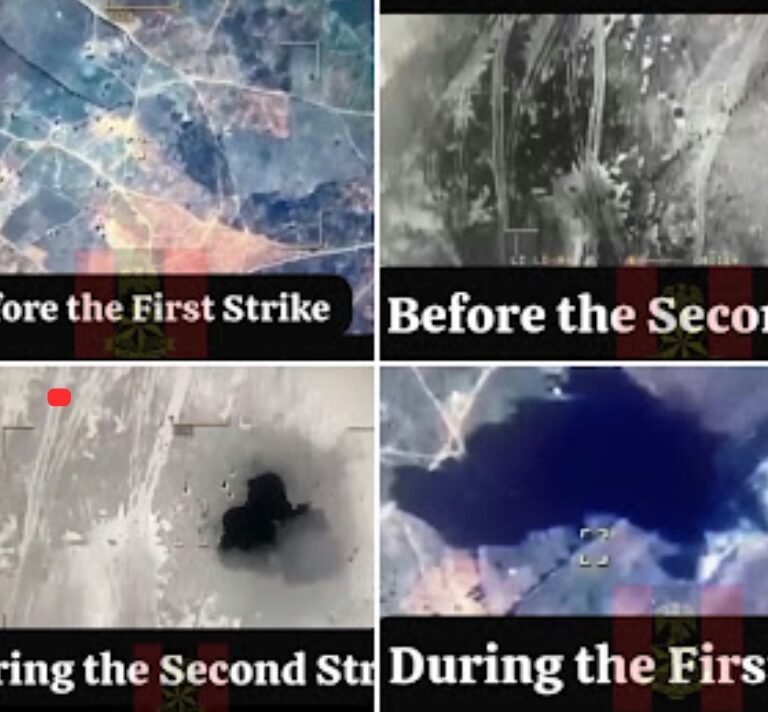
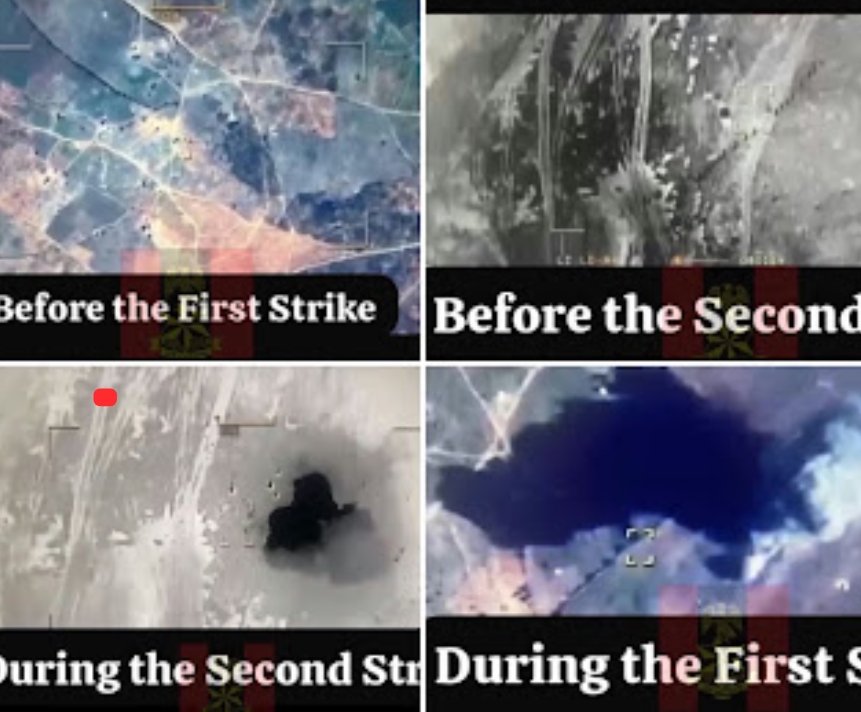
According to security sources, an Unmanned Aerial Vehicle (UAV) was deployed to monitor the area, where it identified the fighters moving along a bush path northeast of Monguno.
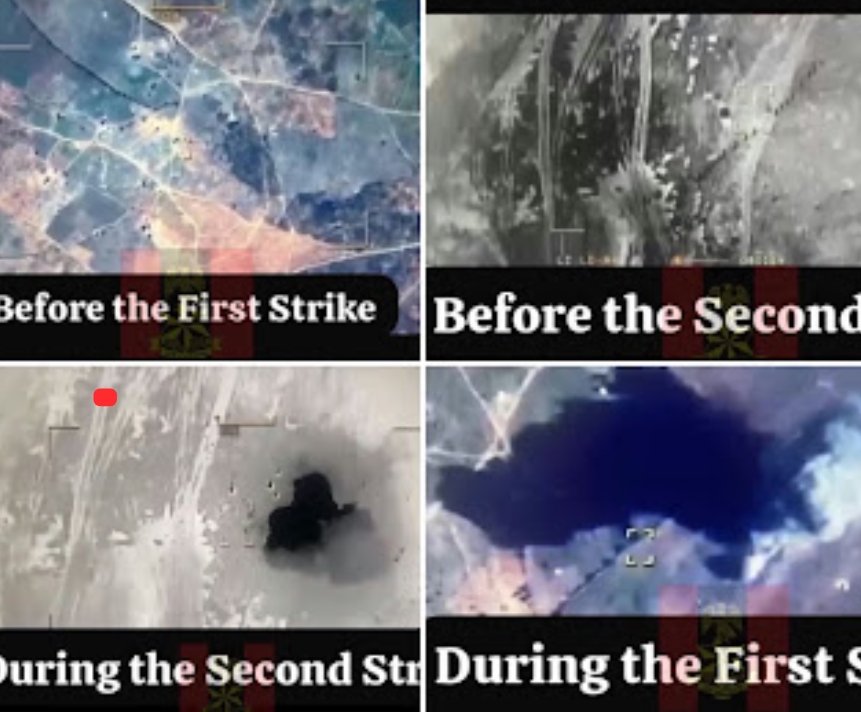
The military subsequently carried out a precision air strike, killing seven fighters, including members of the group’s IED network.
A follow-up assessment identified Abba Bomma, described as a key IED team expert, among those incapacitated during the operation. Four other fighters reportedly sustained severe injuries.
In a separate operation around Arinna in the South Lake Chad area, Nigerian military aircraft targeted ISWAP fighters, dealing a blow to the group’s leadership and operational structure.
Among those killed was Mallam Sharki, identified as a prominent member of the group’s Shura Council and Amirul Amniya, a position described as the group’s Provost Commander.
Another senior operative, Abu Saad, identified as the Qaid of Sabon Tumbu, was also killed alongside 12 other fighters.
The operation reportedly left five additional insurgents severely injured, while several motorcycles belonging to the group were destroyed.
Combined, the two operations resulted in 21 ISWAP fighters being neutralised, with 10 others severely injured.
The reported killing of Mallam Sharki could affect the group’s leadership and internal security structure, while the incapacitation of Abba Bomma may disrupt its IED production and deployment activities.
The latest operations form part of the military’s sustained campaign against ISWAP fighters, leadership structures and logistics networks across the Lake Chad region.