
By Gabriel Ameh
Stakeholders at the International Stakeholders Engagement Forum of the Diplomatic Correspondents Association of Nigeria (DICAN) have called for stronger political party organisation, internal discipline and sustained anti-corruption reforms as Nigeria prepares for the 2027 general elections.
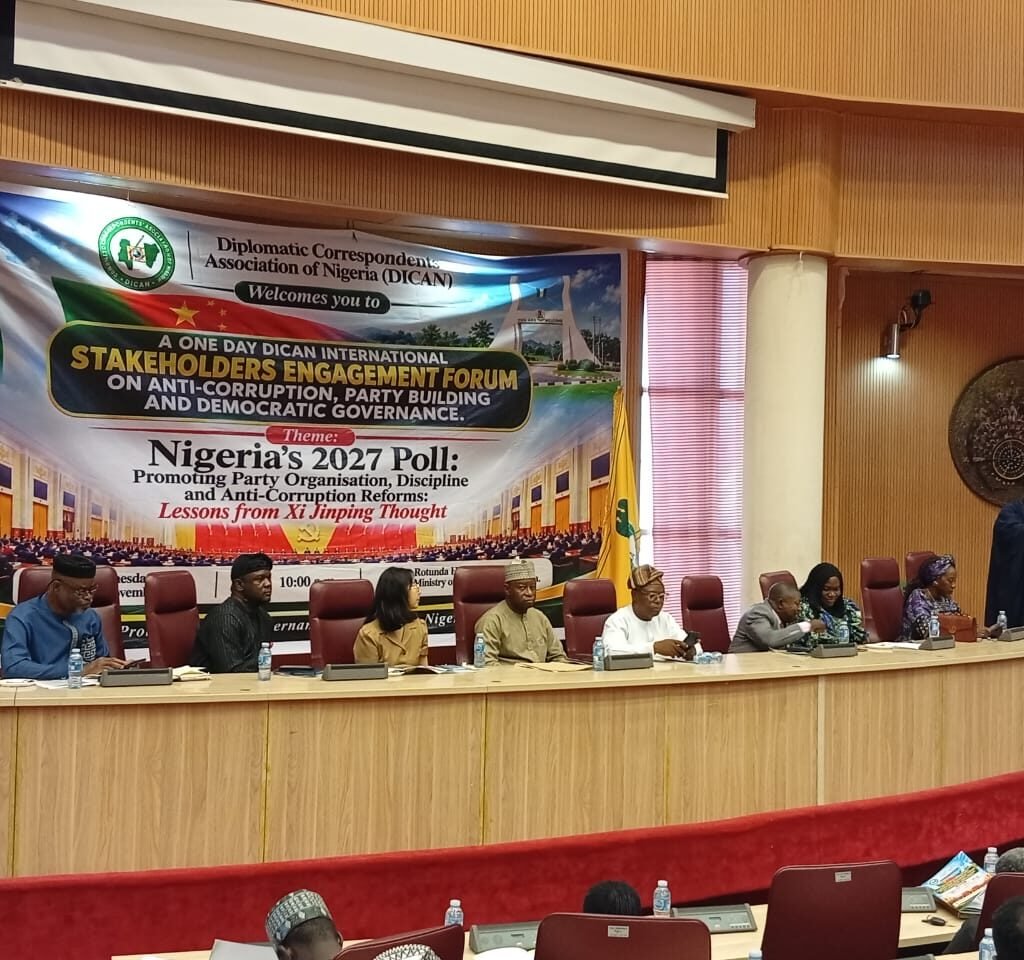
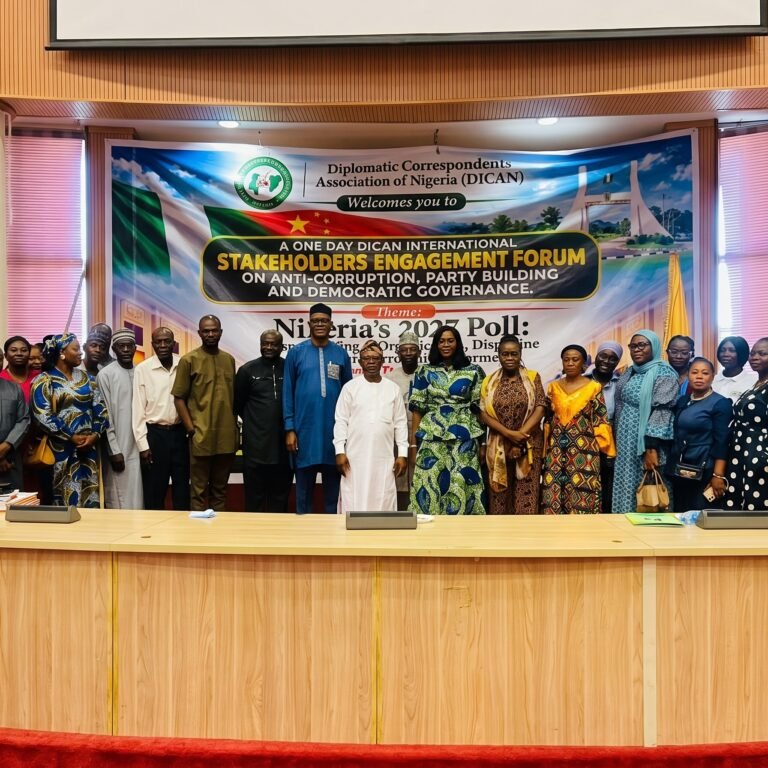
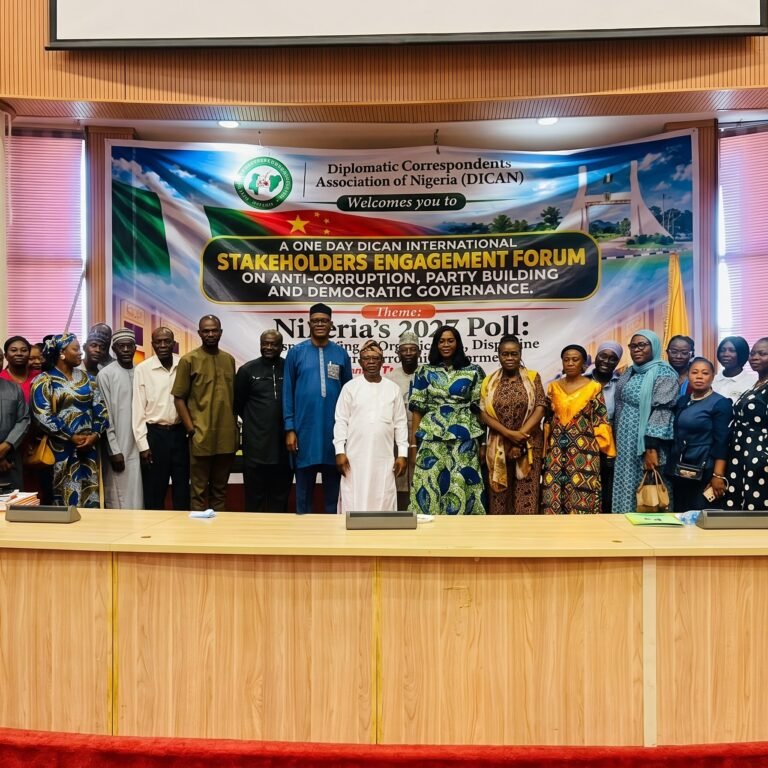
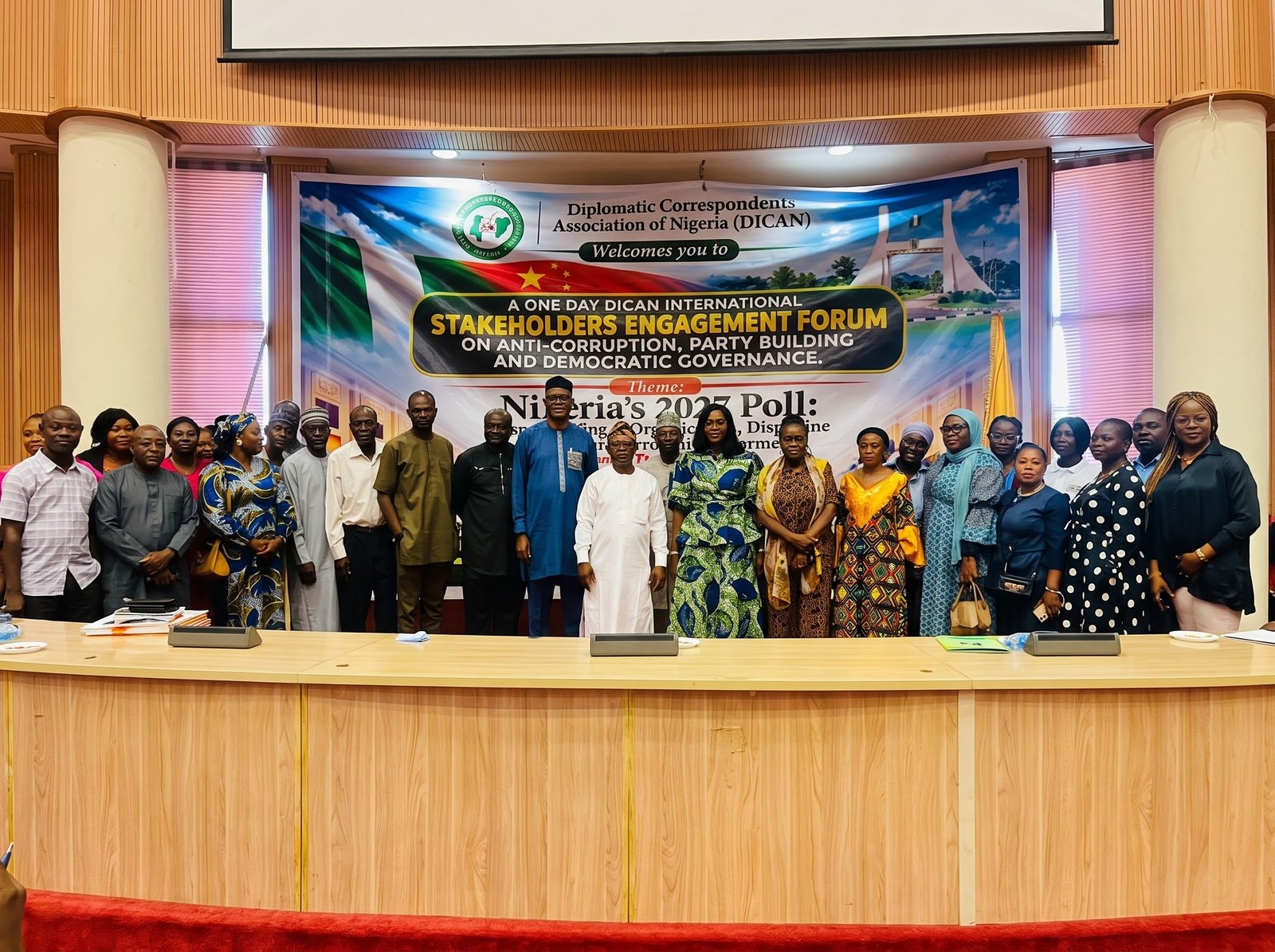
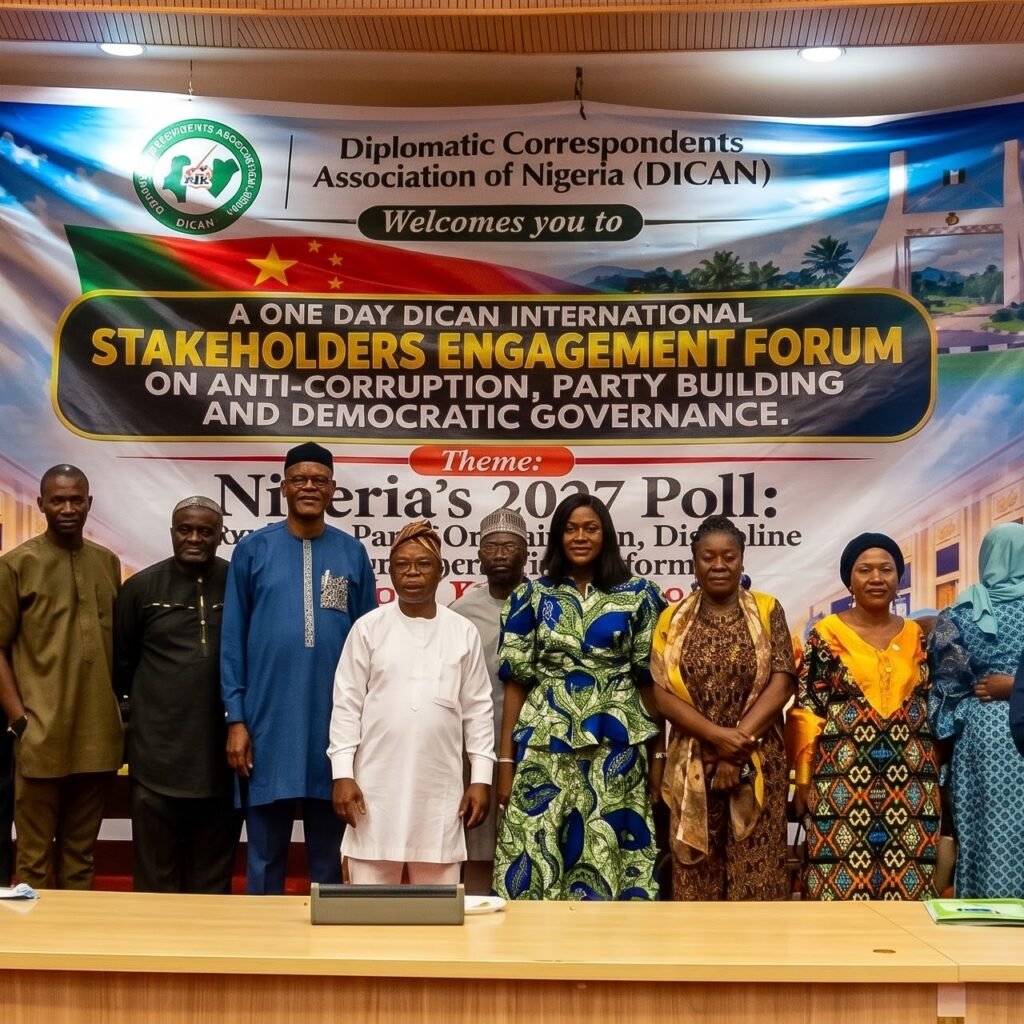
The forum, held on Wednesday, November 18, 2026, at the Rotunda Hall of the Ministry of Foreign Affairs, Abuja, brought together government representatives, diplomats, political stakeholders and other participants to examine the relationship between anti-corruption, party building and democratic governance.
With the theme, “Nigeria’s 2027 Poll: Promoting Party Organisation, Discipline and Anti-Corruption Reforms: Lessons from Xi Jinping Thought,” the engagement focused on how institutional accountability and effective party structures could strengthen Nigeria’s democratic process.
In his opening remarks, DICAN Chairman, Idehai Frederick, said Nigeria’s democratic future depended not only on the conduct of elections but also on the strength of its institutions, the credibility of political parties and the commitment of public officials to accountability.
Frederick said political parties must demonstrate the democratic principles they seek to promote in public governance through transparent leadership selection, internal discipline, respect for party constitutions and credible dispute-resolution mechanisms.
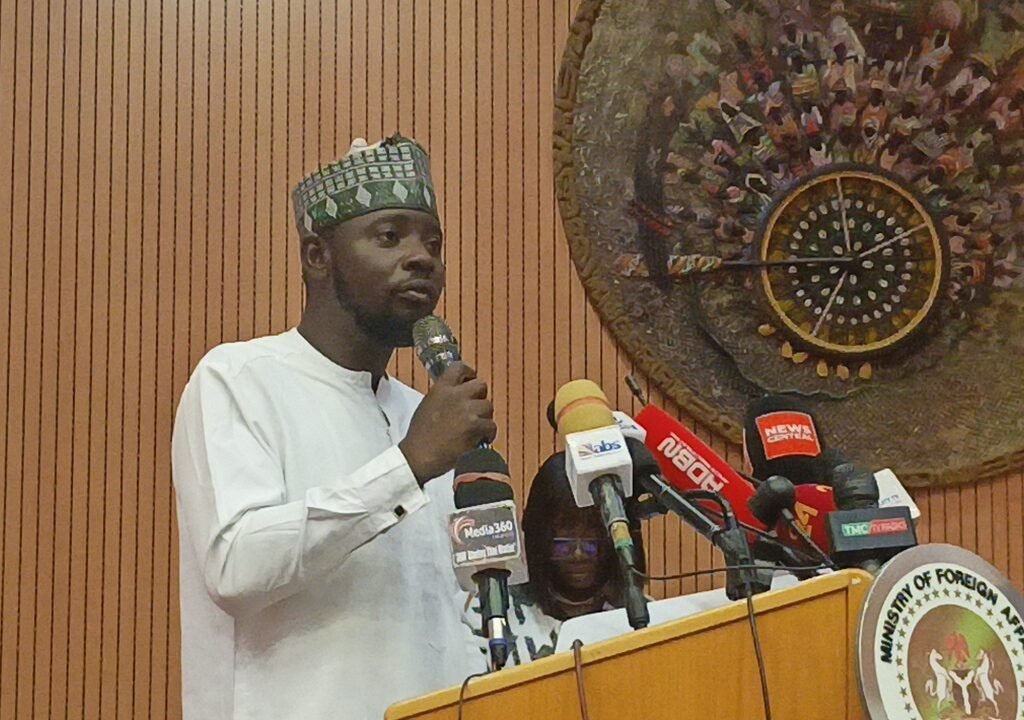
He explained that the forum was designed to encourage constructive dialogue and identify practical approaches to improving political party organisation, strengthening democratic institutions and advancing anti-corruption reforms.
Addressing concerns about the country’s political system, the DICAN chairman noted that China’s governance structure differs from Nigeria’s constitutional multiparty democracy.
He stressed that the purpose of examining China’s experience was not to advocate the adoption of its political system but to identify useful governance practices that could be adapted to Nigeria’s constitutional framework and democratic realities.
According to him, China’s experience in economic transformation, infrastructure development, poverty reduction and anti-corruption efforts provides opportunities for policy reflection.
China highlights anti-corruption record
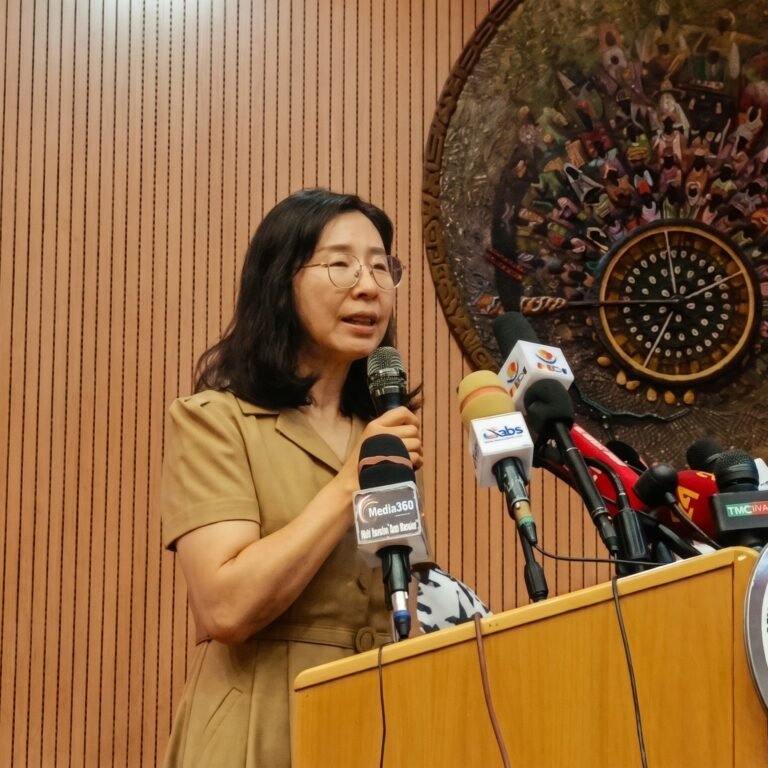
In her presentation, Chinese diplomat and Counsellor Dong Hairong highlighted China’s approach to party discipline and anti-corruption, describing internal accountability as essential to effective governance and maintaining public confidence.
She discussed the Fifth Plenary Session of the 20th Central Committee of the Communist Party of China, held from October 26 to 29, 2026, which adopted a resolution on strengthening full and rigorous party self-governance.
Hairong said the resolution outlined measures aimed at strengthening the party’s governing capacity, maintaining its integrity and ensuring that its leadership remained connected to the people.
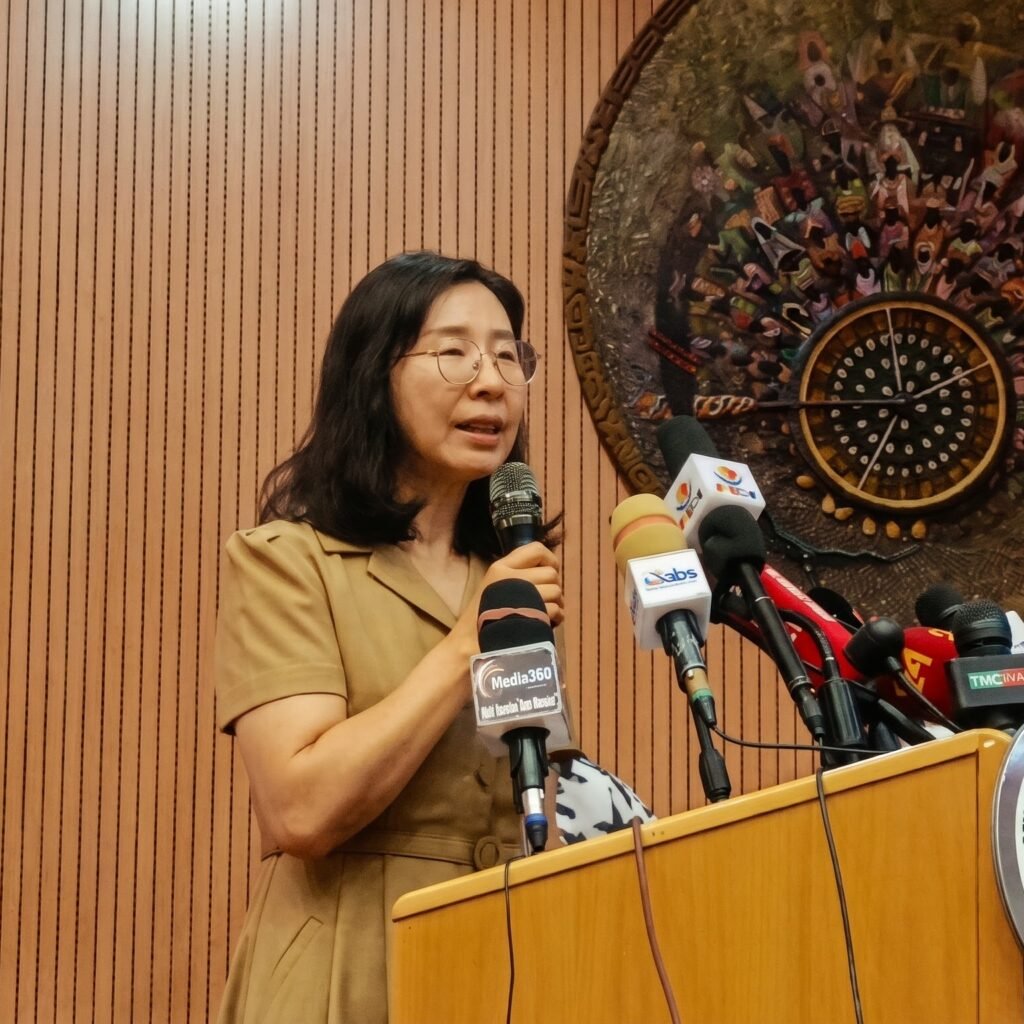
She argued that political parties must continuously examine their internal structures, correct weaknesses and hold their members accountable to maintain public trust.
On China’s anti-corruption campaign, the diplomat said the country had maintained a zero-tolerance approach since 2012.
She cited figures indicating that 8.1 million cases had been filed and more than 7.9 million officials had faced disciplinary or administrative sanctions, including over 900 officials at ministerial level and above.
Hairong also claimed that public support for China’s anti-corruption efforts had reached 97.4 per cent.
She maintained that the campaign would continue, describing corruption as a serious challenge that required sustained institutional commitment.
The Chinese diplomat further emphasised strict supervision of public officials, saying accountability should apply across all levels of government.
She identified transparent recruitment, training, appointment, management and oversight of public officials as important measures for preventing abuse of power and strengthening public institutions.
Hairong said China was willing to share its governance experience with Nigeria and other developing countries, while expressing readiness to deepen bilateral exchanges, inter-party cooperation and collaboration on anti-corruption.
Peter Ameh identifies weaknesses in Nigeria’s political parties
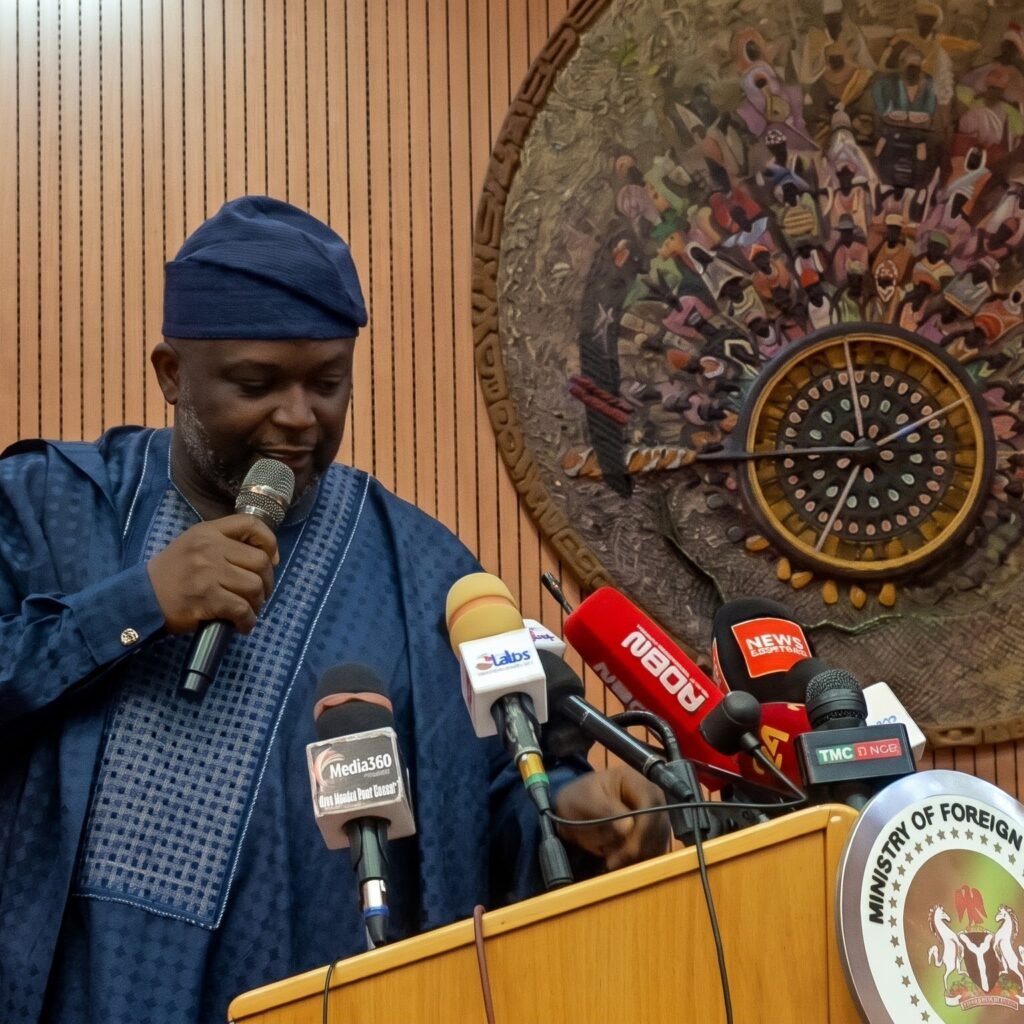
Former Chairman of the Inter-Party Advisory Council (IPAC), High Chief Peter Ameh, called for comprehensive political party reforms, warning that Nigeria could not build a sustainable democracy on weak, poorly organised and undisciplined political parties.
In his goodwill message titled “Nigeria’s 2027 Poll: Promoting Party Organisation and Discipline,” Ameh identified weak internal structures, leadership disagreements, personalisation of political parties, vote buying, political godfatherism and poor financial transparency as major challenges undermining democratic development.
He cited the prolonged leadership disagreements within the Peoples Democratic Party (PDP) as an example of how unresolved internal conflicts could weaken party cohesion and organisational effectiveness.
Ameh also expressed concern about the influence of money in politics, frequent defections, political opportunism and the failure of some parties to enforce their constitutions and disciplinary procedures.
He said political parties must move beyond being platforms for winning elections and become institutions that promote democratic participation, credible leadership recruitment and accountability.
On internal democracy, the former IPAC chairman called for transparent membership registration, credible party congresses, fair leadership elections and open candidate nomination processes.
He maintained that candidates seeking elective positions should be assessed based on competence, integrity, experience and commitment to public service rather than financial influence or personal connections.
INEC’s voter register and declining turnout raise concerns
Ameh also raised concerns about the credibility of the electoral process, particularly the accuracy of the National Register of Voters and declining voter participation.
He referred to INEC’s November 2026 disclosure that its voter register clean-up exercise had resulted in the removal of 1,609,553 records, comprising 1,608,660 invalid registrations and 873 records belonging to verified deceased persons.
He described the development as a serious concern that raised questions about the effectiveness of previous voter registration and verification exercises.
According to him, maintaining an accurate and reliable voter register is fundamental to credible elections, as irregularities could undermine public confidence and generate disputes over electoral outcomes.
Ameh further cited INEC’s February 2026 remarks indicating that presidential election turnout declined from 53.7 per cent in 2011 to 26.7 per cent in 2023.
He said the trend highlighted the need to address political apathy, declining public confidence and citizens’ perceptions of the value of electoral participation.
He urged the electoral commission and relevant stakeholders to strengthen voter registration, verification, accreditation, voting and results management ahead of the 2027 elections.
Political parties urged to embrace accountability beyond elections
Ameh argued that political parties should not consider their responsibilities fulfilled after winning elections and producing elected representatives.
He called on parties to establish internal mechanisms for monitoring the conduct of their elected officials, assessing their performance and promoting compliance with ethical standards.
He said parties should demand accountability from their representatives on campaign promises, constituency development, legislative responsibilities and the management of public resources.
However, he stressed that such internal mechanisms must complement, rather than replace, the independent statutory responsibilities of anti-corruption and accountability institutions, including the EFCC, ICPC, Code of Conduct Bureau, Code of Conduct Tribunal and Office of the Auditor-General.
In his concluding remarks, Ameh said Nigeria needed to move from an election-centred approach to sustained institutional governance.
He identified institutionalised party discipline, transparent political financing and continuous accountability of elected representatives as essential priorities for strengthening democracy.
Foreign Affairs Ministry backs stronger democratic institutions
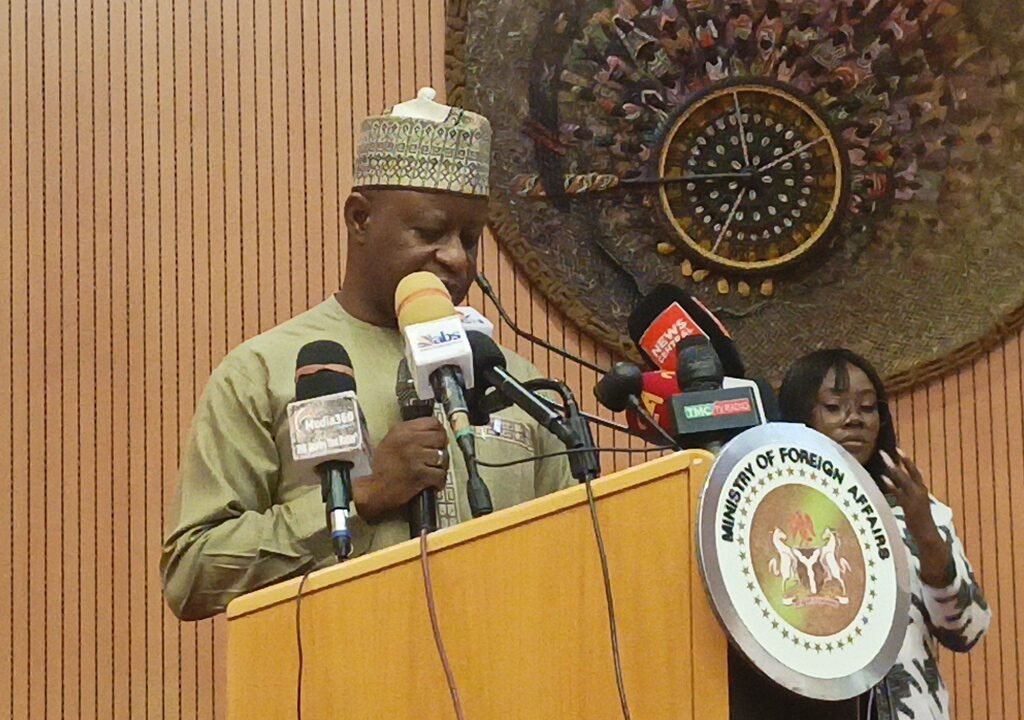
In a goodwill message delivered on behalf of the Minister of State for Foreign Affairs, Ambassador Sola Enikanolaiye, by Mahmud Aliyu, Administrative Officer in the Ministry, the Federal Government commended DICAN for its contribution to projecting Nigeria’s foreign policy objectives through journalism and diplomatic reporting.
The minister said the Ministry of Foreign Affairs valued its partnership with the association and looked forward to strengthening the relationship.
He described anti-corruption, party building and democratic governance as interconnected pillars of national development, stressing that they were essential to strengthening democratic institutions, protecting the rule of law and promoting transparency and accountability.
Enikanolaiye also linked the discussion to Nigeria’s 4-Ds Foreign Policy priorities: Demography, Development, Diaspora and Democracy.
He explained that democracy provides the foundation for stability and accountability, while development translates diplomatic engagements into economic and social benefits.
He added that Nigeria’s population represents an important source of economic strength and international influence, while the diaspora connects the country to global opportunities, expertise, investment and innovation.
The minister called on political parties, the media, civil society organisations and government institutions to play active roles in advancing these priorities.
He expressed hope that the forum would generate recommendations capable of strengthening democratic institutions and ensuring that Nigerians increasingly benefit from accountable and responsive leadership.
As discussions continue ahead of the 2027 general elections, the stakeholders emphasised that credible elections must be supported by disciplined political parties, transparent political financing, effective institutions and leaders who remain accountable to the people.
The forum concluded with a call for practical recommendations that can translate discussions on anti-corruption and party building into meaningful reforms for Nigeria’s democratic development.