
0-0x0-0-0-{}-0-0#
ABUJA | Media360Impact Report
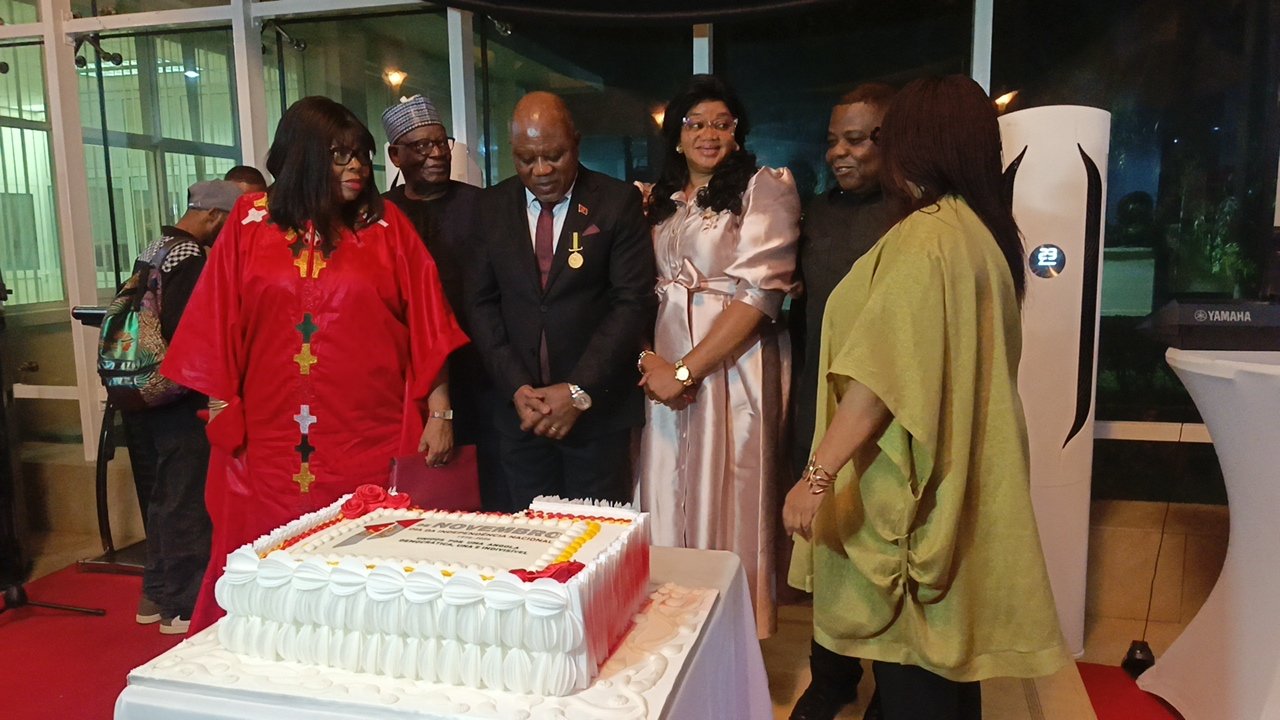
Angola has highlighted its achievements in national reconciliation, economic reforms, infrastructure development and international cooperation as the country marked 51 years of independence, while reaffirming its commitment to strengthening diplomatic and economic relations with Nigeria.
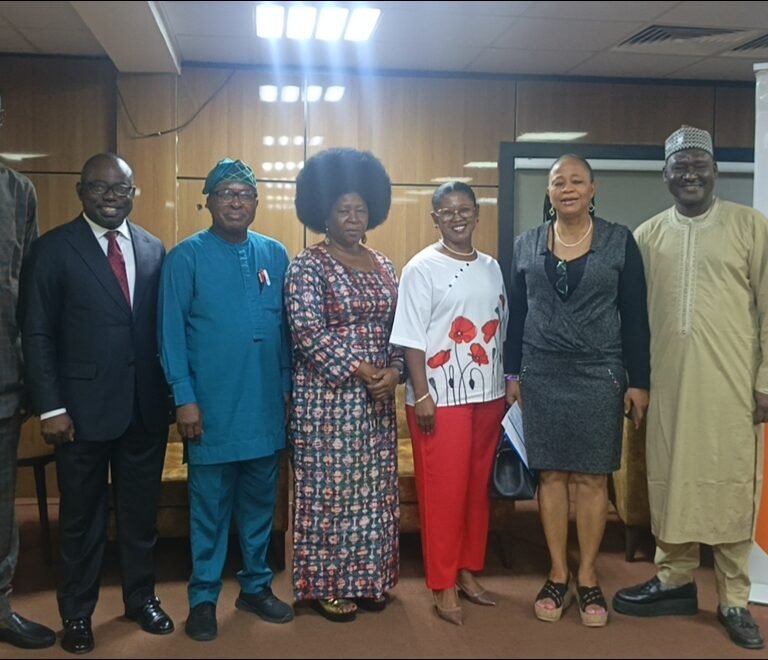
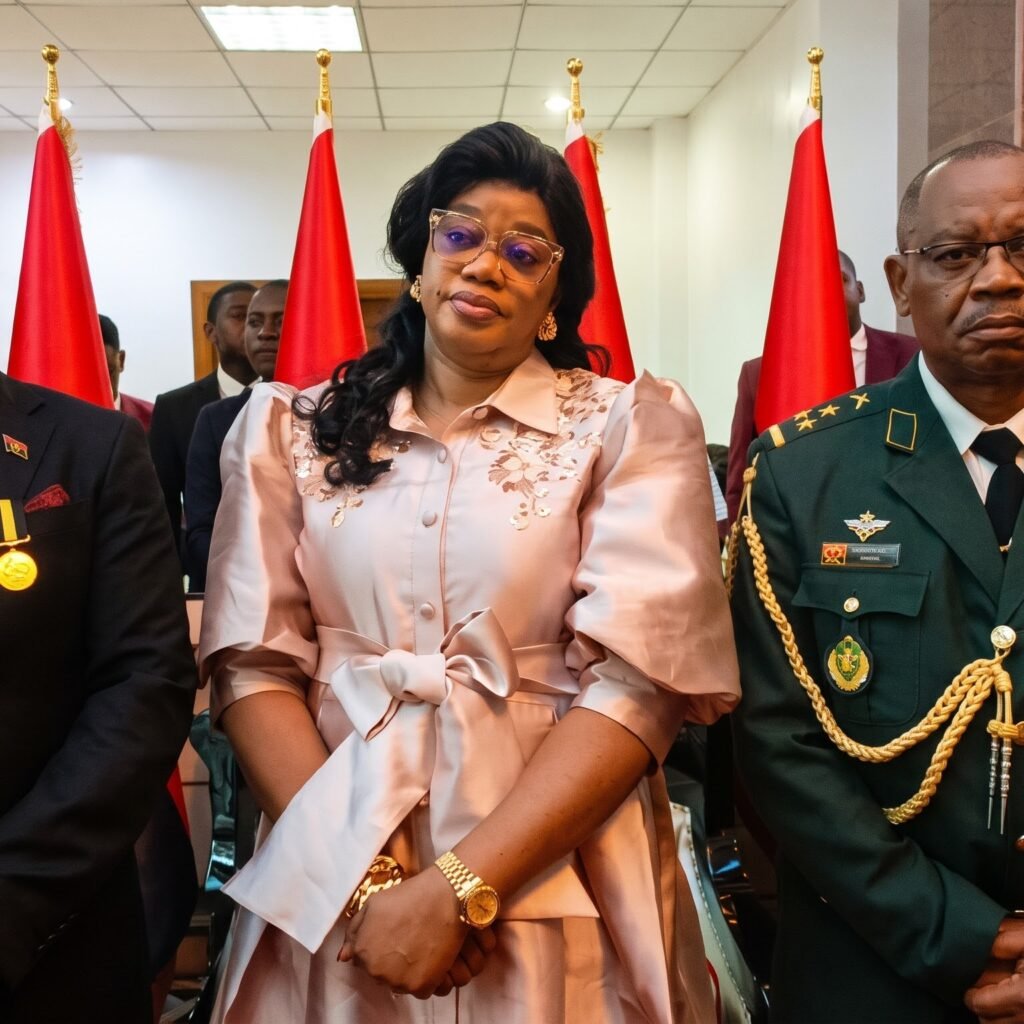
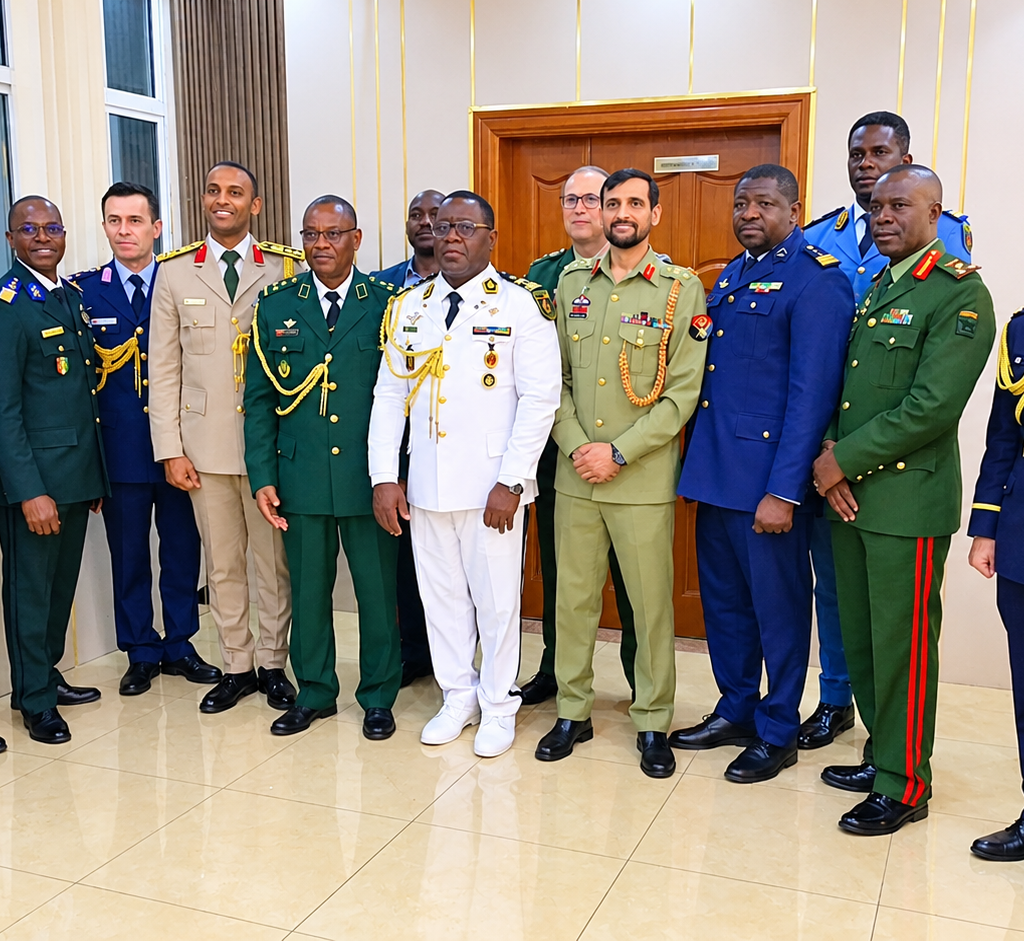
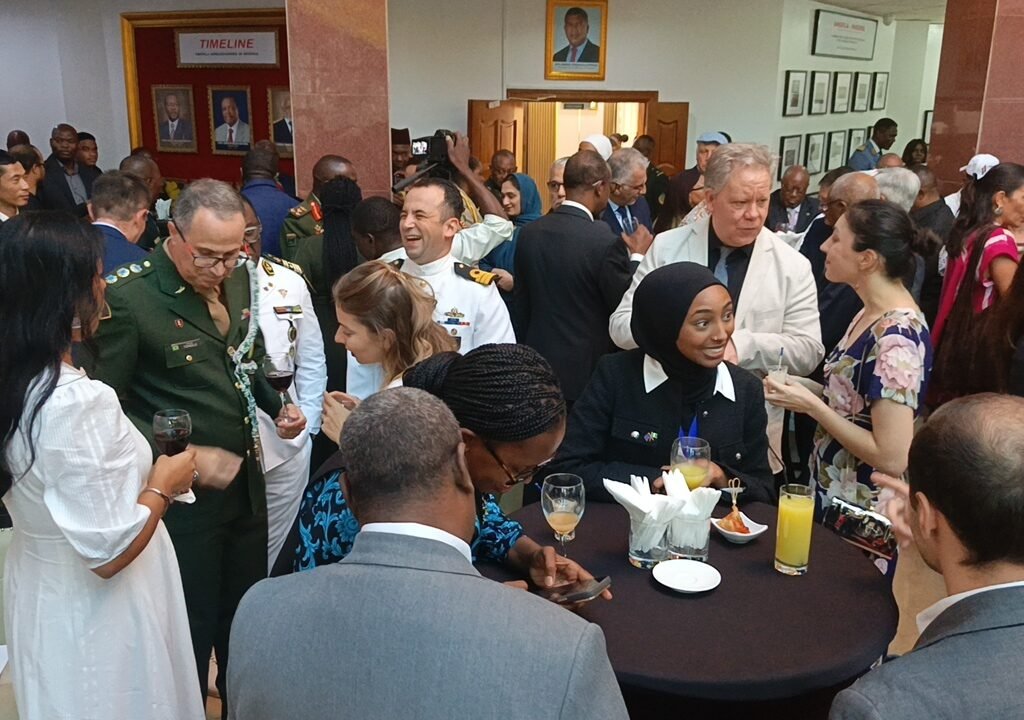
The anniversary celebration, held in Abuja on Wednesday, November 11, 2026, brought together members of the diplomatic corps, representatives of international organisations, government officials and members of the Angolan community.
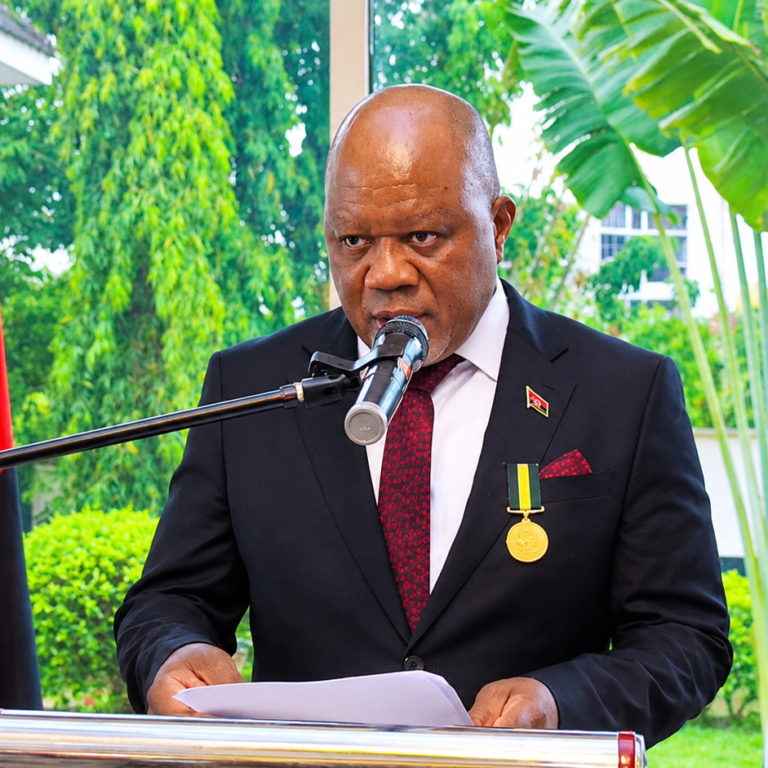
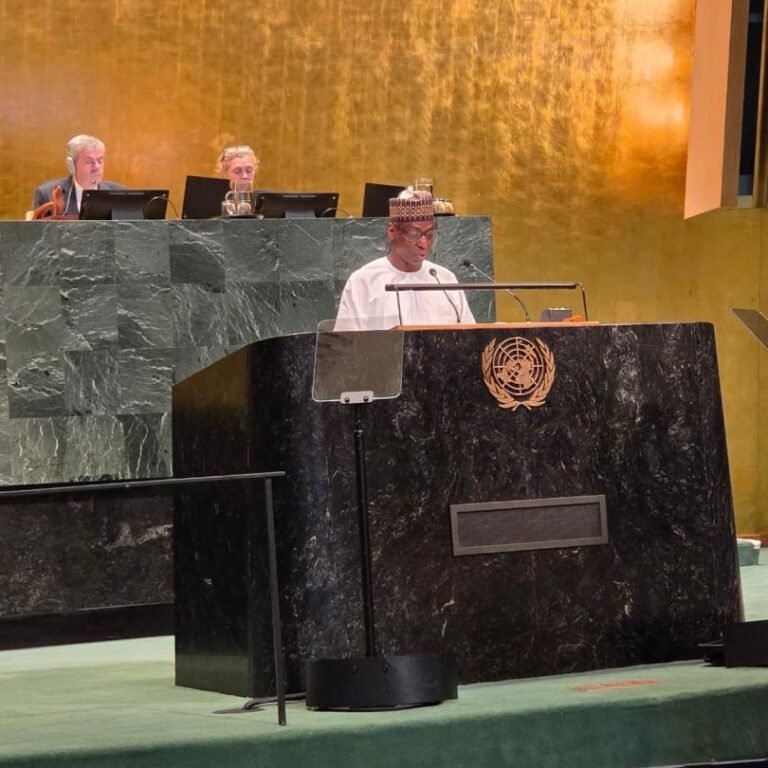
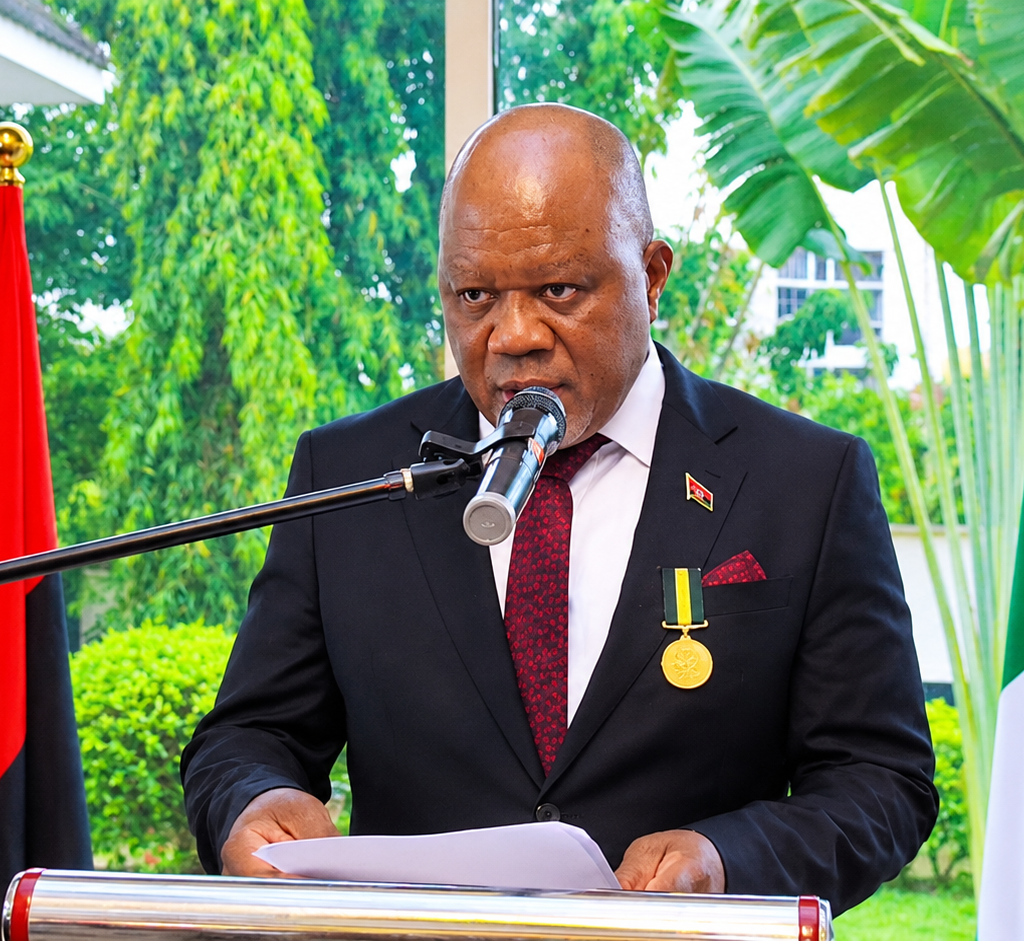
Delivering the official independence anniversary address, Angola’s Head of Mission, Ambassador José Bamóquina Zau, reflected on the country’s journey since gaining independence from Portugal on November 11, 1975.
He described independence as a defining moment in Angola’s history, following nearly five centuries of colonial domination, noting that the country had gradually transformed from a nation emerging from conflict into a sovereign state and an active partner in the international community.
The ambassador identified peace and national reconciliation as among Angola’s most significant achievements, highlighting 24 years of sustained peace following decades of civil war.
He explained that former combatants who once fought on opposing sides now serve together in the Angolan Armed Forces, attend the same institutions and live as members of one society.
According to him, Angola has also continued to strengthen its democratic institutions through its 2010 Constitution, regular elections and the activities of its National Assembly.
He acknowledged that democracy remains a continuous process but maintained that the country was committed to consolidating its democratic journey.
Angola highlights economic reforms and infrastructure development
On the economy, the Angolan envoy acknowledged persistent challenges, including poverty, youth unemployment, education and the need to improve public services.
However, he pointed to improvements in macroeconomic stability, stating that inflation had declined from about 30 per cent five years ago to 8.7 per cent, while foreign exchange reserves were recovering and the national currency was stabilising.
He also highlighted efforts to reduce the country’s dependence on petroleum by expanding agriculture, which he said now contributes more than 12 per cent of the country’s Gross Domestic Product.
The ambassador identified the Lobito Corridor as a major infrastructure project connecting Angola’s Atlantic coastline to the mineral-rich regions of Zambia and the Democratic Republic of Congo, describing it as an important driver of regional trade and integration.
On energy, he disclosed that hydroelectric power accounts for approximately 60 per cent of Angola’s electricity generation, with projects such as the Laúca Dam and Soyo Combined Cycle Gas Power Plant contributing to the country’s energy capacity.
He further announced that the Caculo Cabaça Hydropower Dam is expected to become operational in June 2027, with a projected generation capacity of more than 2,172 megawatts.
The project, he said, is expected to increase Angola’s total electricity generation capacity from approximately 6,400 megawatts to 8,600 megawatts.
Angola opens doors to tourism and investment
The ambassador also highlighted opportunities in tourism, environmental conservation and cultural development, describing Angola as a country with significant investment potential.
He identified the country’s 1,650-kilometre coastline, Kalandula Falls, Namib Desert, Serra da Leba mountain range and Maiombe Forest among its major natural attractions.
He said Angola had simplified its visa regime for citizens of more than 90 countries, restored direct air connections with several international destinations and reopened national parks previously affected by the civil war.
On cultural diplomacy, he noted that Angolan music genres, including Semba, Kizomba and Kuduro, alongside the country’s literature, languages, cuisine and creative industries, continue to gain international recognition.
He also described the Angolan diaspora as an important ambassador for the country’s identity and cultural heritage.
Nigeria, Angola strengthen 50-year diplomatic partnership
Turning to relations between Nigeria and Angola, the envoy described the partnership as historic, strategic and rooted in African solidarity and mutual respect.
He noted that both countries had maintained 50 years of diplomatic and cooperative relations, recalling Nigeria’s support for Angola’s independence process and the consolidation of its statehood from 1975.
He said the relationship had continued to expand through the Bilateral Joint Commission, which is working to update and strengthen agreements covering trade, transportation, culture, professional training, defence, cybersecurity and academic exchange.
The ambassador also highlighted the signing of a visa-exemption agreement for holders of diplomatic and official passports in 2026, alongside sister-state partnerships between Angola’s Namibe and Bengo provinces and Nigeria’s Bayelsa and Nasarawa states.
He attributed the growing relationship to engagements between Angolan President João Manuel Gonçalves Lourenço and Nigerian President Bola Ahmed Tinubu.
The envoy further highlighted Angola’s regional diplomatic role, particularly its chairmanship of the African Union for 2025–2026 and its involvement in efforts to promote peace and stability in parts of Central Africa and the Great Lakes region.
Nigeria reaffirms commitment to stronger bilateral relations
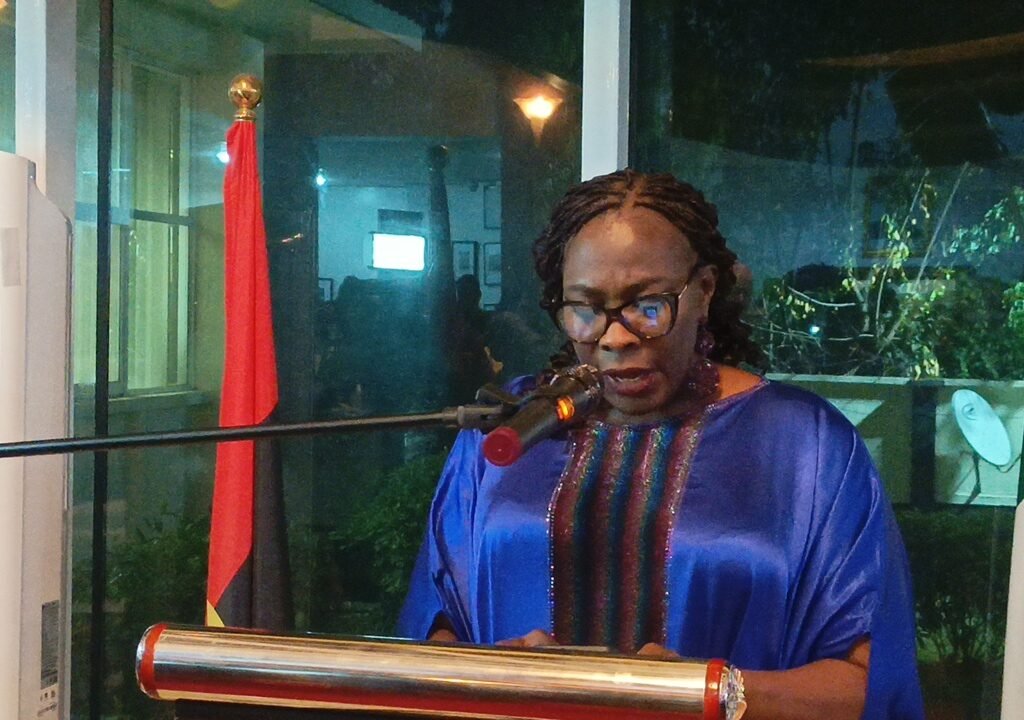
In her goodwill message, Nigeria’s Minister of Foreign Affairs, Ambassador Bianca Odumegwu-Ojukwu, congratulated the government and people of Angola on the 51st anniversary of their independence.
The minister, who was represented by Mrs Cicilia Eteng, Director of the Southern Africa Affairs Division at the Ministry of Foreign Affairs, said the anniversary provided an opportunity to reflect on Angola’s journey towards peace, unity, stability and sustainable development.
She described Nigeria and Angola’s relationship as one founded on mutual respect, African solidarity and a shared commitment to the continent’s advancement.
According to her, both countries have continued to strengthen cooperation in trade and investment, energy, education, culture and diplomatic engagement.
She reaffirmed Nigeria’s commitment to deepening bilateral relations and exploring additional areas of mutually beneficial cooperation for the prosperity of both countries.
The minister also commended Angola for its contributions to regional peace, security and stability, as well as its efforts towards promoting African unity and integration.
She wished the government and people of Angola continued progress and expressed confidence that the longstanding friendship between both countries would grow stronger.
Angola looks towards the future
Concluding his address, the Angolan envoy said the meaning of independence had evolved for the present generation, stressing that the next phase must focus on economic, intellectual, moral and cultural freedom.
He maintained that Angola was not asking the international community to overlook its challenges but to recognise its progress in preserving national unity, maintaining peace and building a foundation for sustainable development.
Describing Angola as an unfinished country, he said its development remained an ongoing process requiring the collective efforts of its people and international partners.
The celebration ended with renewed emphasis on the longstanding friendship between Angola and Nigeria and the shared commitment of both countries to stronger diplomatic, economic and cultural cooperation.
Source: Official address by the Head of Mission of the Republic of Angola at the 51st Independence Anniversary celebration in Abuja, November 11, 2026; goodwill remarks by Nigeria’s Minister of Foreign Affairs, Ambassador Bianca Odumegwu-Ojukwu.