
By Gabriel Ameh
The National Orientation Agency (NOA) has warned that the voter education gaps exposed during the 2023 general elections must be addressed ahead of the 2027 polls to improve citizens’ understanding of the electoral process and strengthen democratic participation.
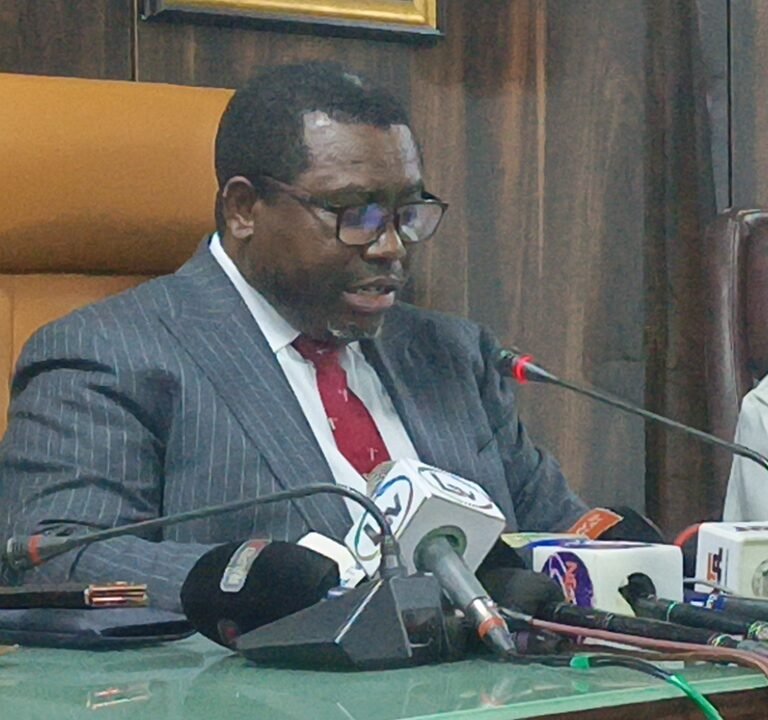
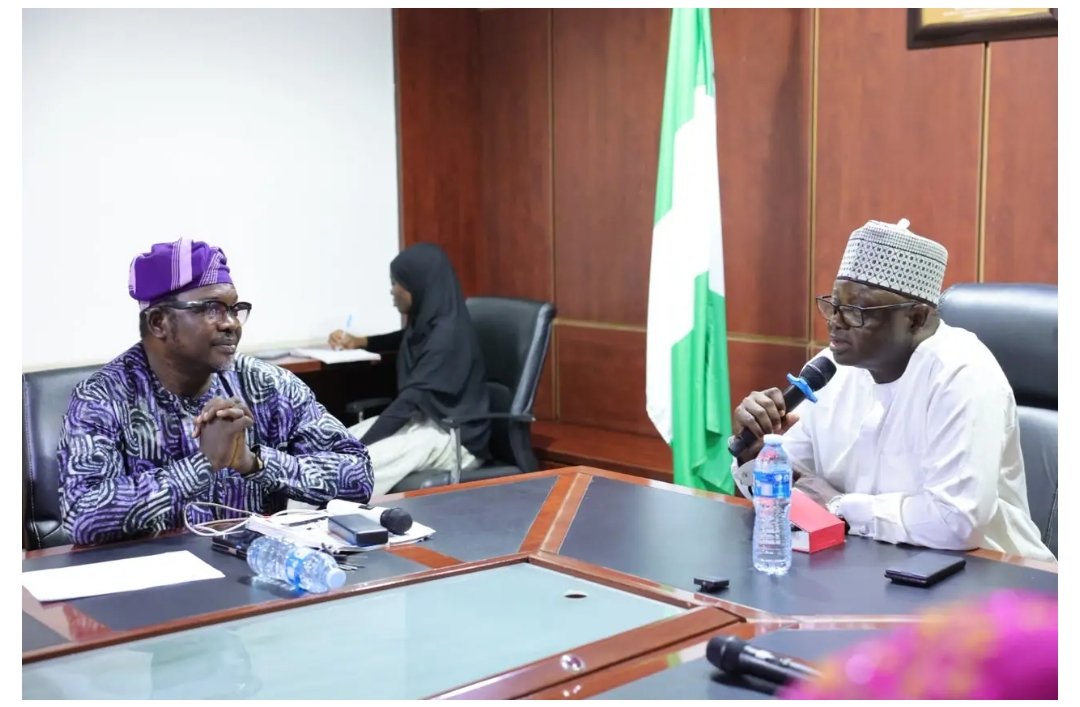
The Director-General of NOA, Mallam Lanre Issa-Onilu, said widespread misconceptions about voting procedures, particularly among young Nigerians, highlighted the need for sustained public enlightenment before, during and after elections.
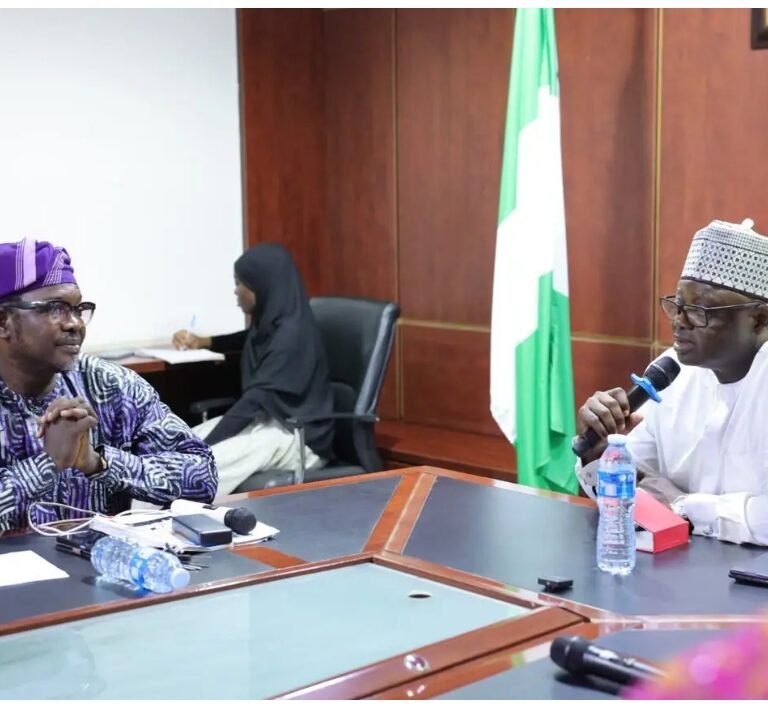
Issa-Onilu spoke on Tuesday in Abuja when he received a delegation of the Association of Corporate Online Editors (ACOE), led by its Chairman, Mr Sola Akingboye, on a courtesy visit to the agency.
He disclosed that the agency had launched a nationwide voter mobilisation campaign aimed at encouraging Nigerians to participate in the 2027 general elections while promoting peaceful conduct and responsible electoral behaviour.
According to him, the campaign was formally launched about three weeks ago at the NAV Centre, with the Independent National Electoral Commission (INEC), security agencies, development partners and civil society organisations participating.
The NOA boss said the initiative would target the country’s nearly 100 million registered voters, focusing on their civic responsibilities and the importance of participating in the democratic process.
He identified inadequate understanding of electoral procedures as one of the major challenges that must be tackled before the next general elections.
“The last election of 2023 was an eye-opener. Many things came up after the election that showed clearly that there was a huge gap in terms of education, voter education or democracy education,” he said.
Issa-Onilu cited controversies surrounding the voting status of the Federal Capital Territory (FCT) and widespread arguments on social media as examples of the misconceptions that emerged during the 2023 elections.
He also highlighted the confusion between electronic voter accreditation, electronic voting and electronic transmission of election results, insisting that Nigerians must understand the differences.
He explained that Nigeria’s electoral process still involves manual voting, where voters mark ballot papers and votes are sorted and counted, while electronic devices are used for voter accreditation and transmission of results.
According to him, the failure to distinguish between these stages has fuelled public misconceptions and unrealistic expectations about how elections are conducted.
He stressed that voter education should be a continuous exercise to help citizens understand electoral procedures, assess developments and make informed decisions throughout the election process.
The NOA Director-General also linked voter turnout to public confidence in the credibility of elections, warning that distrust could discourage citizens from participating.
“If there is a situation of distrust, it will even affect our job to mobilise people, because if they believe that their votes will not count, they will not come out,” he said.
He added that NOA was working with INEC to encourage improvements in the electoral process and strengthen public confidence in the commission.
Issa-Onilu expressed optimism about the conduct of recent off-cycle elections in Anambra, Ekiti and Osun states, saying improvements in electoral credibility could help reduce post-election disputes.
He argued that elections should reflect the choices of voters rather than be determined through prolonged court battles, noting that several political office holders in Nigeria had secured their positions through judicial decisions.
The NOA chief further warned against misinformation and deliberate attempts to create fear around elections, urging journalists to report political and electoral developments responsibly.
He maintained that the media must balance its watchdog responsibility with its developmental role of promoting national unity and holding public institutions accountable.
“Nobody can pay me or any of us to destroy what belongs to us,” he said, calling on journalists to contribute to national development while drawing attention to issues requiring correction.
Earlier, ACOE Chairman, Akingboye, said the association, which comprises more than 50 online media organisations, was ready to partner with NOA to promote voter education, responsible journalism and public enlightenment ahead of the 2027 elections.
He said the digital reach and editorial experience of member organisations could help the agency communicate its programmes, achievements and public enlightenment campaigns to millions of Nigerians.
“Our members possess the digital reach, editorial experience and storytelling capacity to communicate NOA’s programmes, achievements and public enlightenment campaigns to millions of Nigerians,” Akingboye said.
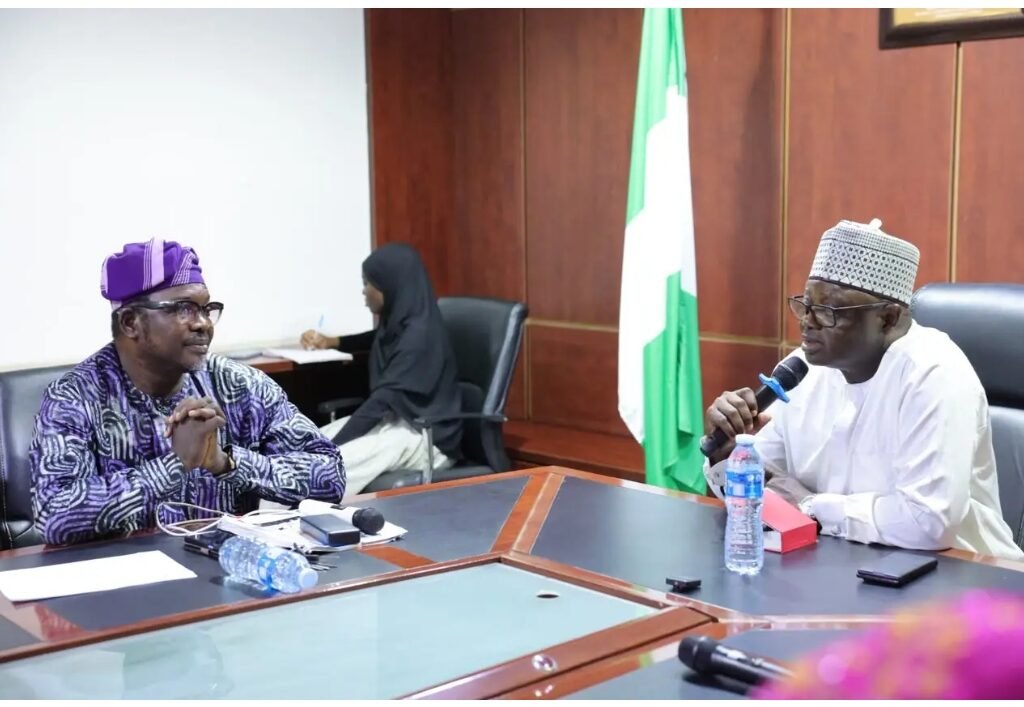
He called for timely access to official information, media tours of NOA’s state and zonal offices and periodic engagements with the agency’s leadership to enable journalists to report its activities from firsthand sources.
Akingboye said stronger collaboration between NOA and credible online media organisations would improve public access to information, promote transparency and strengthen engagement between government institutions and citizens.
He also invited the agency to partner with ACOE as a platinum sponsor of its public lecture scheduled for November 19, 2026, and requested that Issa-Onilu deliver the keynote address.
The event is expected to bring together stakeholders from the media, government and private sector to discuss national development as Nigeria prepares for the 2027 general elections.
Source: Association of Corporate Online Editors (ACOE) courtesy visit.