
By Gabriel Ameh
The Federal Government has called for the mobilisation of N70 billion over the next five years to combat noma and expand access to oral healthcare, particularly for children and vulnerable Nigerians in underserved communities.
The funding appeal forms part of the National Oral Health Strategic Plan (2026–2030), a five-year framework designed to strengthen disease prevention, promote early diagnosis and improve access to treatment across the country.
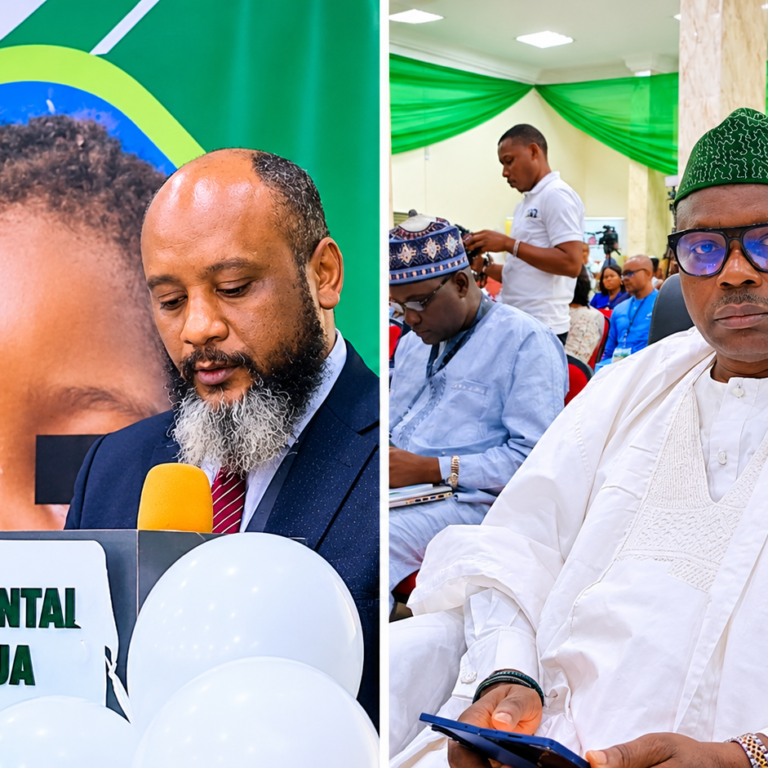
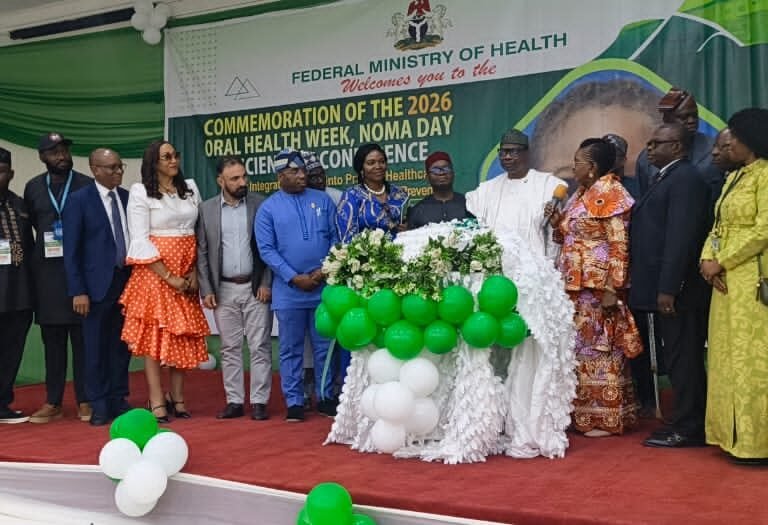
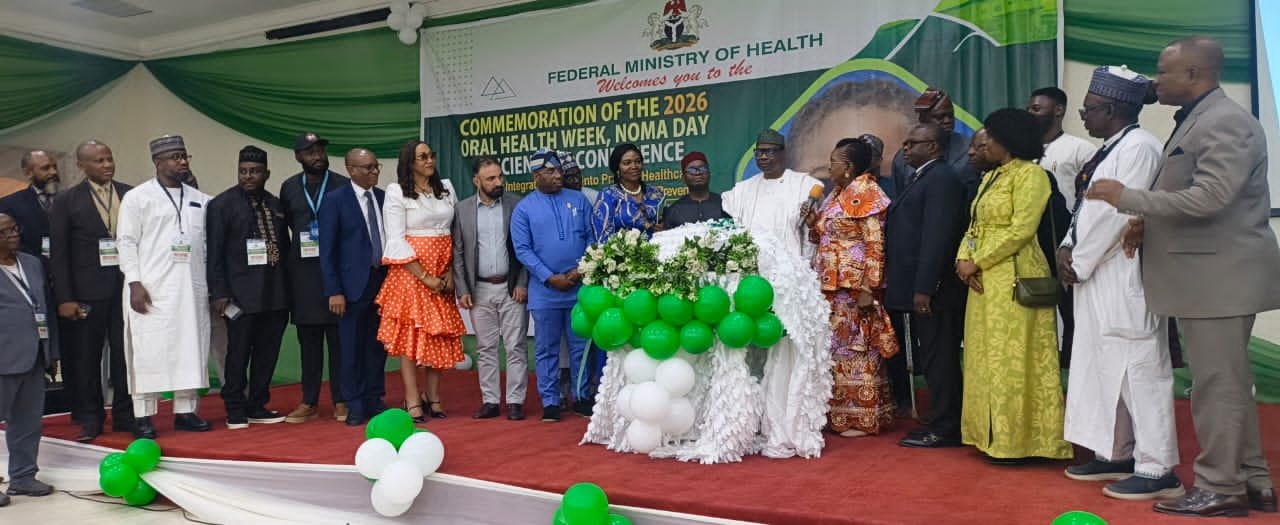
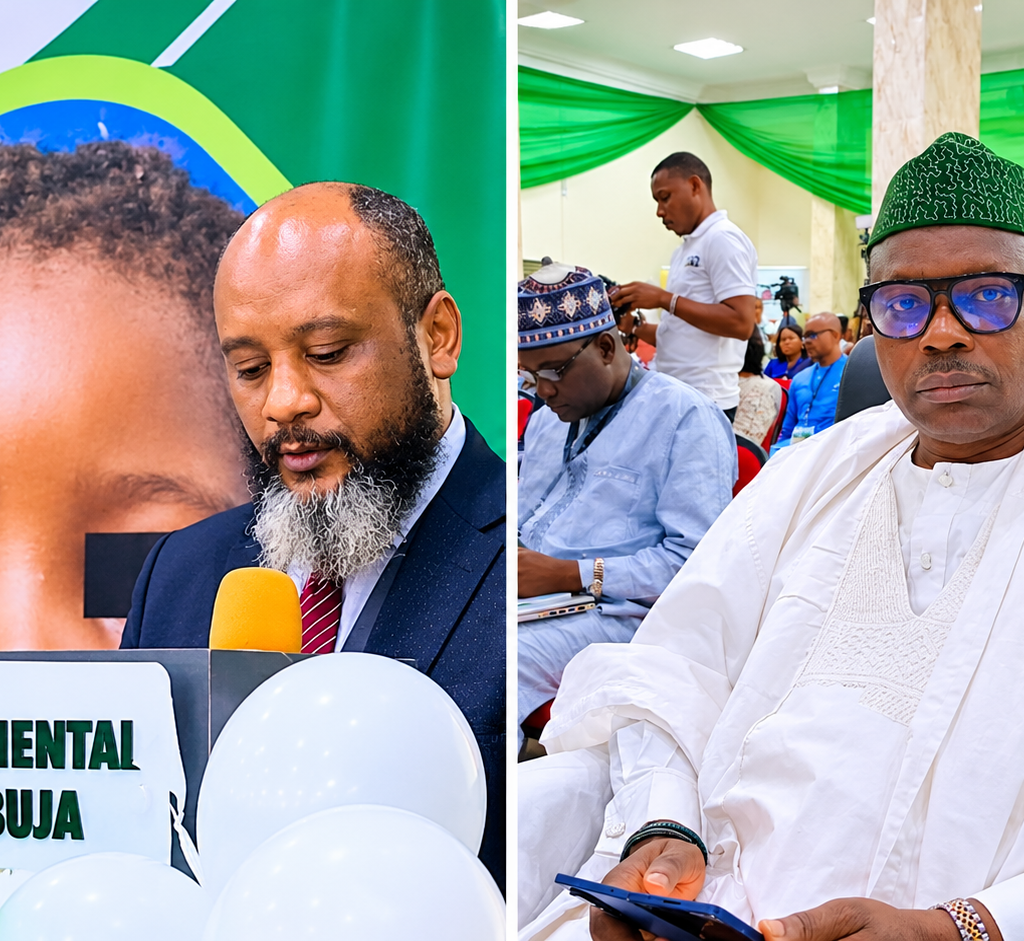
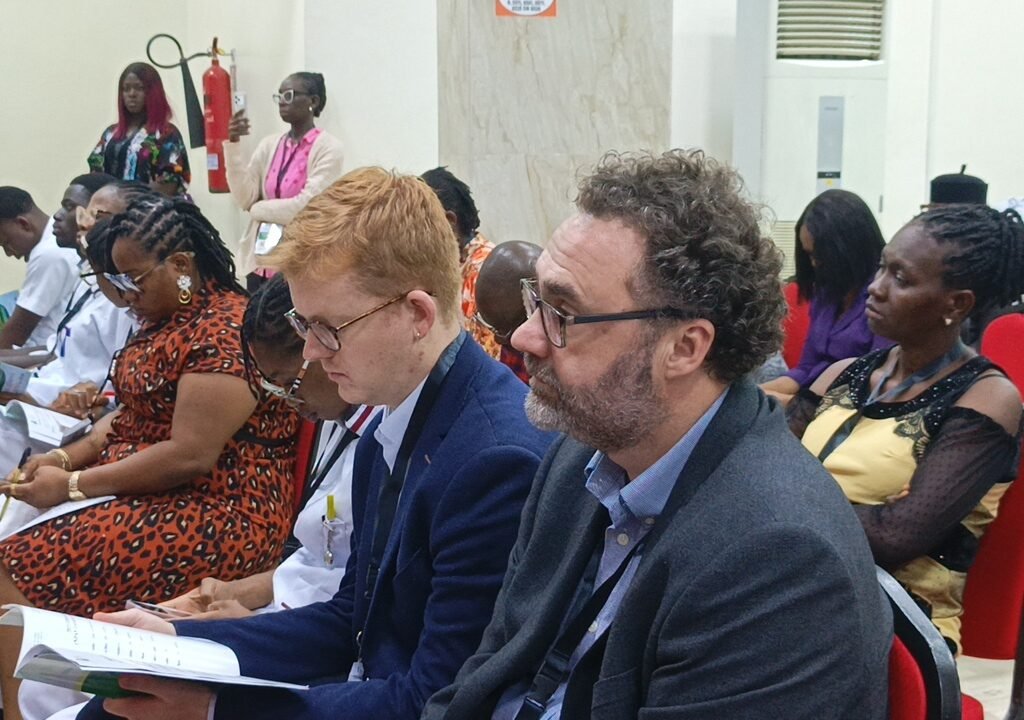
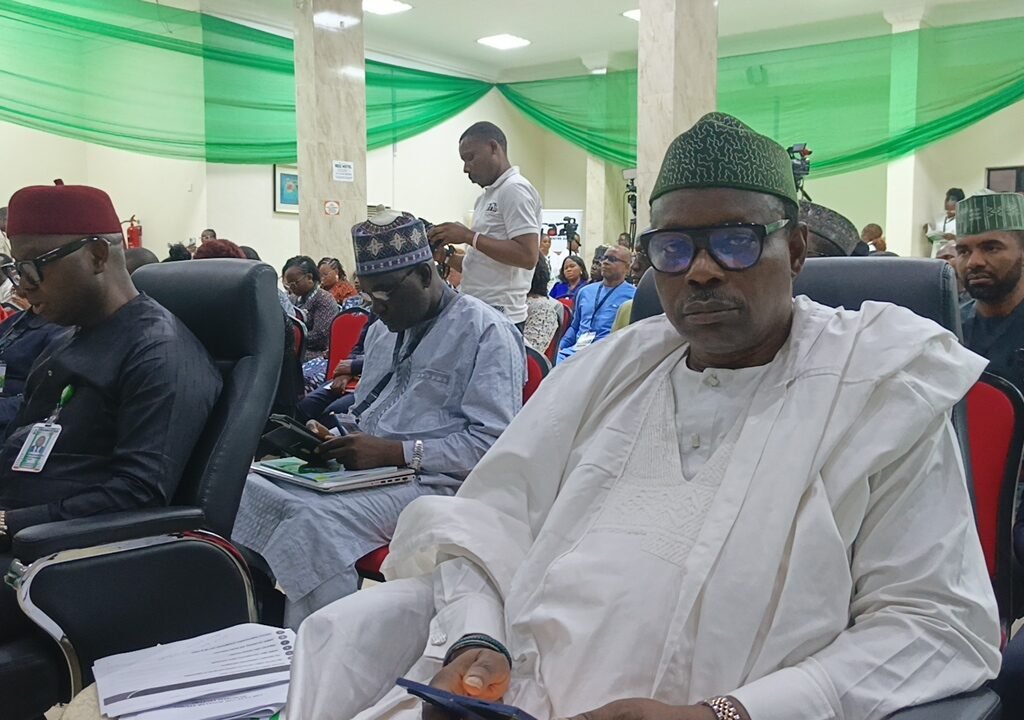
Minister of State for Health and Social Welfare, Dr Iziaq Salako, made the announcement on Monday in Abuja during the 2026 Oral Health Week, National Noma Day and Scientific Conference.
The conference was held under the theme, “Integrating Noma into Primary Healthcare: From Comprehensive Management to Prevention.”
Salako described the strategic plan as a shift from Nigeria’s traditional treatment-focused approach to dentistry towards a preventive healthcare system that prioritises public education, early detection and timely medical intervention.
He said the plan was developed through consultations with the Nigerian Dental Association and other stakeholders to integrate oral healthcare into primary healthcare services and improve access for disadvantaged populations.
Noma, a rapidly progressing and potentially fatal disease, destroys facial tissues and can cause severe complications within days if not detected and treated early.
The disease often begins as a gum infection but disproportionately affects children living in poverty, particularly those experiencing malnutrition and poor access to healthcare.
Survivors may suffer permanent facial disfigurement, disability and social stigma, making early intervention critical to preventing long-term complications.
Salako welcomed the World Health Organisation’s recognition of noma as a Neglected Tropical Disease, describing it as an important step towards attracting greater international attention and resources to the fight against the condition.
He said the Federal Government was strengthening community-level interventions by training frontline health workers, volunteers and traditional birth attendants to recognise early symptoms and refer suspected cases for treatment.
The minister also highlighted the role of specialised facilities, including the Noma Children’s Hospital in Sokoto and the national treatment facility in Abuja, which provide free reconstructive surgeries, rehabilitation and psychosocial support to affected children and their families.
According to him, vulnerable households affected by the disease are also being linked to social protection programmes to ease the financial burden of treatment and long-term rehabilitation.
Over 80% of Nigerians Have Never Visited a Dentist
Highlighting the country’s oral healthcare challenges, Salako disclosed that more than 80 per cent of Nigerians had never visited a dentist, while the dentist-to-population ratio remained approximately one dentist to 38,000 people.
He said the government was leveraging the Basic Health Care Provision Fund and other sector-wide initiatives to improve dental infrastructure, recruit more professionals and strengthen school-based oral health programmes.
The minister consequently appealed to state governments and development partners to help mobilise N70 billion over the next five years to finance the strategic plan and extend essential services to underserved communities.
Senate Pledges Funding and Legislative Support
Meanwhile, the Senate Committee on Health has pledged legislative and financial support for the nationwide campaign, describing noma as a preventable and treatable disease when identified early.
The committee, chaired by Senator Ipalibo Harry-Banigo, reaffirmed the National Assembly’s commitment to strengthening primary healthcare and making oral health an essential component of routine medical services.
It disclosed that funding for the Basic Health Care Provision Fund had been increased from one to two per cent to strengthen frontline healthcare delivery and community-based interventions.
The committee also identified the Noma Children’s Hospital in Sokoto, the Intercountry Centre in Jos and ongoing retrofitting of dental centres across federal university teaching hospitals as important parts of Nigeria’s response.
It said legislative measures were being pursued to institutionalise routine oral health screenings, early diagnosis of dental infections and specialised training.
The lawmakers further promised stronger oversight to ensure that approved funds translate into tangible healthcare services for affected children and families across the six geopolitical zones.
They called for greater collaboration among state governments, religious leaders, development partners and the media to tackle stigma, improve nutrition and increase public awareness.
MSF Reports Over 1,759 Reconstructive Surgeries
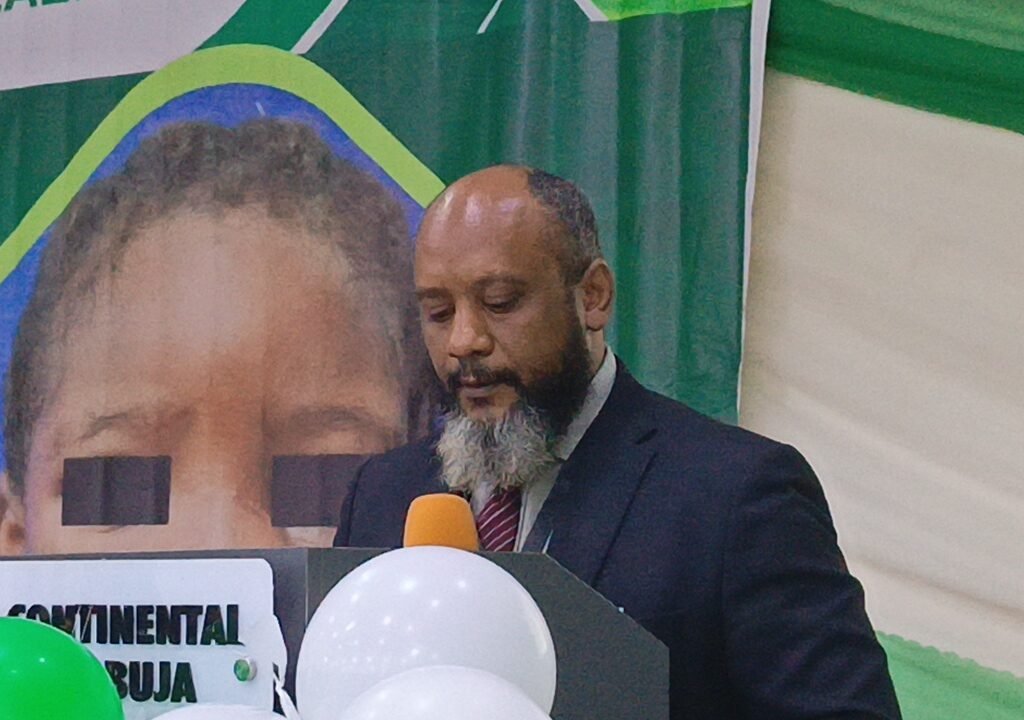
Country Representative of Médecins Sans Frontières (MSF), Dr Aldikhari Ahmed, called for stronger community-based surveillance and early detection, warning that delays in treating noma could lead to severe facial disfigurement, disability and death.
Ahmed commended the Federal Government and other stakeholders for efforts to integrate noma into primary healthcare guidelines and include the disease in the Surveillance Outbreak Response Management and Analysis System (SORMAS).
However, he stressed that these initiatives must be backed by sustainable funding, functional surveillance systems and effective implementation.
Highlighting MSF’s collaboration with the Federal Ministry of Health and Sokoto State Ministry of Health at the Noma Children’s Hospital, Ahmed said the organisation had supported comprehensive treatment at the facility since 2014.
He disclosed that the partnership had facilitated more than 1,759 major reconstructive surgeries for 1,174 patients through 35 surgical missions.
In 2026 alone, 114 surgeries had been performed on 96 patients, while 28 Nigerian surgeons and 14 anaesthetists had received specialised training through the collaboration.
Ahmed urged the government and development partners to invest in implementing the National Oral Health Strategic Plan, insisting that no child should suffer or die from a preventable and treatable disease.
WHO Calls for Early Detection and Community Awareness
Also speaking, the World Health Organisation Country Representative in Nigeria, Dr Pavel Ursu, represented by Dr Victor, commended the Federal Ministry of Health for organising the conference.
He called for the integration of noma prevention and comprehensive management into routine primary healthcare services.
According to him, noma primarily affects malnourished children between the ages of two and six, particularly those living in impoverished communities.
He stressed that early detection and prompt treatment could prevent the devastating consequences of the disease.
Ursu also called for improved capacity among frontline health workers, stronger disease surveillance and adequate psychosocial support for survivors and their families.
Stakeholders Honour Late Noma Humanitarian
In her keynote address, Dr Adebimpe Adebiyi paid tribute to the late Mama Ute Winkler-Stumpf, founder of Hilfsaktion Noma, for her contributions to the treatment and rehabilitation of children affected by the disease.
Adebiyi recalled that the organisation worked with the World Health Organisation and Nigerian authorities to establish critical treatment infrastructure, including the Noma Centre in Abuja, where many children have benefited from free reconstructive surgeries.
She said the late humanitarian’s legacy should inspire stakeholders to move beyond sympathy and isolated medical interventions towards sustainable healthcare systems built around prevention, early diagnosis and community awareness.
The National Oral Health Strategic Plan (2026–2030) is expected to provide a coordinated national framework for tackling noma and other oral diseases while expanding access to affordable and quality oral healthcare, particularly for children and vulnerable populations across Nigeria.
Source: Federal Ministry of Health and Social Welfare; statements delivered at the 2026 Oral Health Week and National Noma Day conference.