
By Gabriel Ameh
The Community Court of Justice of the Economic Community of West African States (ECOWAS) has awarded $50,000 in general damages to former Commissioner for Internal Services, Prof. Nazifi Abdullahi Darma, over what it ruled was his unlawful removal from office before the expiration of his tenure.
The court also ordered the payment of his outstanding salaries, allowances and other accrued financial entitlements from the date his tenure was unlawfully terminated until its expiration, less any amounts already received.
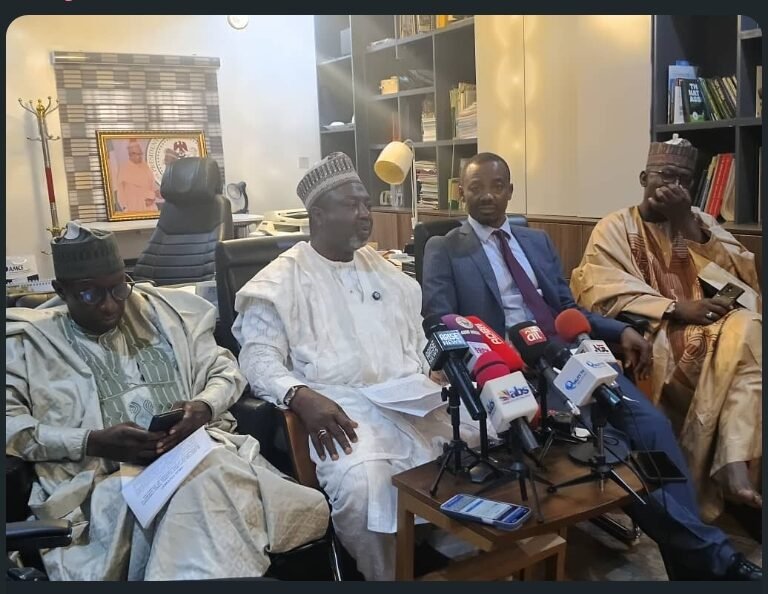
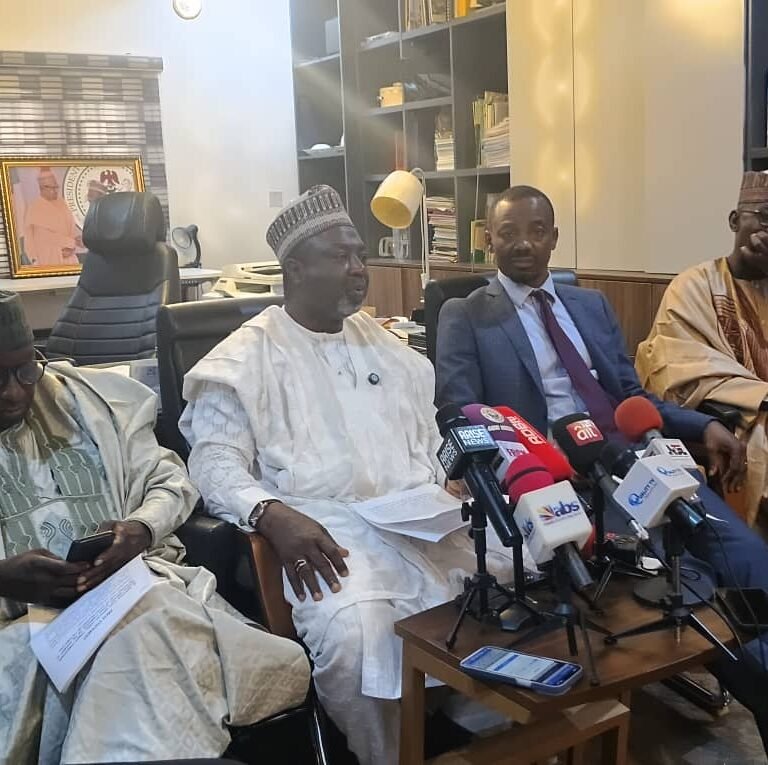
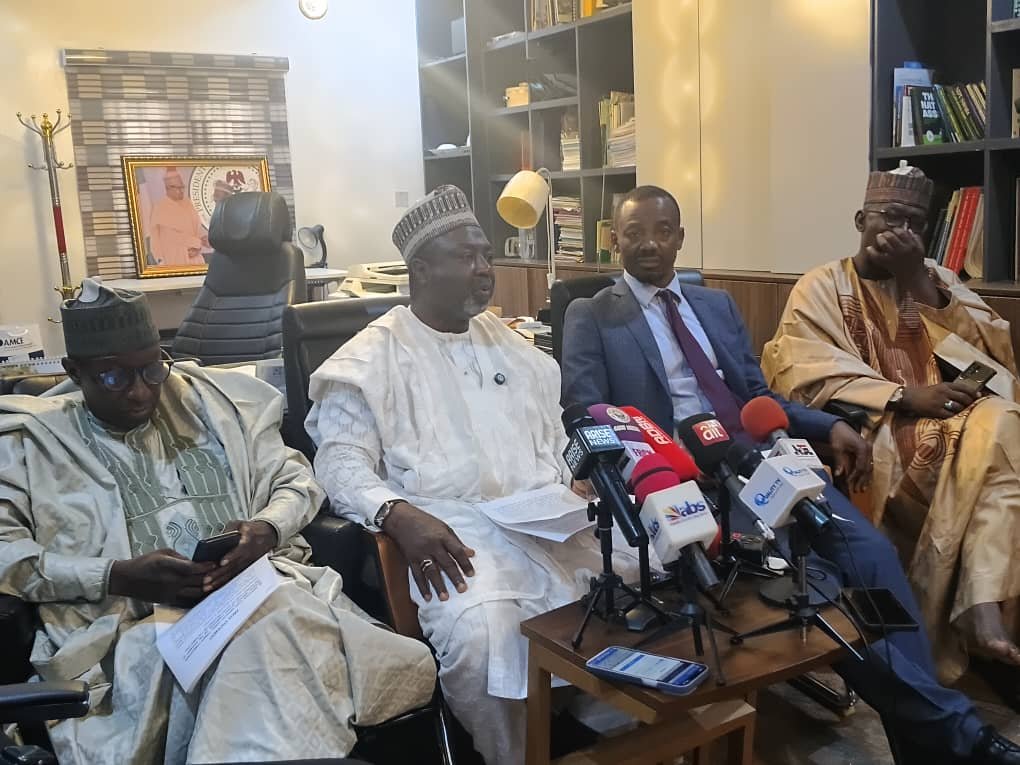
Darma disclosed the outcome in a press briefing on the court’s judgment delivered on October 7, 2026, in his case against the President of the ECOWAS Commission and the Council of Ministers.
He said the judgment addressed the withdrawal of his responsibilities, his recall by Nigeria and his subsequent replacement as a statutory appointee of the regional organisation.
The court also directed that the costs of the proceedings be assessed and paid by the ECOWAS Commission.
However, it did not order his reinstatement because his tenure had expired on August 31, 2026.
COURT FAULTS PROCEDURE LEADING TO REMOVAL
Darma said the dispute began after the former President of the ECOWAS Commission issued a memorandum on October 30, 2025, withdrawing his delegated authority, making adverse allegations about his conduct and performance, and initiating a process towards his replacement.
He challenged the action before the ECOWAS Court of Justice on November 3, 2025.

According to Darma’s account of the judgment, the court rejected the argument that the memorandum was merely an administrative measure.
He said the court found that the memorandum contained adverse allegations that significantly affected his responsibilities and formed part of a process aimed at replacing him.
The court also found that the actions were taken without prior notice or an effective opportunity for him to respond.
Darma said the court further clarified that the President of the ECOWAS Commission could not use managerial authority to transfer or extinguish powers and responsibilities assigned to another statutory office under Community law.
NIGERIA’S RECALL DID NOT END HIS MANDATE
The former commissioner said the court also ruled that his recall by Nigeria did not, by itself, terminate his appointment or create a vacancy in his office.
Nigeria had recalled him on December 12, 2025, while the case was pending, and nominated a successor. The Council of Ministers subsequently formalised the replacement, according to Darma.
He said the court distinguished between nomination and appointment, holding that once appointed, a commissioner derives his mandate from ECOWAS Community law rather than solely from the member state that nominated him.
The court consequently declared his removal and replacement unlawful because the legal conditions required to terminate his mandate had not been met.
WHY DARMA TOOK THE MATTER TO COURT
Darma said he had raised concerns about several administrative and institutional issues during his tenure as Commissioner for Internal Services.
These included the participation of non-management personnel in management meetings, the absence of objective and consistent scoring procedures for recruiting senior officials, and the assignment of responsibilities within the Department of Infrastructure, Energy and Digitalisation to a non-statutory official.
He said the concerns were formally communicated to the then President of the ECOWAS Commission and, in some instances, to the Chair of the Council of Ministers, but were not adequately resolved.
Darma maintained that his actions were motivated by a desire to protect institutional procedures and accountability rather than personal interests.
He served as Commissioner for Internal Services after being nominated by Nigeria for a four-year term that began on July 16, 2022.
His responsibilities covered administration, procurement, budget and treasury, financial reporting and grants, human resources, conference and protocol services, and internal telecommunications.
JUDGMENT REINFORCES DUE PROCESS, DARMA SAYS
Reacting to the judgment, Darma described the decision as a victory for the rule of law, institutional integrity, accountability and due process within ECOWAS.
He said the ruling reaffirmed that statutory appointees of the regional organisation could only be removed through lawful procedures and on legally recognised grounds.
According to him, the judgment also reinforces the independence of Community institutions and provides safeguards against arbitrary actions that could undermine their credibility and effectiveness.
Darma called on ECOWAS institutions to comply fully with the judgment and review relevant protocols and regulations where necessary to address ambiguities and prevent similar disputes.
He also thanked his legal team, colleagues, friends and supporters for standing by him throughout the proceedings.
The case raises questions about the protection of statutory appointments, the limits of administrative authority and the procedures governing the removal of senior officials within regional institutions.
Source: Press briefing by Prof. Nazifi Abdullahi Darma on the ECOWAS Court of Justice judgment delivered on October 7, 2026.