
By CComfort Akor
ABUJA — Mental health advocates and other stakeholders have called on the Nigerian government to protect the rights of people experiencing mental health conditions, make treatment more affordable and integrate psychological support into maternal, child and community healthcare.
The call was made during a World Mental Health Day 2026 event at the National Human Rights Commission (NHRC) Auditorium in Maitama, Abuja, where speakers highlighted gaps in mental healthcare, the financial burden of treatment, harmful cultural beliefs and the need for stronger protection for vulnerable people.
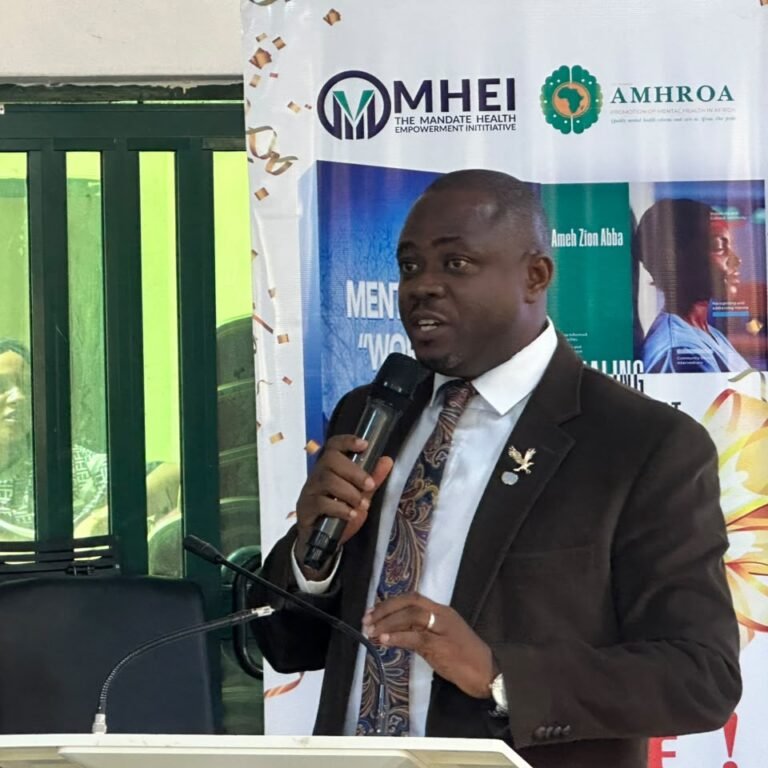
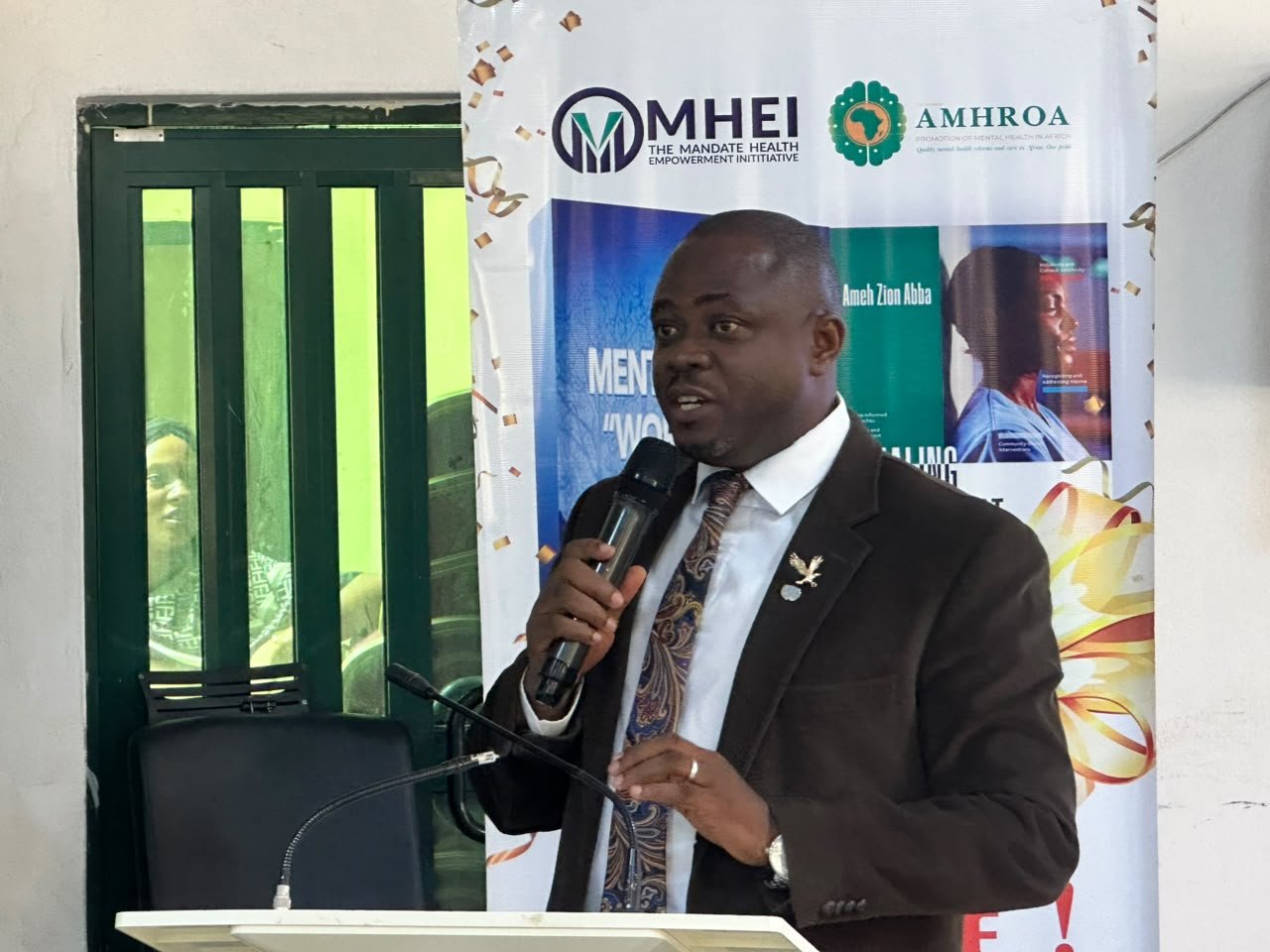
The event featured contributions from Dr Ameh Zion Abba, founder of The Mandate Health Empowerment Initiative (MHEI) and convener of the Association of Mental Health Reform Organisations in Africa (AMHROA) Network; counselling psychologist Dr Mrs Henrietta Okechukwu; Madam Ene Obi; and other stakeholders.
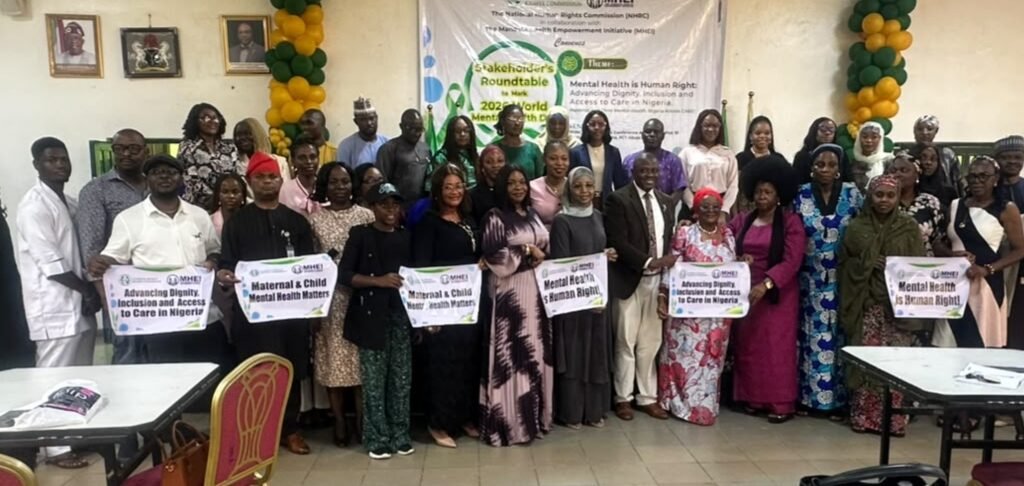
The speakers stressed that mental health should be treated as a fundamental human right rather than a privilege, calling for practical measures to improve access to care and protect people from discrimination, neglect and abuse.
MENTAL HEALTH REQUIRES ACTION BEYOND LEGISLATION
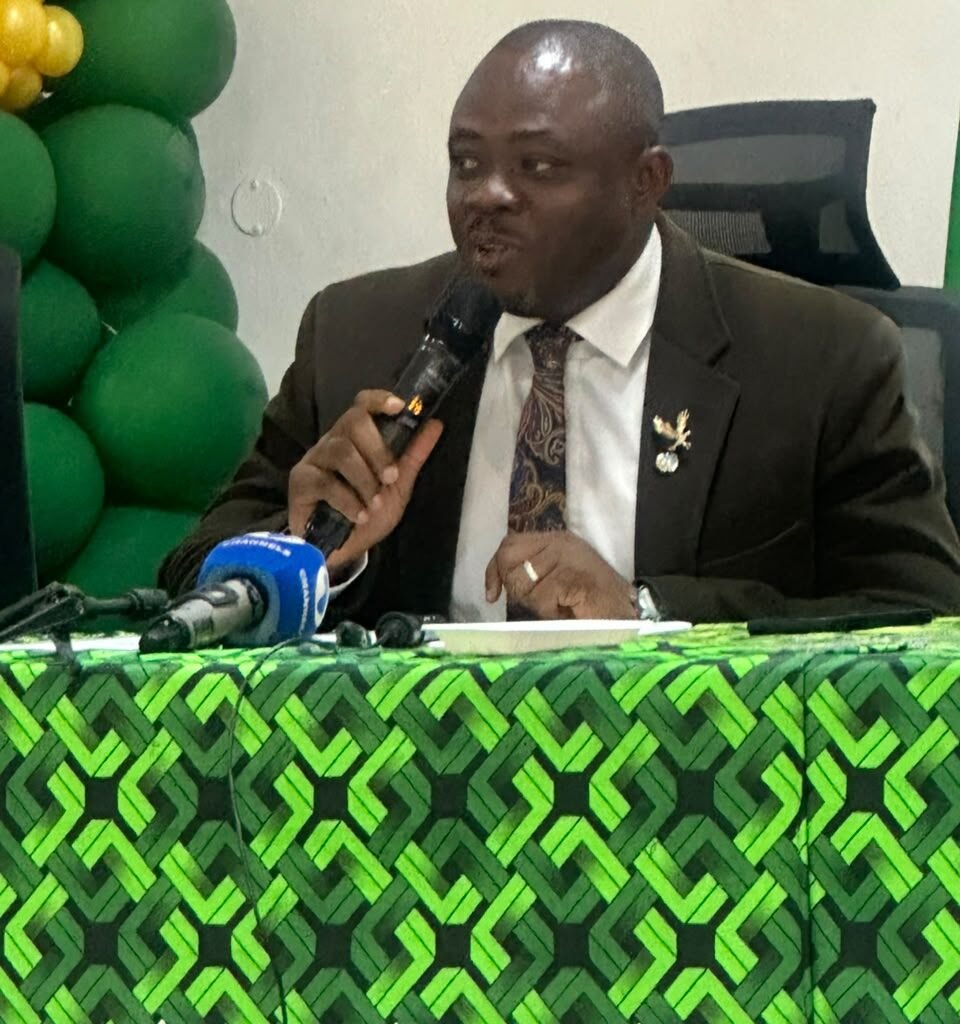
In his address, Dr Ameh Zion Abba said mental health was central to human dignity, public health, social justice and national development.
He argued that mental healthcare should not be reserved for wealthy Nigerians or treated as a concern limited to hospitals.
According to him, inadequate funding, shortages of trained professionals, high treatment costs, limited community services and persistent stigma continue to prevent many Nigerians from receiving appropriate care.
Abba called for stronger implementation of Nigeria’s National Mental Health Act, alongside sustainable financing, effective oversight and accessible community-based services.
He also urged the Federal Government, National Assembly, judiciary and state governments to strengthen protections for people experiencing mental health conditions and address legal provisions that undermine access to care.
He stressed that people who survive suicide attempts should receive medical attention, psychosocial support and follow-up care rather than punishment.
Abba further called for people with lived experience of mental health conditions to participate meaningfully in decisions concerning legislation, funding, research and service delivery.
He maintained that progress should be measured by improvements in access to treatment, protection of rights and the quality of services available to Nigerians.
COST OF TREATMENT REMAINS A MAJOR BARRIER
A major concern raised during the event was the cost of mental healthcare and the financial pressure it places on families seeking treatment for loved ones.
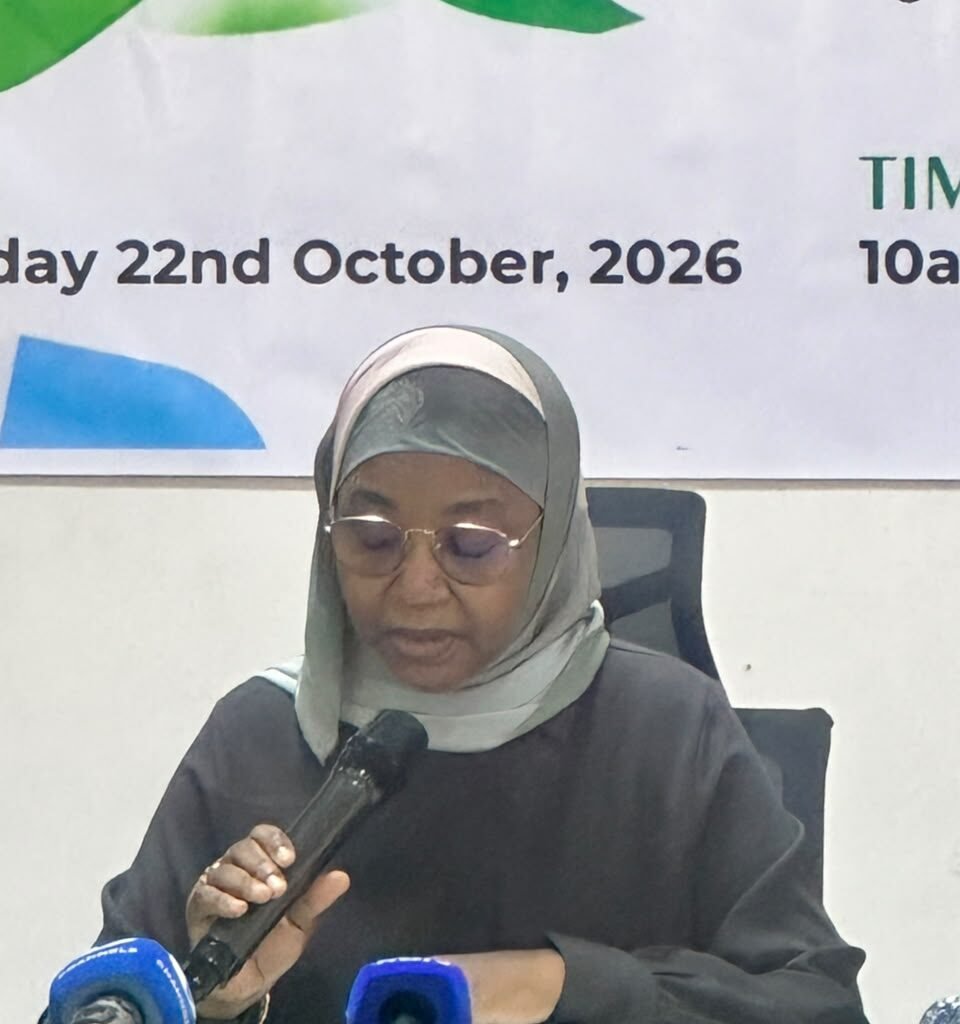
Dr Mrs Henrietta Okechukwu, a counselling psychologist who spoke at the event, emphasised that protecting mental health rights must translate into dignity, confidentiality, respect and compassion for people experiencing psychological difficulties.
She questioned what the country’s human rights commitments meant in practical terms if people could not access affordable treatment or were subjected to degrading treatment because of their conditions.
Okechukwu described mental healthcare as unaffordable for many Nigerians, recounting an experience involving a treatment facility where a family was quoted hundreds of thousands of naira for a week of care.
The account highlighted the financial difficulties families may face when treatment requires prolonged admission.
The psychologist also stressed the importance of safeguarding vulnerable adults, including older people experiencing dementia and other age-related conditions.
She warned that changes in behaviour associated with ageing or illness could expose older people to misunderstanding, abandonment, abuse and social exclusion.
According to her, safeguarding should extend beyond children to vulnerable adults who may be unable to protect themselves or communicate their needs effectively.
She urged families and communities to respond to such situations with awareness, compassion and appropriate professional support rather than stigma or neglect.
Okechukwu also highlighted the importance of maternal mental health, noting that pregnancy and the period after childbirth can expose women to psychological distress.
She identified factors such as fear of childbirth, previous pregnancy losses, financial pressures, marital conflict, domestic violence, unplanned pregnancies and inadequate family support as possible contributors to emotional difficulties during pregnancy.
She called for greater awareness and access to professional support for women experiencing mental health challenges during pregnancy and after delivery.
MATERNAL MENTAL HEALTH NEEDS GREATER ATTENTION
Maternal mental health also featured prominently in contributions by other speakers, who stressed the need for Nigeria to pay greater attention to the physical and psychological wellbeing of women before and after childbirth.
Madam Ene Obi highlighted concerns about maternal health, the experiences of women in communities and the importance of strengthening healthcare delivery at the grassroots.
Her contribution underscored the need for functional health facilities capable of providing timely care to pregnant women and other vulnerable members of the community.
She called for greater government attention to maternal and child healthcare, stressing the importance of investing in services that protect women and children and support families.
The discussion also drew attention to the social and psychological challenges women may face after childbirth, including the need for family support and access to appropriate care.
Speakers emphasised that maternal mental health should not be separated from broader efforts to improve reproductive, newborn and child healthcare.
They called for stronger integration of mental health education, early identification, referral and treatment into antenatal clinics, maternity units, postnatal services and primary healthcare facilities.
They also stressed that women experiencing psychological distress after childbirth should not be subjected to blame or harmful cultural interpretations of their condition.
CULTURAL MISCONCEPTIONS CAN DELAY CARE
Another concern raised during the event was the influence of cultural beliefs and misconceptions on how families respond to mental health conditions.
Okechukwu recounted an experience involving a woman who reportedly experienced psychological difficulties after childbirth and whose condition was interpreted by her husband through the lens of traditional beliefs.
According to the account, the woman faced pressure to undergo a ritual cleansing rather than having her condition understood primarily as a potential health concern.
The account illustrated how misconceptions about mental health can complicate family relationships and delay appropriate intervention.
The psychologist also described a situation in which a woman faced restrictions over how she spent money she had earned from her own business, highlighting the influence of unequal decision-making power within some households.
The experiences shared at the event pointed to the need for public education that helps families distinguish mental health conditions from assumptions about wrongdoing, spiritual punishment or personal failure.
Speakers called for respectful engagement with traditional and religious leaders to improve understanding and encourage referrals to qualified health professionals where necessary.
They stressed that cultural and spiritual support should not expose vulnerable people to abuse, coercion, neglect or denial of medical treatment.
AFRICA MAMA CARE SEEKS SUPPORT FOR MATERNAL MENTAL HEALTH
Abba also highlighted Africa MAMA CARE, a maternal mental health initiative described by its organisers as an African-led campaign intended to improve awareness, early identification, psychosocial support and referral services for women and families.
The proposed campaign is expected to engage communities, primary healthcare facilities, maternity units, faith-based organisations, women’s groups and other trusted institutions.
According to the address, the organisers are seeking partnerships and support for a proposed research survey across seven AMHROA member states, including Nigeria.
The survey is intended to examine maternal mental health needs, barriers to care, community perceptions and available support systems.
Its findings are expected to inform policy advocacy and the development or dissemination of a MAMA CARE Operational Handbook intended to guide community mobilisation, awareness, screening, referrals, safeguarding and programme evaluation.
Abba called on governments, development partners, foundations, research institutions, universities, healthcare organisations and civil society groups to support the proposed initiative.
However, the participating countries, survey implementation status, ethical approvals and publication status of the handbook require confirmation from the organisers before being reported as established programme achievements.
MEDIA URGED TO HELP CHANGE THE NARRATIVE
The role of the media in promoting mental wellbeing and encouraging practical solutions also emerged during the event.
One speaker reflected on the importance of using media platforms to promote healthier attitudes towards mental health, particularly among women and other vulnerable groups.
The contribution challenged the tendency to focus public conversations exclusively on problems without giving sufficient attention to solutions, prevention and available support.
The speaker also raised concerns about recognising people who may need help in everyday settings, including communities and public spaces.
The discussion highlighted the need for responsible reporting that avoids stigmatising people experiencing mental health conditions and instead promotes public understanding, early intervention and access to appropriate services.
The media, speakers suggested, can help families identify warning signs, challenge harmful stereotypes and encourage people to seek professional assistance.
They also called for stronger public awareness of substance-related harms, including the need for appropriate support for people experiencing drug-related problems.
CALL FOR STRONGER GOVERNMENT COMMITMENT
Abba outlined several priorities for improving mental healthcare in Nigeria, including implementing the National Mental Health Act, increasing funding, strengthening the health workforce and integrating mental health services into primary healthcare.
He also called for maternal and child mental health to be incorporated into reproductive health, education and social protection programmes.
Other priorities include stronger Nigerian and African research, improved data collection and greater involvement of people with lived experience in mental health policy decisions.
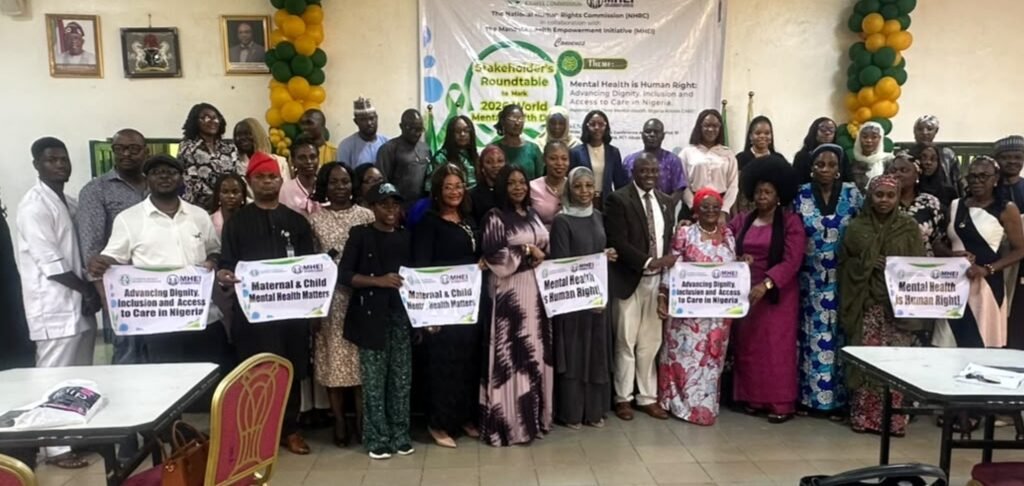
The speakers urged government institutions, the National Human Rights Commission, healthcare professionals, civil society organisations, educators, traditional rulers, religious leaders, employers and the media to work together to reduce stigma and expand access to treatment.
They also emphasised the importance of protecting older people, supporting families and ensuring that vulnerable individuals are not abandoned because of mental health conditions or age-related changes.
Abba said MHEI and the AMHROA Network remained committed to mental health reform, collaboration and African-led solutions.
He called for coordinated action to ensure that mental healthcare becomes more accessible, human rights are protected, mothers receive appropriate support and children can access help when they need it.
The event concluded with a broader call for government action, stronger community support and sustained investment in mental health services across Nigeria and Africa.