
0-0x0-0-0-{}-0-0#
By Gabriel Ameh
ABUJA | Media360Impact Report
The Federal Ministry of Health and Social Welfare has highlighted child marriage, female genital mutilation (FGM) and gender-based violence among the threats affecting Nigerian girls, calling for stronger protection systems and greater investment in their health, education and future.
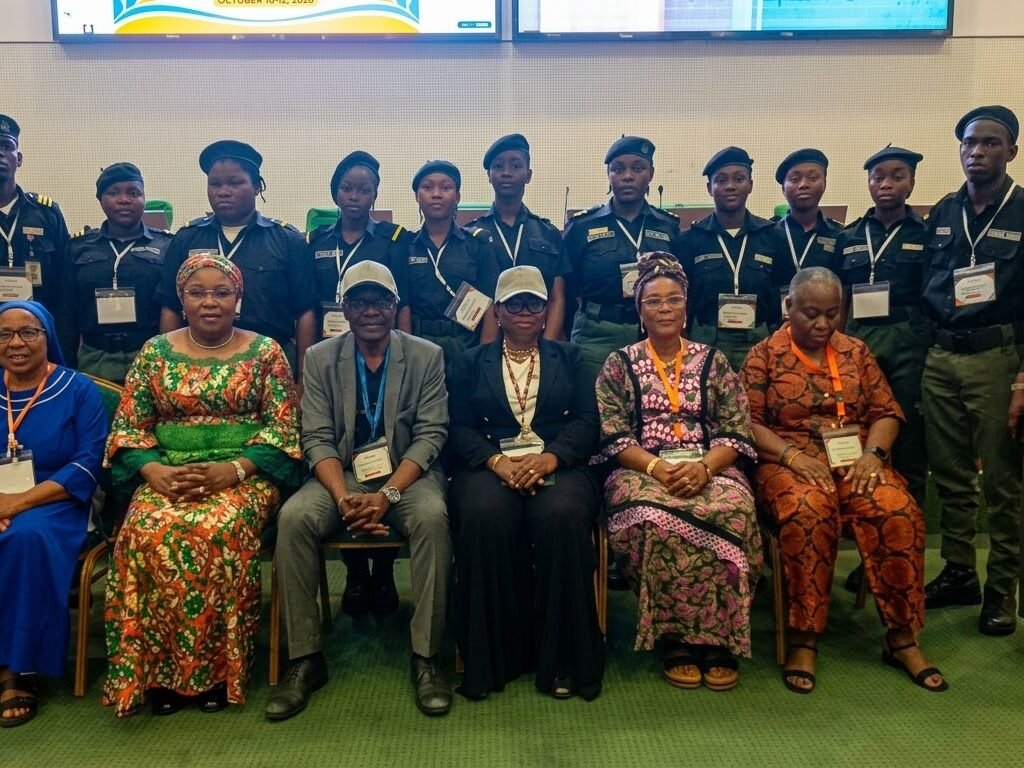
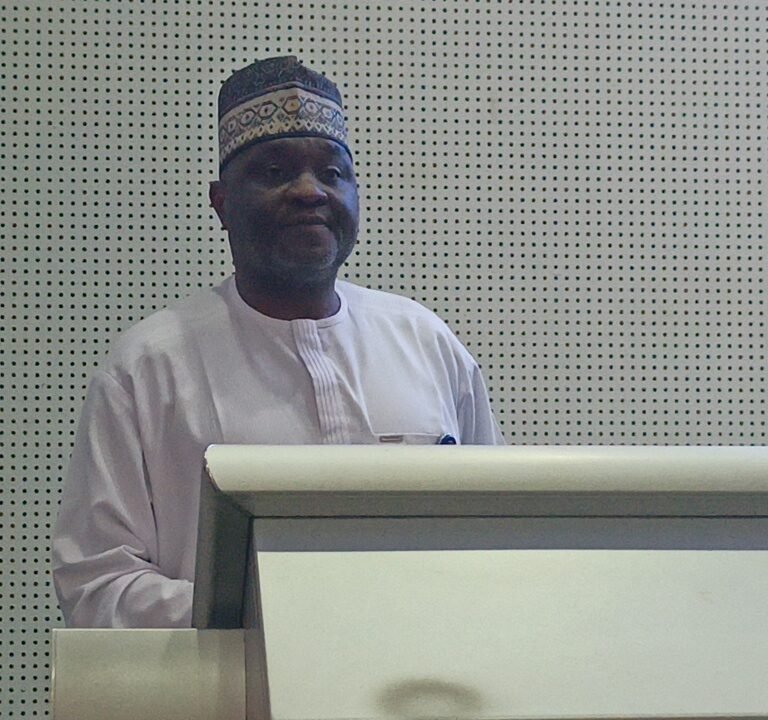
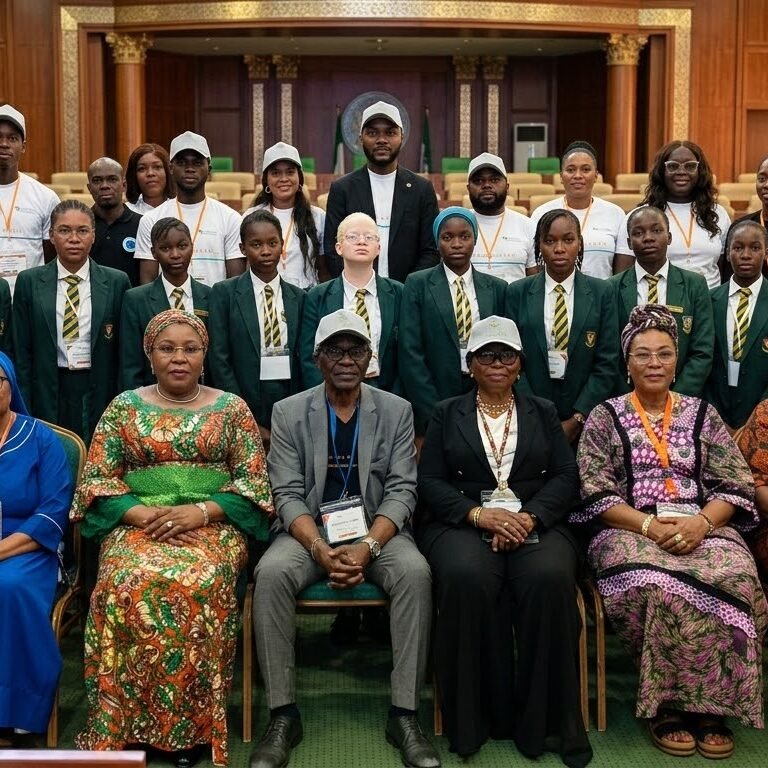
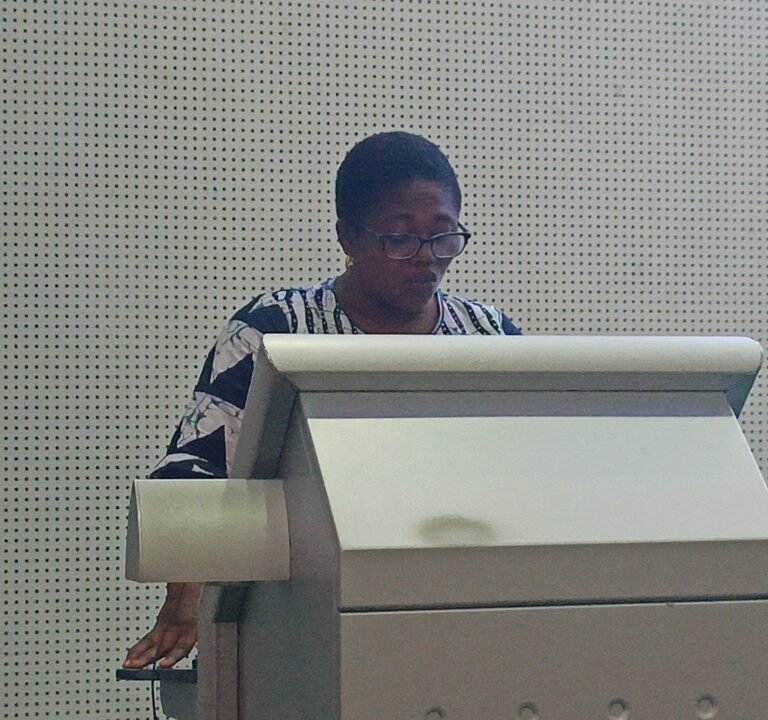
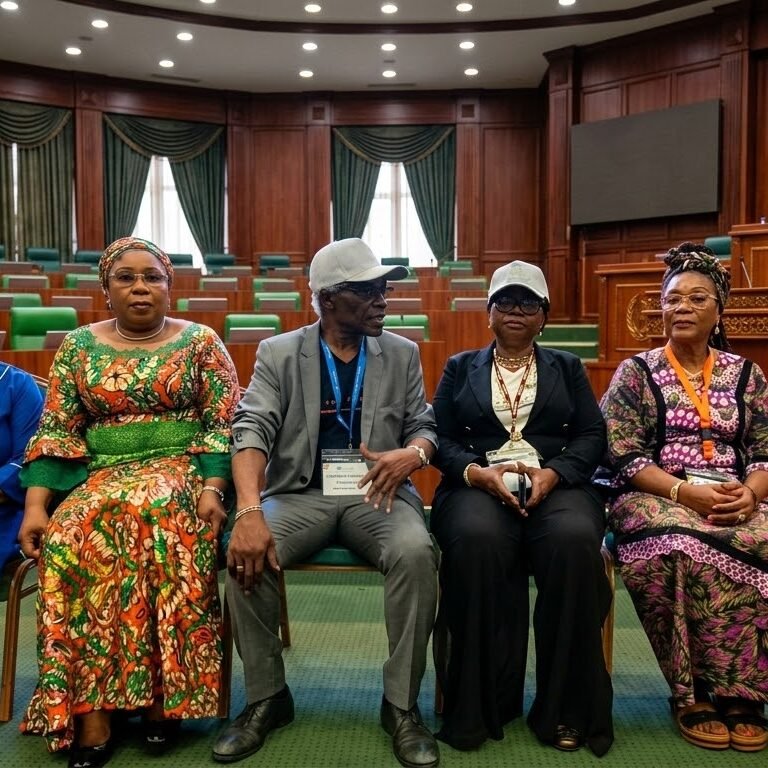
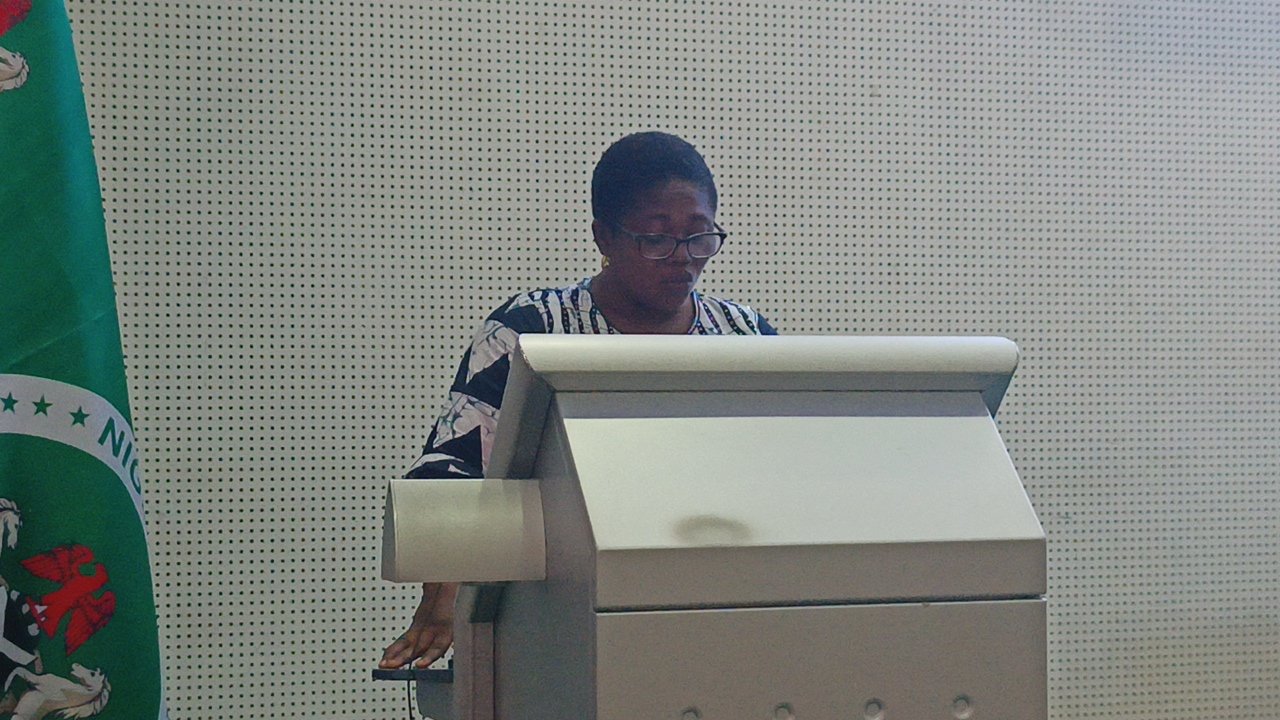
Dr Nike Olajide, Head of the Gender Branch at the ministry, raised the concerns during the 2026 Abuja Girls’ Children’s Parliament organised by the Lady Helen Child Health Foundation to mark the International Day of the Girl Child.
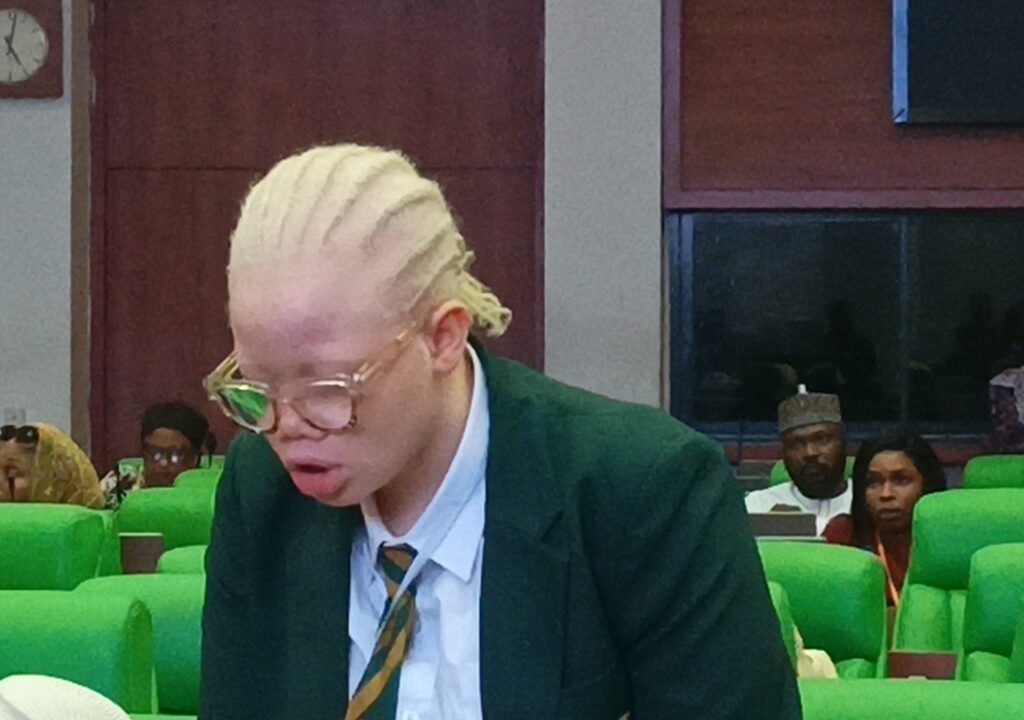
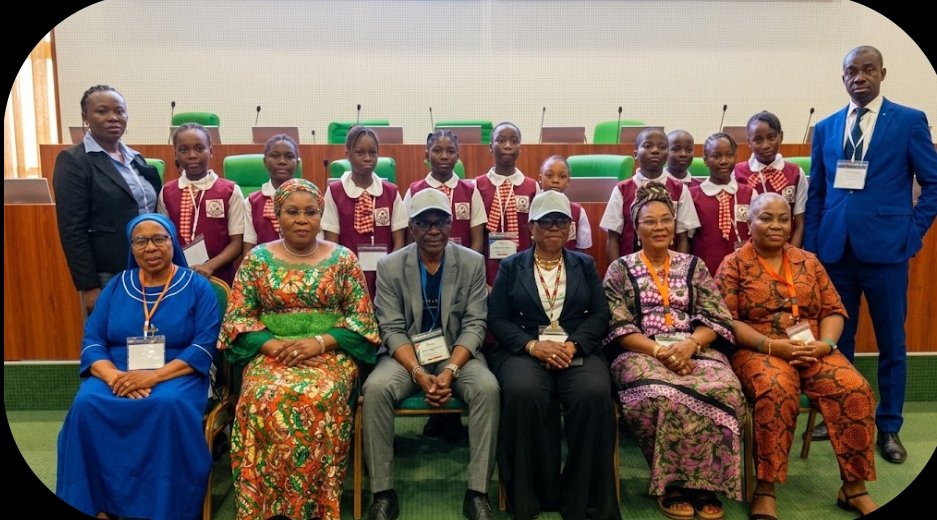
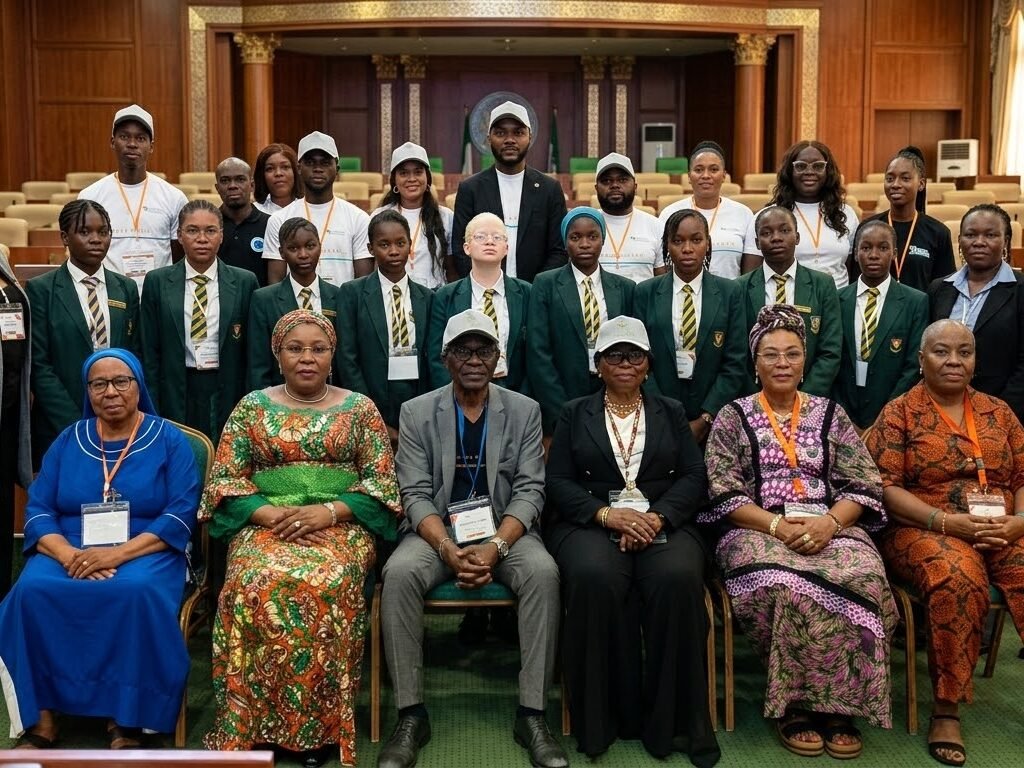
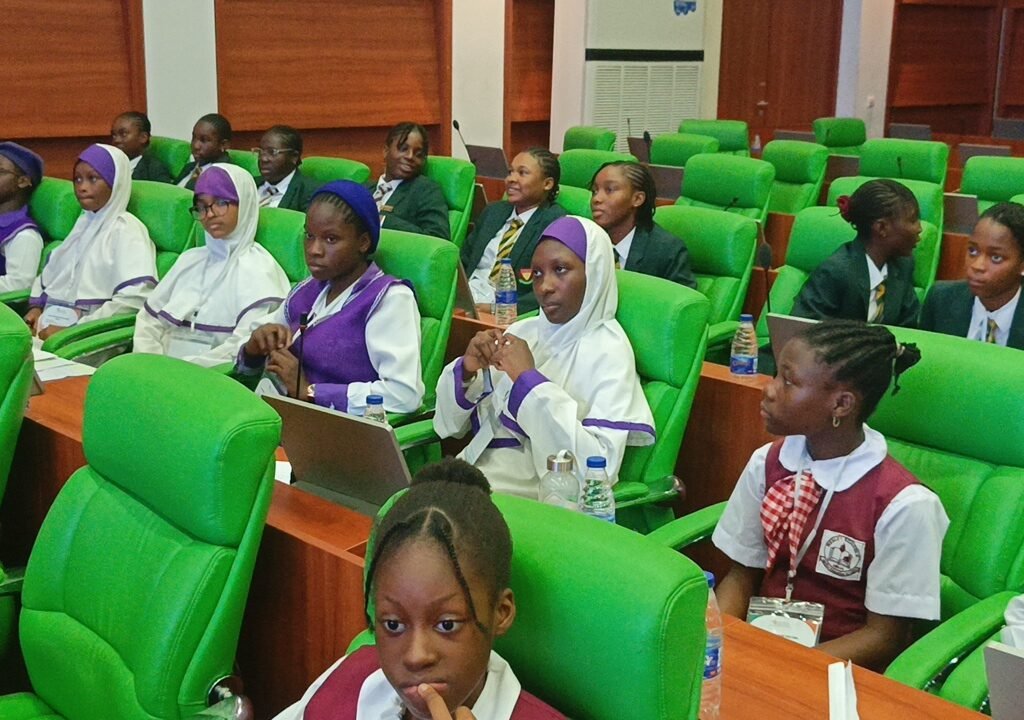
Held under the theme, “Every Girl Deserves the Right to Learn, Lead, and Choose Her Future,” the programme brought together girls from six participating schools and youth groups for parliamentary debates, advocacy and discussions on issues affecting their rights and development.
Olajide said girls continued to face challenges including sexual and gender-based violence, child marriage, female genital mutilation and discrimination against girls with disabilities.
She noted that although progress had been reported in reducing the prevalence of female genital mutilation, new and continuing forms of gender-based violence remained a concern.
According to her, the Federal Ministry of Health and Social Welfare is addressing these challenges through policies, institutional structures and collaboration with other government agencies and stakeholders.
Health Ministry Highlights Policies on Girls’ Health and Protection
Olajide explained that the ministry’s division responsible for gender, adult and school health, alongside relevant adolescent health structures, works on issues affecting children, adolescents and girls.
She identified national adolescent health policies, clinical protocols for healthcare providers and policy documents addressing gender-related health concerns and female genital mutilation among the measures supporting these efforts.
She added that the ministry collaborates with the Federal Ministry of Women Affairs and other stakeholders to address violations of children’s rights and strengthen protective interventions.
The official also highlighted the human papillomavirus (HPV) vaccination programme implemented through the National Primary Health Care Development Agency, describing it as an important intervention in preventing cervical cancer.
Olajide stressed that girls should not be forced to choose between education and marriage or between their ambitions and harmful social expectations.
“No girl child should have to choose between our education and marriage, between our dreams and social expectations, or between our rights and the circumstances into which she is born,” she said.
She added that ending child marriage requires more than changing laws, calling for a transformation of harmful social norms, stronger protection systems and sustained investment in girls’ rights, health, education and empowerment.
Girls Must Be Heard in Decisions Affecting Their Future
Earlier, the Director of Programmes at the Lady Helen Child Health Foundation, Dr Francisca Odeka, described the parliamentary platform as an opportunity for girls to move beyond passive participation and express their views on challenges affecting their lives.
She said the initiative was designed to give girls an opportunity to debate relevant issues, demonstrate their understanding of social challenges and communicate their ideas in an environment that encourages participation and leadership.
Odeka urged the delegates to use the platform to speak openly, noting that the programme was intended to give them the opportunity to be heard rather than have adults speak on their behalf.
In his welcome address, the Chief Executive Officer of the foundation, Dr Benjamin Odeka, described the Abuja Girls’ Children’s Parliament as a platform for participation, advocacy, evidence-based dialogue and policy engagement.
He said the foundation’s work focuses on vulnerable children through research, advocacy, health education, child rights promotion and strategic partnerships.
According to him, the organisation’s interventions cover adolescent health education, mental wellbeing, menstrual hygiene and child protection, with the aim of supporting practical responses to challenges affecting children.
Odeka said the parliament would allow girls to identify challenges, examine gaps in existing systems, propose solutions and communicate recommendations to policymakers.
He urged the young delegates to speak confidently, listen respectfully and develop practical recommendations capable of contributing to policies and programmes affecting their future.
He also acknowledged the support of government institutions, development partners, civil society organisations, schools and other stakeholders working to advance children’s rights.
Six Schools Participate in Girls’ Parliamentary Sessions
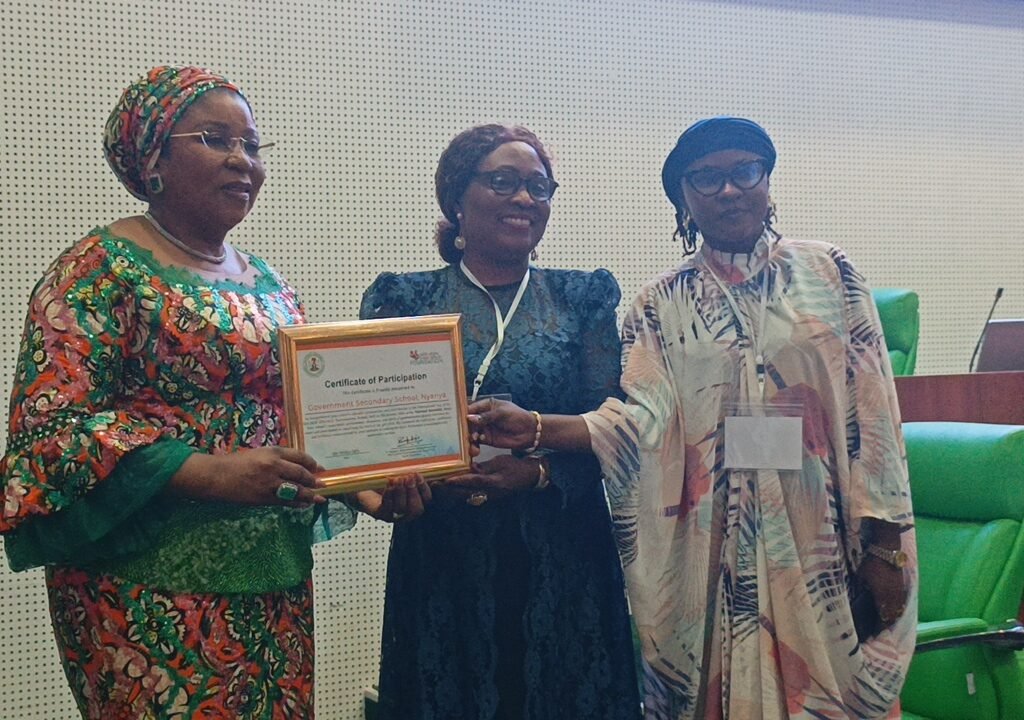
The programme featured parliamentary sessions involving girls from six participating schools and youth groups: Police Day Secondary School, Area 11; Government Secondary School, Kuje; Government Secondary School, Wuse Zone 3; Government Secondary School, Nyanya; Government Secondary School, Jikwoyi; and Girls Vanguard.
The discussions covered five thematic areas: education and accessibility; child marriage and protection; health, hygiene and dignity; voice and leadership; and digital skills and future opportunities.
The Girls Vanguard participants also presented a poem as part of the activities.
The parliamentary sessions provided the young participants with an opportunity to discuss challenges affecting girls, examine possible solutions and develop their confidence in public speaking and advocacy.
The programme reflected the foundation’s position that meaningful child participation should go beyond ceremonial activities to create opportunities for young people to contribute to discussions and decisions affecting their lives.
Stakeholders Urged to Invest in Girls’ Rights
The organisers called for stronger collaboration among government institutions, families, schools, civil society organisations and development partners to improve the protection and development of girls.
The discussions highlighted the need to address harmful practices, strengthen child-protection systems and expand access to education, healthcare, digital skills and leadership opportunities.
For the organisers, the central message of the 2026 Abuja Girls’ Children’s Parliament was that every girl deserves the opportunity to learn, lead and make informed choices about her future.
As Nigeria continues to confront child marriage, gender-based violence and other barriers to girls’ development, the event reinforced calls for practical action to ensure that girls’ rights are protected and their voices included in decisions that shape their lives.
Credit: Media360Impact Report. Based on remarks by Dr Nike Olajide of the Federal Ministry of Health and Social Welfare, Dr Francisca Odeka and Dr Benjamin Odeka of the Lady Helen Child Health Foundation at the 2026 Abuja Girls’ Children’s Parliament.