
By Gabriel Ameh
ABUJA | Media360Impact Report
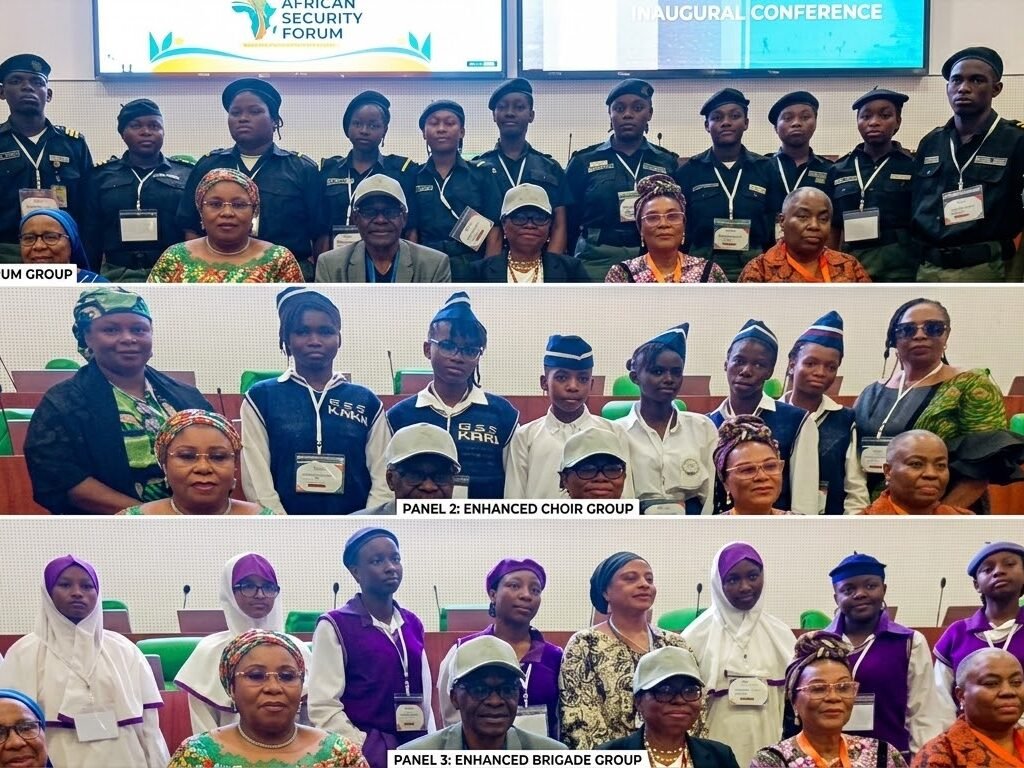
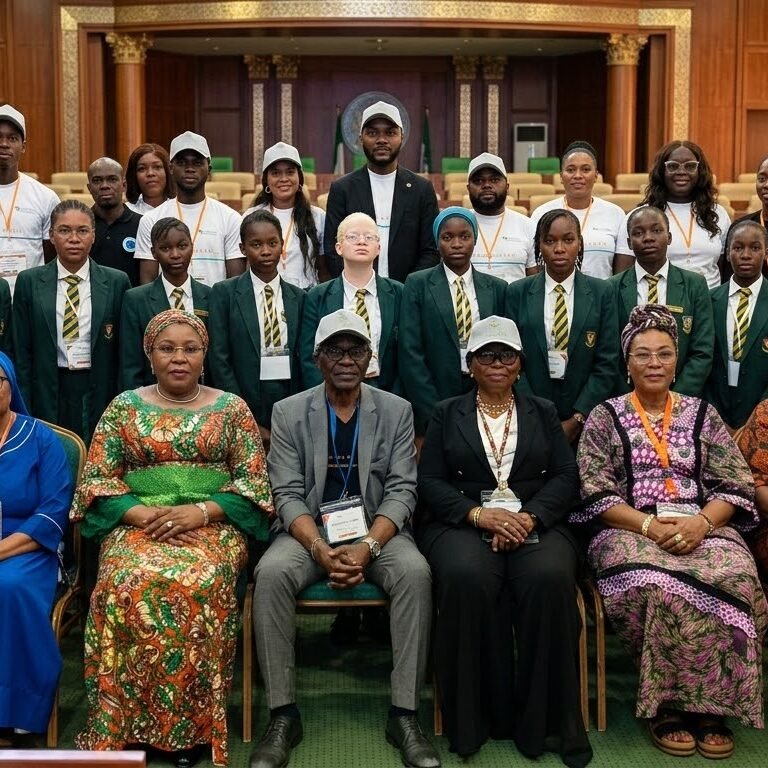
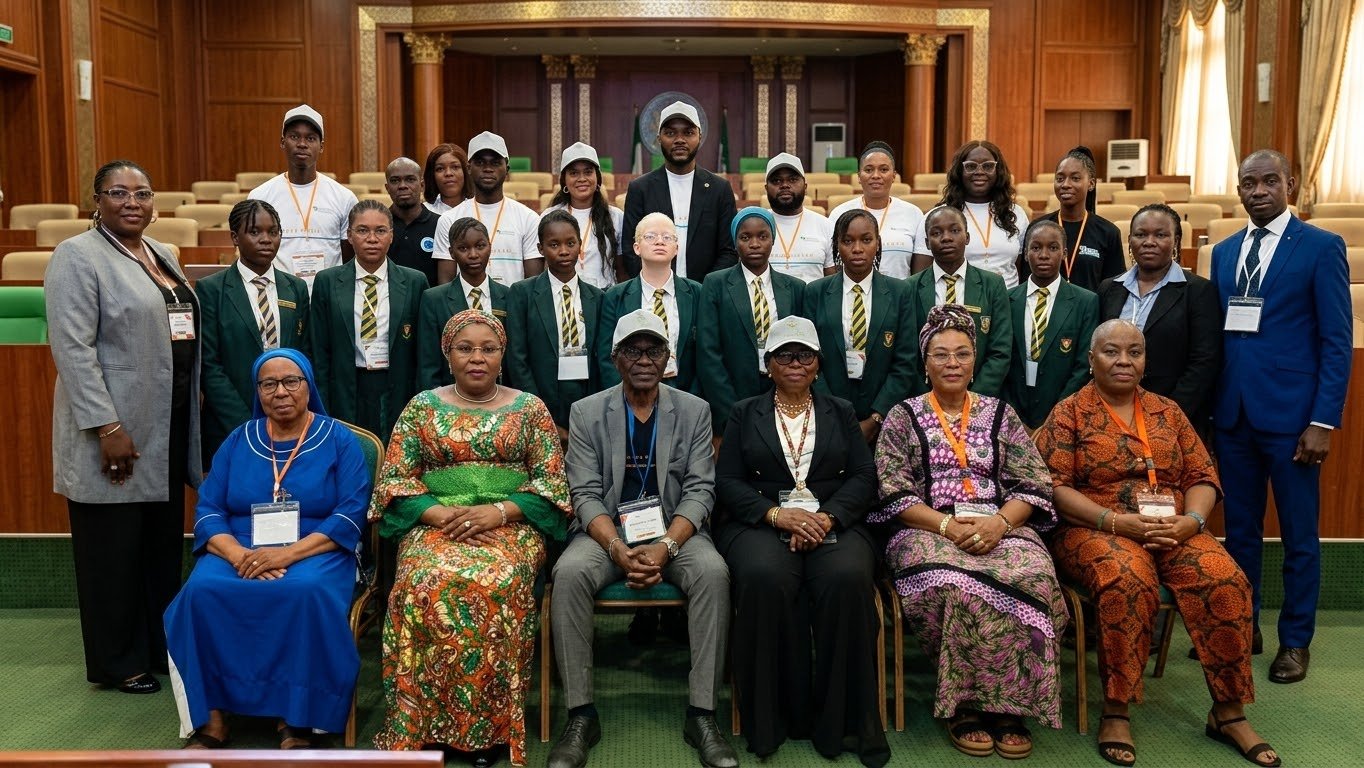
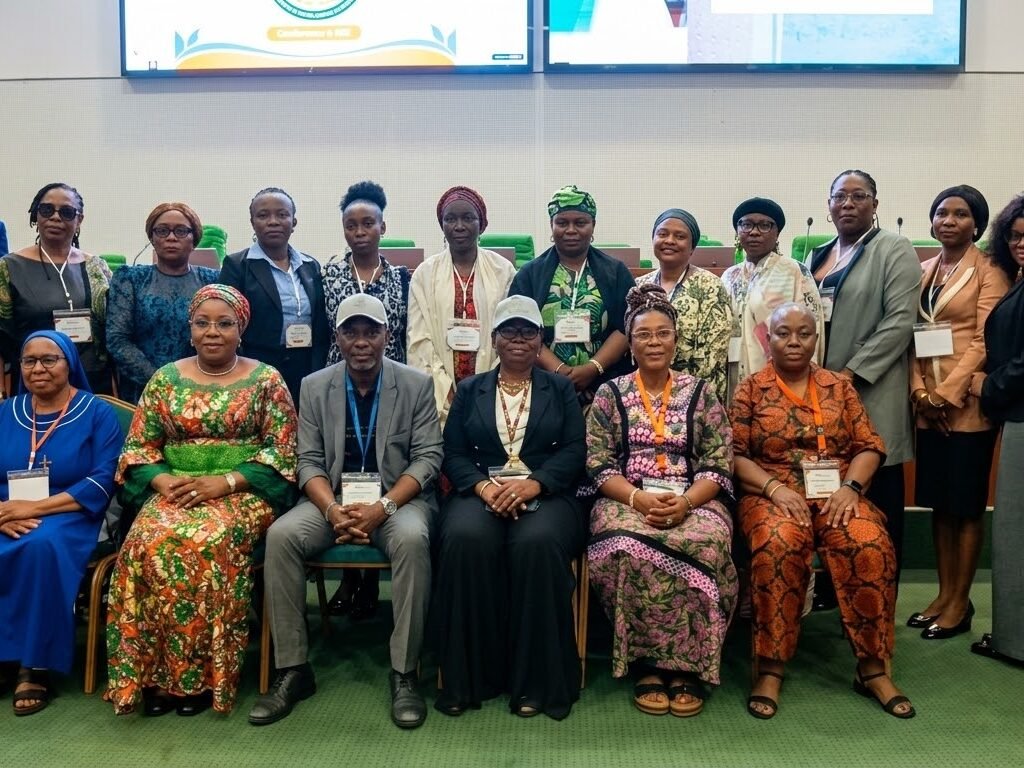
Schoolgirls from six participating schools and youth groups have debated education, child marriage, health, leadership and digital opportunities at the 2026 Abuja Girls’ Children’s Parliament, with speakers calling for stronger protection of girls’ rights and greater opportunities for them to shape decisions affecting their future.
The programme, organised by Lady Helen Child Health Foundation to commemorate the International Day of the Girl Child, was held under the theme, “Every Girl Deserves the Right to Learn, Lead, and Choose Her Future,” with a focus on investing in girls’ rights and ending child marriage.
The parliamentary session provided a platform for the young participants to examine challenges facing girls, discuss possible solutions and develop their understanding of leadership, citizenship and policy engagement.
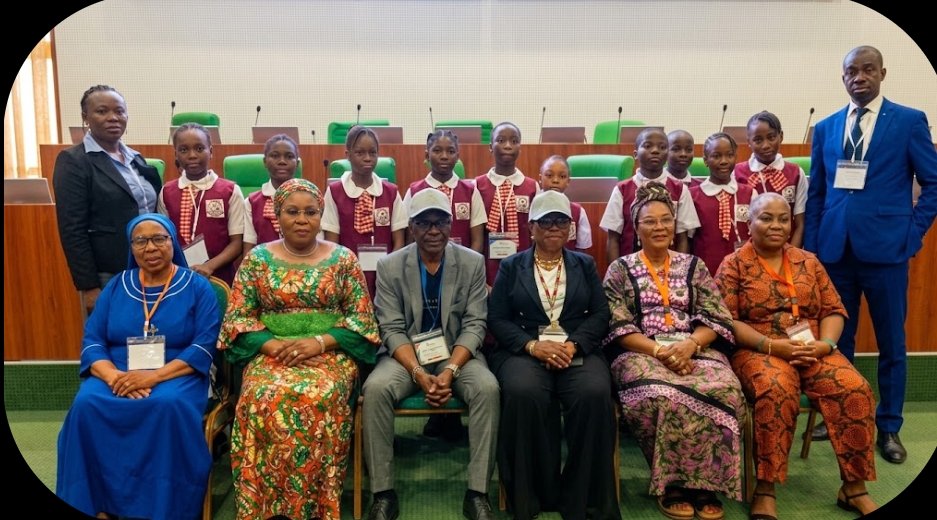
Participating groups were drawn from Police Day Secondary School, Area 11; Government Secondary School, Kuje; Government Secondary School, Wuse Zone 3; Government Secondary School, Nyanya; Government Secondary School, Jikwoyi; and Girls Vanguard.
Organiser: Girls Must Have a Voice in Policy Decisions
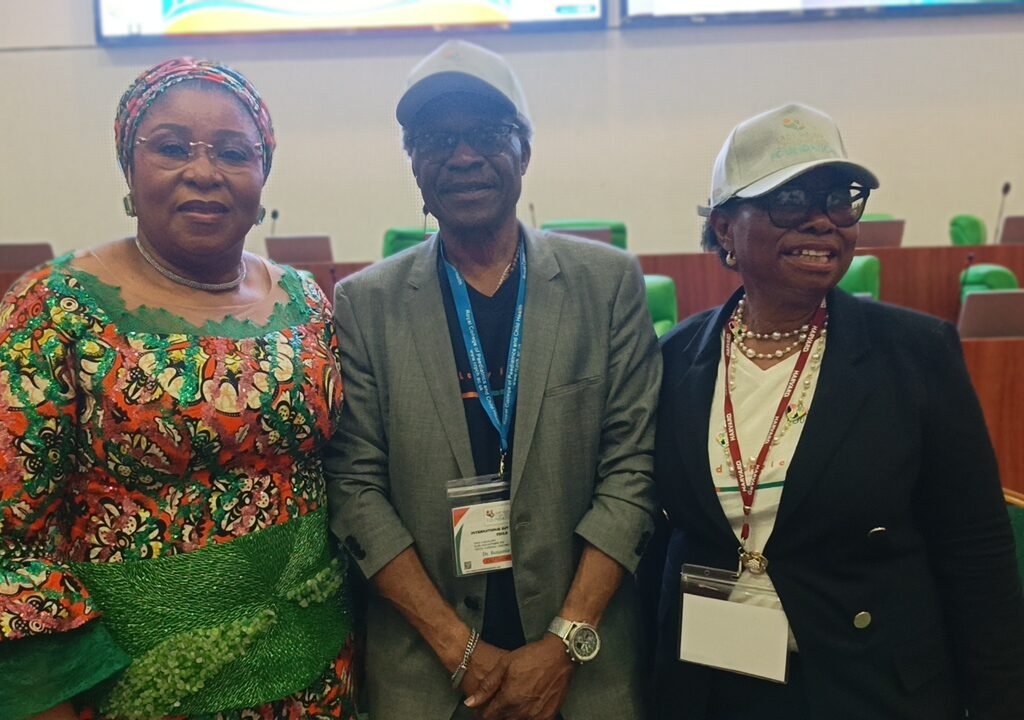
Welcoming participants, the Director of Programmes at Lady Helen Child Health Foundation, Dr Francisca Odeka, described the parliamentary initiative as an opportunity for girls to move beyond passive participation and express their views on issues affecting their lives.
She said the platform was designed to enable girls to debate relevant issues, share their understanding of the challenges they face and communicate their ideas in an environment associated with national decision-making.
Odeka encouraged the participants to make the most of the opportunity, stressing that the programme was intended to hear their perspectives rather than have adults speak on their behalf.
She described the initiative as a worthwhile effort to ensure that girls could move from being present in public spaces to actively contributing to discussions about their rights and future.
Foundation Seeks Practical Solutions Through Children’s Parliament
In his remarks, the Chief Executive Officer of Lady Helen Child Health Foundation, Dr Benjamin Odeka, described the Abuja Girls’ Children’s Parliament as a platform for participation, advocacy, evidence-based dialogue and policy engagement.
He said the foundation’s work focuses on improving the lives of vulnerable children through research, advocacy, health education, child rights promotion and strategic partnerships.
According to him, its interventions have addressed adolescent health education, mental wellbeing, menstrual hygiene and child protection, with research intended to inform better programmes and policies.
He explained that the parliamentary initiative was designed to give girls the opportunity to identify challenges, examine gaps in existing systems, propose solutions and communicate recommendations to policymakers.
The CEO said the programme was not merely a parliamentary exercise but an opportunity for participants to develop citizenship, leadership, critical thinking and policy advocacy skills.
He identified five thematic areas for the debates: education and accessibility; child marriage and law enforcement; health, hygiene and dignity; voice, representation and decision-making; and digital skills, technology and career opportunities.
Odeka urged the young delegates to speak confidently, listen respectfully and question constructively, emphasising that the ultimate goal was to develop young citizens capable of contributing meaningfully to policies that shape their future.
He also acknowledged the support of government institutions, sponsors, donors, development partners and civil society organisations, noting that protecting children and advancing girls’ rights required collaboration across sectors.
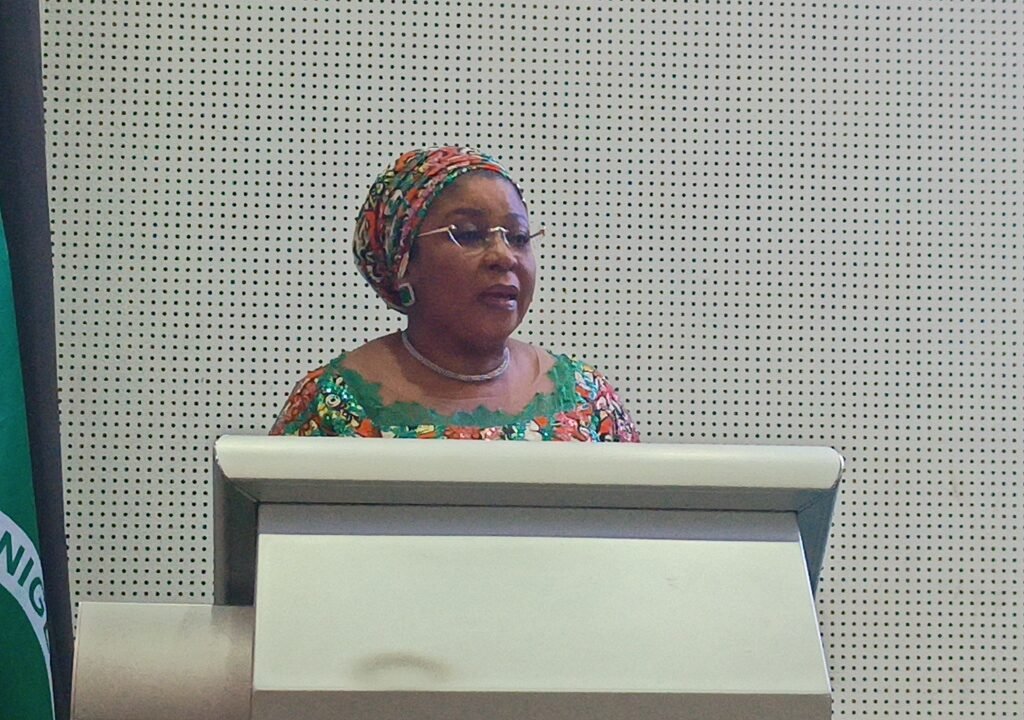
Walson-Jack Urges Girls to Prepare for Leadership
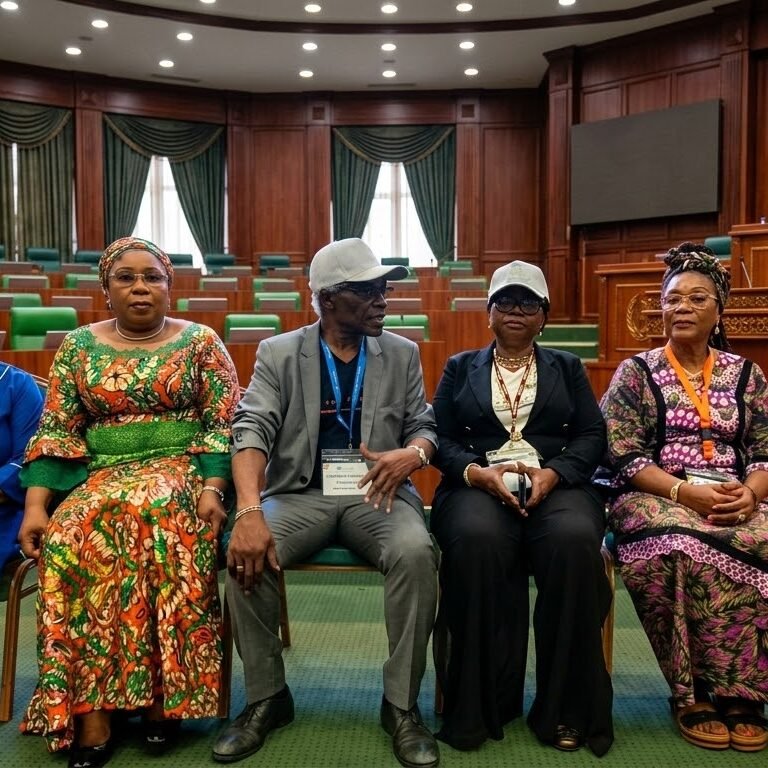
Delivering remarks at the programme, Mrs Didi Esther Walson-Jack, immediate past Head of the Civil Service of the Federation, commended Lady Helen Child Health Foundation for creating a platform where girls could participate in discussions rather than remain subjects of conversations about their welfare.
She also acknowledged the National Assembly for providing an opportunity for the participants to experience parliamentary proceedings and understand that leadership and national decision-making were spaces they could aspire to occupy.
Walson-Jack encouraged the girls to imagine themselves as senators, members of the House of Representatives and other national leaders, saying their participation demonstrated that such ambitions were possible.
Reflecting on her own career journey, she said education, opportunity, encouragement and self-confidence could help girls rise to positions of responsibility.
She stressed that leadership begins before a person receives a title, noting that asking questions, developing discipline, nurturing one’s abilities and believing in one’s contribution were important foundations for leadership.
She also urged girls to take their education seriously, protect their dignity, develop their talents and prepare themselves for opportunities.
Addressing adults, policymakers and other stakeholders, Walson-Jack said encouraging girls to dream was insufficient if the barriers limiting their opportunities remained unaddressed.
She expressed hope that the 2026 Abuja Girls’ Parliament Declaration would extend beyond the event and contribute meaningfully to policy discussions and sustained action on behalf of Nigerian girls.
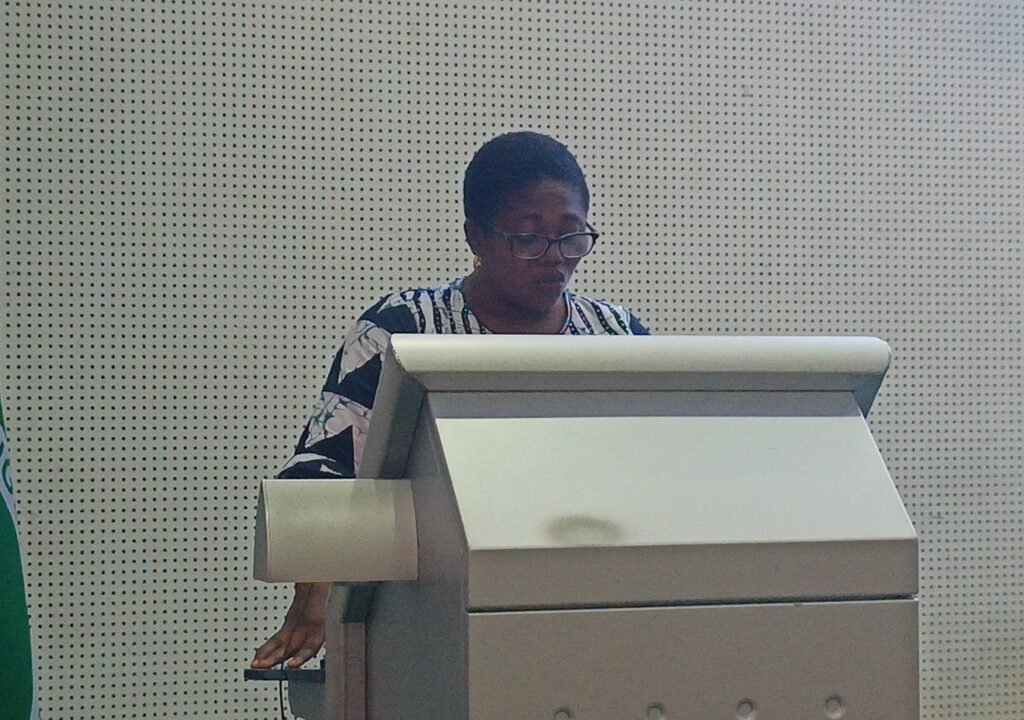
Health Ministry Highlights Protection and Girls’ Wellbeing
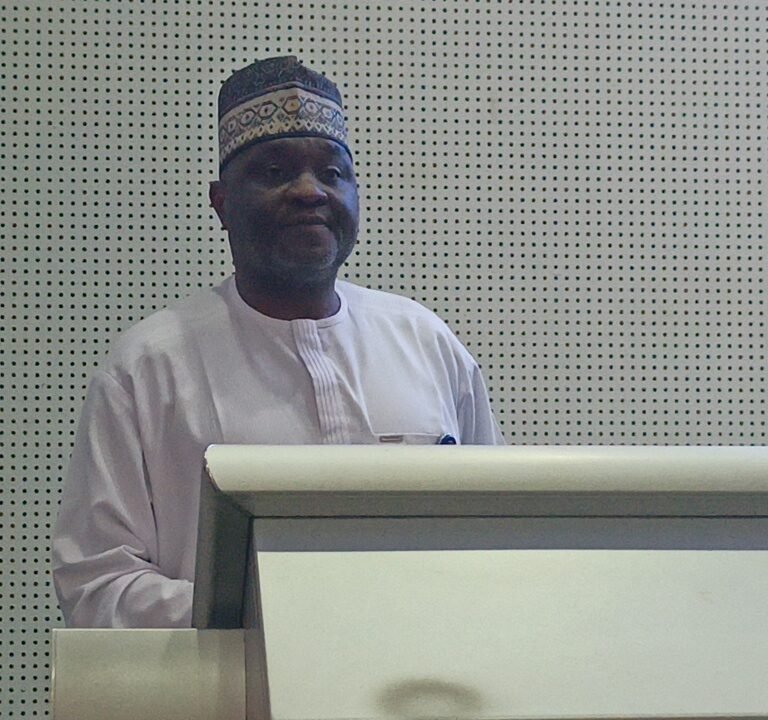
In her goodwill message, Dr Nike Olajide, Head of the Gender Branch at the Federal Ministry of Health and Social Welfare, highlighted several challenges affecting girls, including gender-based violence, sexual violence, child marriage and female genital mutilation.
She also drew attention to the difficulties faced by women and girls with disabilities, stressing the need to address their particular vulnerabilities.
Olajide said the ministry was working through relevant divisions, policy frameworks and stakeholder partnerships to address gender, adolescent and school health concerns.
She cited national adolescent health policy documents, guidance for healthcare providers and policies addressing gender-related health issues among the measures supporting these efforts.
She also highlighted the human papillomavirus vaccination programme, which is intended to help prevent cervical cancer.
According to her, ending child marriage requires more than changing laws; it also involves challenging harmful social norms, strengthening protective systems and investing in girls’ health, education and empowerment.
She stressed that no girl should have to choose between education and marriage, personal ambitions and social expectations, or her rights and the circumstances into which she was born.
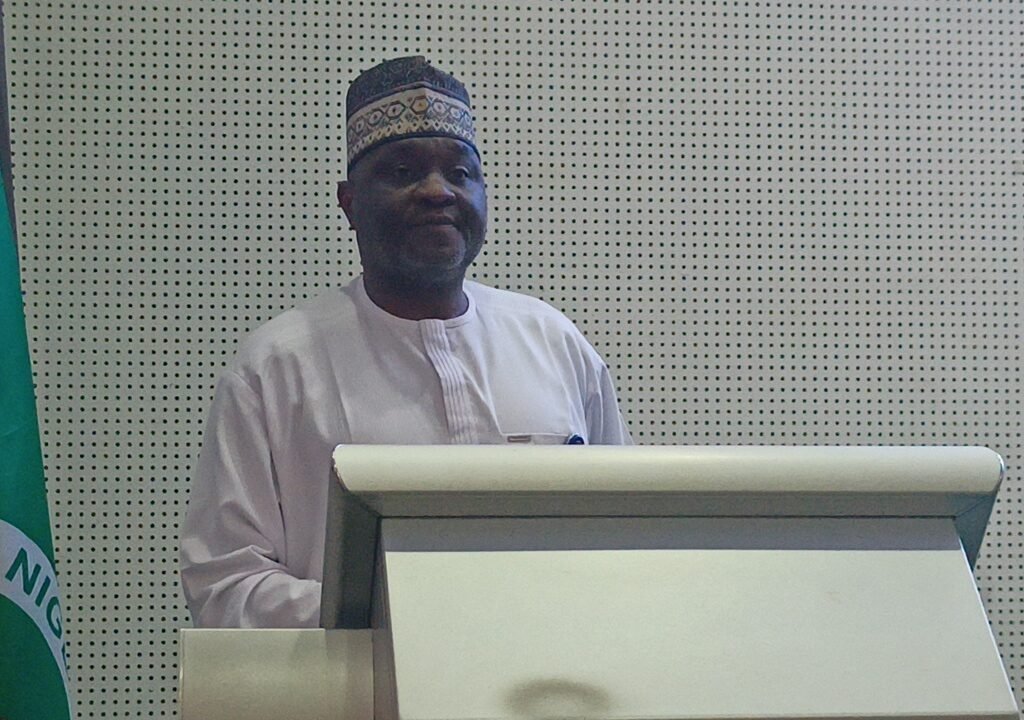
National Assembly Representative Encourages Future Leaders
Mohammed Ghali, representing the Clerk of the National Assembly, welcomed the young participants and encouraged them to see themselves as future contributors to Nigeria’s development.
He told the girls that they could aspire to become senators, members of the House of Representatives and even national leaders.
Ghali urged them to think seriously about their future responsibilities and the contributions they could make to the country.
He also acknowledged the opportunity provided by the National Assembly for the young participants to engage with the parliamentary environment and said their concerns and messages could be communicated to relevant officials.
Tabitha Empowerment Centre Calls for End to Child Marriage
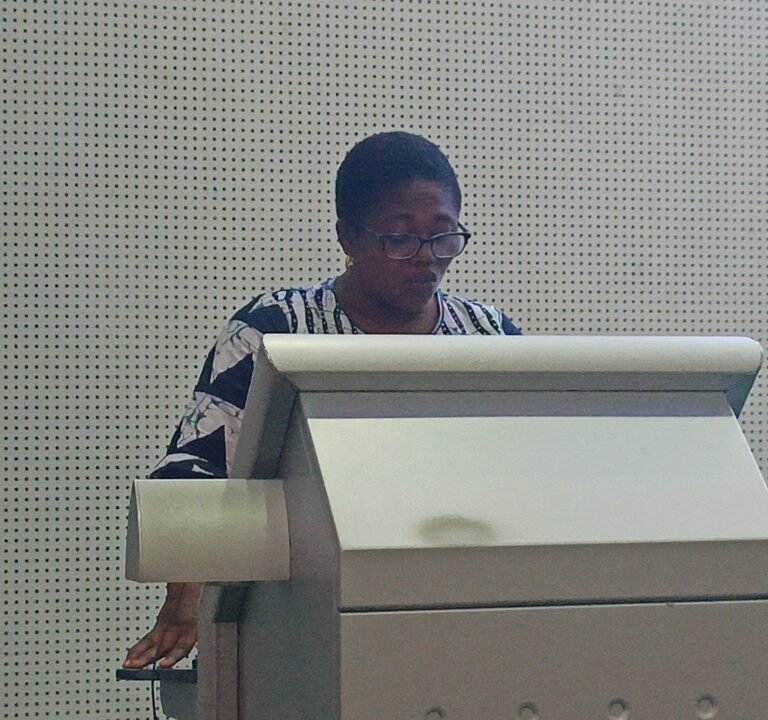
In her goodwill message, Christina Uzo-Okamgba, Founder and Executive Director of Tabitha Empowerment Centre, said girls continued to face systemic vulnerabilities, gender-based violence, disrupted education and violations of their rights.
She described investing in girls’ rights and ending child marriage as an urgent moral and developmental responsibility rather than merely a slogan.
“A girl is not a bride in waiting. She is a thinker, an innovator, and the architect of her collective future,” Uzo-Okamgba said.
She explained that the centre’s participation through its Girls Vanguard Project was intended to give girls opportunities to participate in public discussions, advocate for their rights and demand accountability.
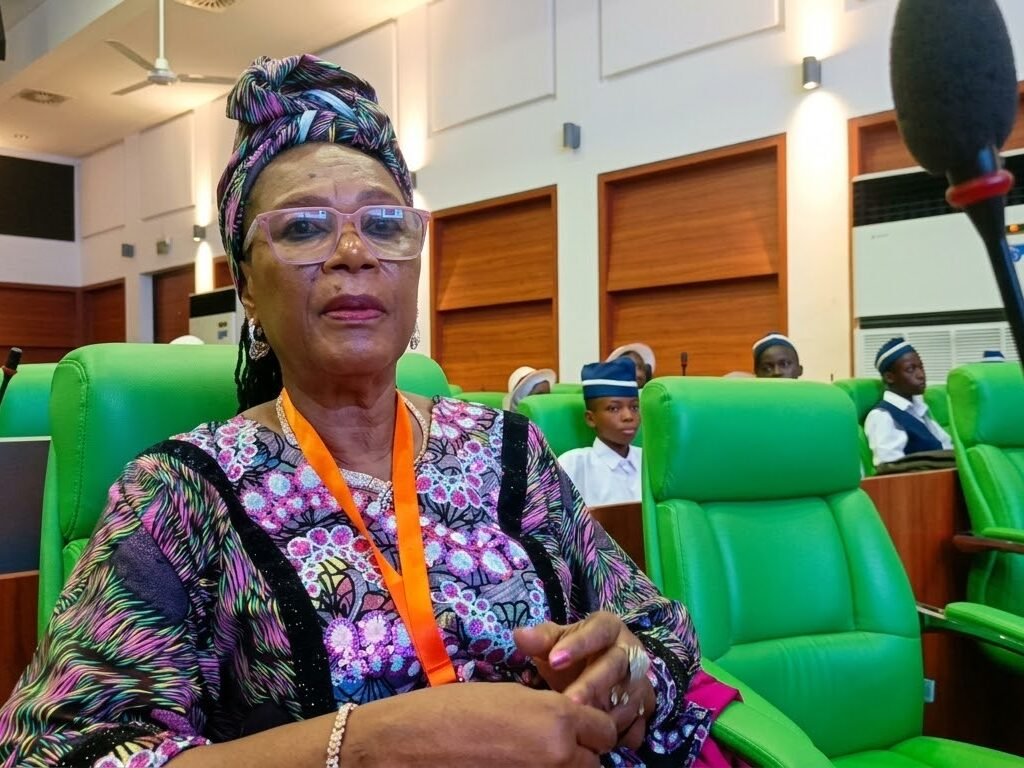
Uzo-Okamgba called on government institutions, community leaders, development partners and other stakeholders to work together to strengthen child protection and eliminate harmful practices that undermine girls’ education and development.
She said protecting and investing in girls was essential to securing Nigeria’s future.
Five Themes Guide Parliamentary Debates
The parliamentary sessions brought the participants together to discuss five thematic areas covering major concerns affecting girls and their future.
The debates focused on:
- Education and accessibility: Challenges that prevent girls from accessing and benefiting from education.
- Child marriage and law enforcement: The need to protect girls from early marriage and strengthen the enforcement of child protection laws.
- Health, hygiene and dignity: Issues affecting girls’ health, wellbeing, menstrual hygiene and personal dignity.
- Voice, representation and decision-making: The importance of giving girls opportunities to participate in leadership and decisions affecting their lives.
- Digital skills, technology and careers: The need to equip girls with digital knowledge and prepare them for opportunities in a technology-driven world.
The sessions were designed to help the girls identify challenges, examine possible responses and understand how their ideas could contribute to policy discussions.
The Girls Vanguard also presented a poem during the programme, using creative expression to contribute to the celebration and advocacy surrounding girls’ rights.
Certificates of participation were presented to participants at the conclusion of the programme.
Stakeholders Urged to Turn Advocacy into Action
Across the addresses, speakers emphasised a common message: girls need more than public recognition; they need access to quality education, healthcare, safety, leadership opportunities and the freedom to make decisions about their futures.
The event also highlighted the importance of collaboration among government institutions, schools, families, civil society organisations and development partners in addressing the barriers facing girls.
Through the 2026 Abuja Girls’ Children’s Parliament, Lady Helen Child Health Foundation sought to provide a platform for young people to express their views and engage with issues that affect their rights and opportunities.
The challenge ahead is to ensure that the concerns raised during the parliamentary sessions and the recommendations emerging from the discussions translate into sustained action, stronger protection and better opportunities for girls across Nigeria.
Credit: Media360Impact Report. Reporting based on speeches and programme information supplied from the 2026 Abuja Girls’ Children’s Parliament organised by Lady Helen Child Health Foundation.