
0-0x0-0-0-{}-0-0#
By Gabriel Ameh
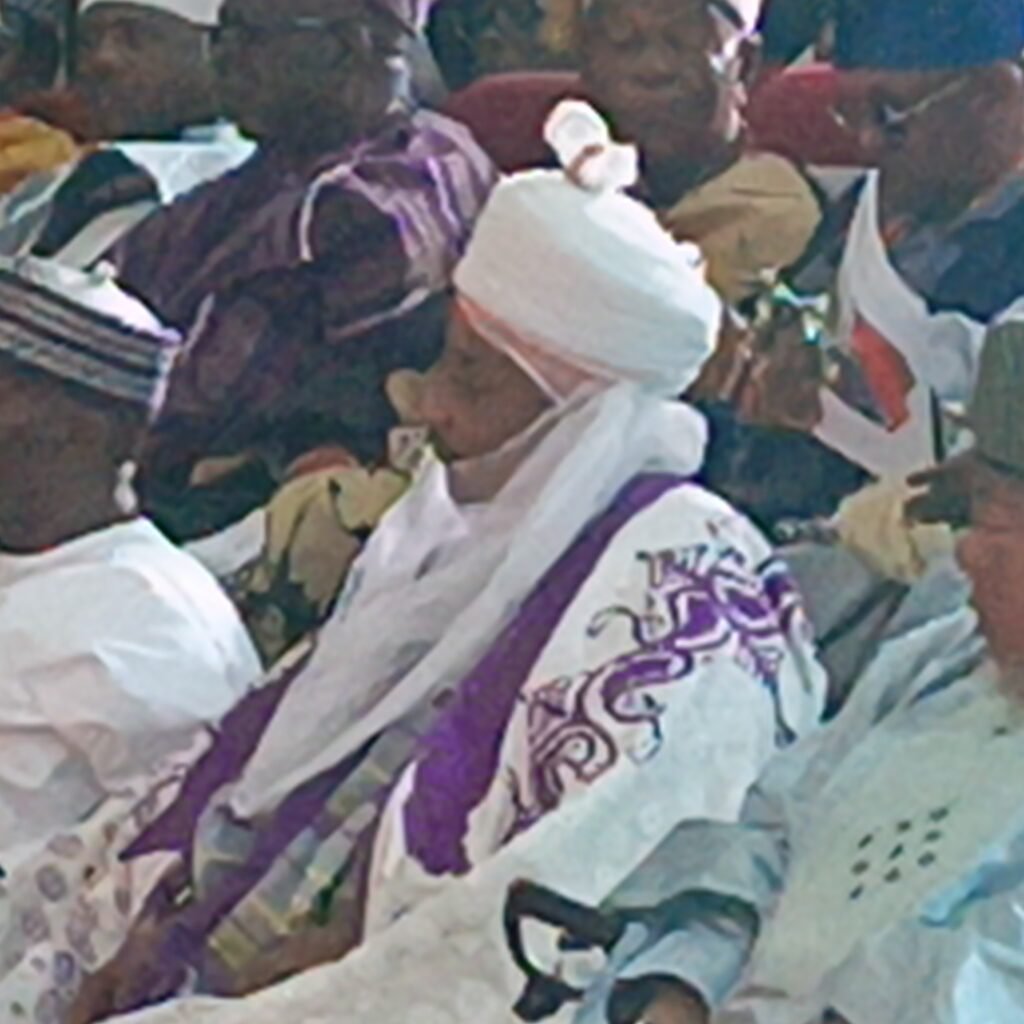
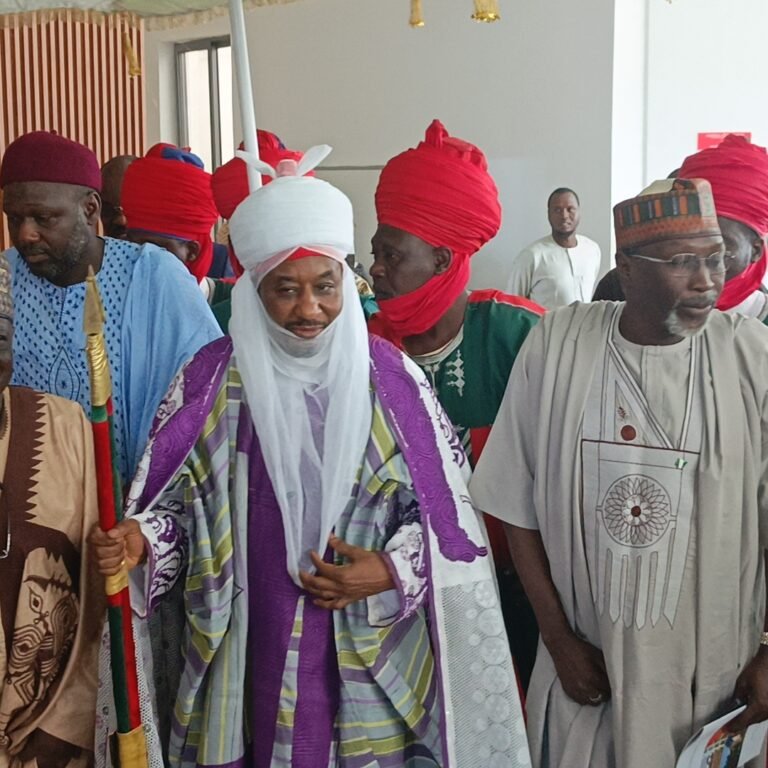
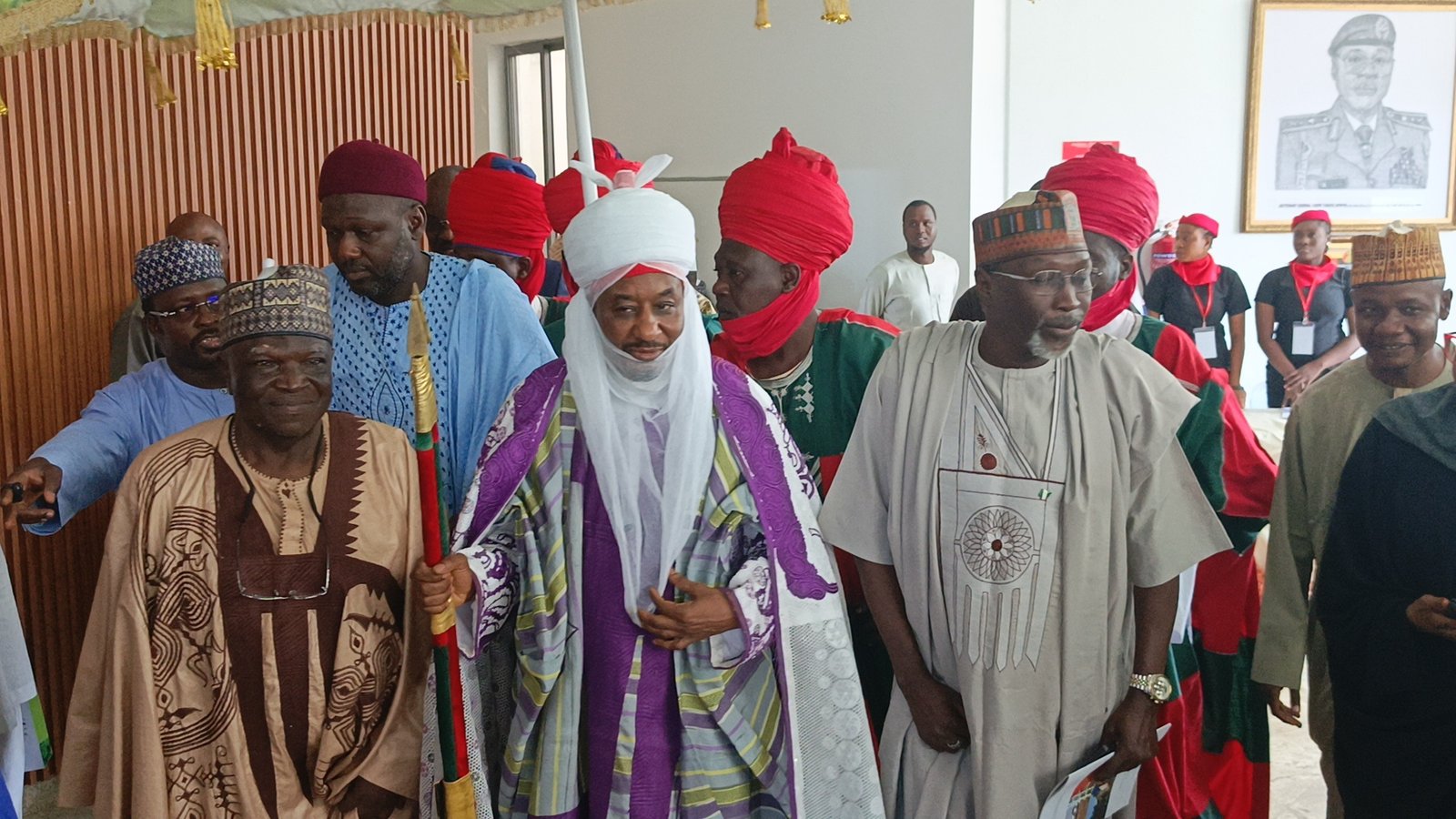
The Emir of Kano, Muhammadu Sanusi II, has warned that Nigeria’s security crisis cannot be addressed through military action alone, saying the country must confront the ethnic, religious, institutional and economic factors that continue to create conditions for insecurity.
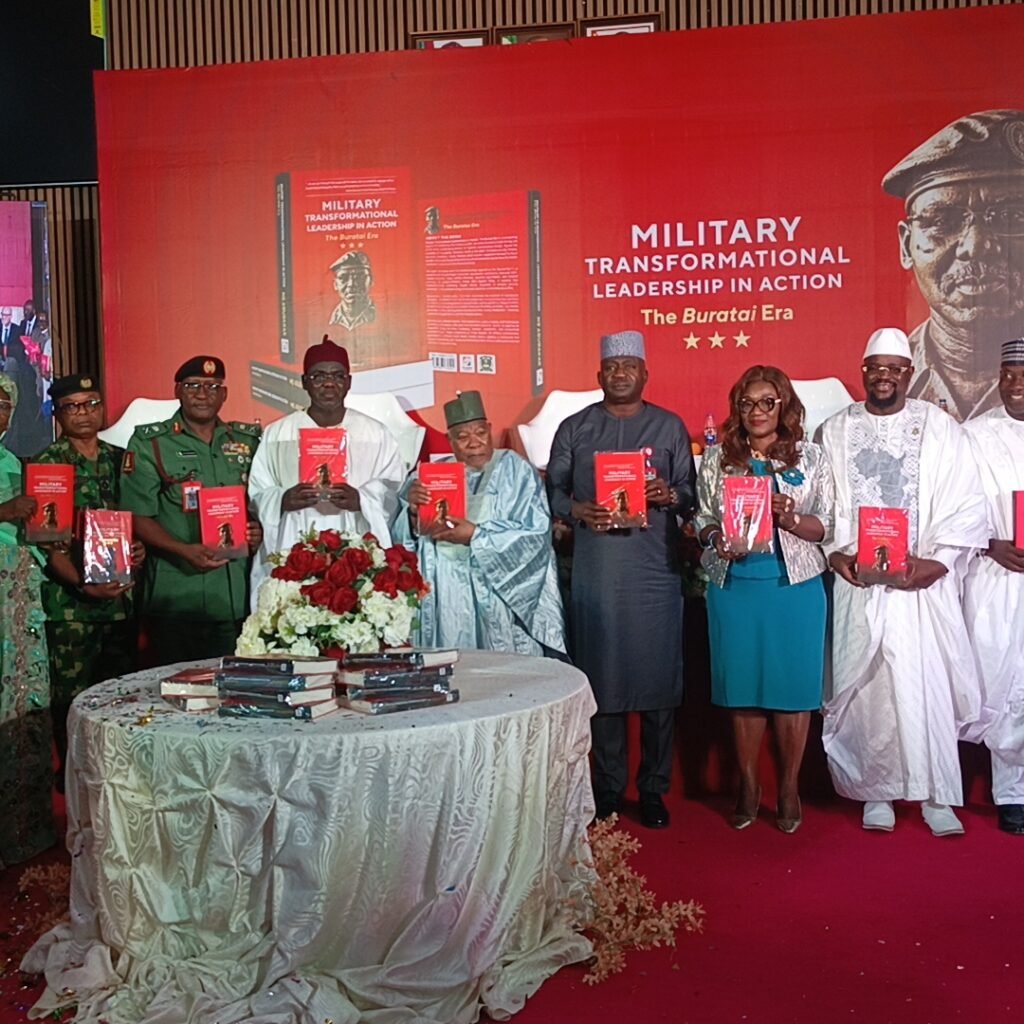
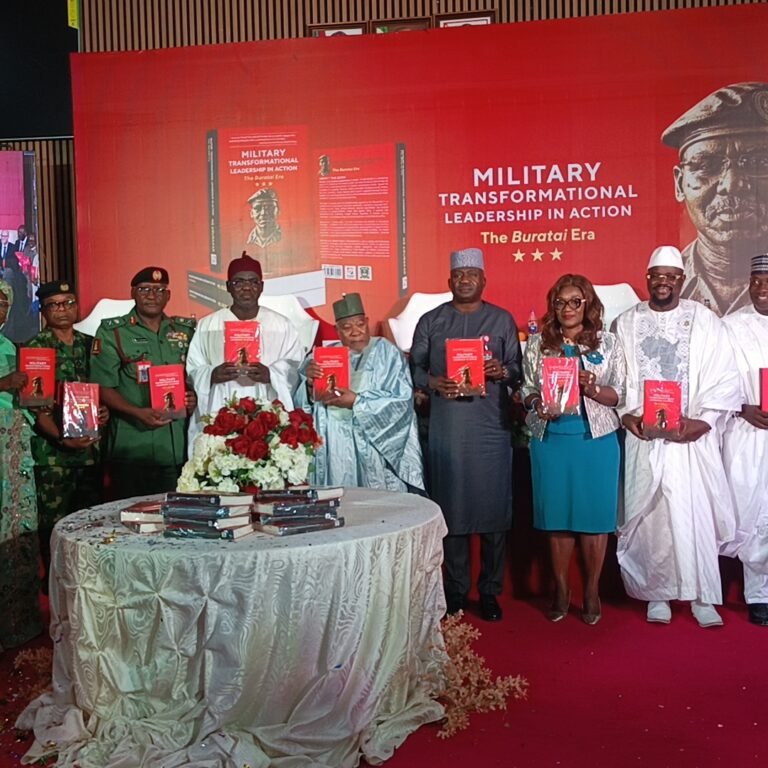
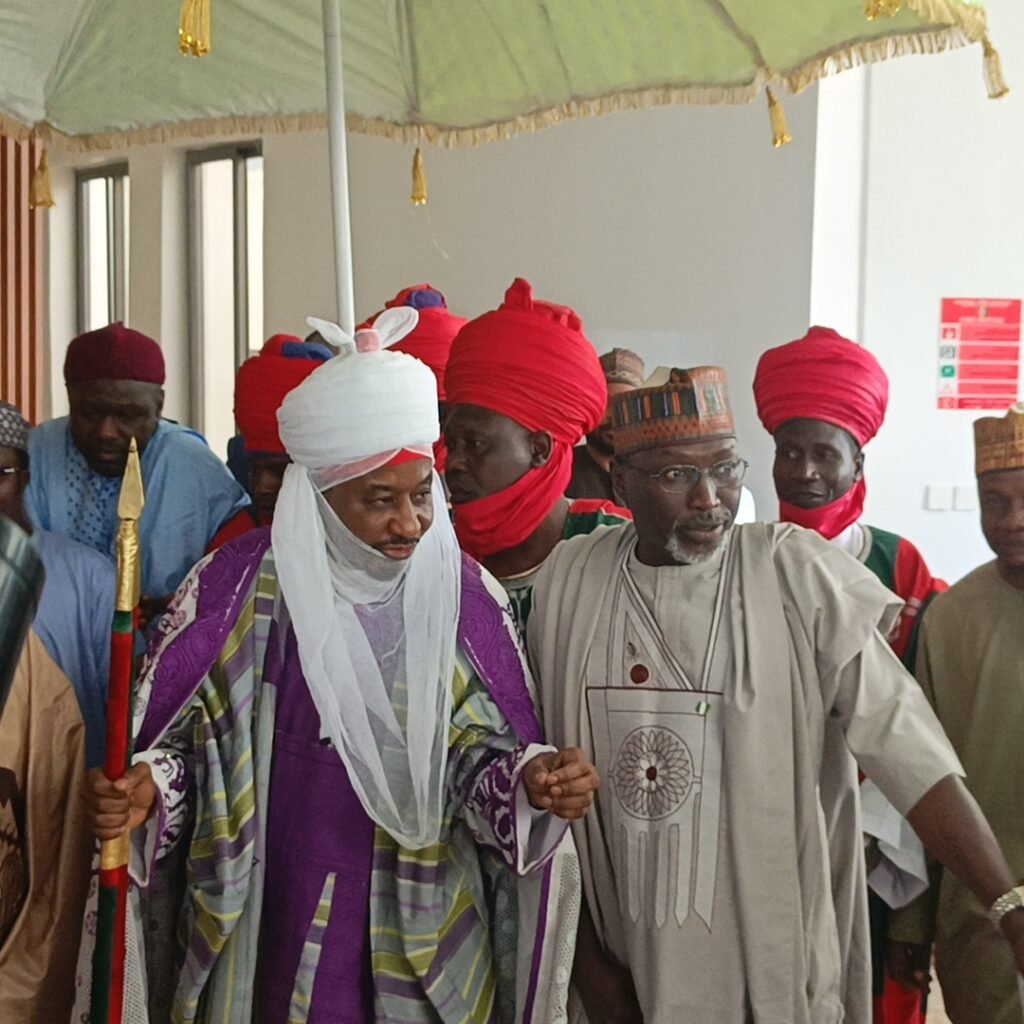
Sanusi spoke as the Royal Father of the Day at the public presentation of Military Transformational Leadership in Action: The Buratai Era in Abuja on Wednesday.
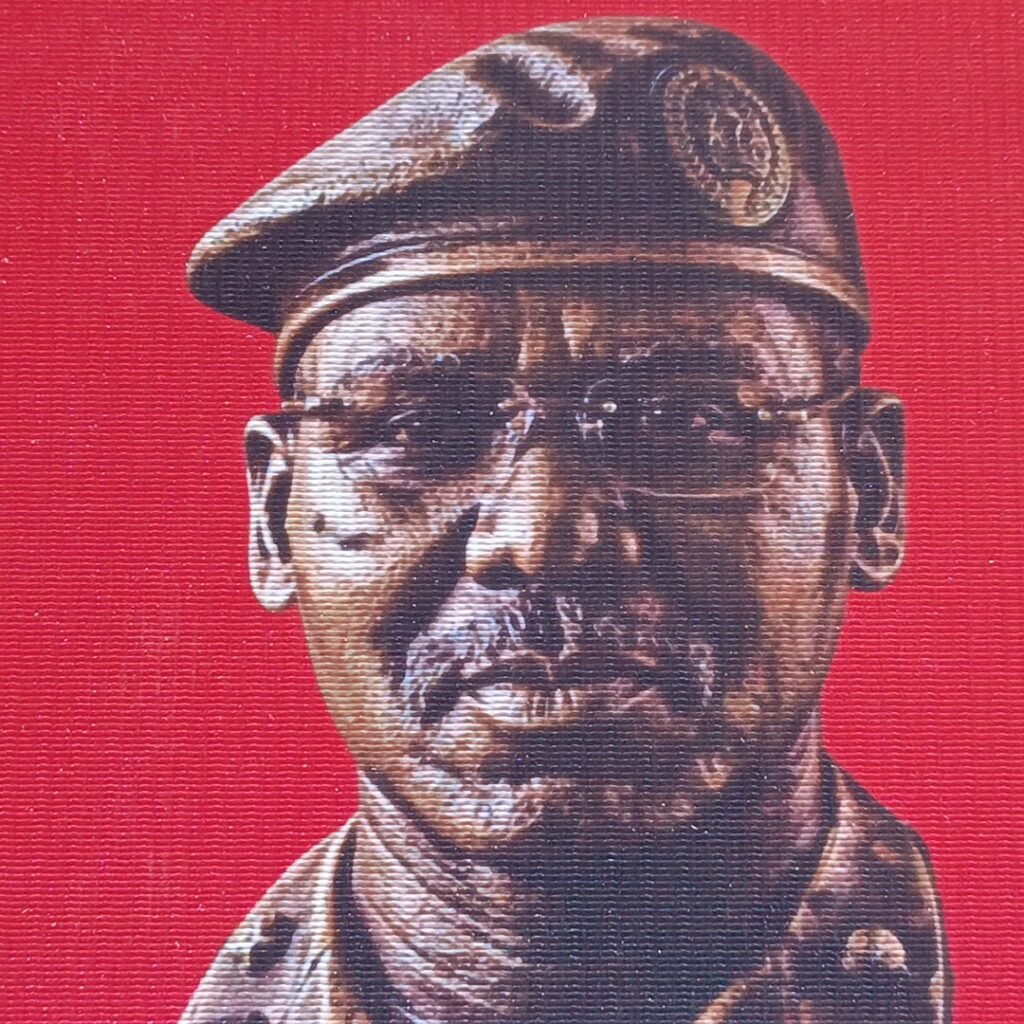
The book, authored by Dr M. S. Abubakar, examines leadership, institutional reforms and the security challenges that characterised the tenure of former Chief of Army Staff, Lt Gen Tukur Yusufu Buratai.
Reflecting on Nigeria’s security challenges, Sanusi said the crisis did not begin with the emergence of banditry, Boko Haram or terrorism.
He argued that it was preceded by what he described as “violence in words” — divisive rhetoric that increasingly categorised Nigerians along ethnic, religious and regional lines.
According to him, repeated descriptions of Nigerians as Northerners and Southerners, Muslims and Christians, Hausa, Yoruba and Igbo helped create an environment in which violent movements could emerge and gain support.
Sanusi therefore called for a deliberate effort to reduce the politicisation of ethnicity and religion, warning that continued exploitation of such divisions could create conditions for another cycle of violence.
He urged Nigerians to place national identity and development above ethnic and religious considerations.
“We have to go back to see ourselves as Nigerians as people committed to this country and focus on what is important, which is the development of our people,” he said.
‘We Need Strong Leaders and Strong Institutions’
The Emir also used the occasion to address the long-running debate over whether Nigeria needs stronger institutions or stronger leaders.
He said the country needs both.
According to Sanusi, strong leadership cannot produce lasting results where institutions are weak, just as strong institutions can be undermined by weak leadership.
He explained that institutional strength should not be understood simply in terms of authority or force, but as the ability of an institution and its leadership to operate within its legal and professional responsibilities.
Using the judiciary as an example, he said a strong judge is one who understands the responsibility to administer justice impartially rather than take political instructions or allow personal interests to influence decisions.
Sanusi called for the depoliticisation of major national institutions, including the military, police, Central Bank, judiciary and the media.
He argued that such institutions must retain sufficient independence to provide checks and balances within the political system.
The Emir also stressed the importance of long-term institutional thinking.
He noted that elected political leaders often operate within four-year electoral cycles, while institutions such as the military, police and Central Bank need to think in terms of decades.
“The army cannot think in four-year cycles. The police cannot think in four-year cycles. The Central Bank cannot think in four-year cycles,” he said.
For Sanusi, transformational leadership should therefore be measured not only by what a leader achieves while in office but by whether the institutions they lead remain stronger and functional after their departure.
Economic Hardship and Insecurity
Speaking from his background in economics, the Emir also drew a direct connection between economic conditions and national security.
He said people without access to education, food, employment or a sense of future could become vulnerable to manipulation and recruitment into violent movements.
“If people do not have an education, if they don’t have food to eat, if they don’t have jobs, if they don’t have a future to look forward to, they do not have a stake in the system,” he said.
He urged policymakers to complement military and security responses with greater investment in education, employment and economic opportunities, particularly in areas experiencing high levels of poverty.
Sanusi said addressing insecurity therefore requires a broader national strategy that combines security operations with economic and social development.
Tribute to Buratai and Nigeria’s Armed Forces
The Emir concluded by commending retired Lt Gen Tukur Buratai and members of Nigeria’s armed forces who have served in the country’s security operations.
He paid tribute to those who lost their lives defending the country and expressed hope that Nigeria would return to a period of greater peace and security.
Sanusi also congratulated Buratai on the publication and said he looked forward to reading the book.
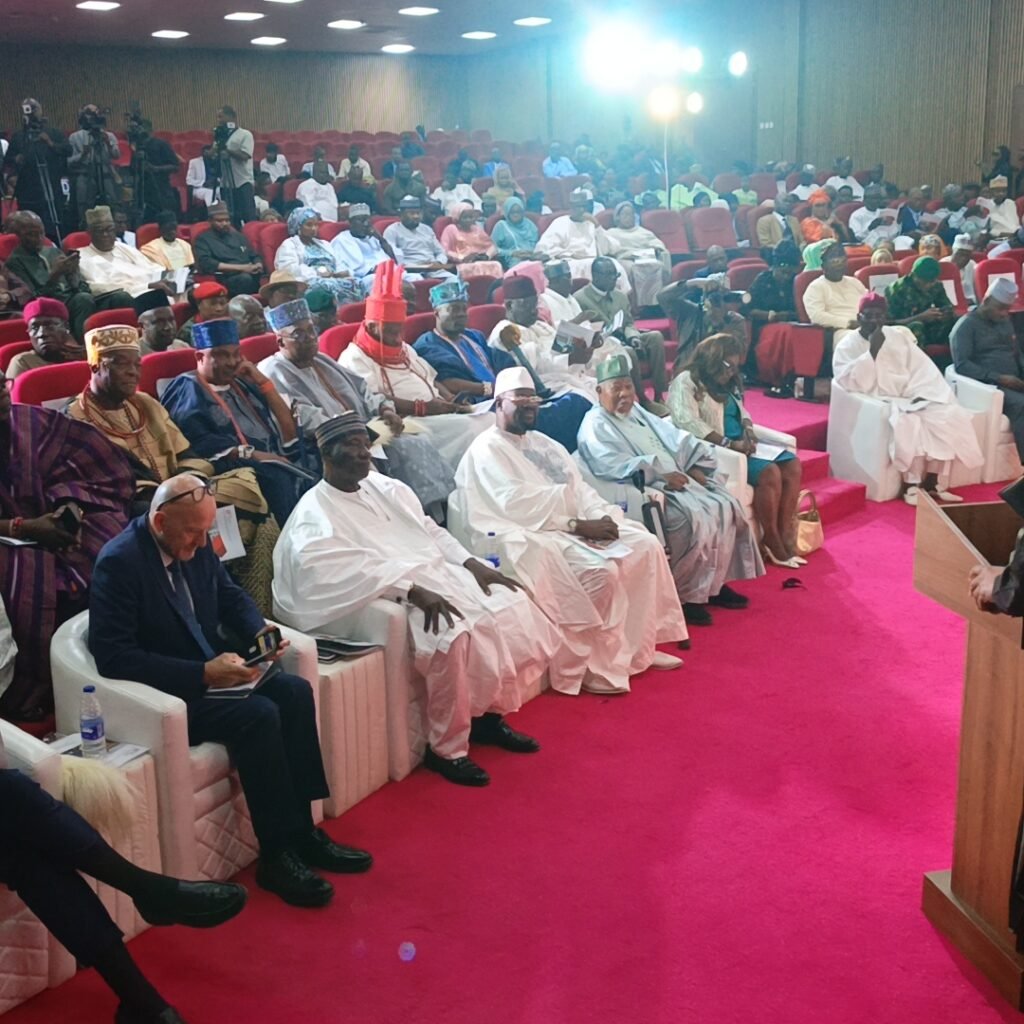
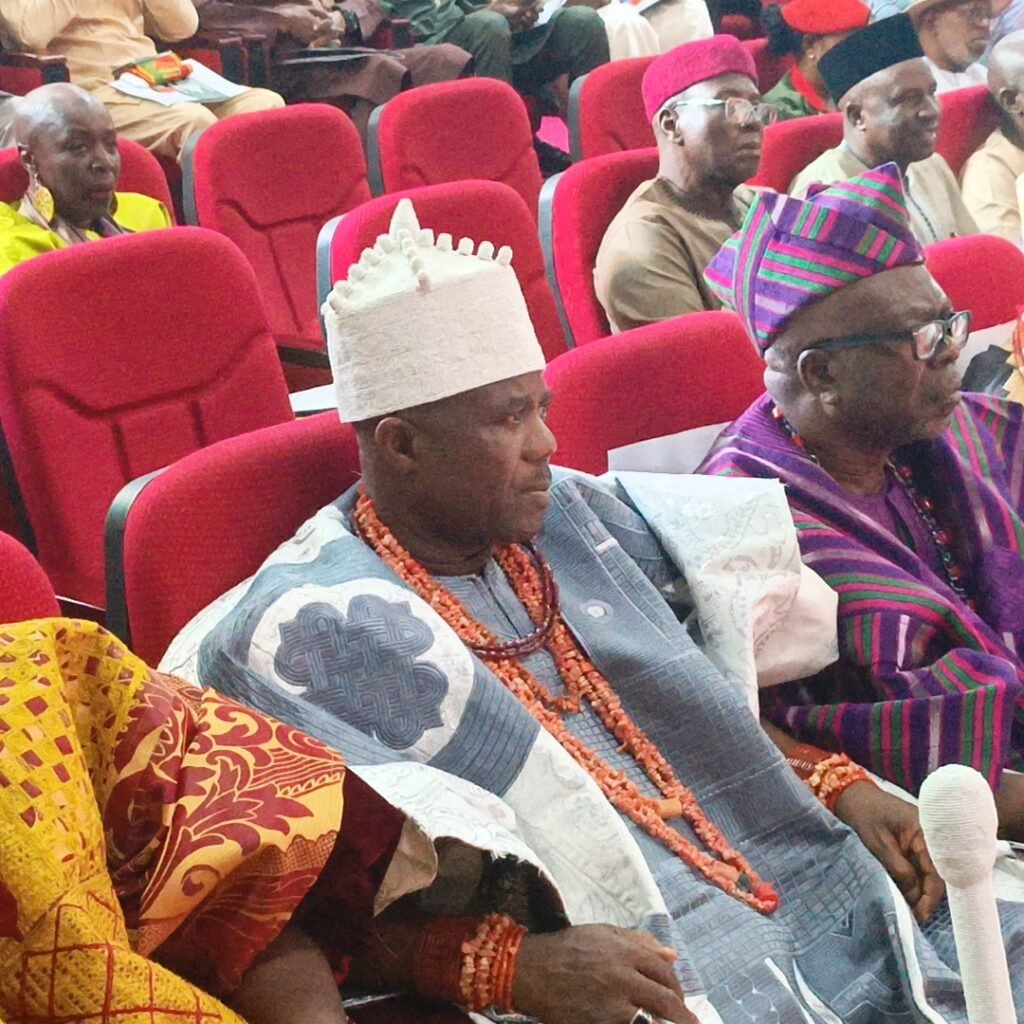
The public presentation in Abuja brings together senior military officers, retired officers, government officials, traditional rulers, academics and other stakeholders to discuss military leadership, institutional transformation and Nigeria’s security architecture.