

By Gabriel Ameh
The Democratic Front (TDF) has welcomed the decision by Nigeria’s 36 state governors to invest in Compressed Natural Gas (CNG) infrastructure, describing the move as a significant boost to efforts to reduce transportation costs across the country.
In a statement signed by its Chairman, Danjuma Muhammad, and Secretary, Wale Adedayo, the group said the governors’ decision demonstrated growing support for the Federal Government’s push to promote CNG as a cheaper alternative fuel for transportation.
TDF recalled that President Bola Tinubu launched the Presidential Compressed Natural Gas Initiative (PCNGI) in August 2023, shortly after the removal of the petrol subsidy, as part of measures aimed at easing the impact of higher transportation and energy costs.
The group said the Federal Government had since continued to promote CNG infrastructure and vehicle conversion as part of its broader response to the rising cost of transportation.
“Establishing CNG infrastructure in a country like Nigeria is herculean and challenging. But despite inherent challenges, President Tinubu’s efforts on CNG have resulted in the construction of 90 certified CNG filling stations, establishment of over 450 CNG conversion centres across 23 states, conversion of over 120,000 vehicles, and additional 100,000 kits at work in Nigeria,” TDF said.
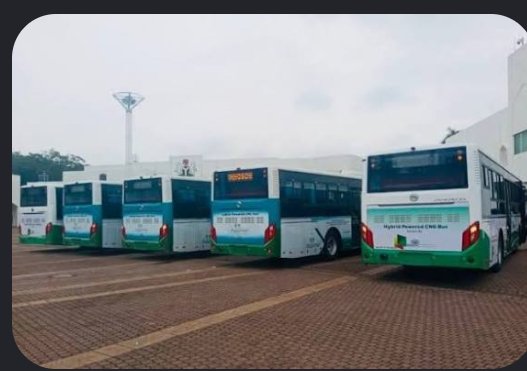
The group also claimed that commercial transport operators in cities including Abuja, Lagos, Ibadan, Port Harcourt and Enugu had begun switching from petrol to CNG to reduce fuel expenses.
According to TDF, some long-distance commercial transport operators previously dependent on diesel have also adopted CNG as an alternative energy source.
The group described the development as an indication that efforts to expand access to alternative fuels could gradually transform Nigeria’s transportation sector and reduce pressure on household incomes.
TDF acknowledged that CNG adoption across Nigeria remains relatively slow but said the governors’ reported commitment to developing CNG infrastructure could accelerate the transition from petrol to cheaper alternative fuels.
The group also welcomed the establishment of an implementation committee to coordinate Federal and state government measures aimed at reducing transportation costs from October 1.
According to TDF, stronger collaboration between the Federal Government and the states could help reduce the cost of inter-state and intra-state transportation while also lowering the cost of moving agricultural produce from farms to markets.
The group argued that wider CNG adoption could provide Nigerians with more affordable and sustainable energy options for transportation.
TDF further criticised calls for a return to petrol subsidy, arguing that expanding alternative energy sources such as CNG and electric vehicles would provide a more sustainable approach to reducing transportation costs.
The group urged Nigerians to support the Federal Government’s CNG initiative, saying expanded infrastructure and easier access to conversion facilities would be critical to achieving wider adoption across the country.