By Gabriel Ameh
KUNSHAN, CHINA — China’s expanding coffee market and its move to extend zero-tariff treatment to products from eligible African countries are creating fresh opportunities for deeper agricultural trade between China and Africa.
Coffee and cocoa are among the commodities that could benefit as African producers seek greater access to China’s growing consumer market.
The opportunities came into focus during a visit by African journalists to Kunshan in Jiangsu Province, where they examined the city’s rapidly developing coffee industry and its connections with international suppliers.
The visit was part of activities marking the 2026 China-Africa Audiovisual Culture Exchange Week and provided insights into how China’s expanding consumer market could create new opportunities for African agricultural exporters.

Kunshan’s coffee industry has grown from a relatively small consumer market into a wider economic ecosystem involving coffee processing, equipment manufacturing, distribution, retail, tourism and cultural activities.
Yang Huihan, team lead of Kunshan Coffee Industry Creativity Company, said the organisation introduces visitors from China and abroad to the history and development of the city’s coffee industry and the businesses supporting the sector.
According to her, the industry has expanded significantly since around 2020, contributing to employment, local economic activity and tax revenue.
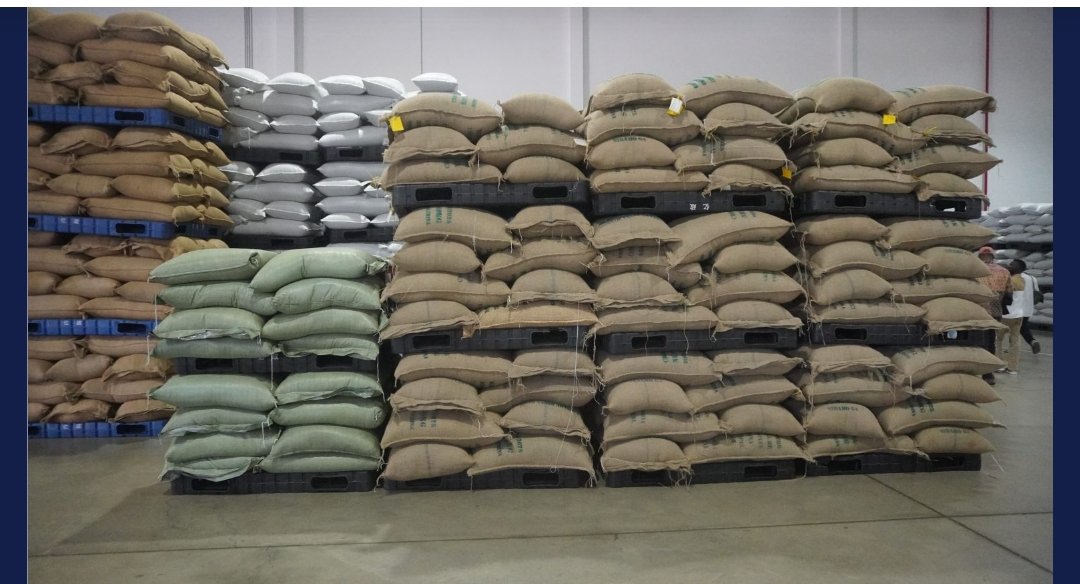
The sector now includes factories that roast imported green coffee beans for Chinese and international brands, alongside businesses involved in coffee equipment manufacturing, distribution and retail.
For African coffee-producing countries, the development presents an opportunity to expand beyond traditional export destinations and deepen their presence in the Chinese market.
Yinghao Tang, manager of Cafebreak, a coffee manufacturing company in Kunshan, said the company currently sources raw coffee materials from Brazil and several African countries, including Ethiopia, Uganda, Tanzania and Kenya.
Tang said the company plans to increase its imports from Africa following China’s introduction of zero-tariff treatment for products from eligible African countries.

“At present, the company imports over 10,000 tonnes of coffee beans from Africa,” Tang said.
He said greater access to African coffee could benefit Chinese businesses while creating additional opportunities for African producers to increase their presence in the Chinese market.
Cafebreak produces several coffee products, including Ethiopia Sidamo Abegons Coffee Beans, Yunding Floral Champion Drip Coffee, Cedar Mandheling Coffee Beans and Yirgacheffe Chachere Drip Bag Coffee.
The Kunshan experience also points to opportunities beyond coffee, particularly for African cocoa-producing countries.
China’s zero-tariff policy could improve the competitiveness of eligible African agricultural products and potentially stimulate increased imports of cocoa and other commodities.
Africa remains the world’s leading cocoa-producing region, with major producers including Côte d’Ivoire, Ghana, Nigeria and Cameroon. Greater access to the Chinese market could enable these countries to diversify their export destinations while strengthening their participation in global agricultural value chains.
However, market access alone may not be enough.
Industry stakeholders say African producers must also improve production capacity, product quality, processing, packaging, branding and logistics to compete effectively and secure a larger share of the Chinese market.
The Kunshan model demonstrates how an agricultural commodity can develop into a broader industrial ecosystem.
Coffee has created opportunities not only for farmers and importers but also for manufacturers, retailers, tourism operators, equipment suppliers and cultural businesses.
A similar approach could help African cocoa-producing countries move beyond exporting raw beans by developing stronger commercial relationships with Chinese companies involved in cocoa processing, chocolate manufacturing, packaging and distribution.
Such partnerships could help African economies retain more value from their agricultural commodities while giving Chinese businesses more reliable access to quality products.
For China, increased imports from Africa could also support efforts to diversify agricultural supply sources and meet the demands of an increasingly sophisticated consumer market.
The growth of China’s coffee sector therefore provides a practical example of how preferential trade policies can translate into wider commercial opportunities and stronger China-Africa economic cooperation.
For African countries, the priority will be to convert zero-tariff access into actual export growth by strengthening supply capacity, meeting Chinese market standards and establishing direct relationships with Chinese importers, processors and manufacturers.
Emmanuel Kollie, a journalist with the Liberian Broadcasting Service who participated in the Kunshan visit, said the experience offered a new perspective on how coffee could contribute to employment and economic development.
He also stressed the importance of stronger China-Africa agricultural trade.
“This is one thing we Africans are concerned about in terms of how we can market our cocoa and coffee,” he said.
Kollie said Liberia produces significant quantities of coffee and cocoa and called for stronger commercial engagement between Chinese businesses and African producers.
He added that increased Chinese investment and sourcing from African agricultural economies could benefit producers while contributing to economic growth in China.
The Kunshan experience provides a practical illustration of the opportunities emerging from China’s zero-tariff policy.
As Chinese demand for coffee, cocoa and other agricultural products continues to grow, stronger trade and investment partnerships could help African countries turn preferential market access into increased exports, local value addition and deeper economic cooperation with China.
Key Focus Phrases:
- Kunshan coffee market
- China-Africa agricultural trade
- African coffee exports to China
- China zero-tariff policy for Africa
- African cocoa exports to China
Primary Focus Keyphrase:
Kunshan coffee market