

By Gabriel Ameh
The Independent National Electoral Commission (INEC) says it plans to deploy approximately 1.4 million ad-hoc personnel across more than 176,000 polling units nationwide for the 2027 General Election.
The proposed deployment, according to the Commission, will constitute one of the largest mobilisations of human resources ever undertaken for a national assignment in Nigeria.
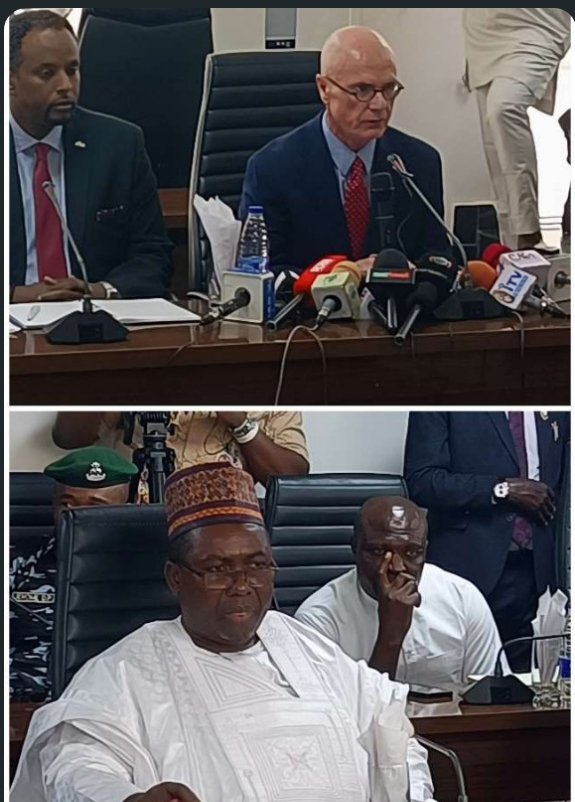
INEC Chairman, Professor Joash Ojo Amupitan, SAN, disclosed this on Friday, August 21, 2026, during a courtesy visit by the Canadian High Commissioner to Nigeria, David Sproule, and his delegation to the Commission’s headquarters in Abuja.
Amupitan said INEC was now shifting its full institutional attention towards the 2027 elections, with particular emphasis on building the administrative and logistical capacity required to manage the scale of the exercise.
“In 2027, INEC will deploy a workforce of approximately 1.4 million ad-hoc personnel across more than 176,000 Polling Units nationwide—representing one of the largest mobilisations of human resources for a national assignment in our country’s history,” he said.
INEC Begins Preparations for Massive Election Operation
The INEC Chairman said the recruitment, training and deployment of the ad-hoc workforce would be central to the Commission’s efforts to deliver free, fair, credible, transparent and inclusive elections.
He said the Commission had continued to use off-cycle elections as testing grounds for electoral reforms and operational improvements, citing the Anambra governorship election, FCT Area Council elections and the recent Ekiti governorship poll as part of the learning process.
With the 2027 election campaign period officially commencing on August 19, Amupitan said preparations were intensifying to ensure that personnel deployed to polling units are properly trained, equipped and capable of carrying out their responsibilities.
November Mock Accreditation to Test BVAS
As part of its preparations, INEC plans to conduct a nationwide mock accreditation exercise in November 2026.
According to Amupitan, the exercise will provide an opportunity to test the Commission’s electoral equipment, particularly the Bimodal Voter Accreditation System (BVAS), ahead of the general election.
He said the mock exercise would help identify and address operational challenges before election day while strengthening the reliability of the accreditation process.
INEC is also seeking targeted international assistance in areas including electoral research, technical support, institutional capacity development and training.
The Chairman said such partnerships would help strengthen the capacity of the large workforce required for the 2027 elections.
Focus on Women, Youth and Persons With Disabilities
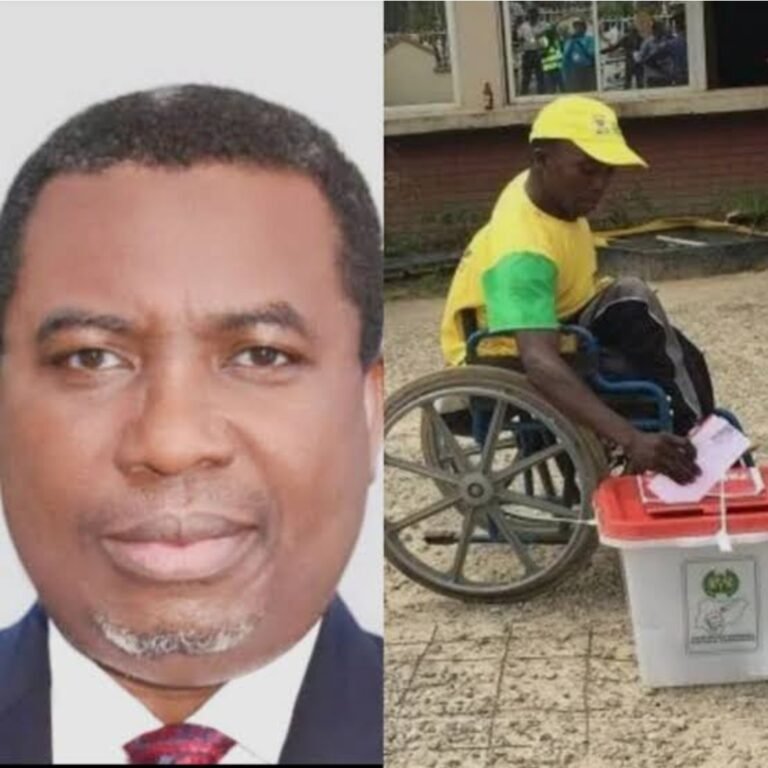
Amupitan also said INEC’s preparations would place greater emphasis on electoral inclusion, particularly the participation and representation of women, young people, Persons with Disabilities (PWDs) and other historically underrepresented groups.
He said the Commission’s objective was to deepen democratic access across all 176,000-plus polling units and ensure that no segment of the Nigerian population was excluded from the electoral process.
INEC Draws Lessons From Osun Election
The Commission also highlighted the August 15, 2026, Osun State governorship election as an important operational reference point for its 2027 preparations.
Amupitan described the performance in Osun as a benchmark for electoral administration, pointing to early logistics deployment, BVAS performance, result transmission through the IReV portal and crisis management.
He said 3,556 out of 3,763 polling units, representing 94.5 percent, opened for accreditation and voting by 8:30 a.m.
According to him, the experience demonstrated the importance of combining effective logistics, technology and administrative planning.
The Commission intends to build on these lessons as it prepares and trains the approximately 1.4 million personnel expected to participate in the 2027 election process.
INEC is also expected to place increased emphasis on cybersecurity and the work of its newly established Artificial Intelligence Unit as technology becomes increasingly central to election administration.
Canada Offers Support to INEC
The Canadian High Commissioner, David Sproule, expressed Canada’s interest in INEC’s preparations and its plans to strengthen the legitimacy and credibility of the 2027 elections.
Sproule said Canada’s support would include areas relating to democratic principles, inclusion and election observation.
He stressed the importance of ensuring the active participation of women and other segments of society in the electoral process.
He also assured the Commission that Canada would be prepared to provide support in areas where assistance is considered necessary and to observe the 2027 elections.
2027 Election Dates
INEC has scheduled the Presidential and National Assembly elections for Saturday, January 16, 2027, while the Governorship and State House of Assembly elections will hold on February 6, 2027.
Amupitan also reaffirmed the Commission’s independence and neutrality, assuring the Canadian delegation and the wider international community of INEC’s commitment to democratic integrity.
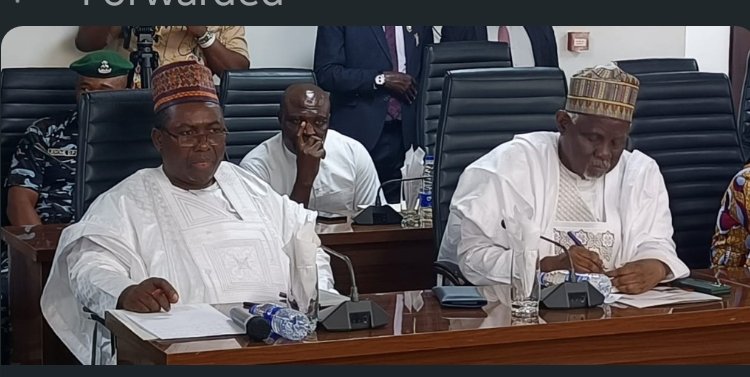
The meeting was attended by National Commissioners, the Secretary to the Commission, the Acting Director-General of the Electoral Institute, directors and other senior INEC officials.
The Canadian delegation included Omar Alihashi, Head of Political; Arash Irantalab, Head of Development Cooperation; Colton Brydges and Maude Olivier, both First Secretaries.