0-0x0-0-0-{}-0-0#
By Gabriel Ameh
ABUJA — Corporate Accountability and Public Participation Africa (CAPPA) has raised the alarm over what it described as an escalating environmental and public health crisis in Bille community, Degema Local Government Area of Rivers State, following persistent gas emissions reported across homes, waterways, mangroves and school grounds.
CAPPA said the emissions, which residents have reported since October 2025, have polluted the air and groundwater, damaged mangroves, disrupted fishing and other livelihoods, and heightened fears of fire outbreaks and other health risks within the community.
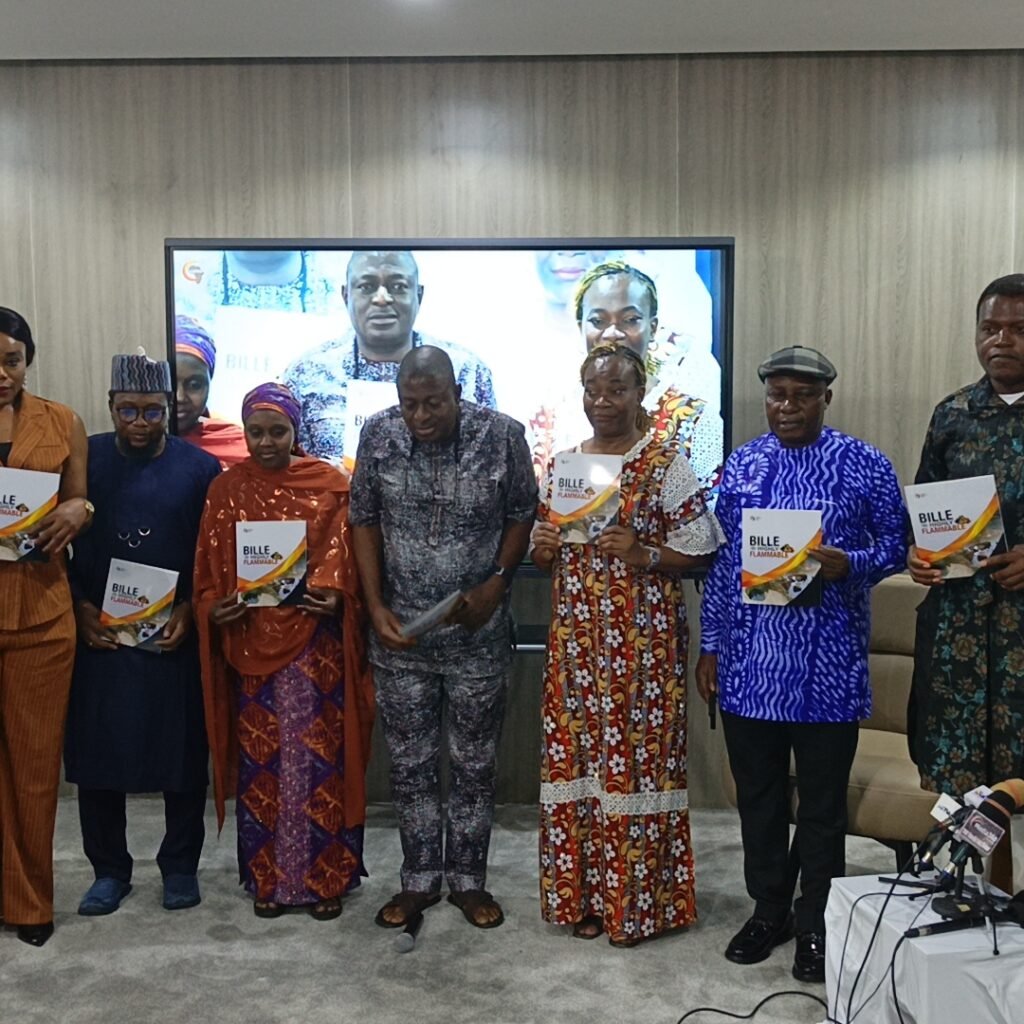
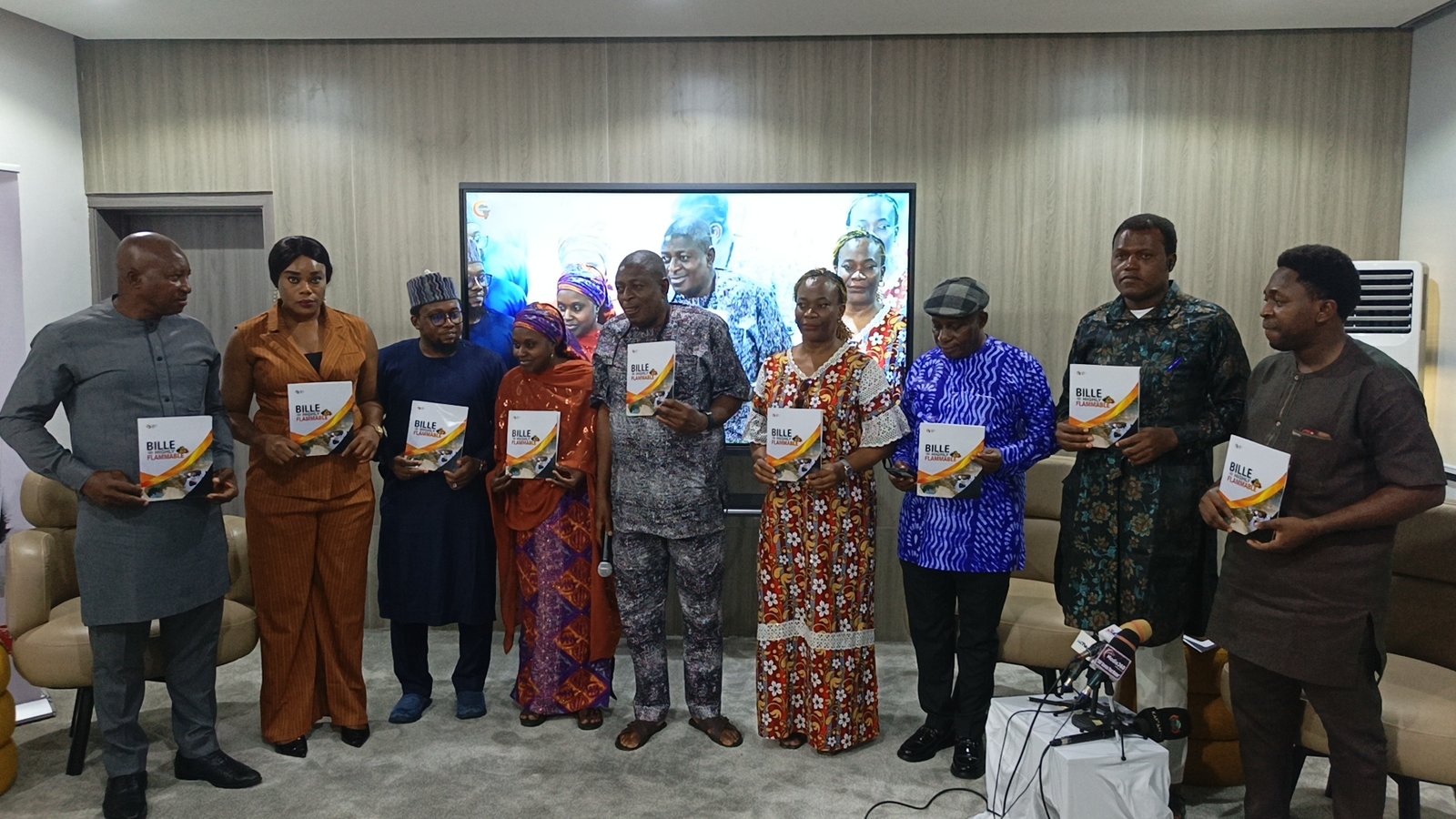
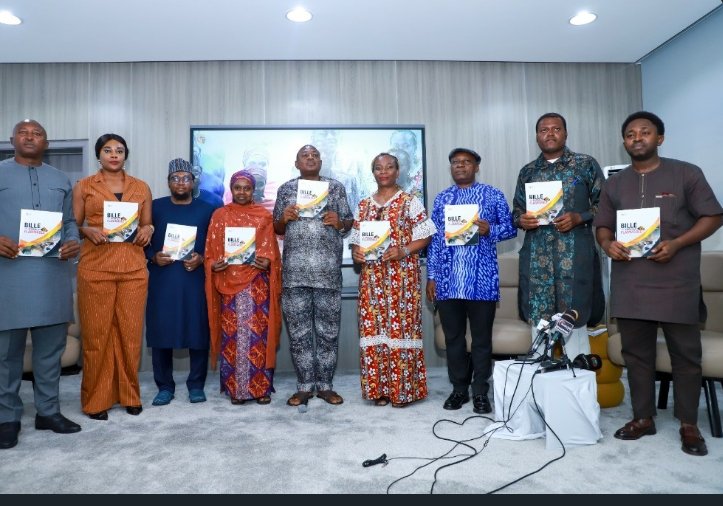
The organisation’s Executive Director, Akinbode Oluwafemi, disclosed this while presenting CAPPA’s documentary and report, “Bille Is Highly Flammable,” in Abuja on Wednesday.
Oluwafemi said a field investigation conducted on July 6, 2026, found residents living with polluted air, contaminated water sources, health concerns and fears that accumulated gas could ignite inside their homes.
According to him, government agencies have collected soil, water and gas samples from affected areas, with preliminary investigations reportedly indicating elevated concentrations of methane, hydrogen sulphide and carbon dioxide, as well as groundwater contamination and deteriorating air quality.
He said the situation required more than temporary emergency measures, stressing the need to determine the source of the emissions and permanently address the threat.
“Bille deserves answers. That is why CAPPA is using this documentary not only to document the crisis, but also to stimulate action,” Oluwafemi said.
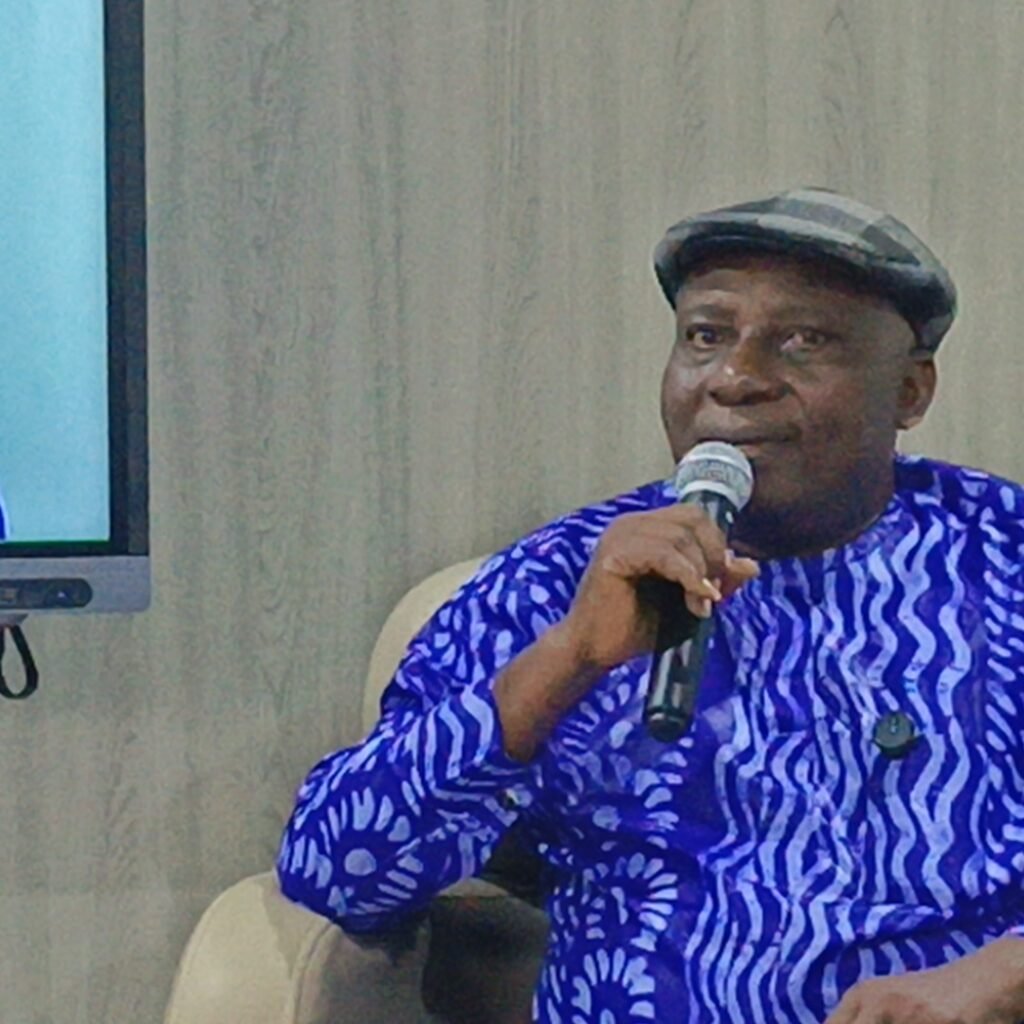
He called for a transparent and coordinated response involving government agencies, regulators, oil and gas operators, independent experts and residents of Bille.
Oluwafemi also urged the Nigerian Upstream Petroleum Regulatory Commission (NUPRC) to conduct a comprehensive audit of active, ageing, idle and abandoned oil and gas infrastructure within the community to establish possible sources of the emissions.
Speaking on behalf of residents, Vice President of the Bille Kingdom Youth Federation, Timothy Agunbiade, said the emissions were spreading into areas that had previously been unaffected, worsening threats to public health, fishing and the wider ecosystem.
Agunbiade criticised aspects of the emergency response, including the provision of a fire truck to the community, arguing that it did not address the source of the gas emissions. He also said the difficult terrain could prevent the vehicle from reaching several affected locations.
“I’m a direct victim of this thing that is on ground. And it has affected our economy. Ecologically, Bille is dead,” Agunbiade said, alleging that fish caught in the area had become unsafe for consumption because of the pollution.
He said residents were yet to receive the results of several environmental tests conducted by government agencies and other organisations, including the National Oil Spill Detection and Response Agency (NOSDRA), the Federal Ministry of Environment and the Rivers State Ministry of Environment.
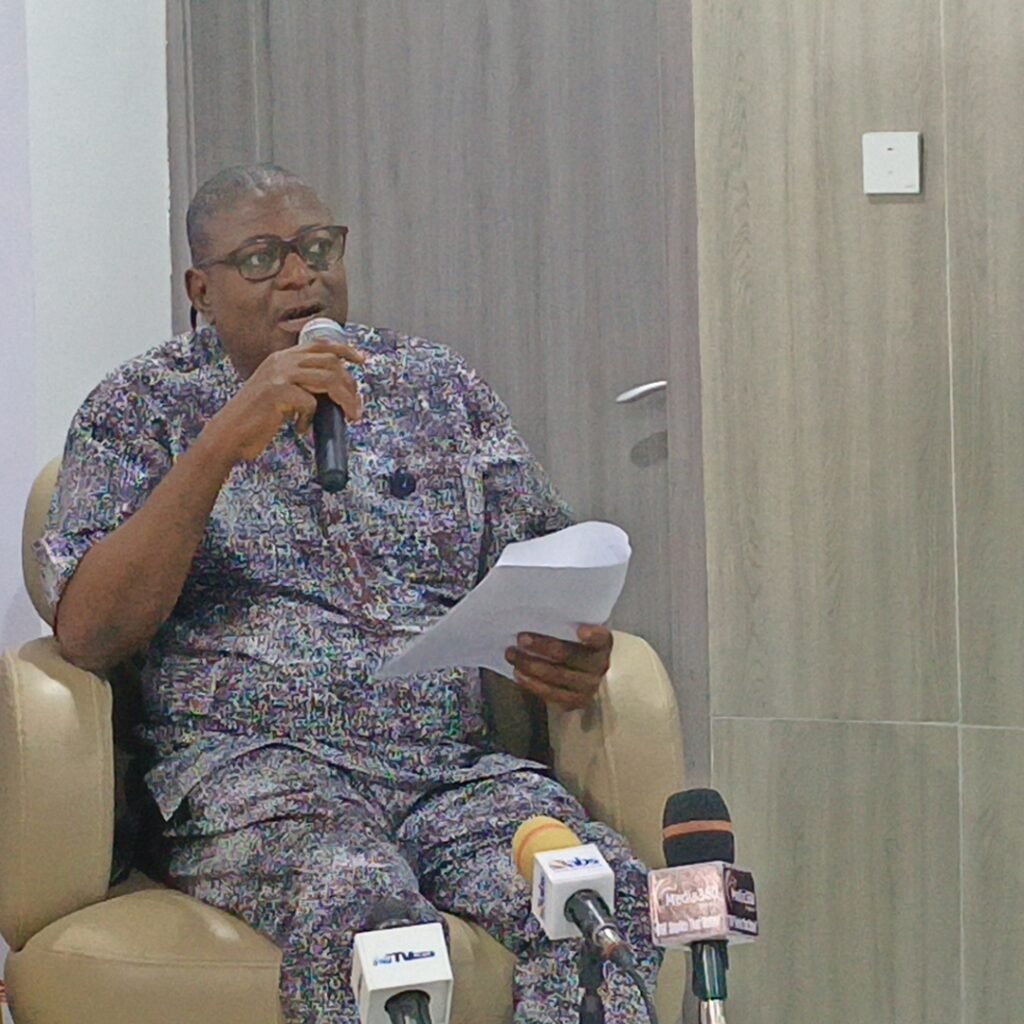
Agunbiade further claimed that about 786 bubbling spots had been identified in the community, while several satellite communities were yet to undergo comprehensive assessment.
He said the immediate priority should be to identify and stop the gas emissions before addressing the health, environmental and economic damage already suffered by residents.
The youth leader called on relevant authorities to release the findings of their investigations and provide concrete measures to protect residents and restore the affected environment.
CAPPA similarly called for sustained monitoring, transparent disclosure of investigation results and coordinated action to protect lives, livelihoods and the fragile ecosystem in Bille.