

By Gabriel Ameh
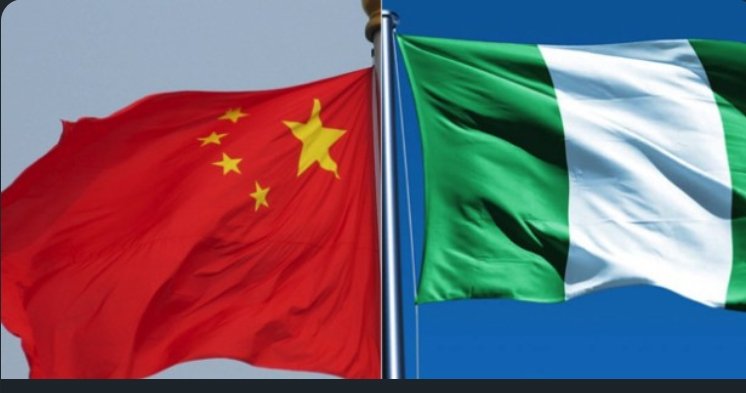
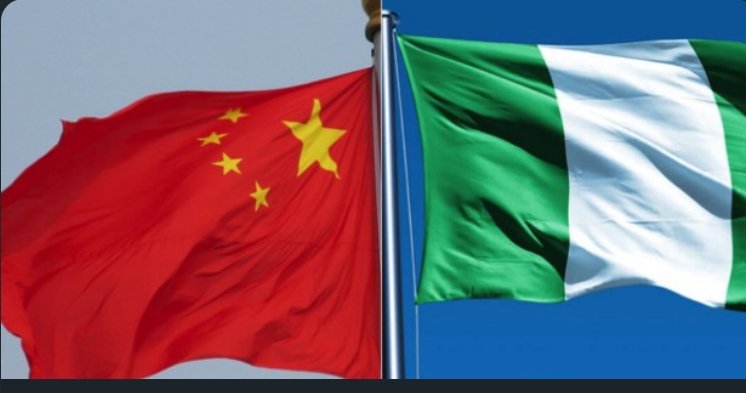
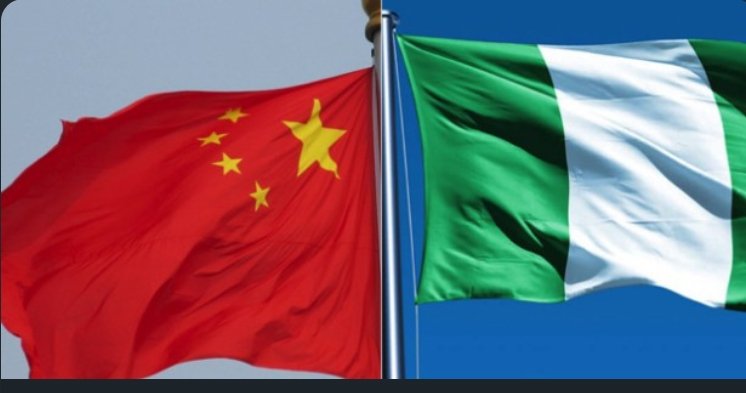
ABUJA — Nigeria and China have signed a new protocol setting out inspection and quarantine requirements for wild aquatic products exported from Nigeria to the Chinese market.
The agreement was signed in Abuja by the Chinese Ambassador to Nigeria, H.E. Yu Dunhai, and the Comptroller-General of the Nigeria Agricultural Quarantine Service (NAQS), Dr. Vincent Isegbe.
The protocol is between the General Administration of Customs of the People’s Republic of China and the Nigeria Agricultural Quarantine Service of the Federal Republic of Nigeria.
Speaking at the signing ceremony, Ambassador Yu described the agreement as an important institutional framework for implementing China’s zero-tariff policy for African countries.
He said the protocol would provide clear inspection and quarantine procedures for Nigerian wild aquatic products seeking access to the Chinese market, while helping to deepen agricultural trade between both countries.
According to the ambassador, the agreement could also contribute to the development of Nigeria’s fisheries sector, increase foreign exchange earnings from exports and provide fresh momentum for China-Nigeria economic and trade relations.
Yu said the framework would create greater opportunities for Nigerian agricultural products in the Chinese market while strengthening practical cooperation between the two countries.
In his remarks, Dr. Isegbe welcomed China’s continued expansion of imports of high-quality Nigerian agricultural and aquatic products.
He said NAQS was prepared to work closely with its Chinese counterparts to ensure full compliance with the agreed inspection and quarantine requirements and facilitate the export of more Nigerian agricultural products to China.
Isegbe added that Nigeria would continue to support measures designed to ensure that bilateral agricultural cooperation delivers tangible benefits to the people of both countries.
The new protocol is expected to strengthen regulatory cooperation and create a clearer pathway for Nigerian wild aquatic products to access one of the world’s largest consumer markets.