
By Gabriel Ameh
ABUJA — Nestlé Nigeria PLC has reaffirmed its commitment to improving access to safe and quality water in Nigerian communities as it partners with the Federal Ministry of Water Resources and Sanitation and the Organised Private Sector in Water, Sanitation and Hygiene (OPS-WASH) to drive a nationwide water quality advocacy campaign.
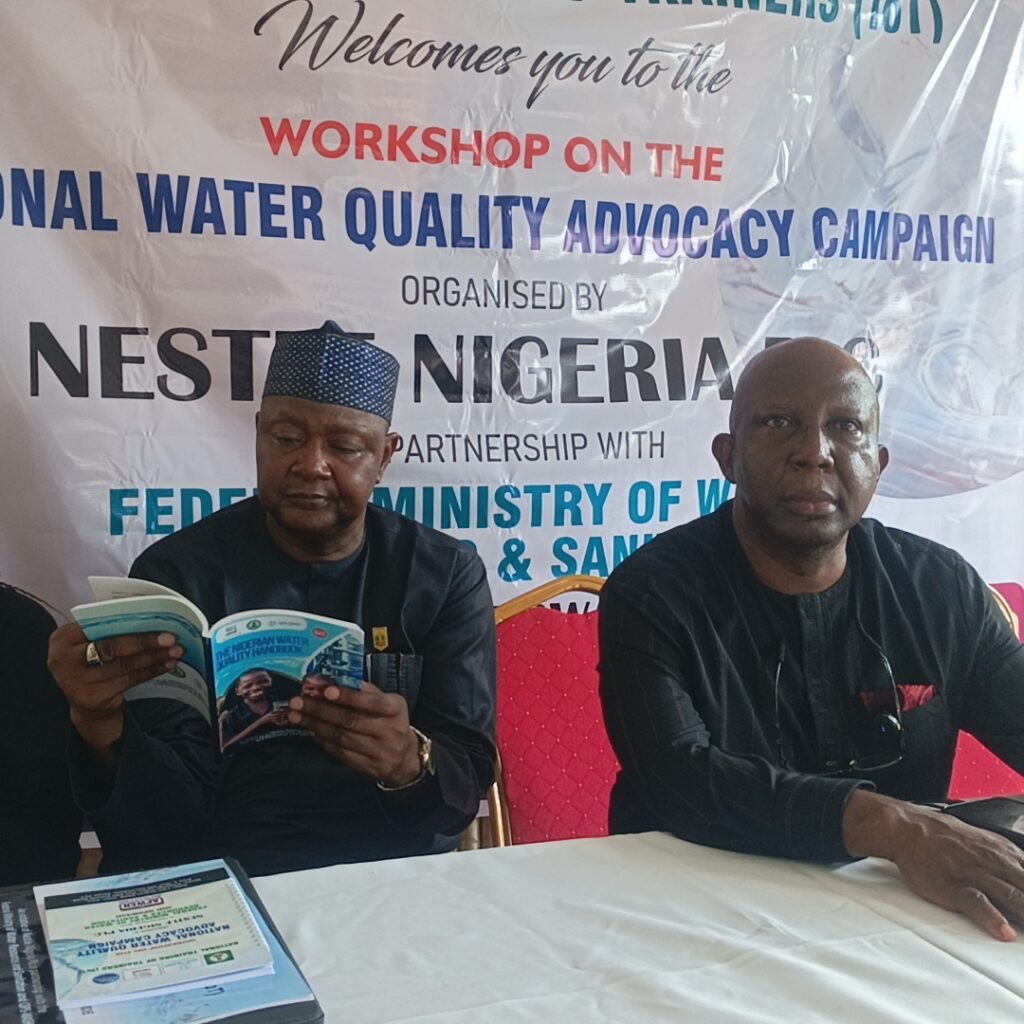
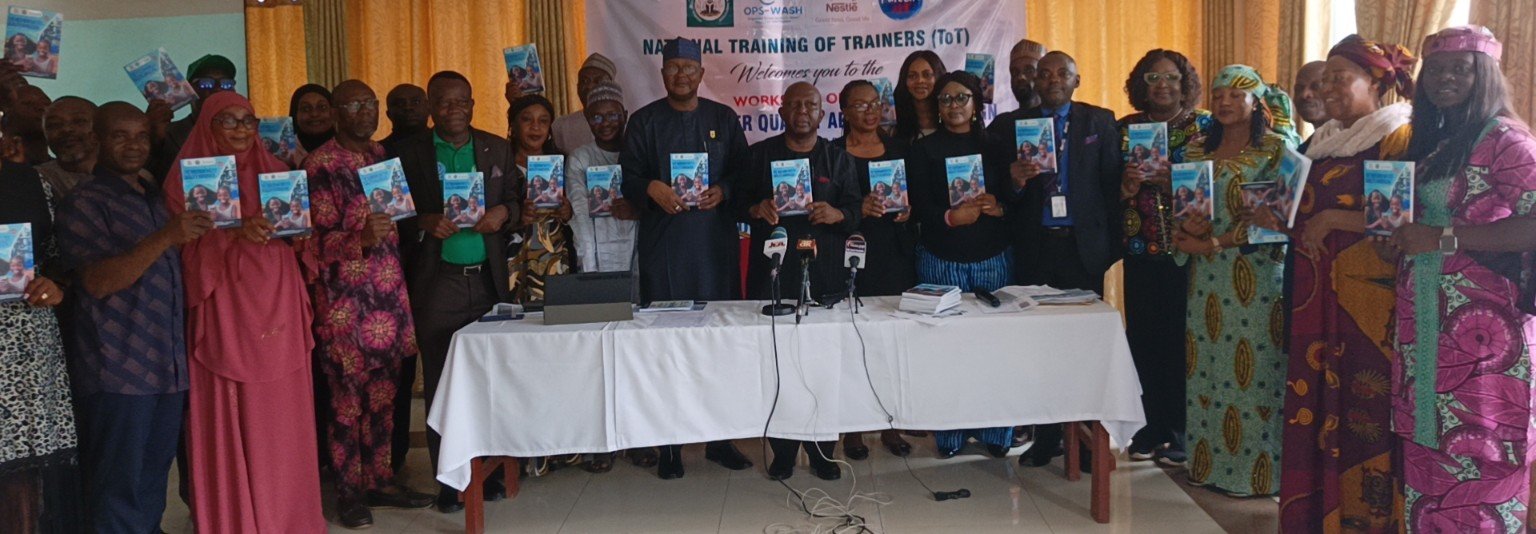
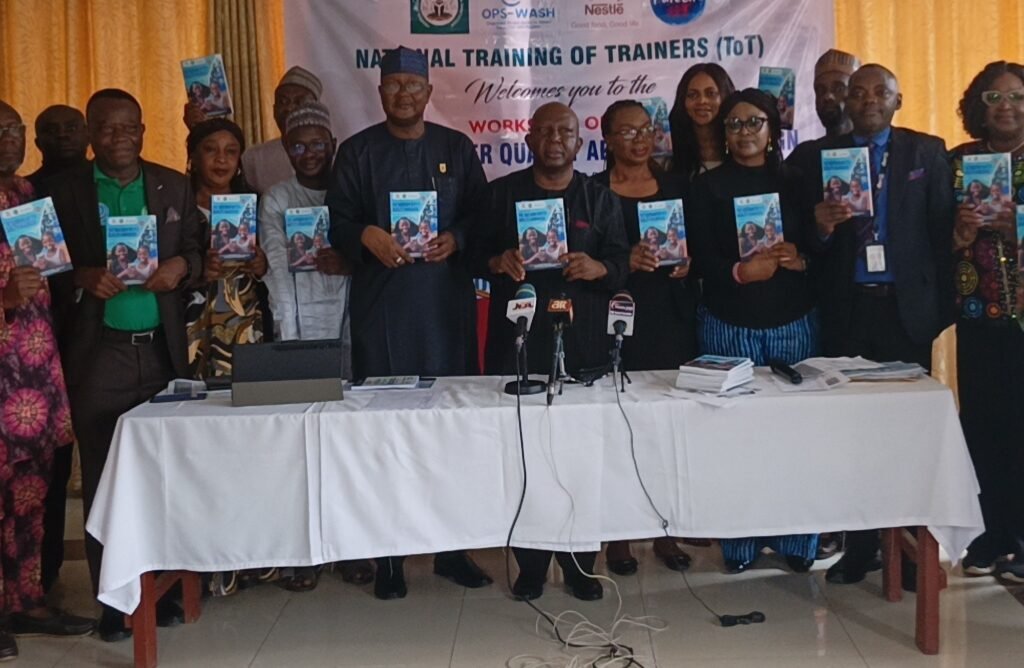
The partnership formed the centrepiece of a National Training of Trainers (ToT) workshop on the Water Quality Handbook, an initiative designed to strengthen water quality knowledge and practices from government institutions to states, local governments and communities.
The workshop, which brought together technical experts and representatives from relevant ministries and stakeholders, is part of efforts to move the conversation around water beyond access and availability to the quality and safety of the water consumed by Nigerians.
Nestlé Nigeria’s participation in the initiative is linked to its broader commitment to responsible water stewardship and community development, particularly through its Water Regeneration Project.
Speaking on behalf of the Minister of Water Resources and Sanitation, Engr. Prof. Joseph Utsev, the Director, Habu Jamilu, said Nigeria needed to move beyond fragmented programme interventions and adopt a unified and standardised approach to water quality management.
He said the Water Quality Handbook was developed to serve as a definitive technical guide for stakeholders across the water quality value chain.
According to him, the handbook provides standardised guidance covering source protection, household water handling, water testing, household water treatment, climate change-related water quality challenges and reporting channels from communities to the appropriate authorities.
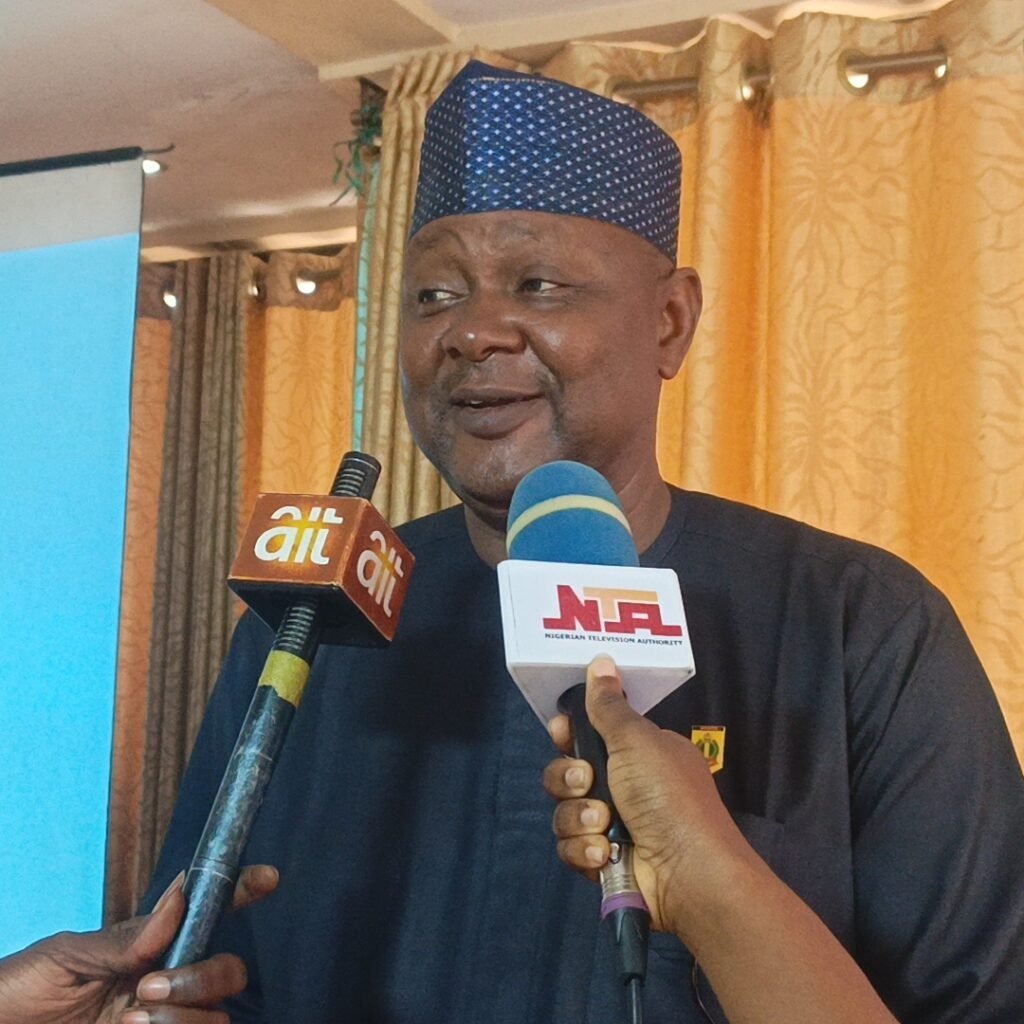
He described the Training of Trainers workshop as an important step towards translating the technical provisions of the handbook into practical knowledge that can be replicated across the country.
The minister’s representative urged participants to actively engage in the technical sessions, practical exercises and discussions, stressing that the success of the campaign would depend heavily on effective knowledge transfer.
Nestlé’s Water Regeneration Project
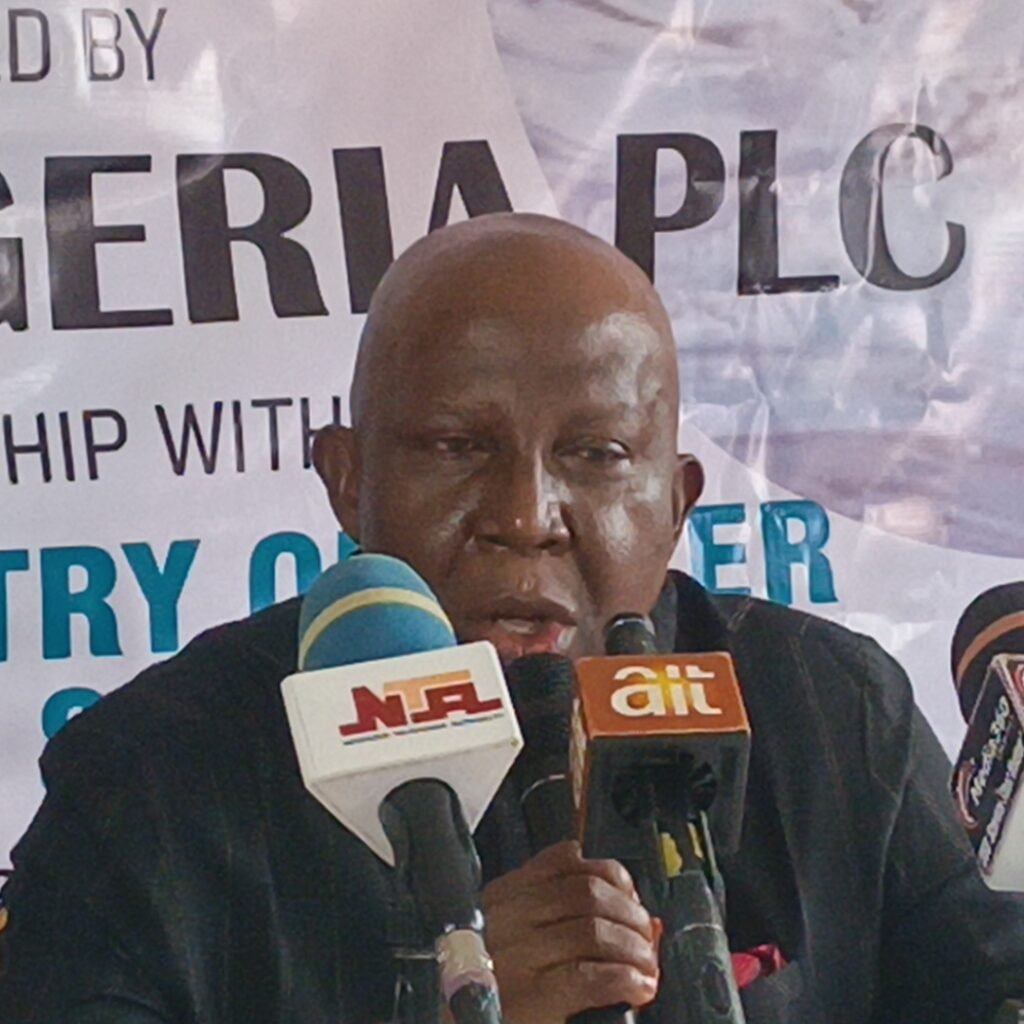
Giving the objectives and expectations of the workshop, the National Coordinator and Global Head of OPS-WASH Nigeria, Dr. Nicholas Igwe, who also represented Nestlé Nigeria PLC at the event, said the company had deliberately moved beyond the traditional focus on water access to address the quality and sustainability of water resources.
Igwe said Nestlé Nigeria’s Water Regeneration Project was designed as an ambitious intervention aimed at replenishing the volume of water used by the company and extending water benefits to host communities and other areas.
He explained that the project is built around four major pillars: water access, water quality, governance and sustainability.
According to him, water quality is a critical component of the project because Nestlé believes communities should not only have access to water but should also understand and benefit from water that meets acceptable quality standards.
He said governance was another important pillar because government at different levels, local authorities and communities all have responsibilities to play in protecting and managing water resources.
Igwe also highlighted the importance of community ownership, explaining that communities had been involved in different stages of the Water Regeneration Project, from its design to implementation.
He said the approach was intended to ensure that communities understood the projects, participated in them and were able to sustain the benefits beyond the intervention period.
The sustainability component also includes water harvesting initiatives designed to support agricultural activities and contribute to food security.
Igwe disclosed that in one of Nestlé’s catchment areas, the company had committed to providing about 270,000 cubic metres of water annually to 16 communities, while another catchment area was expected to receive about 130,000 cubic metres for eight communities.
He said the figures reflected the company’s broader commitment to responsible water stewardship and community impact.
Water Quality Handbook Takes Centre Stage
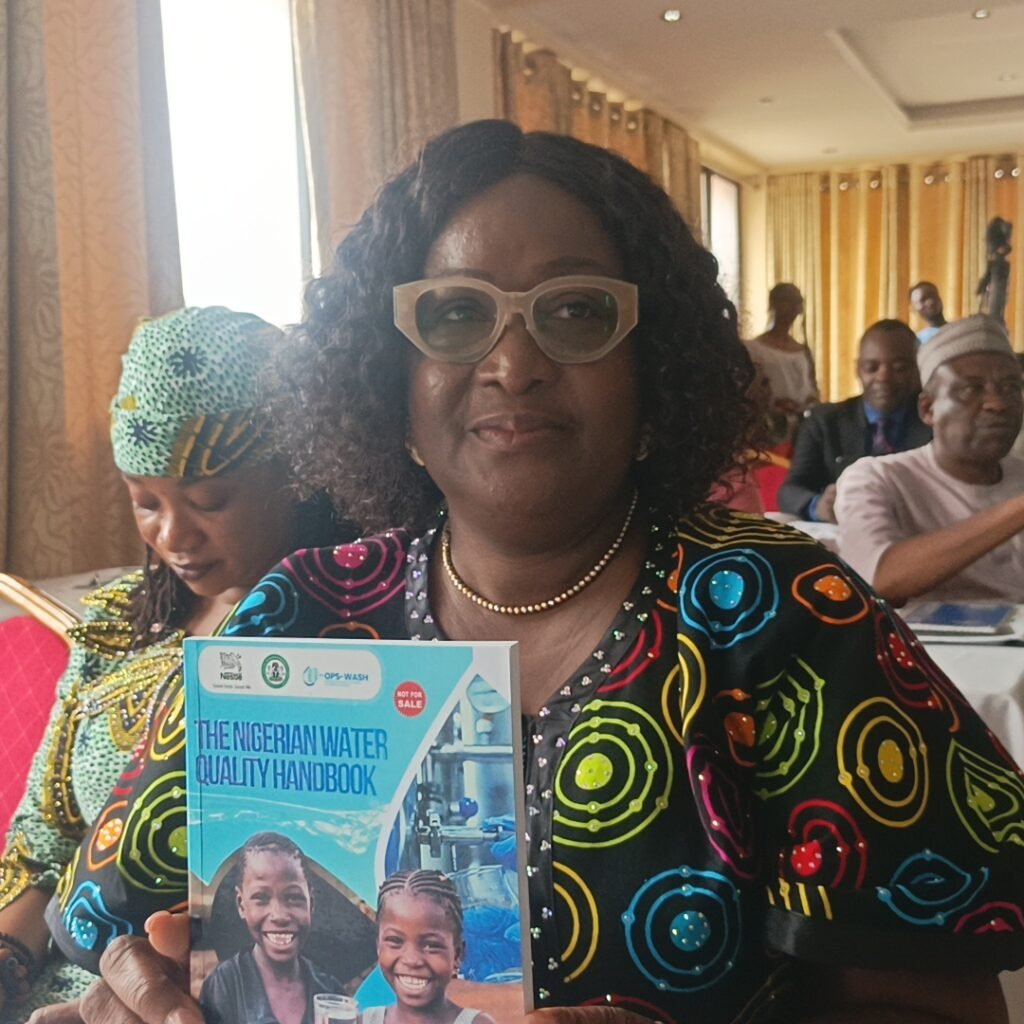
Igwe noted that the Water Quality Handbook, launched in April 2026 with the support of the Federal Ministry of Water Resources and Sanitation, represented another major component of the partnership.
He said the handbook was developed not merely as a document to sit on government shelves, but as a practical tool that could be taken into communities.
“The objective is for people to know exactly what they drink and understand how water quality affects their health and even the economy,” he explained.
According to him, the current Training of Trainers workshop would produce technical personnel capable of taking the knowledge to different states, local government areas and communities.
He said the trainers would subsequently educate community members on the health and economic implications of poor water quality, as well as the benefits of consuming safe water.
Igwe stressed that private-sector involvement should not end at the federal level, insisting that companies and other stakeholders must ensure that interventions reach the communities they serve.
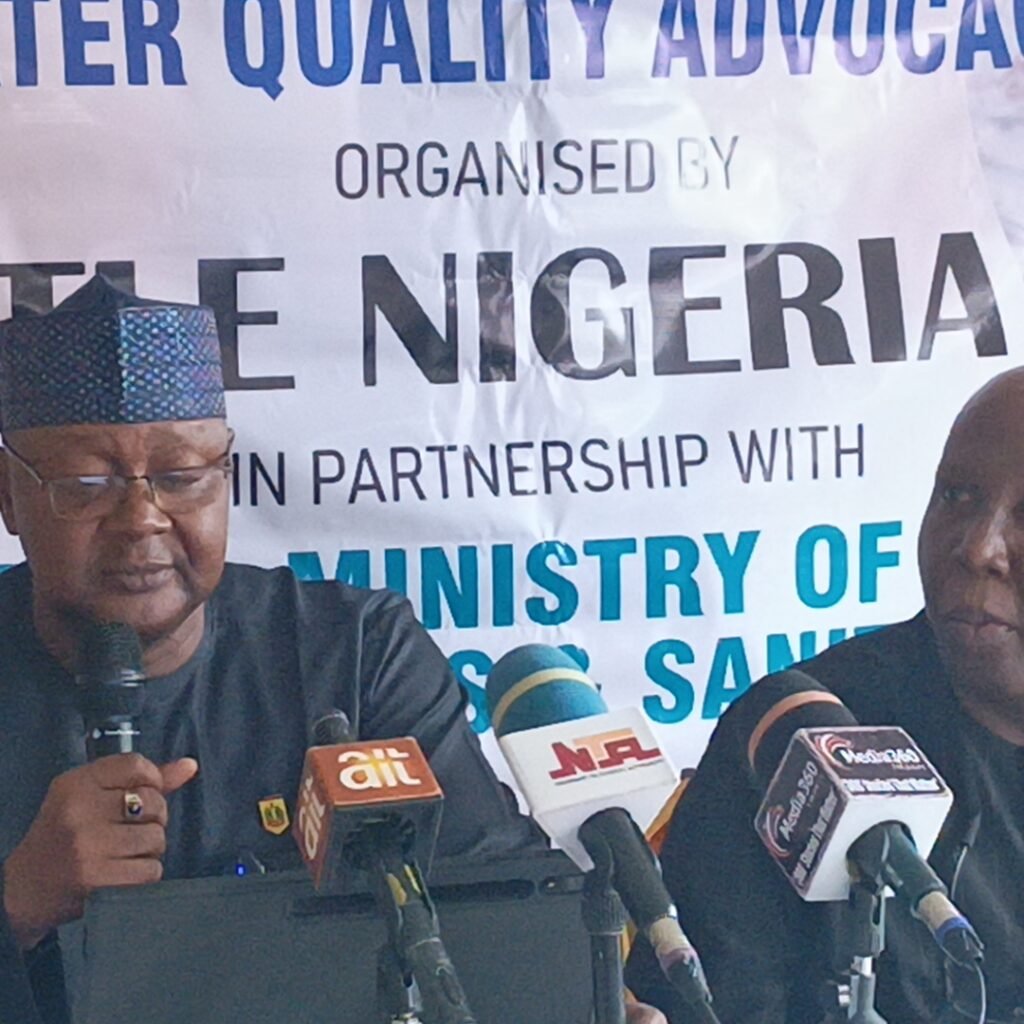
He also called on state governors and relevant state water and sanitation institutions to take ownership of the campaign and support its implementation when it reaches their respective states.
Technical Training Covers Water Quality Management
The workshop featured a series of technical sessions designed to give participants a comprehensive understanding of water quality and the responsibilities of different stakeholders.
Understanding Water Quality
Mr. Olopade led the session on Understanding Water Quality: The Basics, where participants were taken through the fundamental concepts surrounding water quality.
The session examined the physical, chemical and biological characteristics used in determining whether water is suitable for human consumption and other uses.
Participants were encouraged to understand that water can appear clean and still contain contaminants that may pose risks to human health.
The session therefore emphasised the importance of proper assessment, testing and management rather than relying solely on the physical appearance of water.
Water Safety, Sources and Household Water Management
The session on Water Safety, Sources and Household Water Management, delivered by Mr. Obiano, focused on the different sources from which communities obtain water and the potential risks associated with each source.
The presentation highlighted the importance of protecting water sources from contamination and ensuring that water remains safe throughout the journey from source to household.
The session also drew attention to the role households play in maintaining water safety, including proper storage, handling and protection of drinking water from contamination.
Water Quality Testing Methods
Mr. Babalola led the technical session on Water Quality Testing Methods, exposing participants to the importance of testing water to identify potential physical, chemical and biological contaminants.
The session reinforced the need for appropriate testing before decisions are made about the safety of water for consumption.
Participants were also introduced to the importance of understanding test results and using reliable information to determine appropriate water treatment and management measures.
Roles and Responsibilities in Water Quality Management
Engr. Felix Ogundipe delivered a session on Roles and Responsibilities in Water Quality Management, focusing on the need for clear responsibilities among government institutions, communities, private-sector organisations and other stakeholders.
The session emphasised that protecting water quality cannot be left to one institution alone.
Government agencies are expected to provide appropriate policies, standards, monitoring and regulatory oversight, while private-sector organisations can contribute through investments, technical expertise, community interventions and responsible water stewardship.
Communities, on the other hand, have an important role in protecting local water sources, adopting safe household practices and reporting emerging water quality concerns.
The session reinforced the importance of collaboration and accountability throughout the water quality chain.
Climate Change and Water Quality
Mr. Peter led the session on Climate Change and Water Quality, examining the growing relationship between changing climate conditions and the safety and availability of water.
The presentation highlighted how changes in rainfall patterns, flooding, drought, rising temperatures and other climate-related pressures can affect water sources and increase the risk of contamination.
Participants were encouraged to consider climate resilience when planning water quality interventions and to ensure that communities are equipped with knowledge and practices that can help them respond to climate-related water challenges.
The session also underscored the need for stronger coordination between water management and climate adaptation efforts.
Household Water Treatment Methods
Mr. Ibe delivered the session on Household Water Treatment Methods, providing participants with practical knowledge on measures that households can adopt to improve the safety of drinking water.
The session emphasised that household water treatment is particularly important where communities depend on water sources that may be vulnerable to contamination.
Participants were taken through appropriate treatment approaches and the importance of following recommended procedures to ensure that treatment itself does not introduce additional risks.
The presentation also stressed proper storage and handling after treatment, as treated water can become contaminated again if it is improperly stored or handled.
From Training to Community Action
The organisers said the ultimate objective of the workshop is to create a network of trained personnel capable of taking water quality advocacy from the national level to communities across Nigeria.
Dr. Igwe said the campaign would only achieve its intended impact if the knowledge contained in the Water Quality Handbook reaches ordinary Nigerians.
He stressed that communities need to understand the relationship between water quality, public health, productivity and economic development.
He further urged stakeholders to work together to ensure that the campaign becomes a sustained national movement rather than a one-off intervention.
A goodwill message was also delivered by Engr. Chinreye Nnenna Igwegbe, President of the Association of Professional Women Engineers in Nigeria (APWEN), who joined other stakeholders in supporting stronger professional and institutional collaboration around water management.
With Nestlé Nigeria’s involvement in the initiative and its broader Water Regeneration Project, the partnership highlights the growing role of private-sector organisations in supporting sustainable water management and community development.
The National Water Quality Advocacy Campaign is ultimately aimed at ensuring that Nigerians are not only able to access water but also have the knowledge, systems and practices required to ensure that the water they consume is safe.
For Nestlé Nigeria, the initiative reinforces its stated commitment to water stewardship, community engagement and sustainability, while for government and other stakeholders, it provides an opportunity to strengthen coordinated action on one of the country’s most fundamental public health and development needs.