
By Gabriel Ameh
ABUJA — India and Nigeria are deepening their strategic partnership beyond traditional oil and trade relations, with both countries expanding cooperation across defence, technology, agriculture, healthcare, education, investment and global governance.
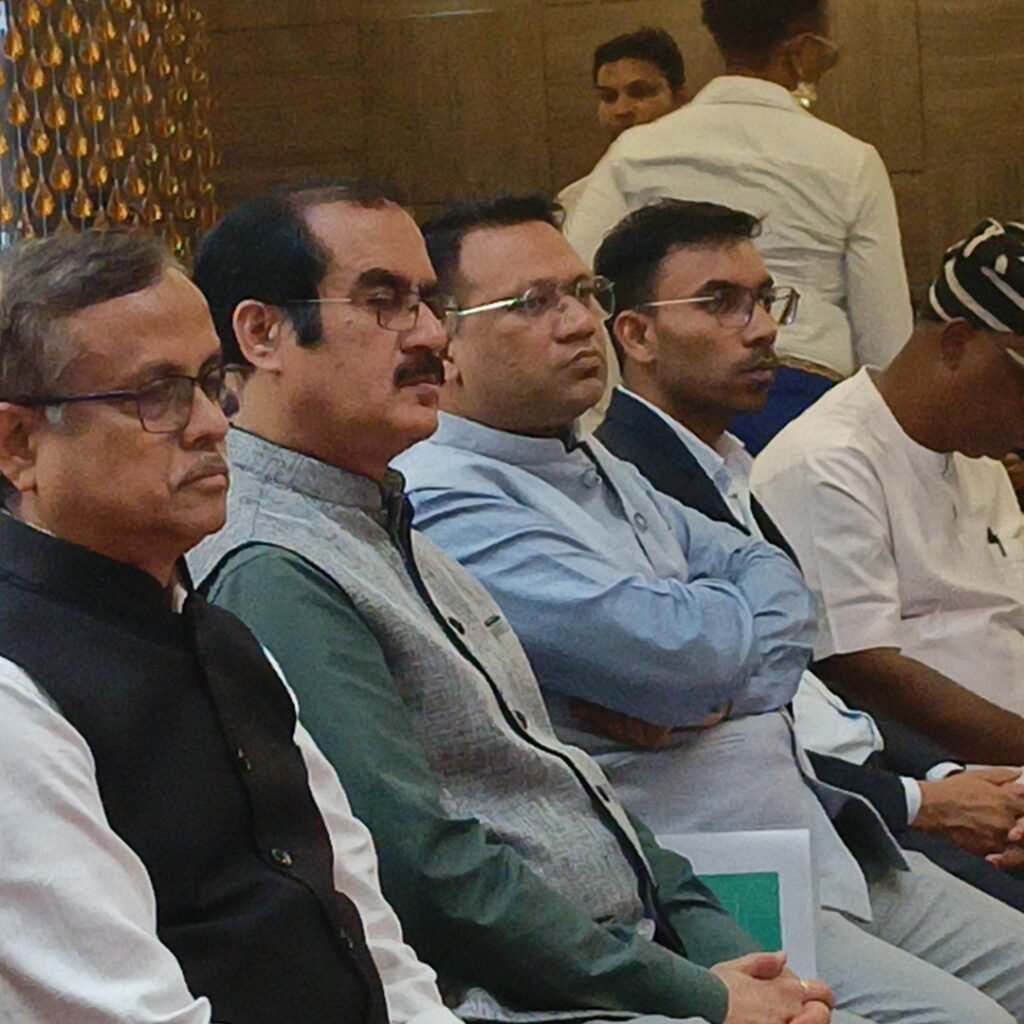
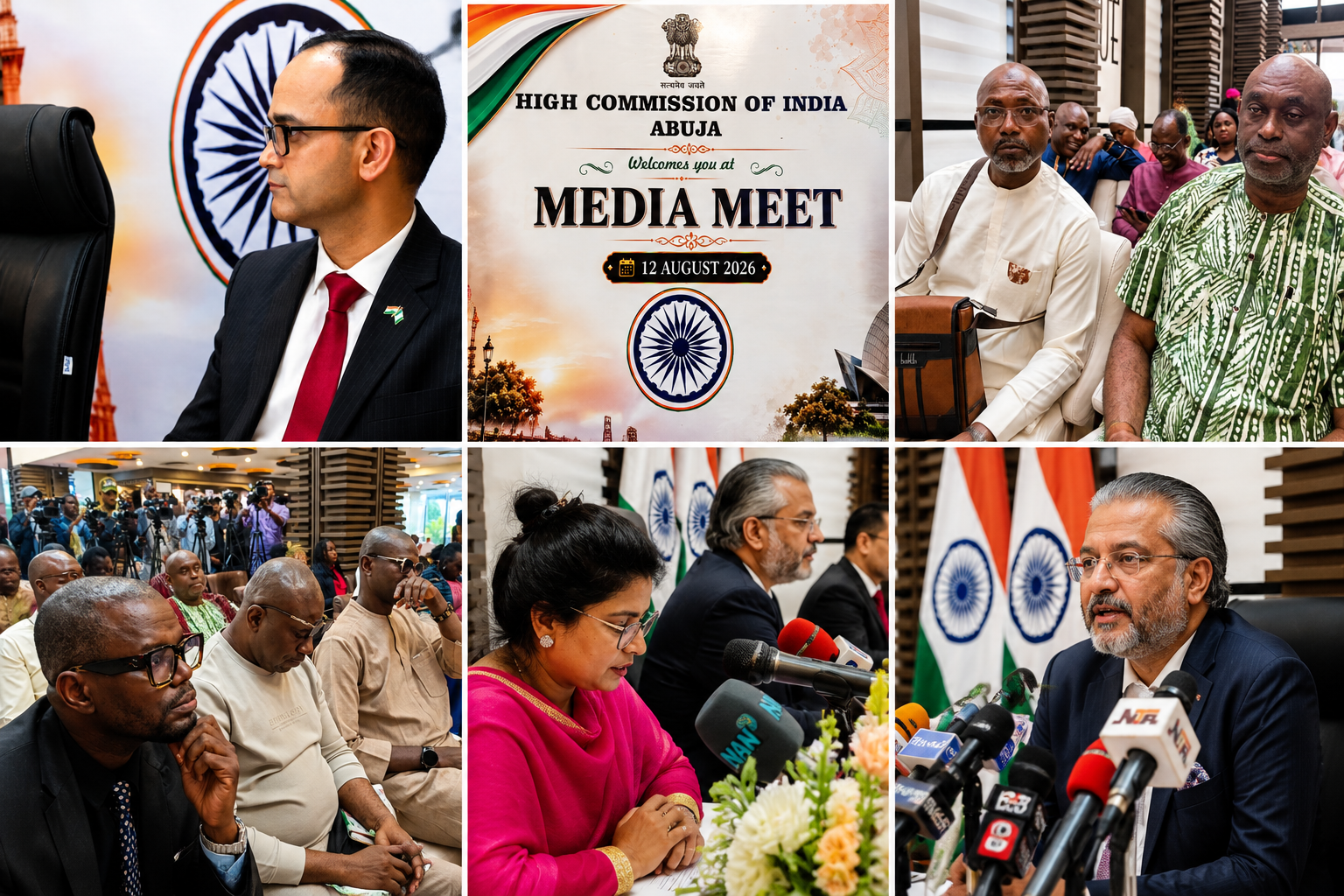
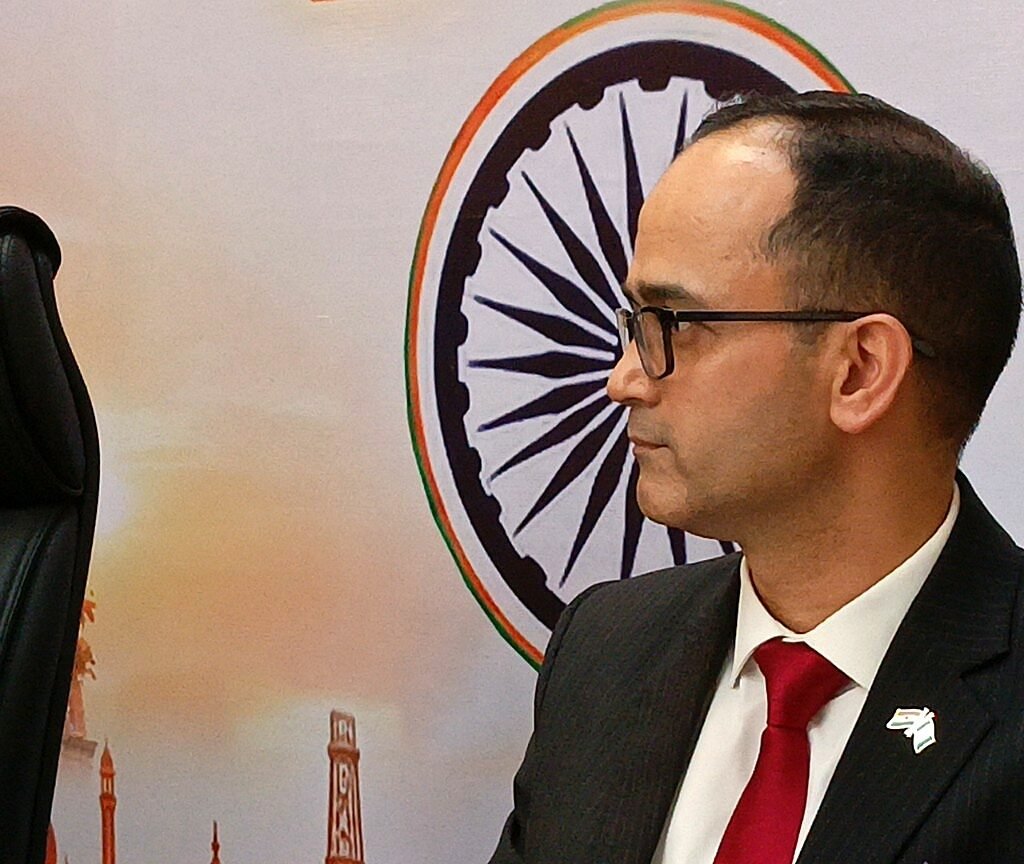
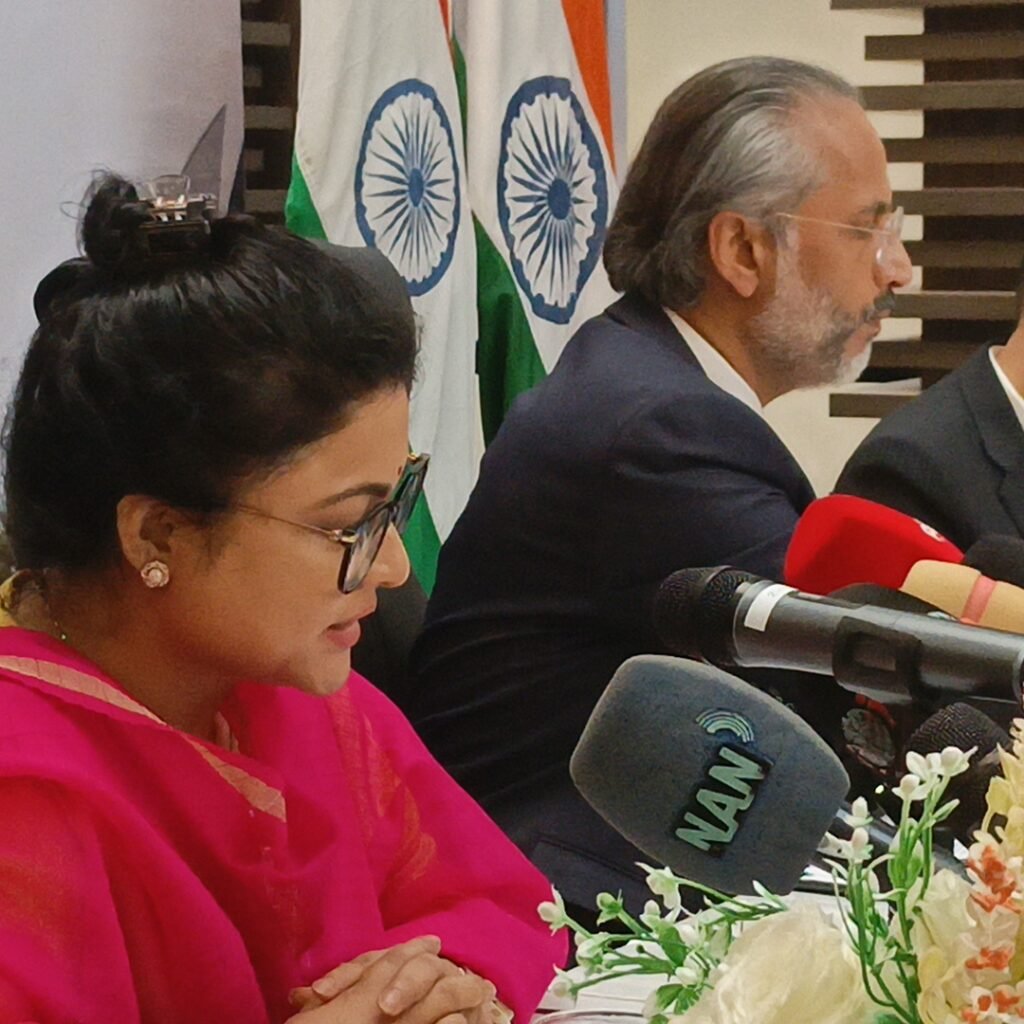
India’s High Commissioner to Nigeria, H.E. Abhishek Singh, disclosed this at a media meet, stressing that the relationship between both countries has evolved into a multi-dimensional partnership with significant implications for Africa and the wider Global South.
Singh recalled that India opened its liaison office in Lagos in 1958, two years before Nigeria gained independence, describing the long-standing relationship as one built on historical goodwill, mutual respect and shared interests.
He noted that the strategic partnership was formally established during the visit of the then Indian Prime Minister to Nigeria in October 2007.
According to him, high-level political engagement has remained a major pillar of the relationship, citing President Olusegun Obasanjo’s visit to India in 2000, former President Muhammadu Buhari’s participation in the India-Africa Forum Summit in 2015, and President Bola Ahmed Tinubu’s visit to India in September 2023.
He also highlighted Indian Prime Minister Narendra Modi’s state visit to Nigeria in November 2024, describing it as historic because it came after a gap of about 17 years.
During the visit, Modi and President Tinubu held extensive discussions on trade and investment, defence, energy, agriculture, health, education, technology and security.
The Indian Prime Minister was also conferred with Nigeria’s highest national honour, the Grand Commander of the Order of the Niger (GCON), reflecting the importance attached to bilateral relations.
Singh said defence cooperation between the two countries covers counter-terrorism, defence training, maritime security, particularly in the Gulf of Guinea, and defence equipment.
He added that India has extended concessional lines of credit worth $395 million to Nigeria while providing capacity-building opportunities through the Indian Technical and Economic Cooperation programme.
The High Commissioner said India’s cooperation with Nigeria also extends to affordable pharmaceuticals, digital public infrastructure, agricultural mechanisation, food security, climate-resilient development and space applications.
He described the relationship as mutually beneficial, stressing that India wants to share its strengths while also learning from Nigeria.
“It’s a two-way relationship,” Singh said, emphasising that both countries have opportunities to strengthen cooperation as major economies and influential members of the Global South.
He said India-Nigeria relations have strong potential for further growth, particularly in areas that align with Nigeria’s development priorities.
Singh also praised the Nigerian government and society for providing a conducive environment for the Indian community in the country.
He said an estimated 60,000 Indians living in Nigeria have contributed to educational, cultural, medical and commercial links between the two countries.
According to him, many members of the Indian community consider Nigeria their second home and have continued to serve as bridges between both societies.
The High Commissioner expressed optimism that the India-Nigeria partnership would continue to grow on the basis of trust, mutual respect and complementary strengths.