
By Gabriel Ameh
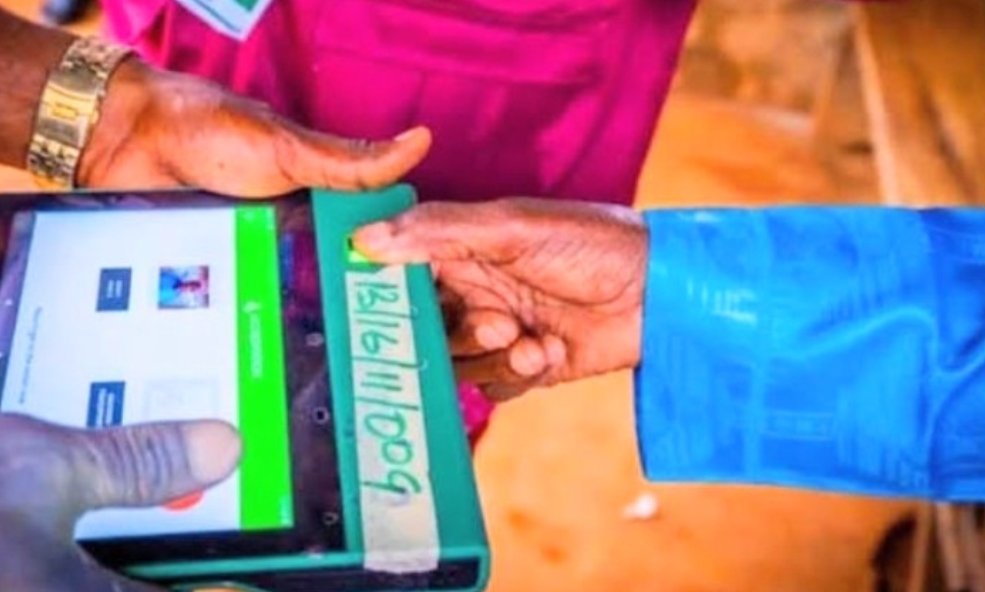
ABUJA – The Independent National Electoral Commission (INEC) has deployed 5,130 Bimodal Voter Accreditation System (BVAS) devices and increased the number of backup machines to 1,328 as part of preparations for the forthcoming Osun State governorship election.
INEC Chairman, Prof. Joash Amupitan, said the Commission has put in place robust technological, security and logistical measures to ensure a credible, transparent and peaceful electoral process.
He warned that the Commission would not tolerate any attempt to disrupt the election, stressing that law enforcement agencies are prepared to deal decisively with anyone who undermines the process.
“Our voters are protected. We will meet any attempt to disrupt this election with the full, unyielding weight of the law,” he said.
Addressing concerns over recent attacks on INEC offices in Okuku, Odo-Otin Local Government Area, and Ife Central, where Permanent Voter Cards (PVCs) were stolen, Amupitan assured voters that the stolen cards cannot be used to cast votes.
According to him, Nigeria’s biometric accreditation system prevents the use of stolen PVCs because every voter must undergo live biometric verification through the BVAS before being accredited.
He disclosed that the Commission has directed its ICT Department to reprint all stolen PVCs, while affected voters will also be allowed to use the newly introduced downloadable PVC for the election.
The INEC Chairman also highlighted measures introduced to make the election more inclusive for Persons with Disabilities (PWDs) and other vulnerable groups.
He said the Commission has deployed Braille ballot guides for visually impaired voters, magnifying glasses for voters with albinism and those with low vision, EC40H poster manifests for hearing-impaired citizens, as well as priority voting arrangements for Persons with Disabilities, pregnant women, nursing mothers and the elderly.
Amupitan urged journalists and media organisations to play a responsible role by verifying information before publication, warning that misinformation and disinformation remain significant threats to peaceful elections.
He cautioned against spreading false reports, election-day panic and unauthorised declaration of election results, noting that isolated incidents at individual polling units should not be presented as widespread system failures.
According to him, responsible reporting is essential to maintaining public confidence and safeguarding Nigeria’s democratic process.