

By Gabriel Ameh
ABUJA — Connected Development (CODE) has raised fresh concerns over transparency, accountability and funding delays in Nigeria’s epidemic preparedness financing, warning that weaknesses in the implementation of the Basic Health Care Provision Fund (BHCPF) could undermine the country’s ability to respond effectively to future disease outbreaks.
The concerns were presented during the HealthShield National Convening on Project Track-BHCPF, themed “Strengthening Nigeria’s Epidemic Preparedness Financing,” where stakeholders from government, civil society and development organisations reviewed findings from an assessment of the BHCPF implementation, particularly the Nigeria Centre for Disease Control and Prevention (NCDC) gateway.
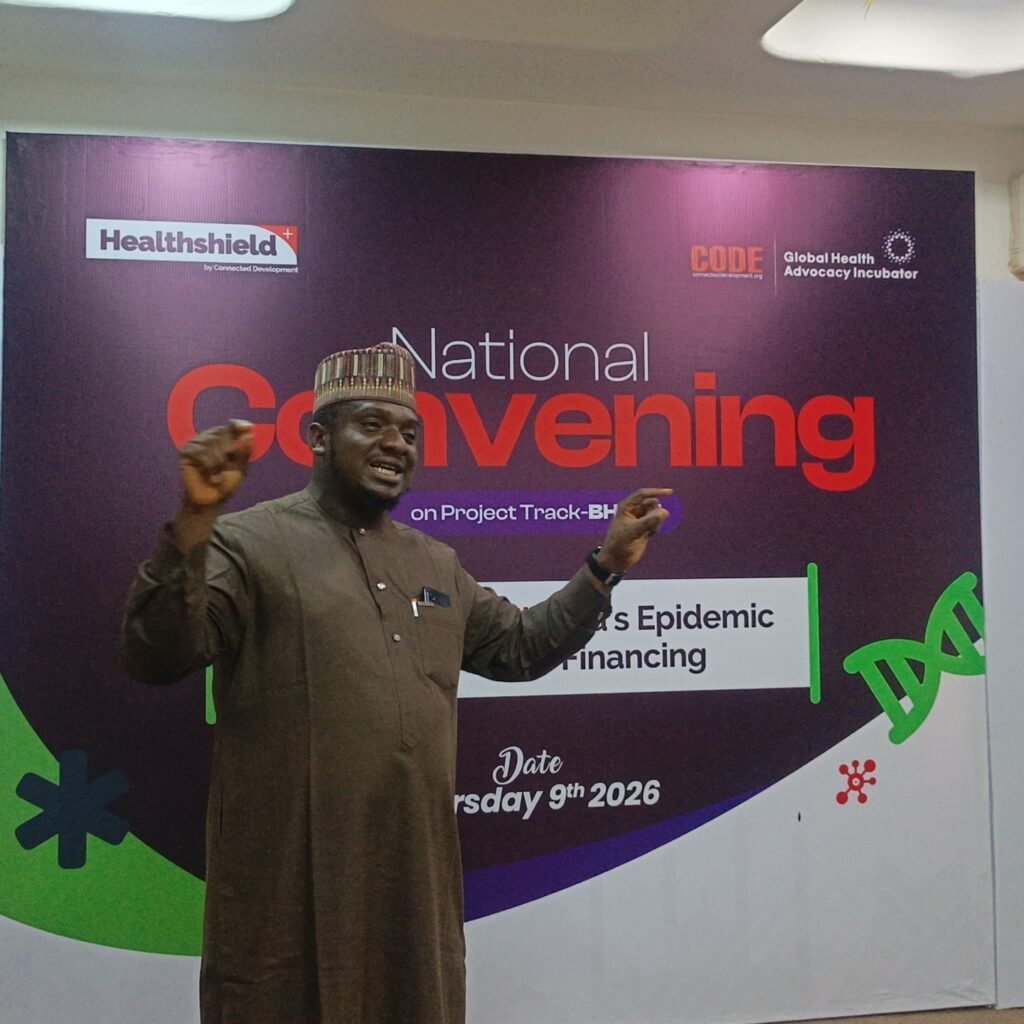
Presenting the findings, CODE’s Head of Programmes, Abdulazeez Usaini, said the organisation began tracking the BHCPF after the Federal Government allocated ₦6.9 billion to the fund, but soon discovered significant implementation gaps between the transition from the first to the second phase of the programme.
According to him, the transition created delays that affected the release and utilisation of funds, prompting the organisation to investigate what happened to allocations dating back to 2022 instead of focusing only on more recent disbursements.
“Our findings showed that many states had not even accessed funds approved for 2022,” Usaini said. “It became necessary to understand why these resources remained inaccessible before examining newer allocations.”
The assessment focused on Adamawa and Kano states, where investigators found discrepancies over when funds were actually released.
While officials in Adamawa said they accessed the 2022 allocation in 2025, the NCDC maintained the funds were released to the state in 2024, highlighting inconsistencies in reporting and financial accountability.
CODE said the investigation also sought to determine how the NCDC gateway funds were being utilised, identify transparency gaps and strengthen the capacity of civil society organisations to monitor health financing at the sub-national level.

The organisation conducted interviews with Ward Development Committee members, state epidemiologists, officials of State Primary Health Care Development Agencies, budget officers and other stakeholders across both states.
One of the major findings involved the Ward Development Committees, community structures expected to provide oversight for primary healthcare facilities.
Instead of operating independently, CODE found that many committee members in Kano were being treated as extensions of the State Primary Health Care Development Agency, limiting their ability to perform their oversight responsibilities.
Usaini described the situation as a distortion of the committees’ intended role, warning that community accountability mechanisms had become weakened.
The assessment also uncovered governance concerns involving delayed signatures required for accessing funds, frequent changes in authorised signatories and administrative bottlenecks that slowed implementation.
In Kano, investigators questioned how one tranche of funding was reportedly accessed despite claims from the NCDC that the state had yet to submit the mandatory work plan required before funds could be released.
The report further noted weak coordination among the four gateways of the Basic Health Care Provision Fund.
According to CODE, the different funding windows currently operate largely in isolation, despite the need for stronger collaboration between the NCDC and primary healthcare systems, which serve as the frontline for disease surveillance, reporting and sample collection during outbreaks.
The organisation also identified shortages of health workers in rural communities, saying many personnel posted to local government facilities often return to urban centres, reducing the effectiveness of epidemic preparedness at the grassroots.
Another concern involved allegations that some Ward Development Committee members received account details of specific vendors immediately funds reached health facility accounts, raising questions over procurement processes and financial transparency.
Although state officials disputed aspects of those claims, CODE said the disagreement reflected the need for stronger accountability systems and better communication between community representatives and government agencies.
To address the identified challenges, the organisation recommended integrating the Basic Health Care Provision Fund into state budgets to improve oversight, retraining Ward Development Committees, strengthening work-plan development and reporting capacity for health workers, and establishing a national digital dashboard that would publicly track allocations, releases and utilisation of BHCPF funds across all states.
CODE argued that such a dashboard would allow citizens, civil society organisations and government institutions to monitor health financing in real time and improve public accountability.
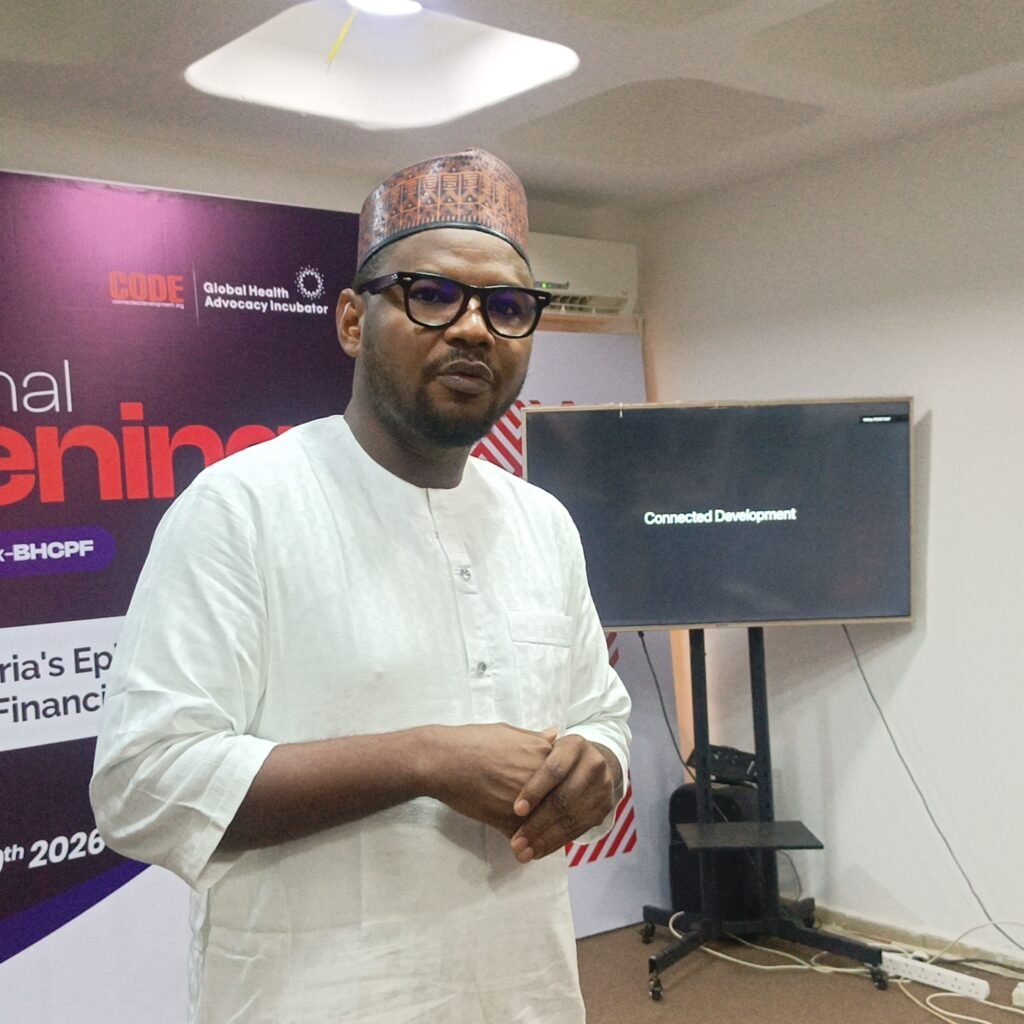
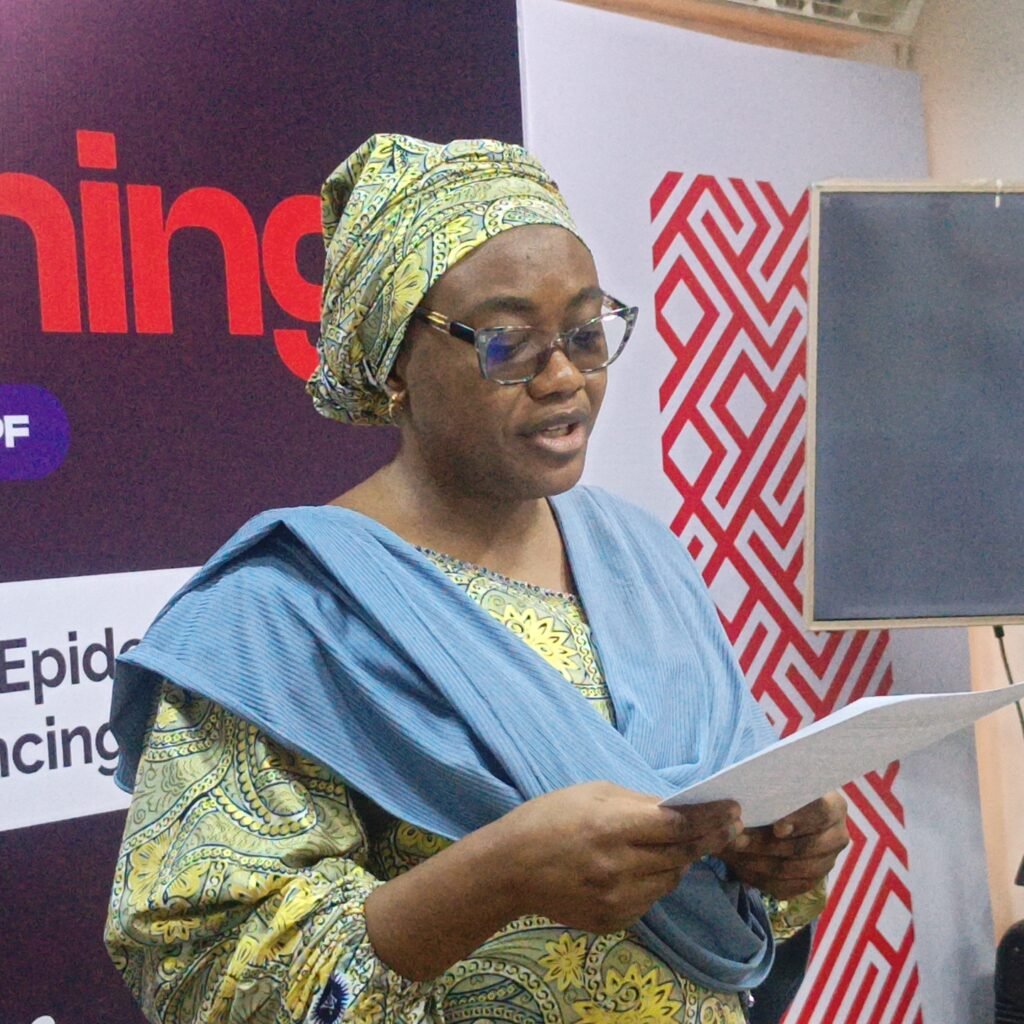
Speaking on behalf of Resolve to Save Lives (RTSL), Dr. Rabi Usman, representing Country Executive Director Nanlop Ogbureke, said accountability remains fundamental to sustainable epidemic preparedness financing.
She said RTSL supported Project Track-BHCPF because citizen-led monitoring, evidence generation and community participation are essential for building trust in Nigeria’s health security system.
According to her, governments and development partners are more likely to invest in epidemic preparedness when transparent systems guarantee that public resources are effectively managed and produce measurable outcomes.
She urged stakeholders to sustain efforts aimed at improving transparency, expanding access to information, strengthening community participation and institutionalising accountability across all levels of Nigeria’s health system.
The national convening concluded with renewed calls for stronger collaboration between government institutions, civil society organisations and development partners to ensure that epidemic preparedness financing reaches communities efficiently and strengthens Nigeria’s capacity to respond to future public health emergencies.